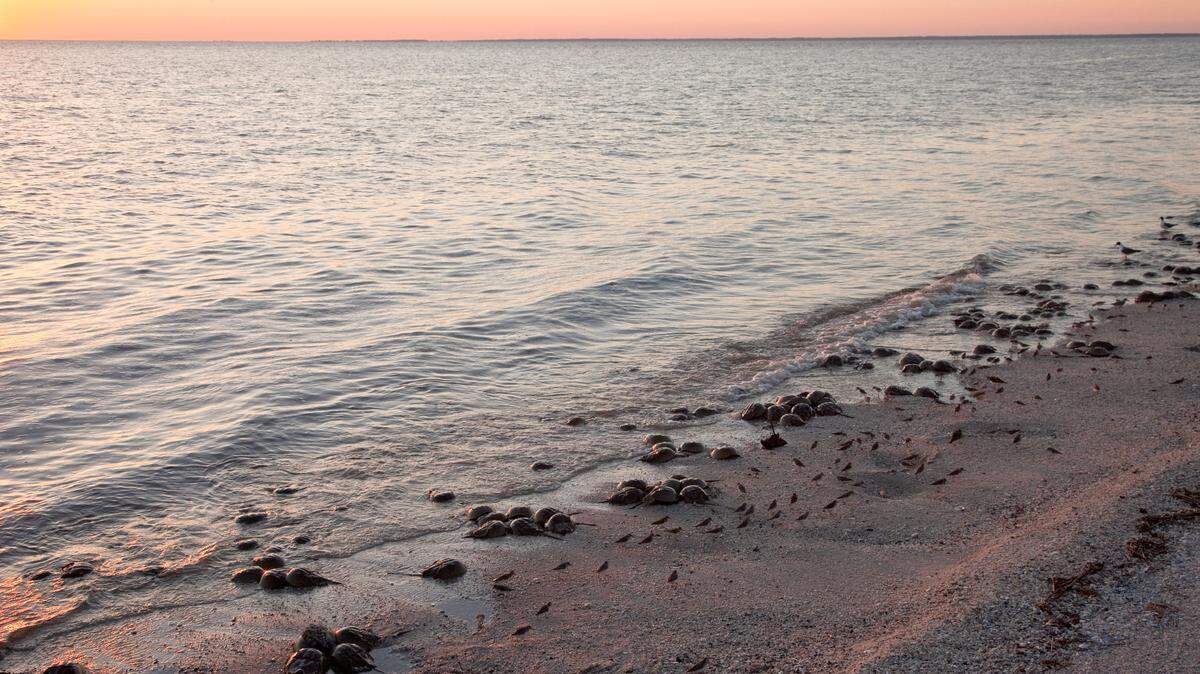
South Carolina restricted the horseshoe crab harvest. The lab moved north for more blood.
READ MORE
Charles River Labs & the SC Horseshoe Crab Harvest
Blue blood from horseshoe crabs has helped make vaccines safe for years, but experts say the multinational company harvesting the crabs in South Carolina is misleading the public about its environmental impact and the synthetic alternatives that exist.
Expand All
As harvesters begin collecting horseshoe crabs along the South Carolina coast this month, they must follow unprecedented restrictions. To maintain business continuity, the company that extracts the animals’ blue blood has now decided to move north to Cape Cod to work there, too.
For almost three decades, Charles River Laboratories, a multinational company based in Massachusetts, has bled crabs from South Carolina in its Charleston facility to make a product pharmaceutical companies use to detect bacterial toxins. Its harvesters and the company have long escaped scrutiny and regulation, some critics say.
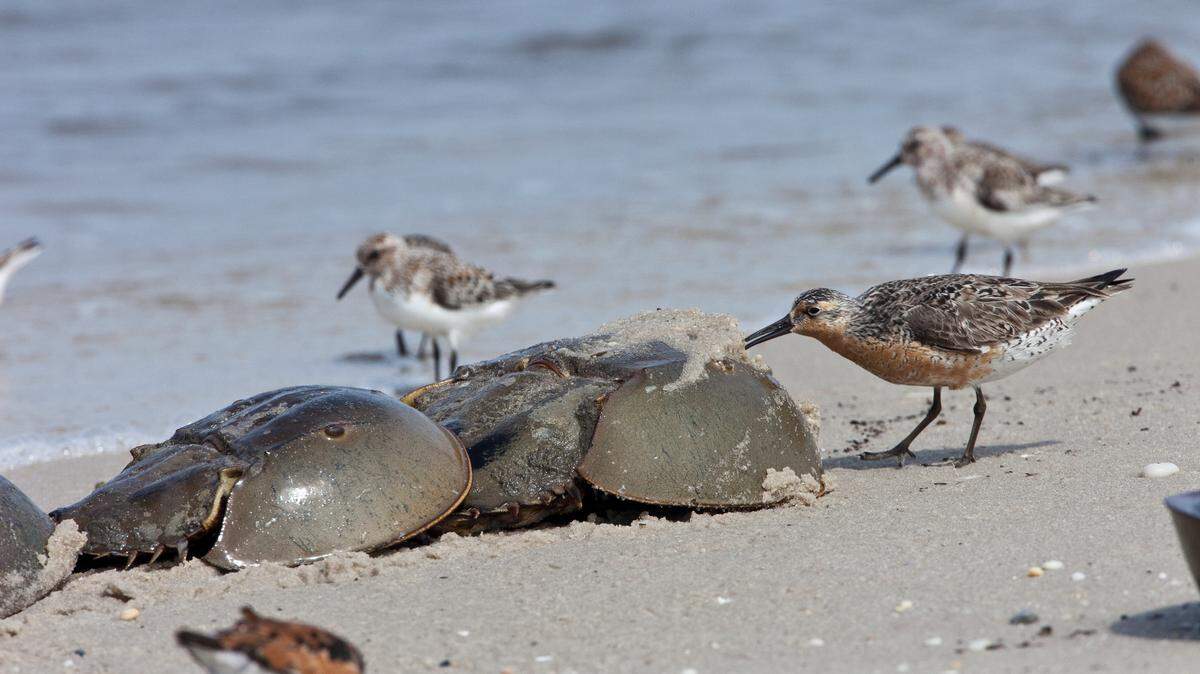
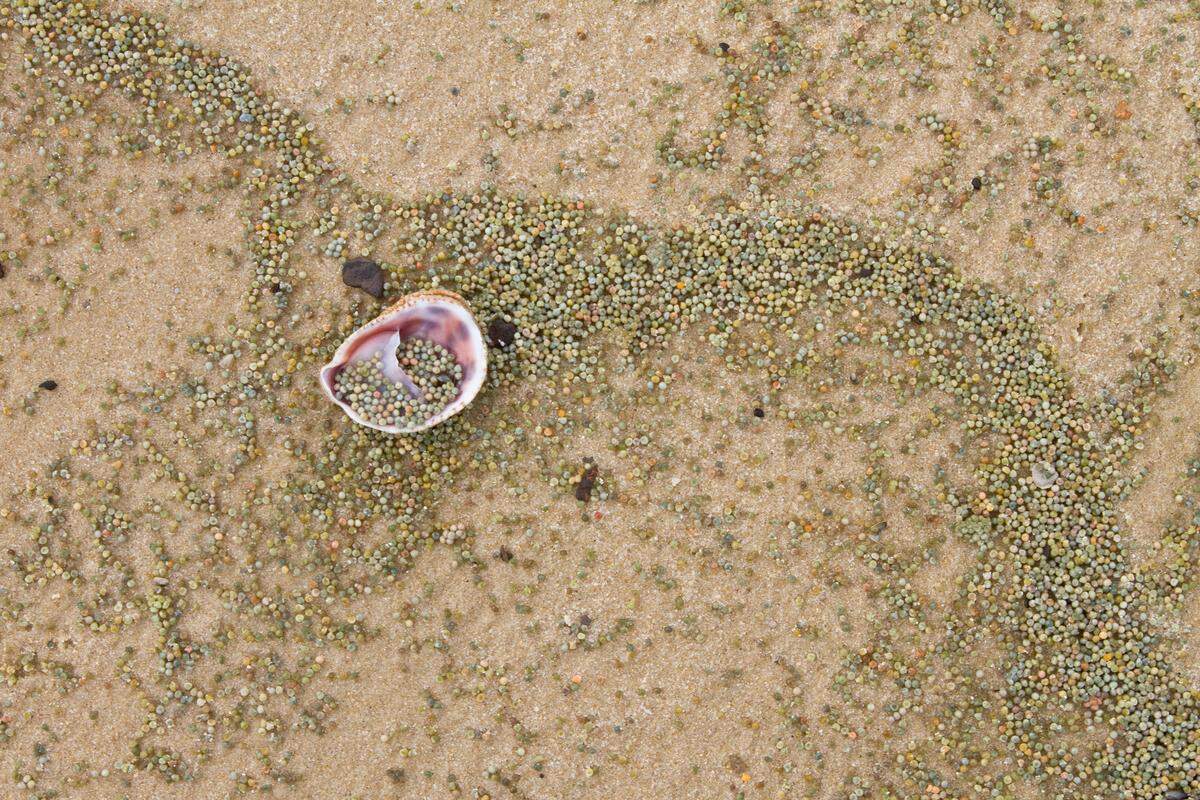
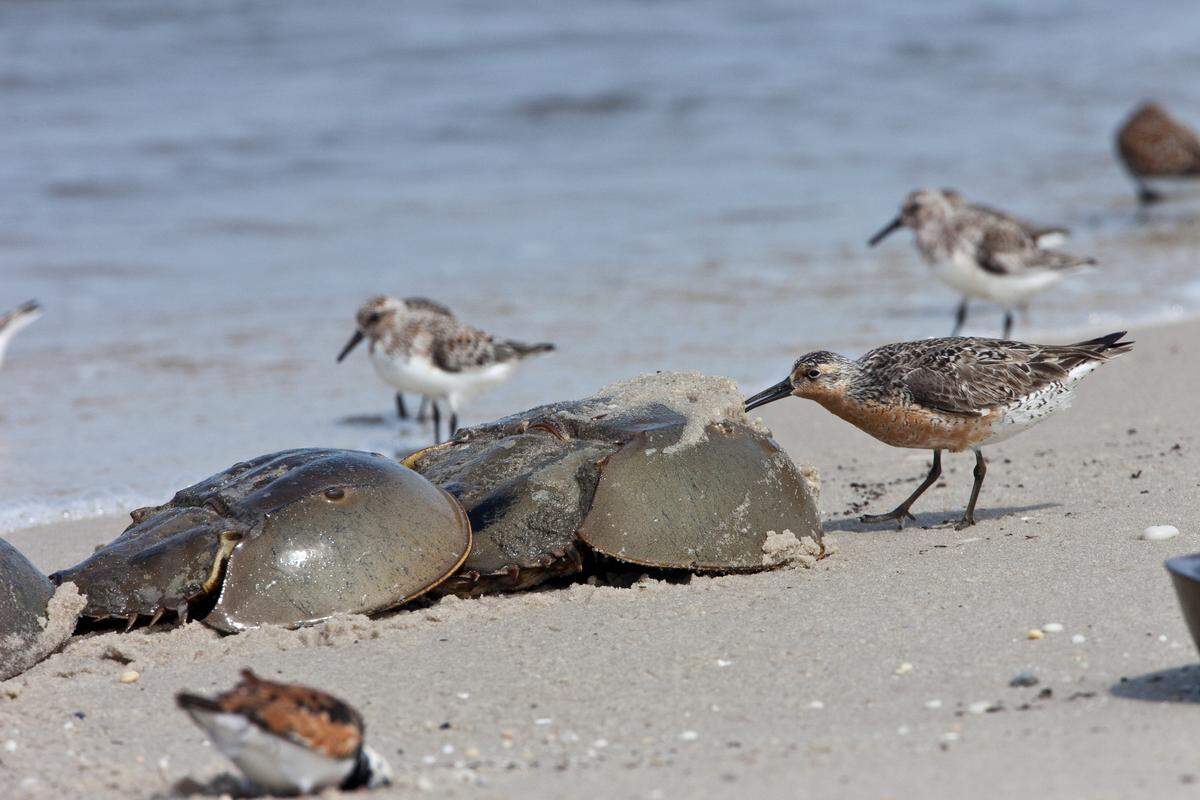
But since February 2021, The State Media Co. has published investigations that revealed company representatives have downplayed how many crabs might die from the biomedical process and the potential negative impact the business might have on a threatened migratory shorebird, the red knot, that depends on crab eggs to survive. A Charles River executive also told a reporter he did not know harvesters had illegally taken crabs from South Carolina’s Cape Romain National Wildlife Refuge, despite the fact that he had been informed of the violation since at least 2014 and a lawsuit also cited the poaching, the newspaper revealed. And Charles River lobbied to discourage the widespread adoption of a synthetic alternative to its ingredient, The State reported, even as one of the world’s largest publishers of academic journals discredited Charles River’s generalizations about its synthetic competitor.
This year, attitudes toward Charles River and its South Carolina harvesters appear to have become more critical.
When a harvester requested permission to obtain a permit to collect crabs from Cape Romain, as fishermen have done for years, a spokesman for the federal agency that manages the area confirmed the request was denied in April.
“Cape Romain National Wildlife Refuge was established as a sanctuary for wildlife, including but not limited to, sea birds and shorebirds,” said the spokesman for the U.S. Fish and Wildlife Service. “Entering horseshoe crab spawning areas during the closures would be trespassing.”
And when the S.C. Department of Natural Resources issued permits to allow fishermen access to most of the rest of the South Carolina coast in 2022, the state agency added its own slew of restrictions for harvesters.
The DNR will now require fishermen to deliver the crabs within 12 hours of taking them from the wild, the permits detail. Before, harvesters were allowed double the amount of time. And while previous permits only asked the fishermen to return the crabs to the water “promptly,” the new ones specify that harvesters must return them to coastal waters within six hours. Being kept above water for extended periods of time is known to weaken the animals.
One change that DNR did not make to the permits was also telling — and much watched.
In January, The State revealed that Charles River had quietly proposed that the DNR begin to allow harvesters access to some currently off-limit ACE Basin islands, protected for research and conservation, in exchange for a sum of $500,000. But even after the newspaper exposed the confidential deal which was criticized as a “pay-to-play” move, Gov. Henry McMaster, leaders of the DNR and Charles River were still in talks to allow the company the access it wanted.
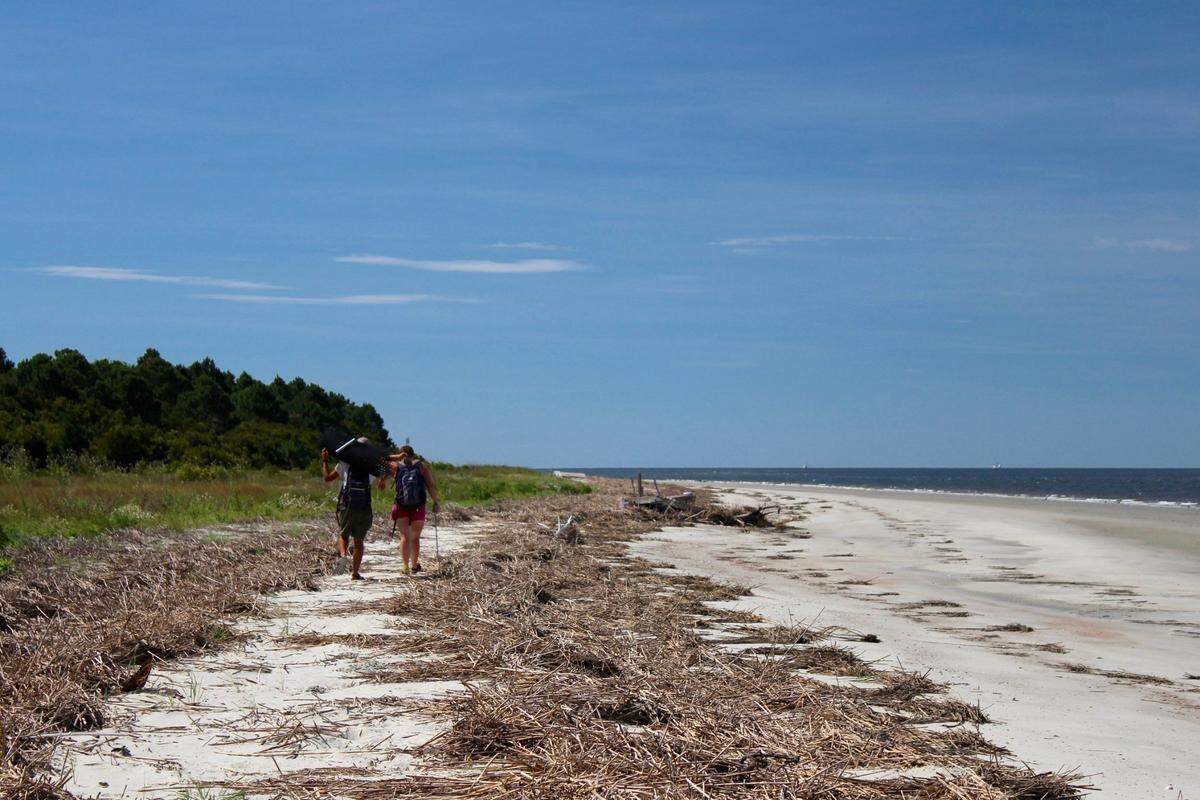
Angry South Carolinians who read The State’s articles sent messages to the DNR petitioning that the natural areas continue to be protected. In April, Sen. Chip Campsen, R-Charleston, introduced legislation to limit the occurrence of secretive deals like the one the agency, the governor and the company were negotiating.
Now, the new DNR permits show harvesters will continue to be forbidden from accessing the prohibited areas after all.
“They are still able to harvest in portions of the ACE Basin, just not the five islands that have always been listed as off-limits,” Blaik Keppler, deputy director for SCDNR’s Marine Resources Division, told The State.
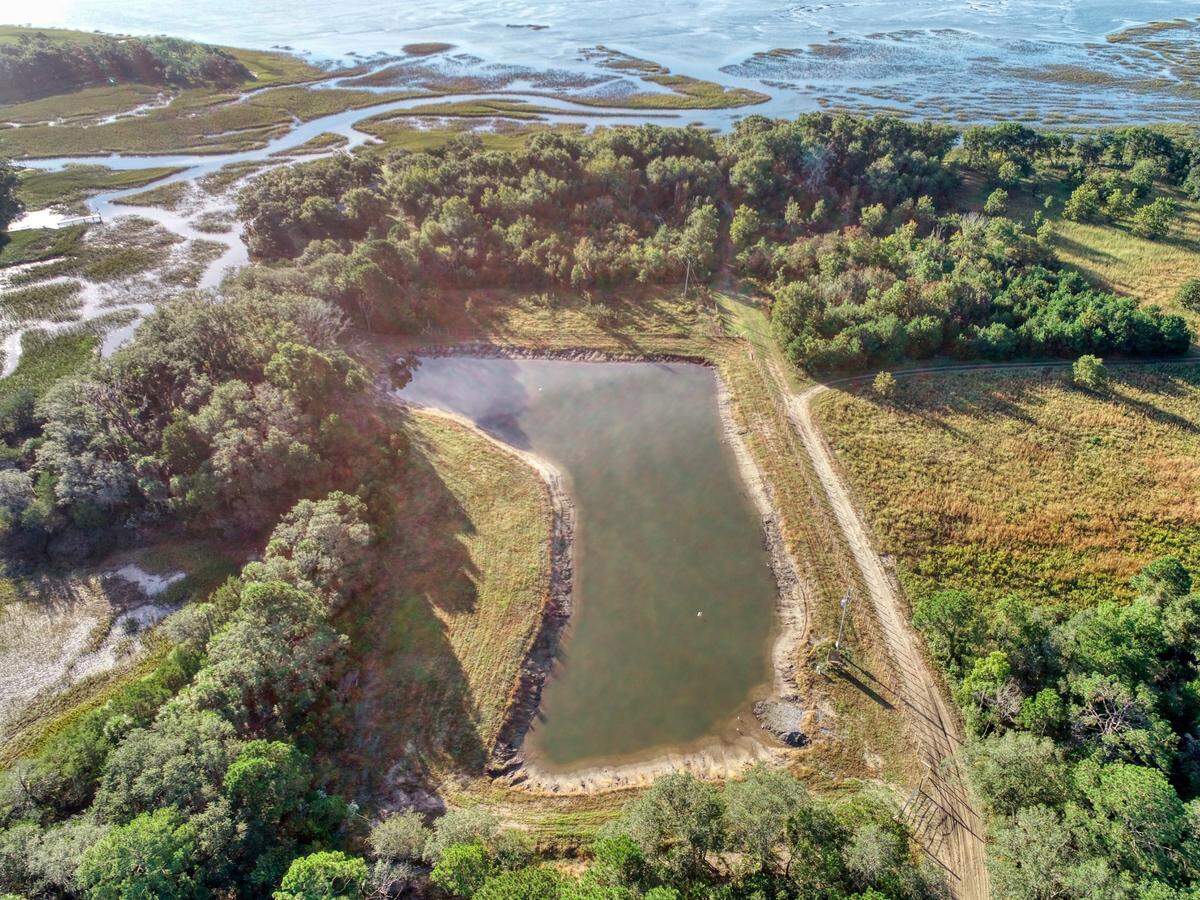
The agency also made changes to the four permits it granted to harvesters who keep horseshoe crabs in holding ponds.
After The State reported on the potentially harmful use of the ponds in 2021, two environmental nonprofits sued the DNR and Charles River in January. The nonprofits said DNR’s secrecy regarding the ponds — it would not state how many existed in South Carolina nor provide some records about them — was out of line with the agency’s duty to keep the public informed. And since sequestering the crabs in ponds violated federal law by endangering not only the crabs but the migratory shorebirds that would otherwise find their eggs on the beach, the groups urged for the practice to be outlawed entirely.
The lawsuit is ongoing. But for the first time, this season, female crabs will be prohibited from being kept in the ponds, the permits show. The ponds will also have to be monitored twice daily for oxygen levels and temperature, the number of crabs allowed will be capped at 7,200 per acre and the crabs will not be permitted to be held in the ponds for more than two weeks. Every one must be removed by June 30.
“We felt these adjustments to permit conditions associated with the horseshoe crab fishery would be useful in more clearly defining acceptable operating parameters for all involved in the various aspects of the fishery while striving to make improvements in the health and survivability of horseshoe crabs,” said Keppler, “both in the short and the long term.”
But environmentalists and scientists believe the changes are not enough to significantly improve conditions for wildlife.
“The new permits continue to allow Charles River to harvest unlimited numbers of breeding horseshoe crabs from our beaches and store them in crowded ponds,” said Catherine Wannamaker, a lawyer for the Southern Environmental Law Center, one of the nonprofits suing the DNR and Charles River. “The horseshoe crab population — and the threatened shorebirds that rely on crab eggs — remain in peril as long as DNR allows this destructive practice, a practice not legal in any other state and which remains shrouded in secrecy in South Carolina.”
Dr. Larry Niles, a longtime wildlife biologist who has been retained before by SELC, expressed other doubts.
“We have to accept the word of the agency that this is going to improve things without any basis for making that judgment,” he said, underscoring that harvesters and Charles River are required to report to the government how many crabs die under their watch, but those numbers have long been kept hidden from the public.
And while prohibiting female crabs might seem like a step in the right direction, if the male crabs that should be fertilizing eggs are still kept in ponds without being fed and then depleted of much of their blood, that would continue to undermine the population, Niles believes.
“If there are not enough males, the females won’t breed,” he said. “These crabs are being killed at a rate where there’s barely any significant reproduction.”
Niles was also skeptical about whether the new rules would be enforced. The fishermen who work for Charles River have violated the existing prohibitions before with limited apparent punishment.
A new video demonstrates some of that behavior on the water.
Video shows fishermen throwing crabs on loaded boats
Most spots along the South Carolina coast are available for harvesters to access. Only a few are restricted.
But fishermen have been seen taking crabs from those prohibited places multiple times. They were even spotted on Morgan Island, near Beaufort County. Though Charles River has paid over $15 million to the DNR to rent a portion of the island, a financial conflict of interest The State first revealed, that part of the island is explicitly for the colony of monkeys that live there. No harvesters are allowed.
It wasn’t the only time the fishermen were seen breaking the rules. In March, the other environmental nonprofit suing the agency, Defenders of Wildlife, sent the DNR a report that showed harvesters had before been spotted accessing at least four other off-limits places in South Carolina.
Harvesters have also been seen mishandling the crabs as they collect them.
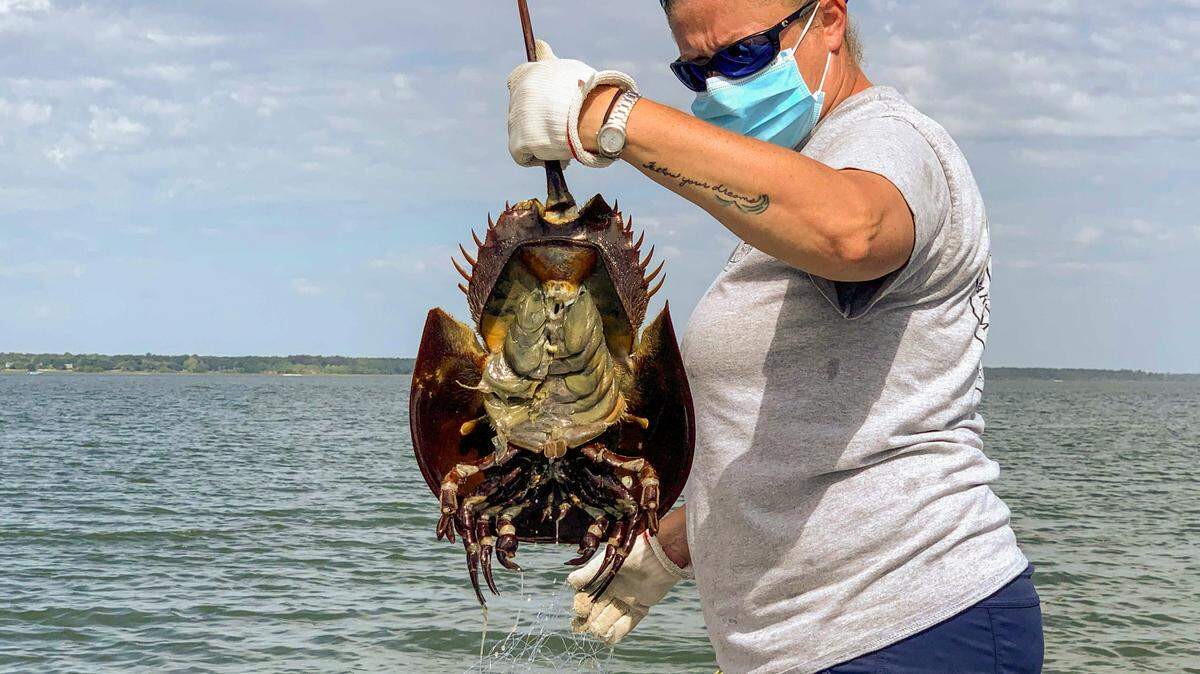
South Carolina law requires harvesting to be done with “minimal injury” to the animals. But in May 2017, wildlife photographer Eric Horan shot video of fishermen grabbing the crabs from their tail-like appendages, called telsons, and throwing them on top of each other in cramped piles. Both actions are known to harm the animals. The video is published in full here for the first time.
The men did not say in the video who they were working for. But Charles River is the only company in South Carolina permitted to purchase and process the crabs from the harvesters, and families of fishermen have worked with Charles River for generations.
When asked to comment on its responsibility for, training and oversight of the harvesters, a lab spokeswoman responded that DNR was the group accountable.
“All fishermen contracted by Charles River Labs are licensed and regulated by SCDNR,” she said.
Keppler, the DNR deputy director, said that this season, the agency will monitor the fishery “on a routine basis for compliance with permit conditions” and conduct inspections. But no harvesters who had been caught violating rules previously were denied permits this year, she confirmed.
Those harvesters in South Carolina will now be in greater company. Charles River plans to soon start paying a new set of fishermen from Massachusetts to supply it with crabs, too.
Charles River moves north for more blood
South Carolina has never put Charles River in a position like this before.
The company won’t be able to bleed crabs from Cape Romain, one of its main sources for years. It won’t be able to get blood from protected islands in the ACE Basin, though it lobbied the governor and the DNR for permission. And its suppliers will have to comply with a host of other rules that could limit the competitive advantage Charles River has for years enjoyed in the Palmetto State.
While the company is still investing in South Carolina with a multi-million dollar expansion in Charleston County, a spokeswoman said, it has also decided to start bleeding crabs further north.
“In order to maintain business continuity, we are expanding our operations, both here in Charleston and at locations outside the state,” said the spokeswoman. “We are opening a facility in Harwich, Massachusetts, to diversify our supply chain and processing operations.”
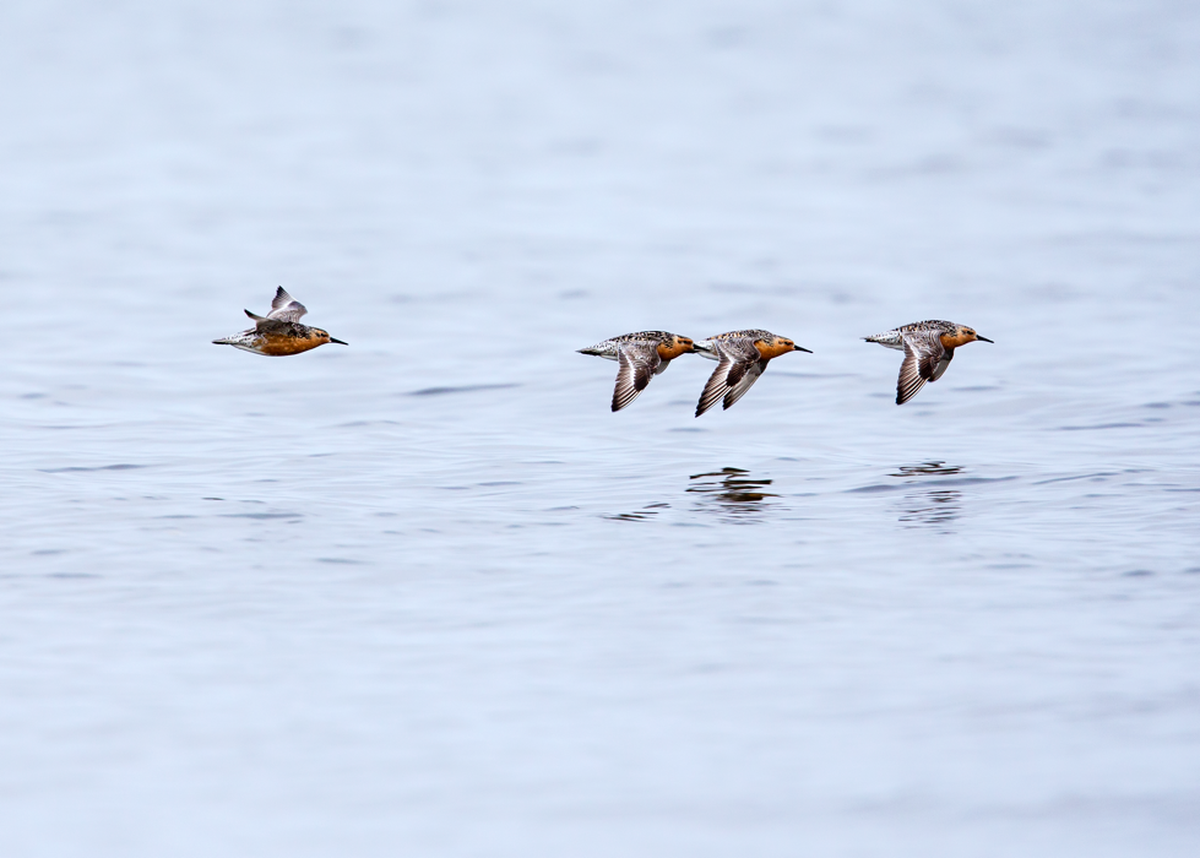
Massachusetts already hosts one biomedical company that harvests crabs there, called Associates of Cape Cod. In 2021, that business started selling a blood-free synthetic alternative to the product derived from crab ingredients, as other biotechnology companies had done before.
Charles River will still be out for blood. Not all its new neighbors are happy about that.
When the company petitioned for a permit to start extracting blood in the small, Cape Cod town of Harwich, it used some of the same economic arguments the lab has long voiced to convince South Carolina of its benefits. Representatives said Charles River would create up to 30 jobs, according to reporting by the local paper, the Cape Cod Chronicle.
Residents expressed concerns about the business anyway. One said that crab populations had been decimated in other places where Charles River had bled them. Another mentioned that the traditional bleeding process kills a significant percentage of crabs and since pharmaceutical giant Eli Lilly was already using the new synthetic alternative, the company seemed to be on “the wrong path,” reported William F. Galvin of the Chronicle.
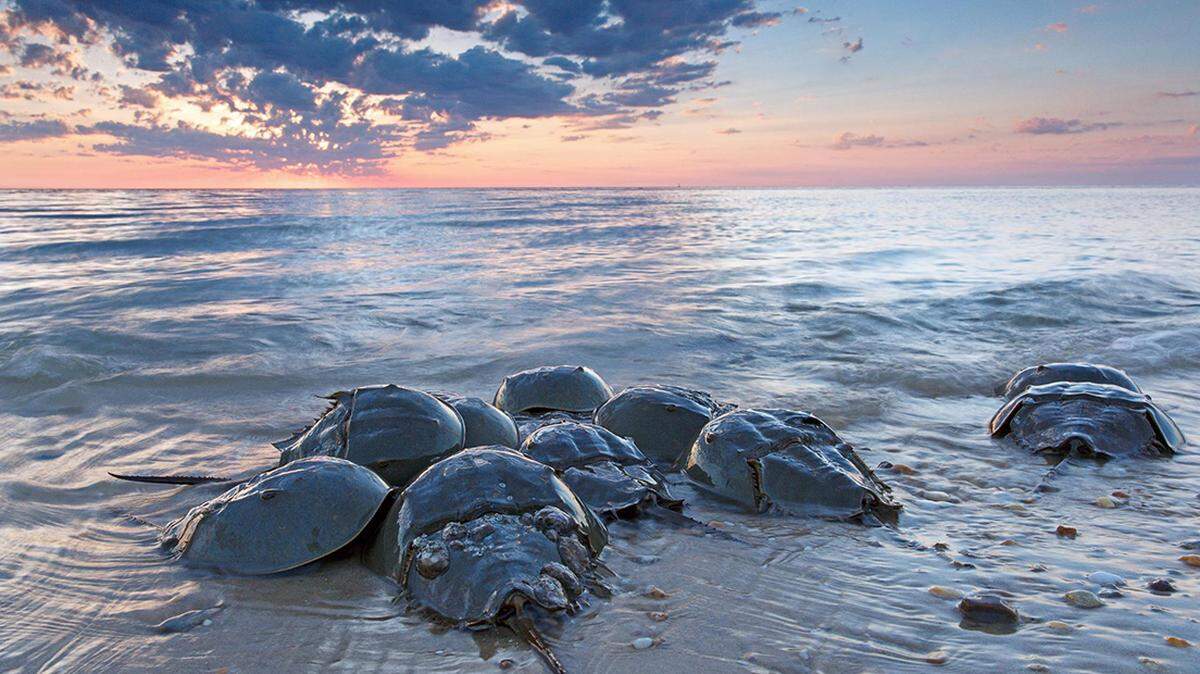
But in the end, the city granted Charles River the permit. So in a few weeks, when the May moon is full, the tide is high and the horseshoe crabs are mating, the blue blood harvest will continue only barely interrupted — in South Carolina and beyond.
This story was originally published May 6, 2022 at 6:00 AM with the headline "South Carolina restricted the horseshoe crab harvest. The lab moved north for more blood.."
%20(1).jpg)