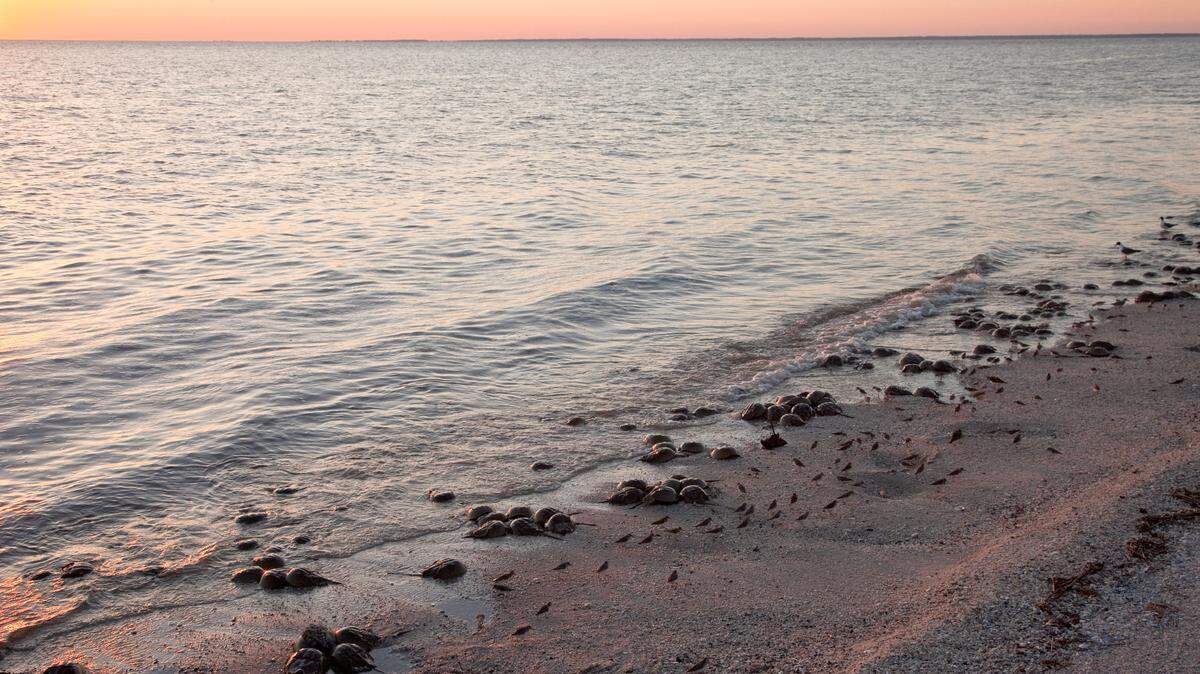
‘The refuge is closed’: Permits to be required for Cape Romain horseshoe crab harvest
READ MORE
Charles River Labs & the SC Horseshoe Crab Harvest
Blue blood from horseshoe crabs has helped make vaccines safe for years, but experts say the multinational company harvesting the crabs in South Carolina is misleading the public about its environmental impact and the synthetic alternatives that exist.
Expand All
For decades, the U.S. Fish and Wildlife Service has allowed fishermen working for pharmaceutical companies to harvest horseshoe crabs from the beaches and salt marshes that make up South Carolina’s Cape Romain National Wildlife Refuge without first conducting a review of how the harvest may be damaging wildlife, or requiring that fishermen apply for permits from the federal government.
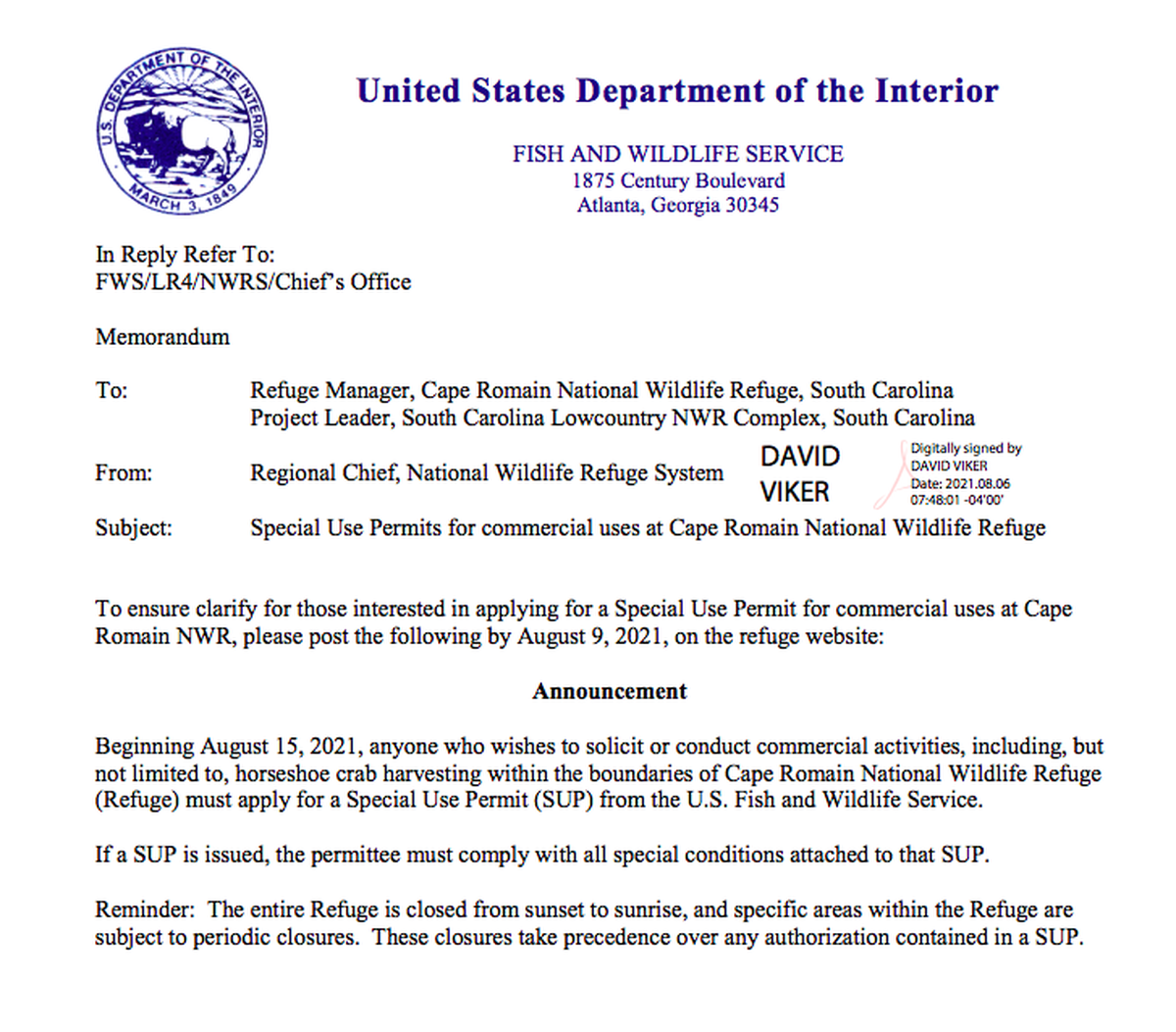
A six-line announcement signed by a regional chief of the agency and quietly published on the refuge’s website this week indicates that era is over: Starting Aug. 15, anyone wishing to use Cape Romain for commercial activities, including horseshoe crab harvesting, must apply for a permit.
“The refuge is closed,” said Catherine Wannamaker, an attorney for the Southern Environmental Law Center, explaining the significance of the memo which was posted quietly to the refuge’s website. “It is closed to commercial activities, and it’s closed to commercial horseshoe crabbing, as one of those commercial activities.”
If a harvester were to now request a permit to collect horseshoe crabs on Cape Romain, the government would first need to evaluate whether that activity is compatible with the purposes of the refuge and isn’t harmful to endangered species, said Lindsay Dubin, an attorney for Defenders of Wildlife.
The change in policy comes 10 months after the two lawyers filed a lawsuit alleging the federal agency had not followed the law when it neglected its duty to protect the coastal sanctuary by allowing the harvest. Horseshoe crab collecting should be suspended until the agency evaluated how it could proceed in a way that no longer risked the refuge, lawyers then argued.
Because of the Service’s announcement, the groups believe the agency is no longer violating the rules. On Aug. 10, the attorneys filed a request for the court to dismiss the lawsuit, since the government had voluntarily done much of what they had originally brought forward in their complaint.
“We’re absolutely thrilled,” Dubin said. “As long as their compliance is thorough and meaningful and honest, we think it’s going to make a huge difference.”
Wannamaker predicts the Service’s new policy could have larger implications for the future of animals on Cape Romain, since she believes that horseshoe crab harvesting is not compatible with the purpose of the refuge.
Cape Romain was founded in 1932 to conserve habitat for the migratory birds and resident species that live in the 66,000 acres of wild islands and waterways located north of Charleston, and its purpose has since expanded to include managing for endangered and threatened species use the space.
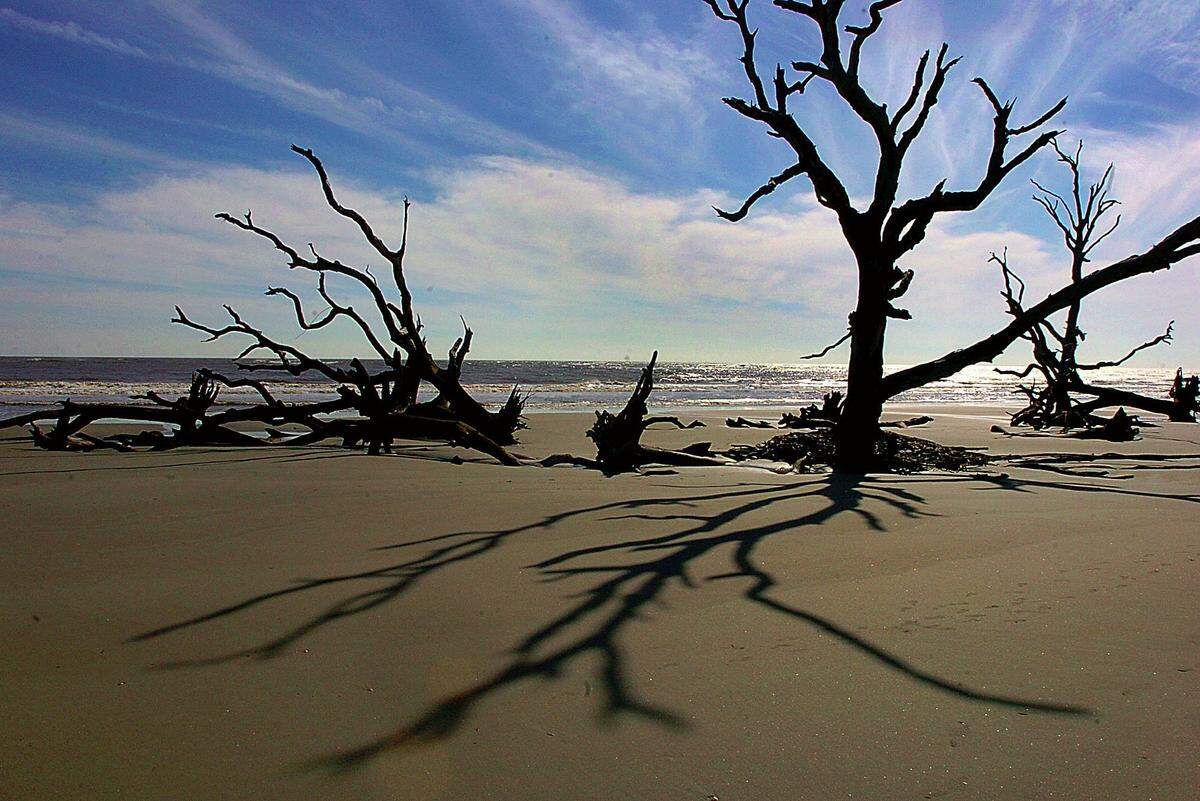
The pharmaceutical industry that bleeds horseshoe crabs is unnecessarily harmful to some of those animals, conservationists say.
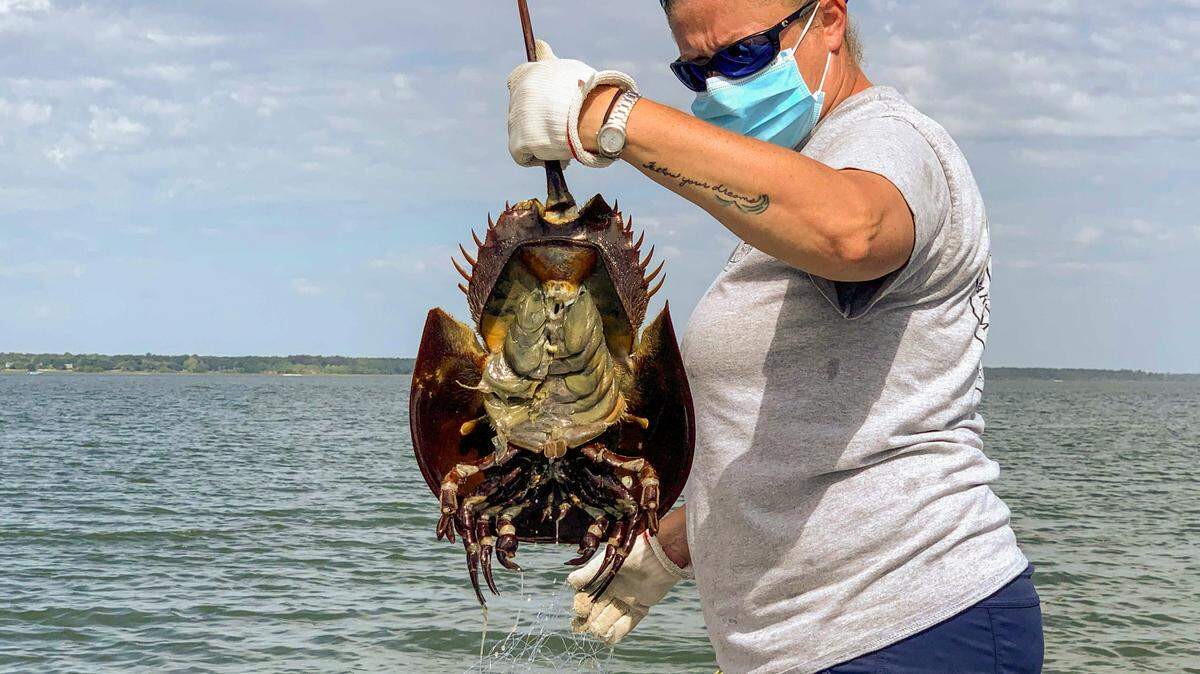
Charles River Laboratories, an international biomedical company worth over $20 billion and based in Massachusetts, is the only company allowed to purchase horseshoe crabs in South Carolina. Fishermen who work for the lab collect the animals from spots across the Lowcountry near Edisto, Hilton Head and Lady’s Island, in addition to locations in Cape Romain. Once they deliver the crabs to the lab’s facilities in Charleston’s West Ashley neighborhood, technicians may drain them of more than half of their volume of blue blood. The liquid is then processed and sold to other pharmaceutical companies to use when testing vaccines and medical devices for contamination.
But it isn’t the only testing method available. A synthetic alternative, called recombinant Factor C, has been approved as an equivalent to the useful ingredient in horseshoe crab blood in Europe and Asia, and companies in the U.S. are allowed by the FDA to use the synthetic for contamination testing purposes if they seek permission.
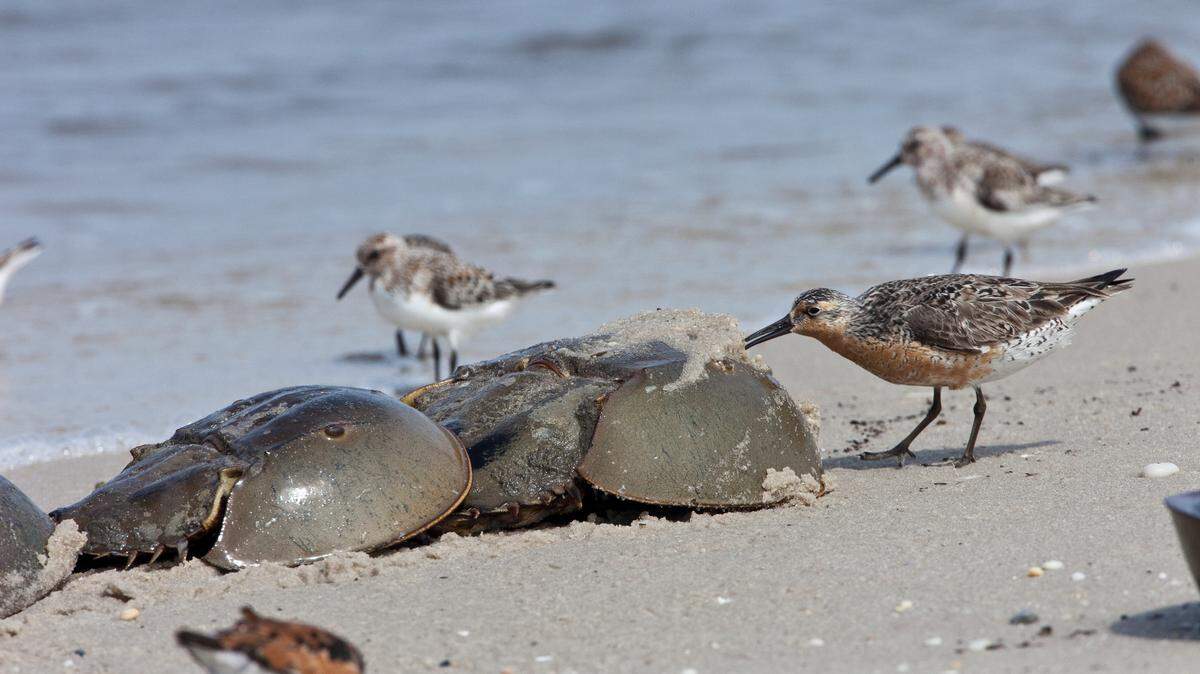
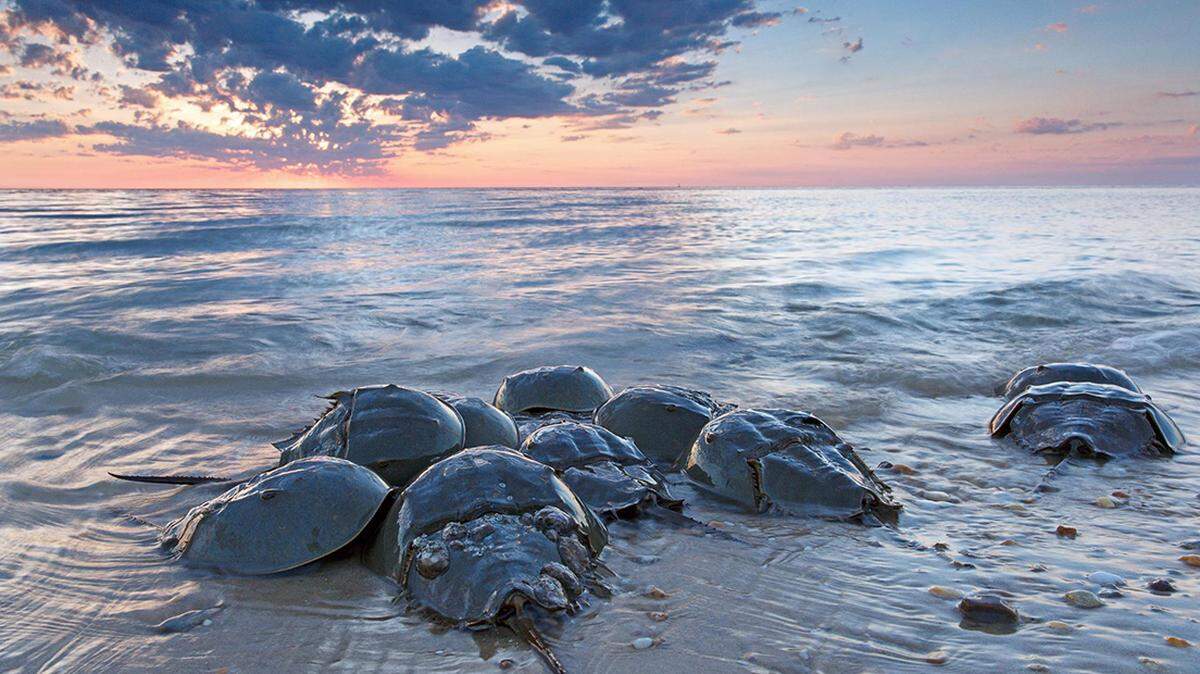
With the old method, a fifth of female crabs die after they are returned to the ocean upon being bled in Charleston, an S.C. Department of Natural Resources study found. And taking the crabs from beaches while they are spawning endangers Red Knots, a threatened migratory shorebird, some experts believe. Flocks of the rare birds stop in South Carolina to feed on horseshoe crab eggs laid in Cape Romain and other spots each spring, though the numbers of visiting shorebirds are dwindling, scientists and birdwatchers have said.
“The general consensus is that horseshoe crab spawning on beaches is practically nonexistent compared to what it used to be on beaches and offshore islands, where we’ve seen hundreds of horseshoe crabs coming to spawn,” said Nolan Schillerstrom, an associate at Audubon South Carolina in touch with about 60 volunteers who tracked the activity this year. “We’re also seeing the shorebirds not flocking to these feeding areas because the food’s just not available.”
Among the 55 reports of horseshoe crabs submitted to the S.C. Department of Natural Resources by citizens this spring, when horseshoe crabs typically congregate on beaches to mate, the majority were sightings of five or fewer crabs, confirmed Erin Weeks, a spokeswoman for the agency.
A spokeswoman for the U.S. Fish and Wildlife Service did not immediately provide a comment regarding its announcement.
Though the federal agency has never before required that horseshoe crab harvesters obtain permits to work on Cape Romain, this is not the first time the Service has attempted to curtail harvesters for Charles River.
In February, The State published an investigation that revealed for the first time that Charles River knew as early as 2014 that harvesters were illegally taking horseshoe crabs from off-limits islands on the refuge. That year, a manager of Cape Romain sent a letter informing Charles River that harvesters were in “direct violation” of regulations regarding not collecting on specific islands set aside for nesting birds.
And the newspaper showed that for years, the company had presented information to the public about the harvest that experts said was misleading and sometimes inaccurate. Charles River had an outsized influence on the agencies charged with regulating it, including a $15 million lease agreement with the S.C. Department of Natural Resources, the agency that until now has been the only entity issuing permits to those involved with the industry in South Carolina.
S.C. Judge Bruce Hendricks ordered in May that the harvest should be banned while the lawsuit initiated by the two environmental nonprofits continued, a decision that indicated she agreed that evidence demonstrated that if the commercial activity were allowed to proceed, it could cause irreparable harm to animals on the refuge. Nine days later, after Charles River appealed Hendricks’ decision in a second court, a federal judge there reversed the previous order, permitting the harvest to continue again. The Service and the S.C. Attorney General’s office have also since appealed.
Representatives from Charles River did not immediately respond to a request for comment about how the new policy to obtain commercial permits on Cape Romain would affect its business, though it has previously stated that it has done more to protect horseshoe crabs in South Carolina’s waterways than any other company. Those efforts have also supported “a healthy ecosystem for birds and other wildlife.”
But for birdwatchers in South Carolina who observed a different reality, “it never really hurts any less to see that red knots again this year have declined by a significant amount and that horseshoe crabs aren’t coming back,” said Schillerstrom.
Still, it’s best to try to be resilient, he said — like the birds, who keep attempting to fly north each year. The new requirements on Cape Romain are a step in the right direction, he believes, as the animals urgently need protection.
This story was originally published August 11, 2021 at 2:11 PM with the headline "‘The refuge is closed’: Permits to be required for Cape Romain horseshoe crab harvest."
%20(1).jpg)