Starting July 1, NC faces a 10-year moratorium on offshore wind. That may not matter.
READ MORE
Renewable energy in North Carolina
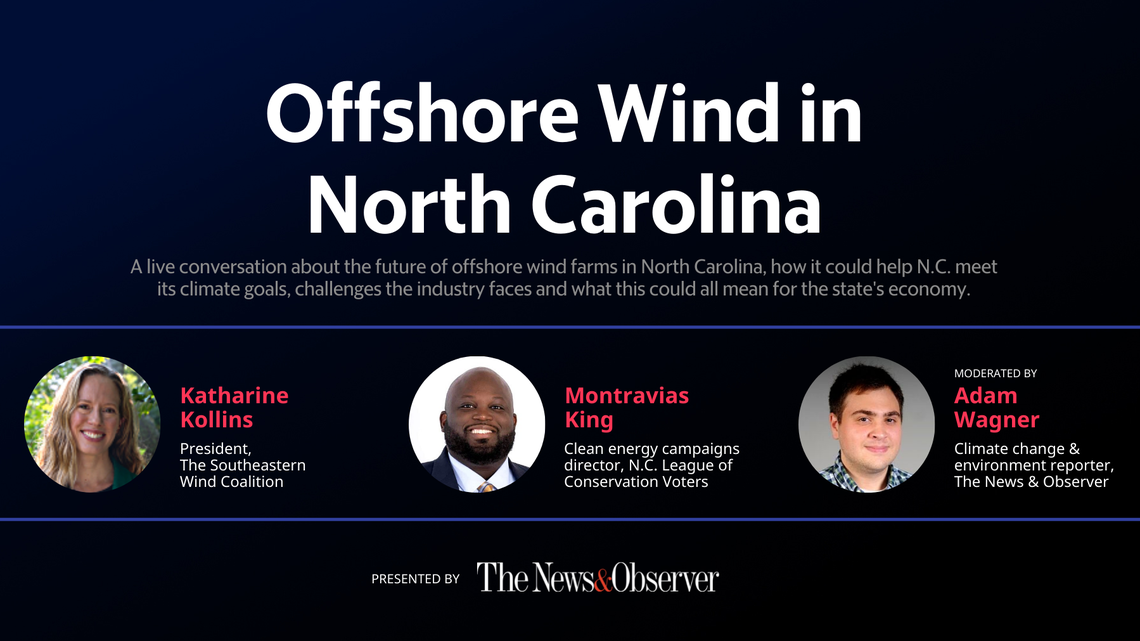
North Carolina has long been seen as one of the East Coast’s leaders for offshore wind potential. The state passed a law targeting carbon emissions, and offshore wind has become a main focus of renewable energy efforts. Could your home be powered by wind energy from the N.C. coast by the end of this decade? Learn about the potential impacts on the environment, jobs and much more in this special N&O report.
Expand All
As he sought re-election in the fall of 2020, then President Donald Trump promised North Carolina and three other Southeastern states with Republican senators a long-sought moratorium on leases that would allow drilling for oil and natural gas off their coasts.
Once Trump actually issued memorandums enacting the 10-year moratorium, it quickly became clear that they also extended to leases covering offshore wind development.
Sierra Weaver, a Southern Environmental Law Center attorney who has opposed offshore drilling, said the moratorium was focused on the Outer Continental Shelf Lands Act, affecting both wind and oil and gas drilling. She said, “At the time, when (Trump) was talking about it publicly, he spoke only about offshore drilling. There was no mention of wind at all,”
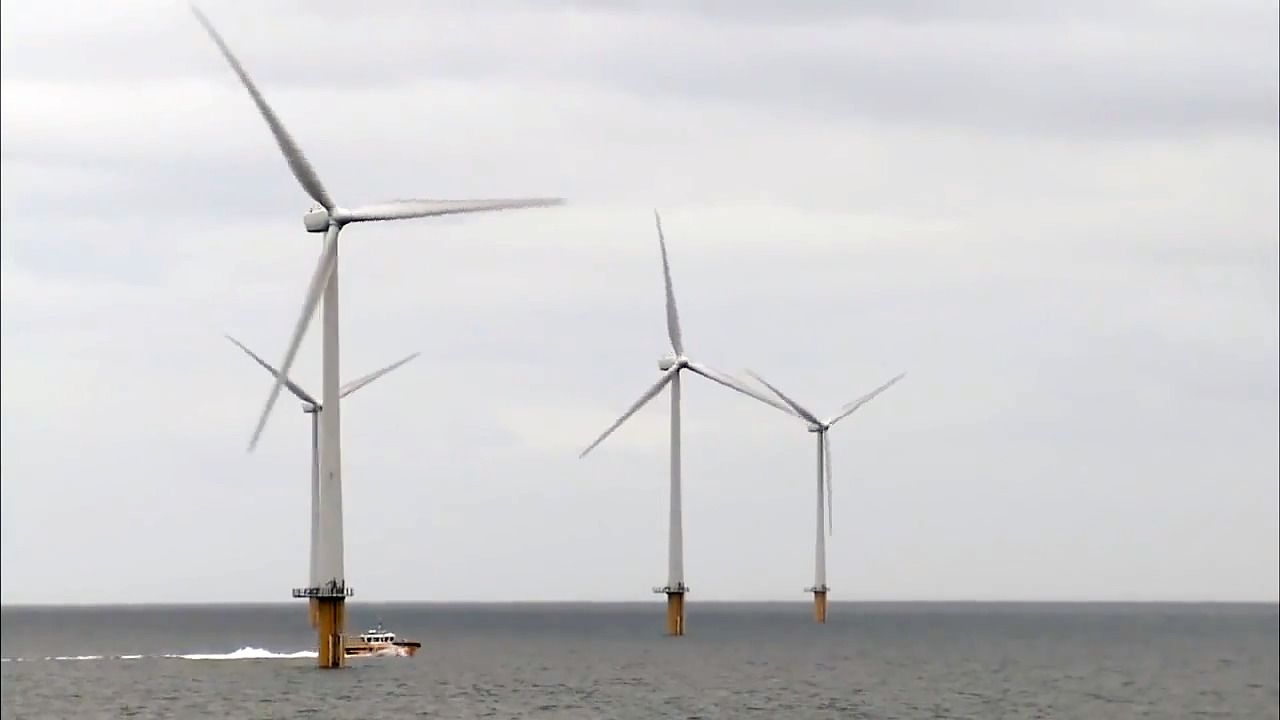
A proposed lease of 127,865 acres off of Bald Head Island is expected to happen before the moratorium takes effect on July 1, 2022, but it could be the last off North Carolina’s coast for a decade — a period that could be pivotal in the state’s effort to transition its energy sources away from coal and natural gas.
“It would be a tremendous setback to coastal states that are affected by that moratorium, including North Carolina, to essentially press the pause button for a decade on wind energy development that could bring jobs and help the environment and help us get to a clean energy future,” said Chris Carnevale, the Southern Alliance for Clean Energy’s climate advocacy director.
Legislation is required to overturn the Trump-era moratorium. Trump tried to use similar executive action to overturn a permanent Obama-era moratorium on oil and natural gas drilling off of the Alaskan coast. Courts ruled that the law gives the president the power to enact but not overturn moratoriums.
So far, efforts to limit the moratorium’s scope to oil and natural gas have stalled. Those efforts include legislation introduced last year by U.S. Rep. Deborah Ross, a Wake County Democrat, who also worked to have a similar provision included in the Build Back Better Act.
“But no matter what happens with Build Back Better, I see multiple paths forward for overturning the offshore wind leasing moratorium off the North Carolina coast,” Ross said in a written statement. “I am pursuing all available options to create new jobs and get more affordable, clean electricity for North Carolina,” Ross said she regularly communicates with House leadership and the Natural Resources Committee about the moratorium.
Not everyone following the issue sees the moratorium as a catastrophe for offshore wind.
While the moratorium is in effect, the U.S. Bureau of Ocean Energy Management, which oversees the leasing process, can identify potential areas for wind farms off of the North Carolina coast. That would let the federal government check those parts of the Atlantic to see if there’s conflict with fisheries, the military or shipping lanes.
“Within that 10 year period BOEM can and I think has every intention of continuing that identification process, the permitting process, but they cannot issue an actual lease,” said Katharine Kollins, president of the Southeastern Wind Coalition, an industry trade group.
In December 2021, BOEM announced that it is considering several new lease areas in a wide swath of the Atlantic Ocean from the Delmarva Peninsula in the north to Cape Hatteras in the south.
A BOEM spokesman said the agency plans to gather information like identifying marine resources in potential lease areas and working to understand how the ocean is used in those regions. But, he wrote, BOEM would not conduct biological surveys or propose lease sales for areas that are under a moratorium.
Potential wind energy sites take years to reach the leasing stage. The Kitty Hawk Wind Energy Area was first identified in December 2012 and leased at a March 2017 auction, with the first stages of construction scheduled for 2024 at the earliest.
With 2.5 gigawatts of potential wind energy off of Kitty Hawk and 1.5 gigawatts in the lease area off of Bald Head, North Carolina could generate as much as four gigawatts of wind energy.
Wind energy generated off of North Carolina but used in Virginia, like at the Kitty Hawk site, could count against wind energy targets in both states, according to BOEM. Virginia’s is focused on using energy generated from offshore wind while North Carolina’s goal focuses on generating offshore wind.
Depending on their development, the two North Carolina wind lease areas could be enough to meet the goal set in Gov. Roy Cooper’s Executive Order 218 of 2.8 gigawatts of energy from offshore wind by 2030. But the two sites do not have enough potential to reach the goal of 8 gigawatts by 2040.
The best-case scenario for wind energy off of North Carolina, Kollins said, is a repeal of the moratorium.
“(There’s) certainly a good bit of bipartisan interest in removing the moratorium,” Kollins said, “and we’re hopeful that that will happen.”
This story was produced with financial support from 1Earth Fund, in partnership with Journalism Funding Partners, as part of an independent journalism fellowship program. The N&O maintains full editorial control of the work.
This story was originally published February 9, 2022 at 5:00 AM with the headline "Starting July 1, NC faces a 10-year moratorium on offshore wind. That may not matter.."