Offshore wind is coming. NC tourism, fishing industries try to make sure it won’t hurt.
READ MORE
Renewable energy in North Carolina
North Carolina has long been seen as one of the East Coast’s leaders for offshore wind potential. The state passed a law targeting carbon emissions, and offshore wind has become a main focus of renewable energy efforts. Could your home be powered by wind energy from the N.C. coast by the end of this decade? Learn about the potential impacts on the environment, jobs and much more in this special N&O report.
Expand All
From the top of Old Baldy Lighthouse, the Atlantic Ocean stretches for miles and miles, an unobstructed view so perfect that thousands of people drive to the southeastern tip of Brunswick County and take a ferry each year just to take it in.
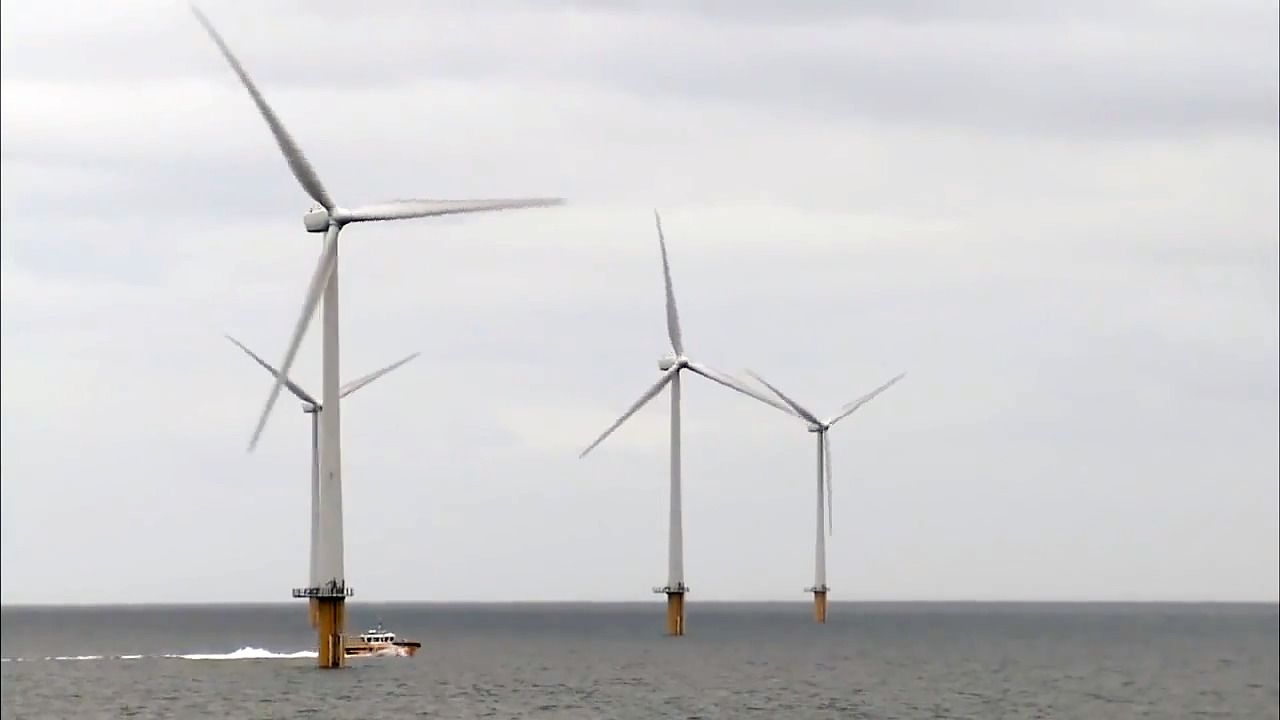
Since 2015, leaders of the Village of Bald Head Island have worried that a lease of the Wilmington East Wind Energy Area 15 nautical miles off their coast would mean turbines poking up from the horizon, spoiling this pristine view. They’ve called for the U.S. Bureau of Ocean Energy Management to push the proposed area, which is expected to be leased this year, further offshore.
“Being an oceanfront community, the concern that we have is the visual impact, and in similar situations, like at Kitty Hawk, BOEM took their comments to heart and moved the proposed area at least 24 miles off the coast to make sure that the visual impact was negligible,” said Peter Quinn, Bald Head Island’s mayor. The 122,405-acre Kitty Hawk site has already been leased. Other Brunswick County beach towns and the county government have also called for the Bald Head project to be pushed further out.
North Carolina’s coast has two major industries: A tourism industry that was worth more than $4 billion in the state’s eight oceanfront counties in 2020 and a commercial fishing industry. Now, proponents of offshore wind have to prove that this new industry can at least coexist with, if not benefit, the industries that have called the coast home for generations.
Wind energy supporters recognize that like anything new, offshore wind comes with uncertainties and that uncertainties can lead to opposition.
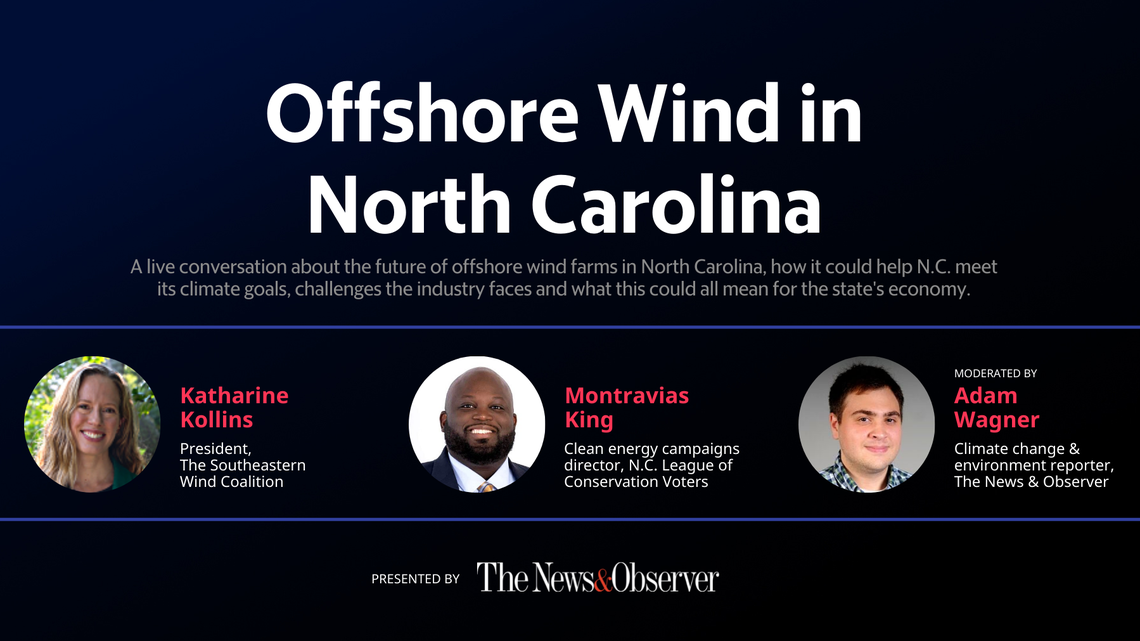
“Visual concerns are legitimate, especially when you’re uncertain as to what exactly something’s going to look like,” said Katharine Kollins, president of the Southeastern Wind Coalition.
There is precedent for concerns about the view from the shore shrinking the area open to offshore wind leases off of North Carolina. In 2014, BOEM significantly reduced the area available off of Kitty Hawk, responding to requests from the Town of Kitty Hawk that no turbine be within 20 nautical miles of the coast and from the National Park Service that there be no development within 33.7 nautical miles of Bodie Island Lighthouse.
Kollins’ group is one of several in the Offshore Wind for North Carolina Coalition, which prepared visualizations showing what a completed Wilmington East project would look like from the coast. It was scheduled to present them in Southport on Jan. 28.
“I think once people see these, they’ll realize it’s nothing like what they had envisioned and most people recognize that although there is a potential visual impact that it’s not the impact they had envisioned and that it’s absolutely something they can live with,” Kollins said.
‘A matter of my livelihood’ for fishermen
North Carolina’s commercial fishermen caught $77.4 million worth of fish in 2020, according to the N.C. Department of Marine Fisheries. That haul includes everything Dewey Hemilright brought in on the 42-foot vessel he captains out of Wanchese.
Hemilright has closely monitored offshore wind leasing in the waters off of North Carolina’s coast, primarily out of concern that their construction could limit the access he and other fishermen have to valuable parts of the ocean.
“Once the land got leased, it isn’t my opinion on what I think about offshore wind or not. It’s a matter of my livelihood: Am I going to be able to continue fishing in that area or around it?” said Hemilright, who works as a commercial fisheries representative for the Kitty Hawk Wind project.
In that role, Hemilright answers questions for Avangrid about fishermen the company might encounter in or around the lease area
Hemilright said the Kitty Hawk wind area will have minimal impact on North Carolina’s commercial fleet. In decades on the water, he has never known it to be heavily fished.
“This area out here particularly is more of a pass-through area than a known going-to fishing area,” Hemilright said.
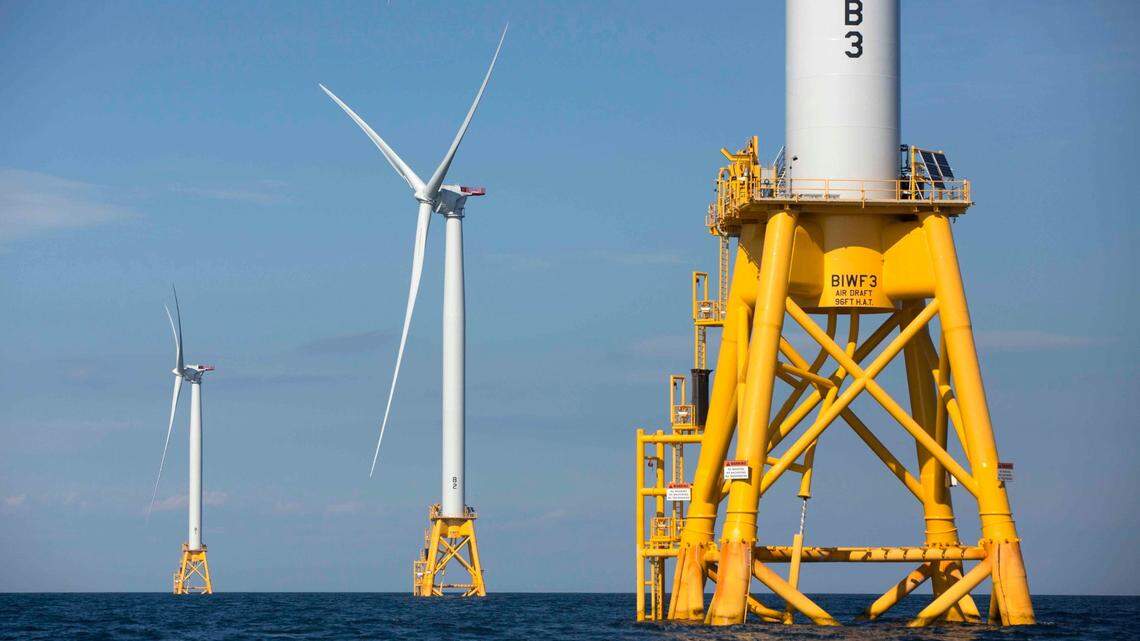
As with viewshed concerns, supporters of offshore wind say they want to hear from commercial fishermen and consider their needs. Wind developers in New England agreed to space their turbines a mile apart to make it easier for boats to pass between them, something that is also seen in the proposed construction plan off of Kitty Hawk.
In New England, concerns about wind’s impact on commercial fisheries have mounted, including a lawsuit alleging that the federal government failed to adequately consider wind energy’s impact on the industry when approving a wind farm off of Martha’s Vineyard. But, WBUR reported, the area around the Block Island Wind Farm off of Rhode Island has become popular with recreational fishermen.
Montravias King, the N.C. League of Conservation Voters’ clean energy campaigns director, said those in favor of offshore wind need to listen to the concerns of people who are worried about it, even if it means holding construction up for a period of time or providing alternatives to people whose way of life is challenged.
“We should not be dismissive of our coastal communities,” King said. “This is somebody’s way of life. Period.”
‘Too close’ to Bald Head Island?
Quinn, Bald Head’s mayor, said the village is not opposed to offshore wind but simply wants to make sure that it isn’t visible from the coast. In that, Bald Head could have a key ally: Duke Energy.
The Charlotte-based energy giant is considering bidding for the Wilmington East Wind Energy Area and, in a comment letter to BOEM, backed local officials’ stance that the turbines are too close to the coast.
BOEM is proposing splitting Wilmington East’s 127,865 acres into three separate leases, saying that a 2015 environmental assessment was so conservative that it more than covers the impact of any increase in vessel traffic and that multiple cables could run through one corridor. BOEM also makes clear that a lease is not the end of the process, with companies still having to submit a construction and operations plan, as well as an in-depth environmental assessment.
Duke argues that leasing the Wilmington East site would allow the top bidder to develop the site at the lowest possible cost due to economies of scale and by cutting down on the number of trips it takes to build the wind farm. The Kitty Hawk site was leased as a single wind energy area, but will be developed in stages.
Regis Repko, Duke’s senior vice president of generation and transmission market transformation, said, “In order for the Wilmington East Wind Energy Area to be cost-efficient for our customers as well as environmentally sustainable and mitigate potential viewshed concerns of our coastal communities, the site should be auctioned as a single lease area and be further offshore: 15 nautical miles is too close.”
A BOEM spokesman said the agency is reviewing feedback and expects to issue a Final Sale Notice for Wilmington East “in the coming months.” An auction for the right to develop Wilmington East would take place at least a month after that notice is published.
This story was produced with financial support from 1Earth Fund, in partnership with Journalism Funding Partners, as part of an independent journalism fellowship program. The N&O maintains full editorial control of the work.
This story was originally published February 9, 2022 at 5:00 AM with the headline "Offshore wind is coming. NC tourism, fishing industries try to make sure it won’t hurt.."