The three critical moments that gave Nikole Hannah-Jones the clarity to turn down UNC
READ MORE
The hire and the fury: Nikole Hannah-Jones at UNC
Read all of The News & Observer’s coverage of the University of North Carolina’s decision to hire the Pulitzer Prize-winning New York Times journalist and the controversy that ensued.
Expand All
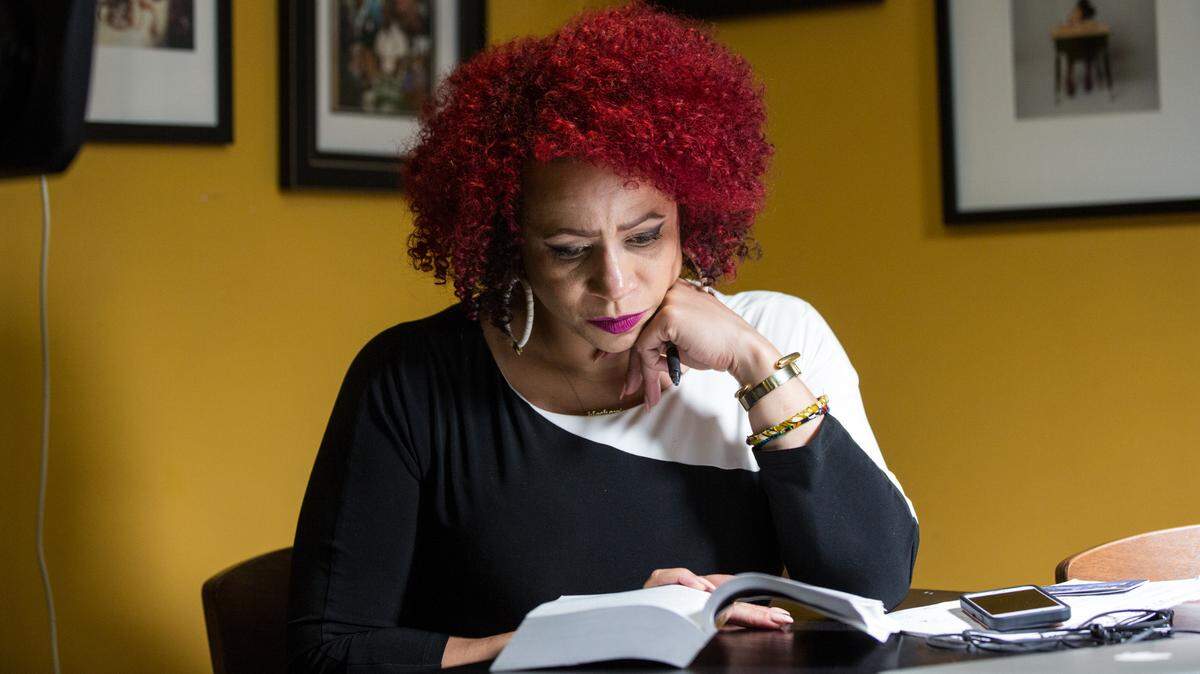
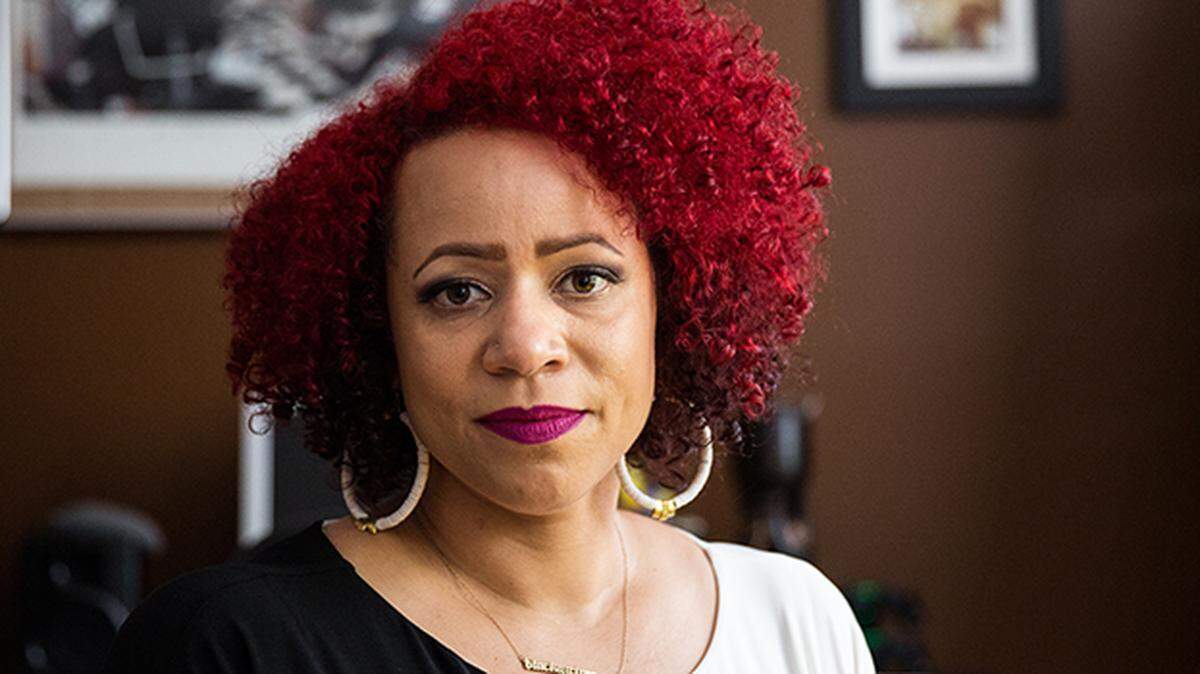
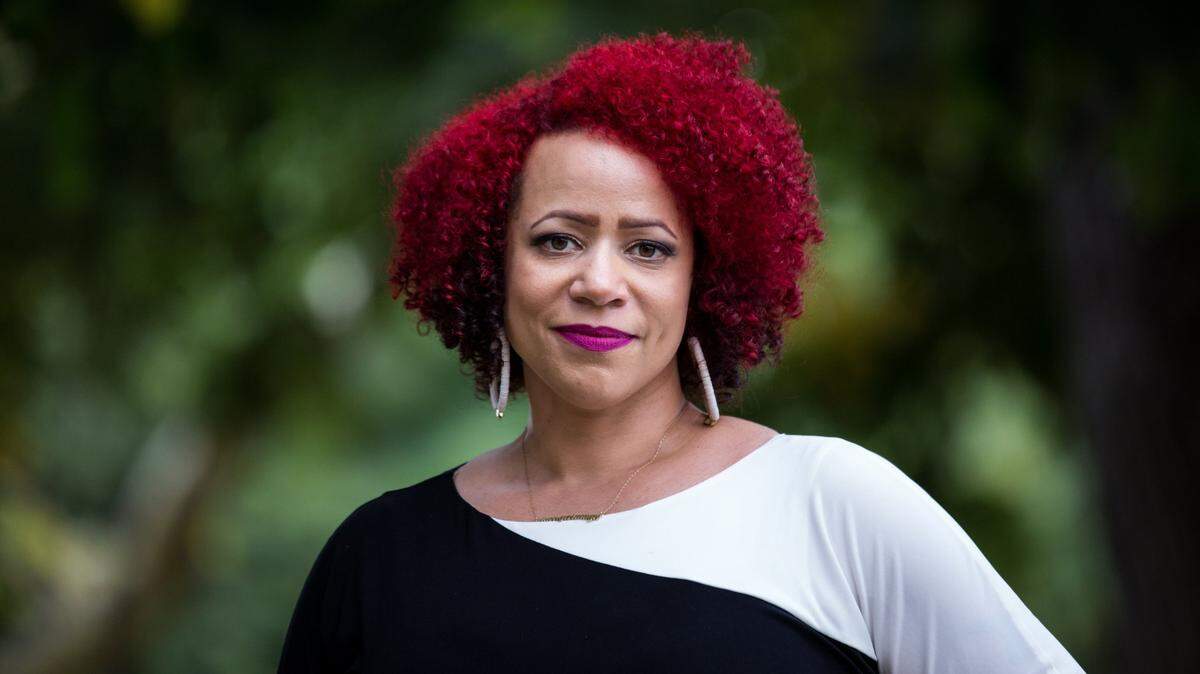
Journalist Nikole Hannah-Jones has felt nearly every emotion over the past few months — embarrassment, sadness, anger, frustration and confusion. But in recent days, after she turned down UNC-Chapel Hill’s tenured Knight Chair position, she said she was “intensely happy.”
“I feel like I’m living my purpose,” said Hannah-Jones, who will instead be the inaugural Knight Chair at Howard University, an historically Black university.
And looking back on the events of the past several weeks, Hannah-Jones points to three critical moments in which she knew that her original plan — teaching students at UNC-CH, her graduate school alma mater — was not going to work out.
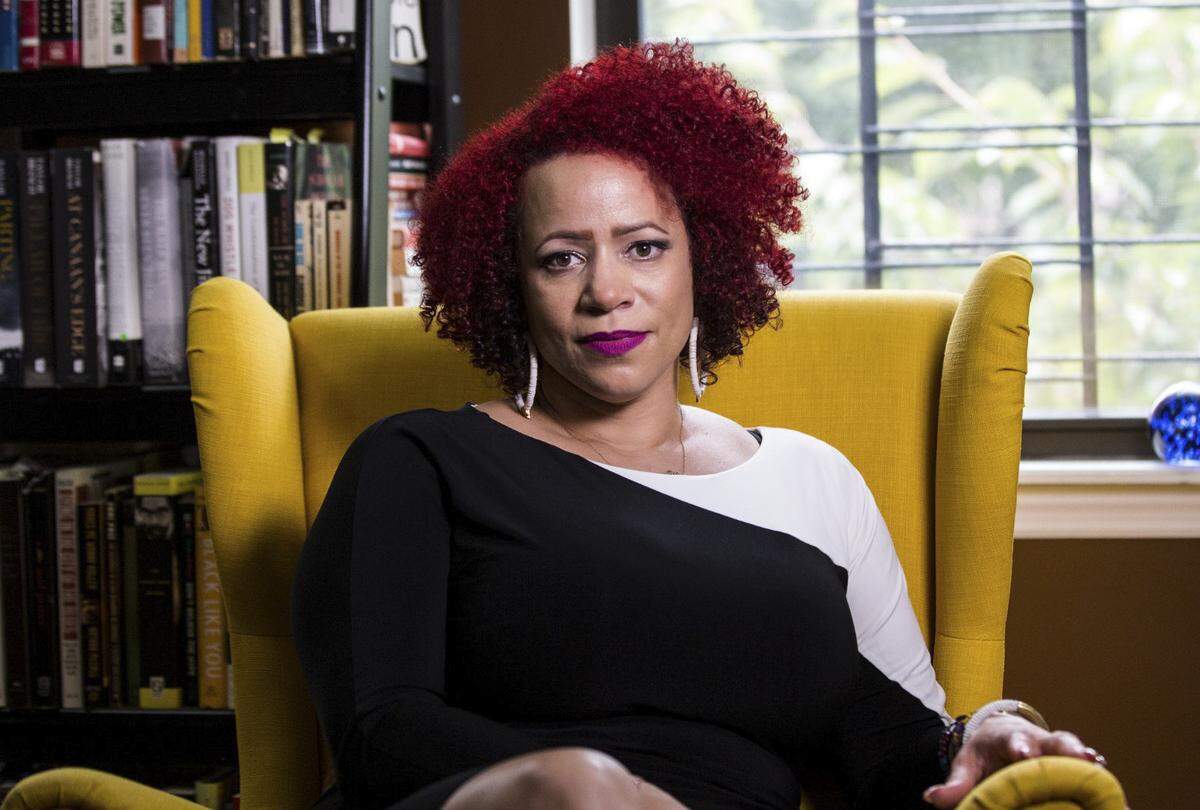
Hannah-Jones, a Black woman, is a Pulitzer Prize-winning journalist for The New York Times who has been recognized for her work on The 1619 Project, which explores the legacy of slavery in America. She has won a MacArthur Genius Award, a George Polk Award, a Peabody Award and was recently inducted into the North Carolina Media & Journalism Hall of Fame by UNC-CH.
She was set to join UNC-CH’s faculty on July 1 as the Knight Chair for Race and Investigative Journalism. But she was not originally given tenure for the position, as other previous Knight Chairs at Carolina have.
A missed deadline, and no word from UNC
Hannah-Jones said she started getting recruiting calls from other universities the day the news broke in May that UNC-CH trustees had delayed taking a vote on her tenure appointment. It was first reported by NC Policy Watch.
At the time, she wasn’t considering those options because she really wasn’t looking for another job — or one in academia.
But about a week later, Hannah-Jones and a team of lawyers threatened a federal discrimination lawsuit against the university. They gave UNC-CH a deadline of June 4 for the trustees to vote on her tenure, leaving them a week to set up a meeting.
The decision was in the hands of trustees, who had also been given an official re-submission of her tenure package.
But that June 4 date came and went, and “we heard nothing from anyone,” Hannah-Jones said.
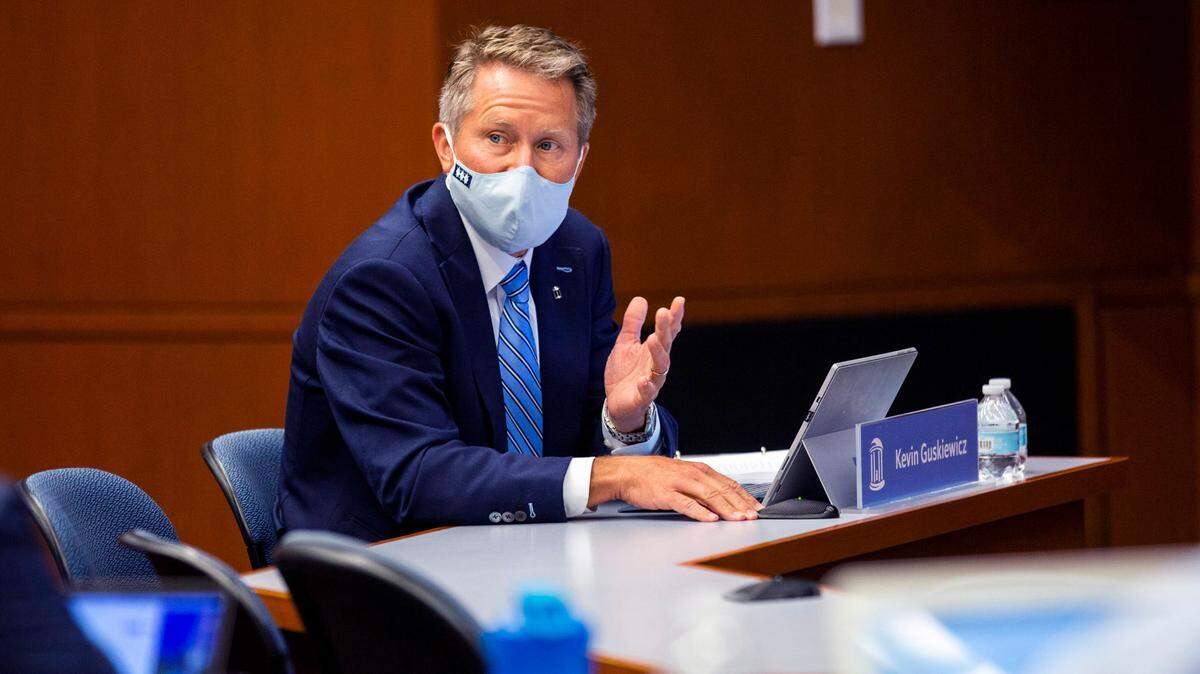
She said couldn’t believe UNC-CH Chancellor Kevin Guskiewicz or Provost Bob Blouin hadn’t reached out to her.
Last Tuesday evening, Hannah-Jones said she hadn’t heard from Guskiewicz in more than a month.
“It shows a severe failure of leadership,” she said. “I think it’s going to be very difficult to convince the faculty that they have an advocate for what is in the best interest of the university because of the utter silence of what has happened here.”
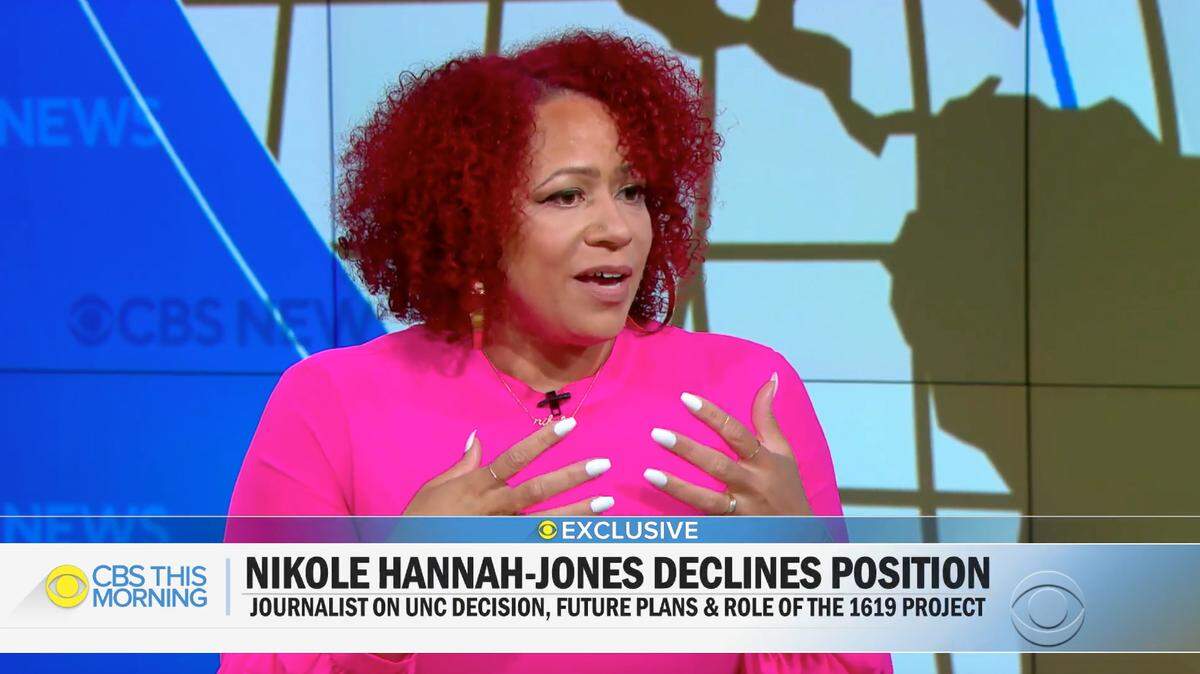
Hannah-Jones made the announcement she wasn’t coming to UNC-CH in a live interview on “CBS This Morning” shortly after 8 a.m. Tuesday. Late Tuesday afternoon, Guskiewicz issued a short statement that said, “I am disappointed that Nikole Hannah-Jones will not be joining our campus community as a member of our faculty. In my conversations with Nikole, I have told her I appreciated her passion for Carolina and her desire to teach on our campus. While I regret she won’t be coming to Chapel Hill, the students, faculty and staff of Howard University will benefit from her knowledge and expertise. We wish her the best.”
The continued criticism from the big donor
A second clarifying moment for Hannah-Jones was related to the reporting, first by The Assembly, that showed the extent to which Walter Hussman Jr. had expressed his concerns about her hire, she said.
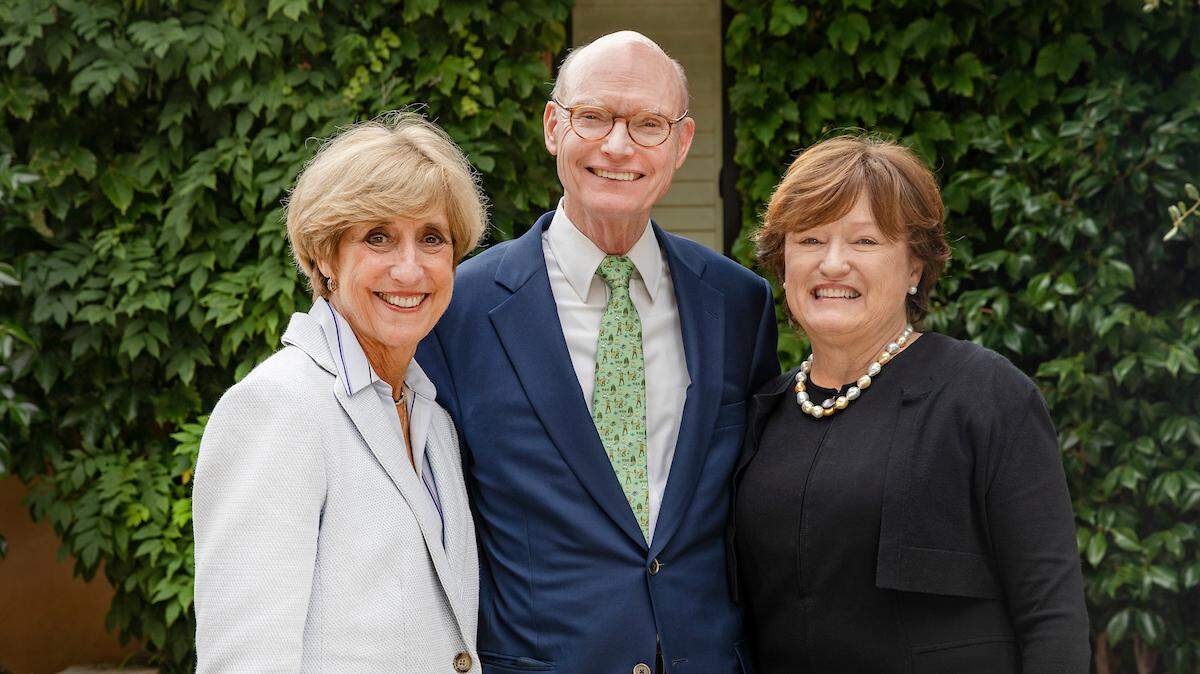
UNC-CH’s journalism school is named after Hussman, who pledged $25 million to the school in 2019.
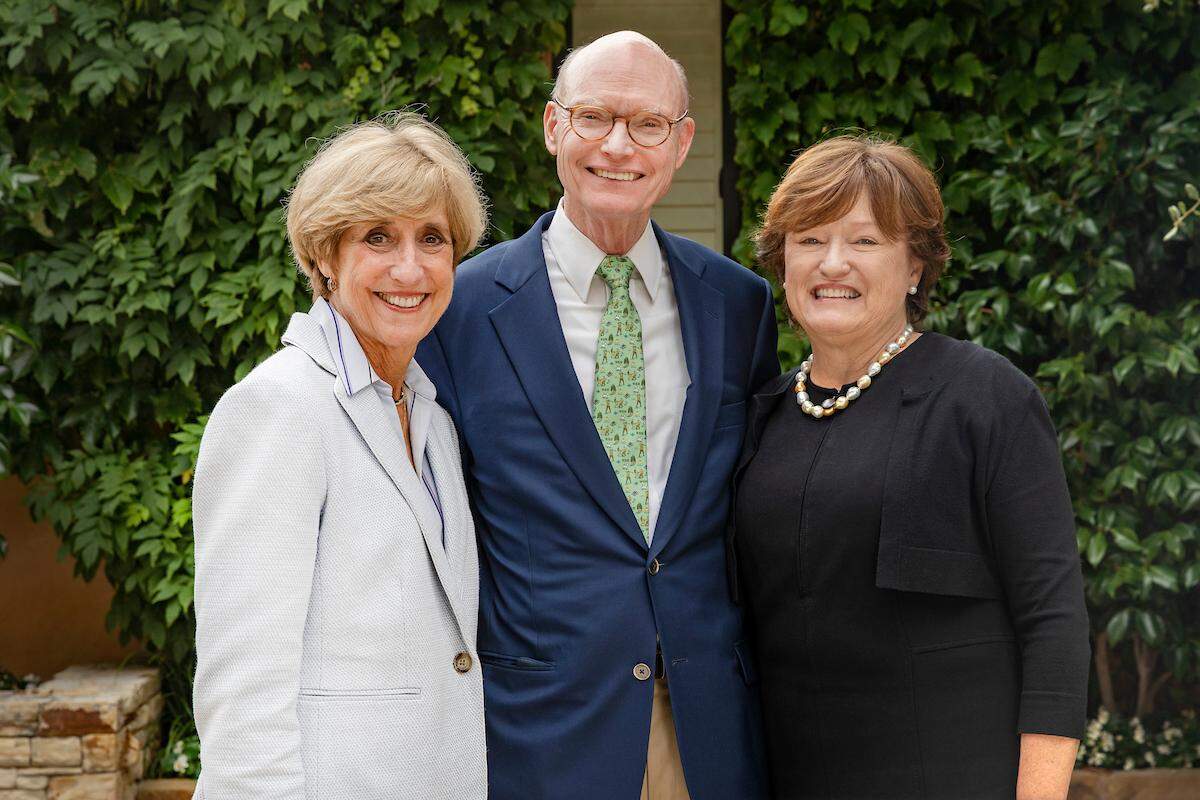
When Hussman learned last year that journalism school Dean Susan King was recruiting Hannah-Jones, he did some research and grew concerned with her work on The 1619 Project. He sent multiple emails to top university officials last year expressing his qualms with Hannah-Jones.
His concerns have not gone away, and he has continued to criticize her work.
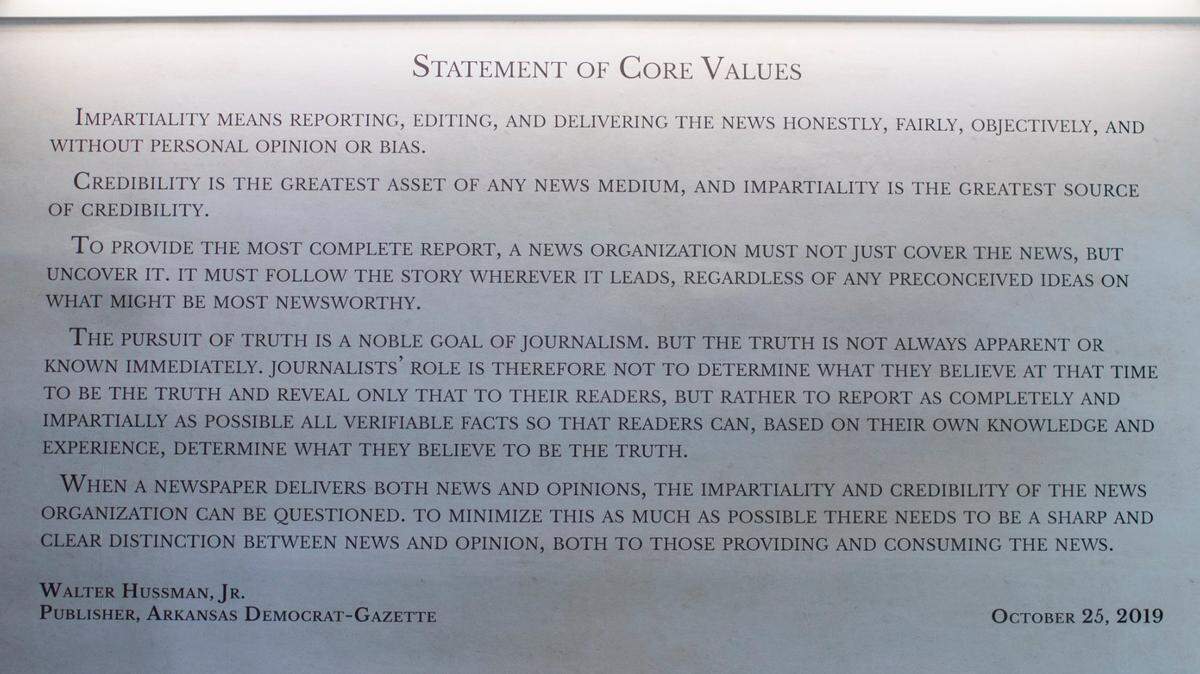
Hussman has claimed repeatedly that he did not lobby against her appointment or try to use his influence in this hire. In an emailed statement on Tuesday, he said, “I certainly haven’t used any influence on the ideology of the school; in fact, I strongly believe a school of Journalism should not have an ideology. Their job is to teach journalism, not ideology.”
But Hannah-Jones said that throughout the coverage of the tenure issue, Hussman did several interviews disparaging her as a professional and a person.
“It became clear to me at that point I couldn’t maintain my dignity and work for a school bearing his name,” Hannah-Jones said.
The final straw: How student protesters were treated
Still, Hannah-Jones said, she wasn’t completely set on turning down UNC-CH.
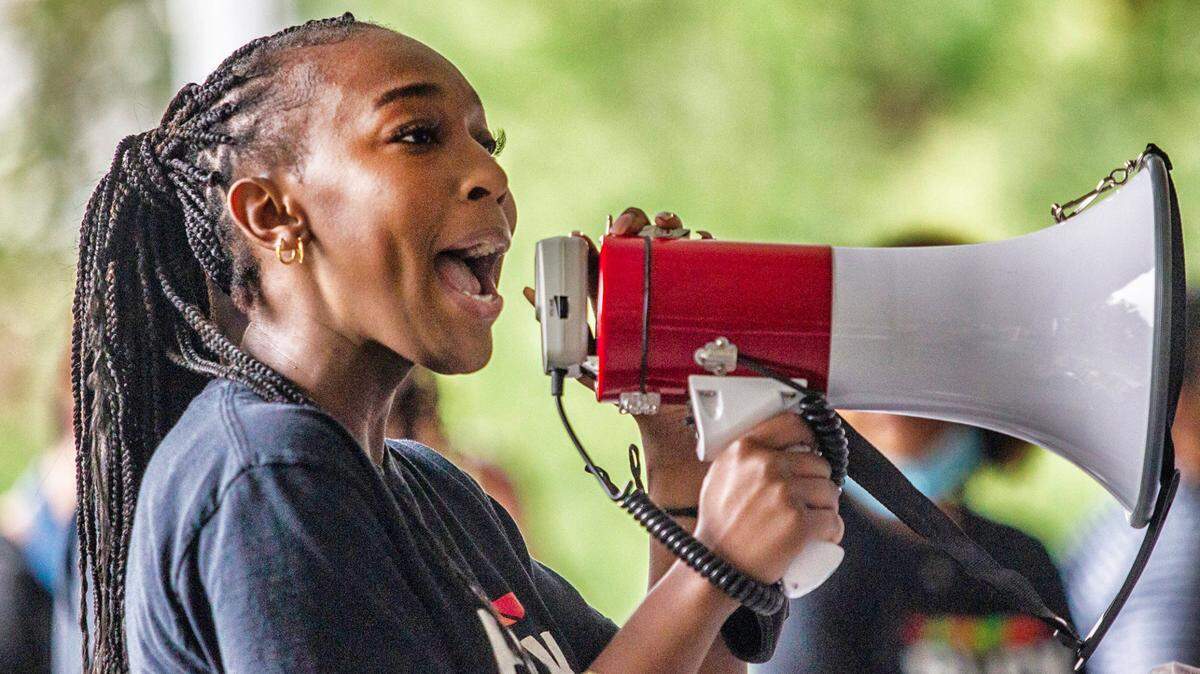
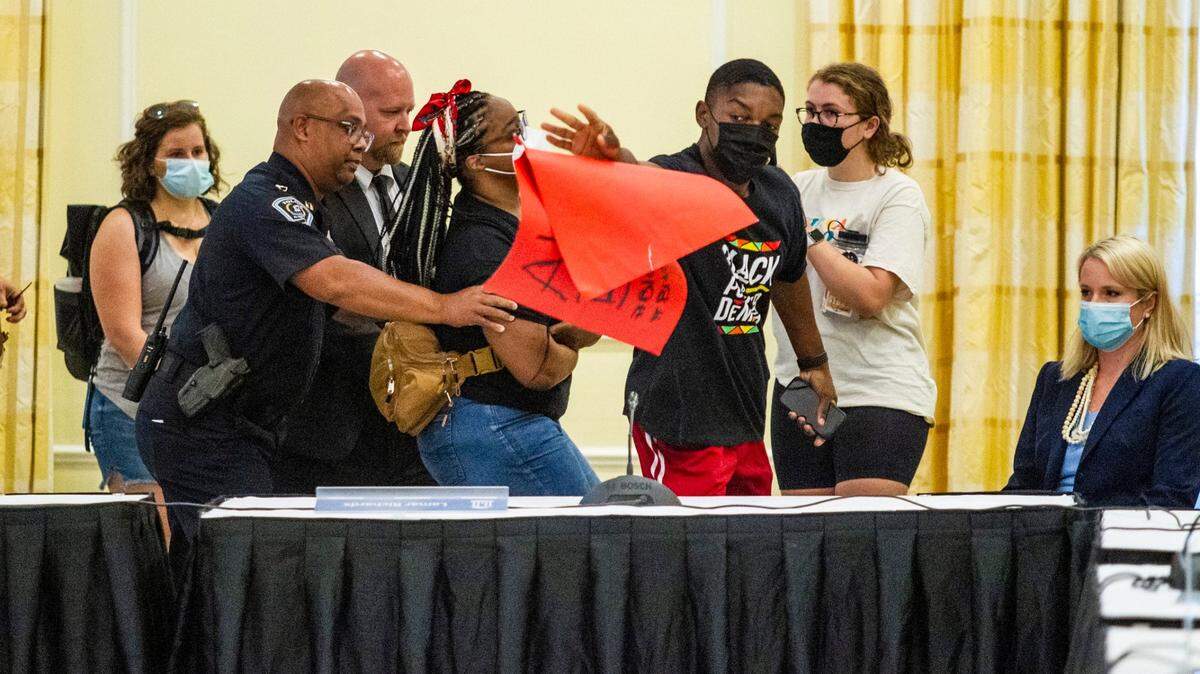
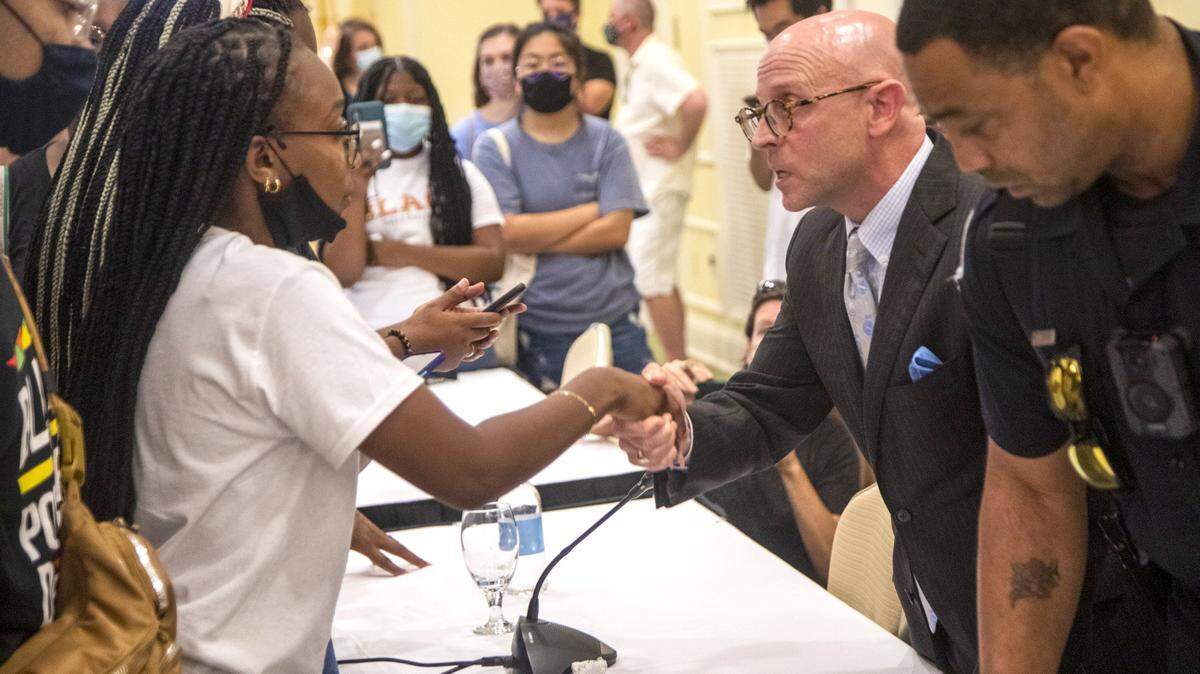
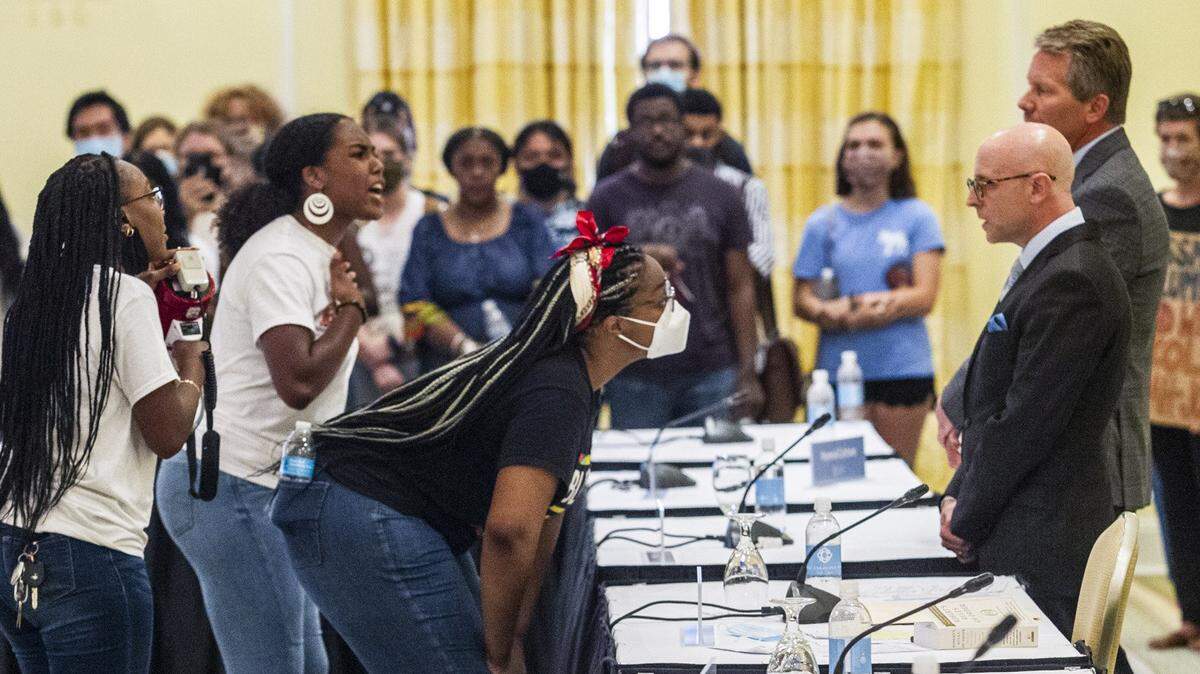
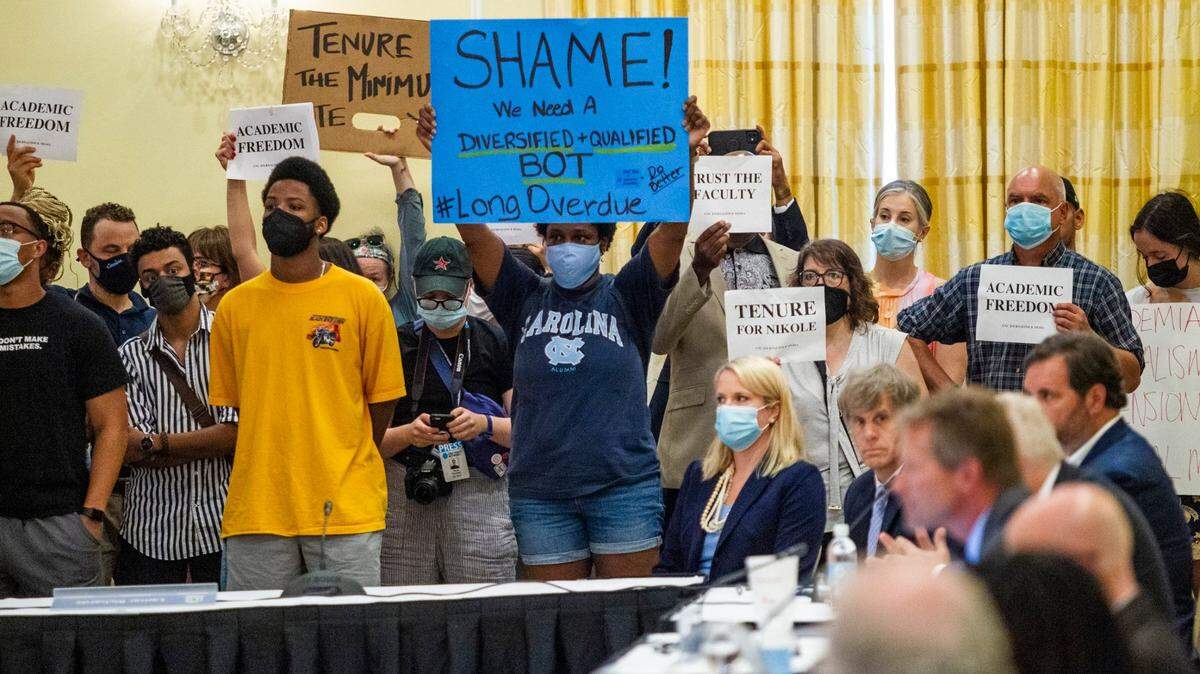
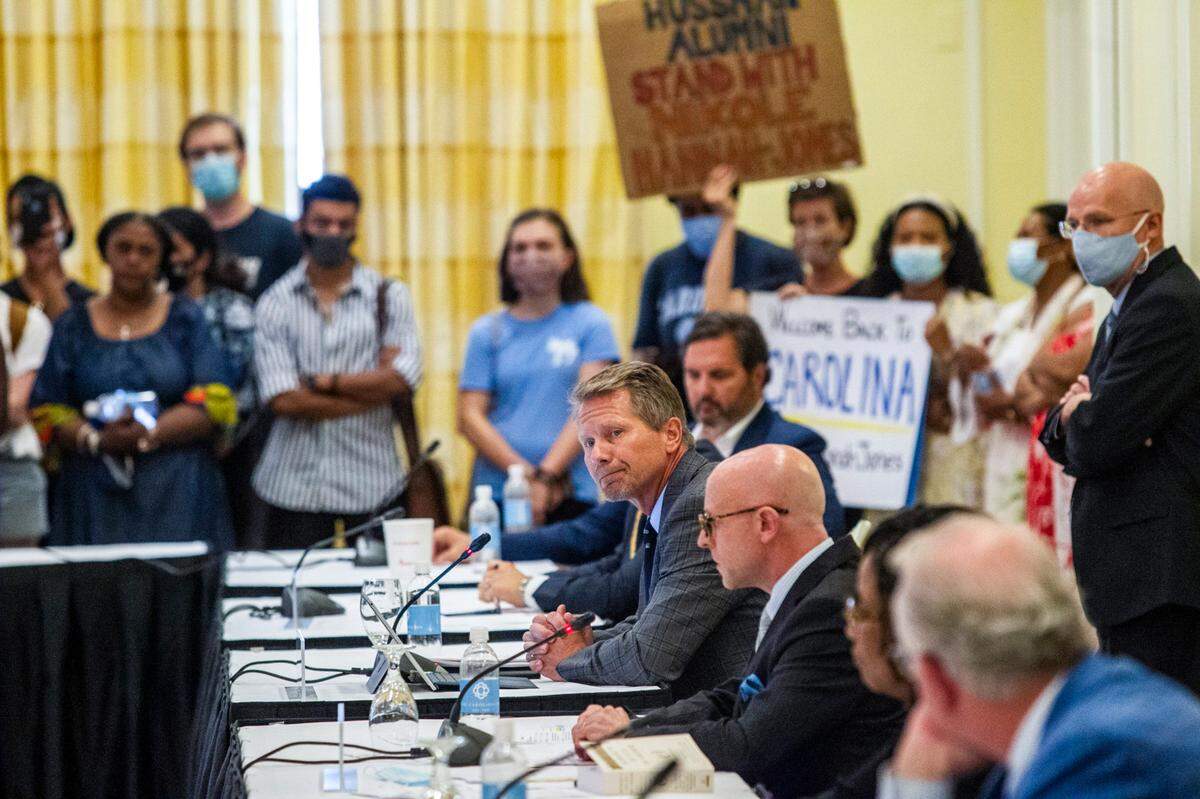
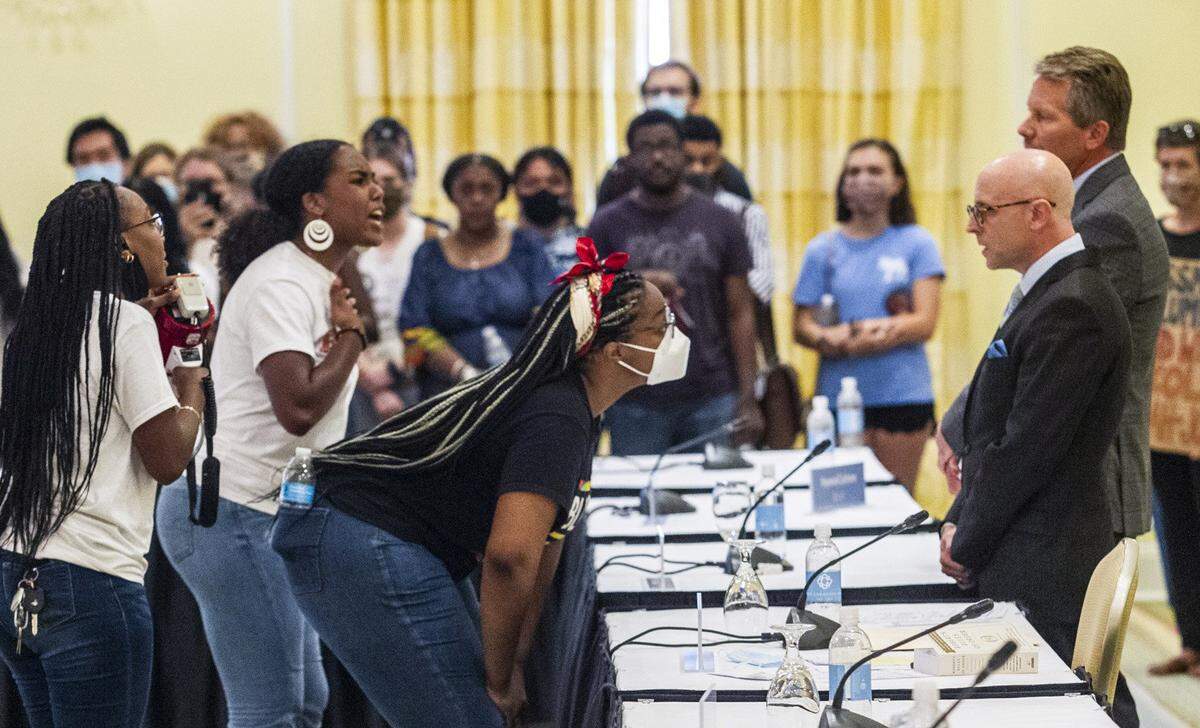
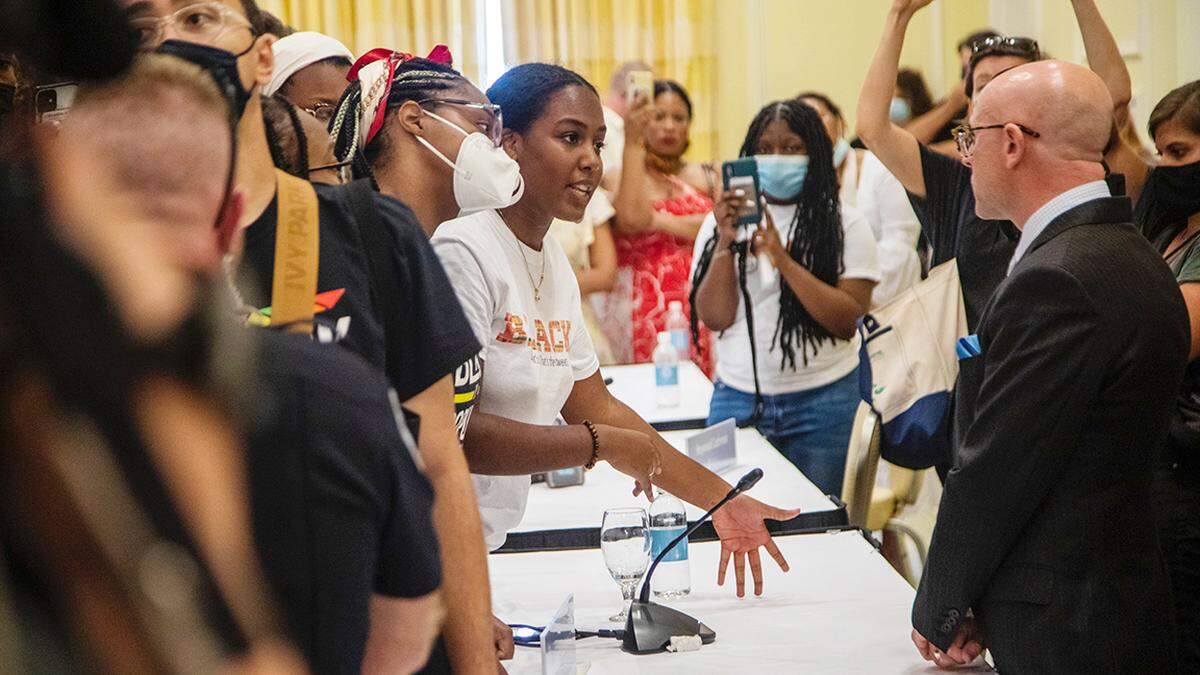
But the last straw came on the day of the tenure vote, June 30. Hannah-Jones said she watched coverage of what was happening in Chapel Hill while she was on a trip to Chicago. At the board meeting, where trustees voted 9-4 to approve her tenure, Black students were shoved out of the room by police after initially refusing to leave for a closed session.
“If there was any waffling,” Hannah-Jones said, that day brought clarity.
The first problem, she said, was the fact that UNC-CH Student Body President Lamar Richards, who serves on the Board of Trustees, had to call the special meeting and force a vote.
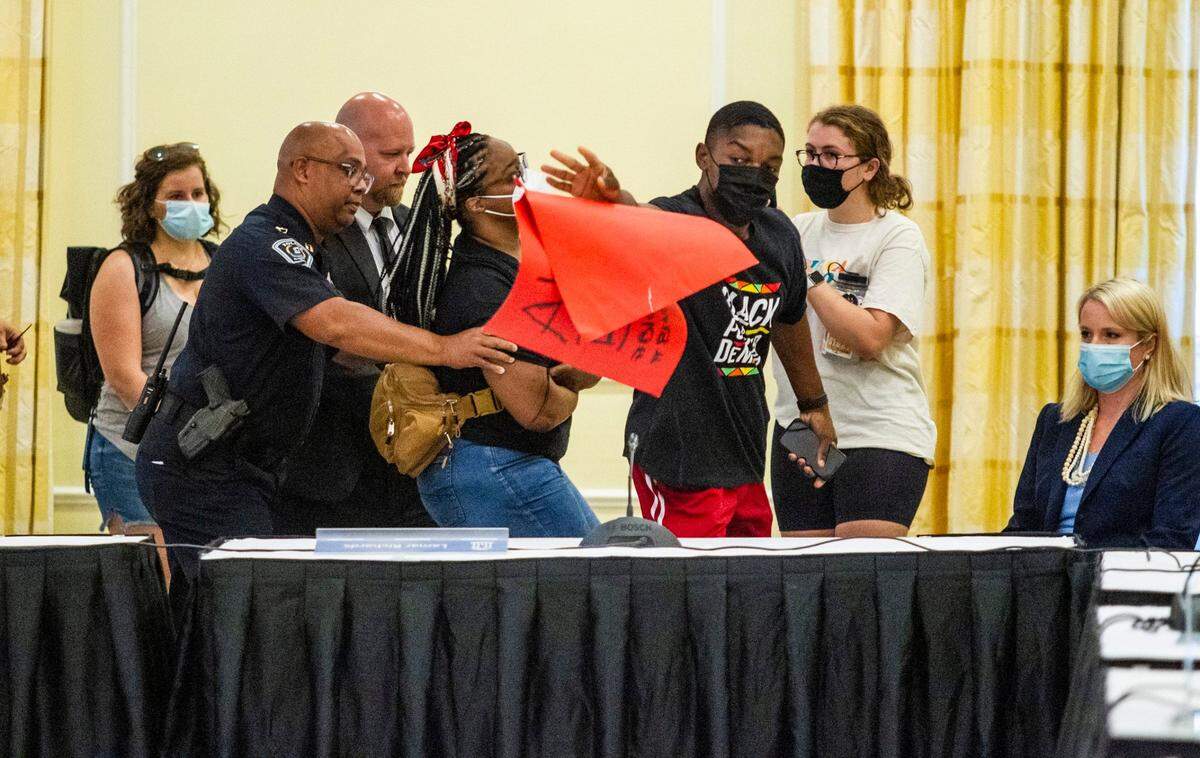
Then, she said, she saw the “horrible way” that students were treated, while trustees, the chancellor and other university officials stood by and watched.
“I was in my hotel room devastated to watch that these students who were protesting in my name and were treated that way,” Hannah-Jones said. “All of those things affirmed that this wasn’t a job that I wanted anymore.”
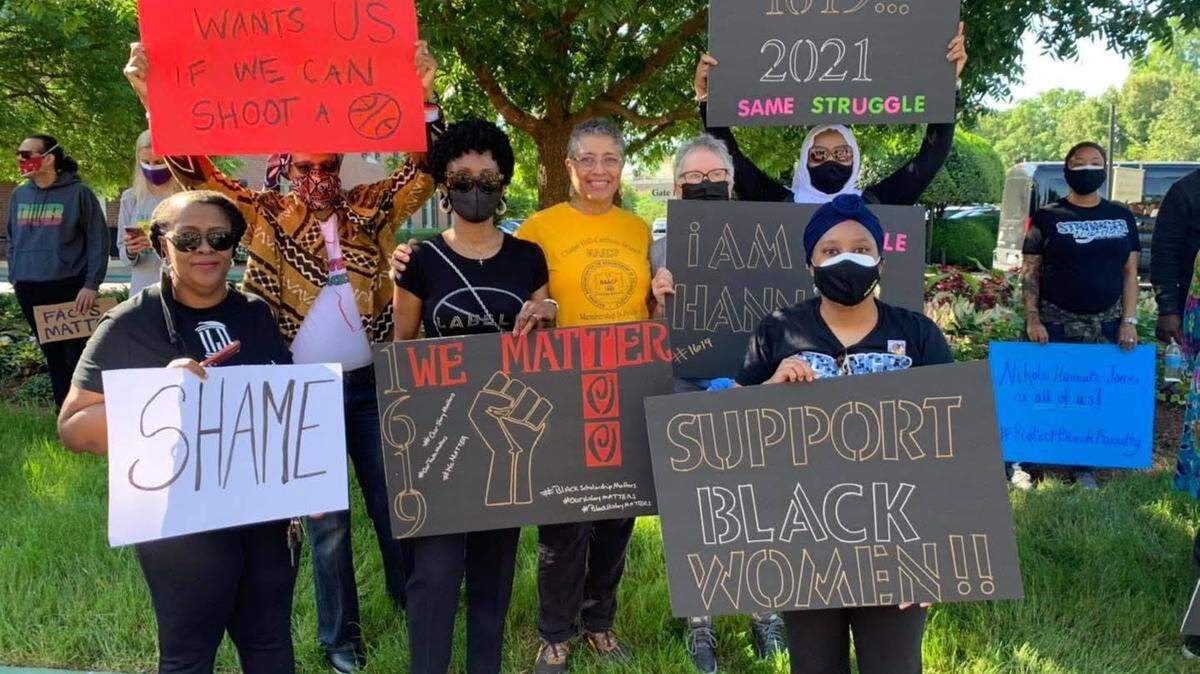
Hannah-Jones came down to North Carolina to meet with those students personally, to thank them for their support and to tell them the news that she wasn’t coming in hopes they wouldn’t feel betrayed by her.
The conversation was hard as she realized that so little progress has been made in turning these institutions into welcoming, supportive places for students who are not white and are not wealthy, she said.
Black students and Black faculty are often expected to be grateful that they have been allowed in, Hannah-Jones said, instead of institutions treating them as assets who have chosen to come.
“It’s hard to spend 4 years of a college experience feeling like a burden,” Hannah-Jones said.
The university has a number of demands from faculty and students about how it can address issues at Carolina that predate Hannah-Jones’s tenure controversy.
Hannah-Jones hopes if anything good can come of this situation, it’s that students, faculty and those who are disappointed that she’s not coming to UNC-CH continue to fight back and hold leaders accountable.
‘I deserved that vote’
Throughout the entire hiring process, Hannah-Jones said, she never wanted special treatment. She wanted the same respect as every other person who came before her, she said.
So when some people say “why fight, if she wasn’t going to take it?,” she says that she deserved it. And she called for it by June 4.
“I deserved that vote. I gave them a deadline. They passed that deadline,” Hannah-Jones said.
Hannah-Jones said she spent months rigorously preparing her tenure package, worked out the logistics with her bosses at The New York Times and secured housing in North Carolina to come back to teach at a school she loves.
So, why leave for Howard?
“I think that we deserve, as Black Americans, to be in any of the institutions that we choose,” Hannah-Jones said, “and certainly we deserve to be at the University of North Carolina.
“But I also think that it is critical to not seek validation in predominantly white spaces and that we also have to build our own institutions and support our own institutions and think about where we can do the most good for the work that we’re trying to do.”
She doesn’t want to send the message that those choosing to be at UNC-CH or other predominantly white institutions are making the wrong choice, she said.
“It should always be about our choice,” Hannah-Jones said.
“I’ve been fighting those battles most of my life, and I want to fight in a different arena.”
This story was originally published July 9, 2021 at 8:00 AM with the headline "The three critical moments that gave Nikole Hannah-Jones the clarity to turn down UNC."


.JPG)