
You may see more alligators out and about in the Myrtle Beach area. Here’s why
Alligators in South Carolina’s coastal plains are most commonly seen in or near bodies of water, but Horry County’s water levels are dropping from severe drought conditions.
It may trigger alligators to search for new water sources, luring them from hiding between cypress trees or grassy wetlands and into more public places.
“Certainly anytime you have an unexpected change, whether that’s a big flood or a drought or you know any anything that’s unusual, you’re going to have animals moving around more,” said Morgan Hart, South Carolina Department of Natural Resources’ alligator project leader.
It’s not that there are more alligators, Hart said, but they are more visible to the public while on their hunt for privacy.
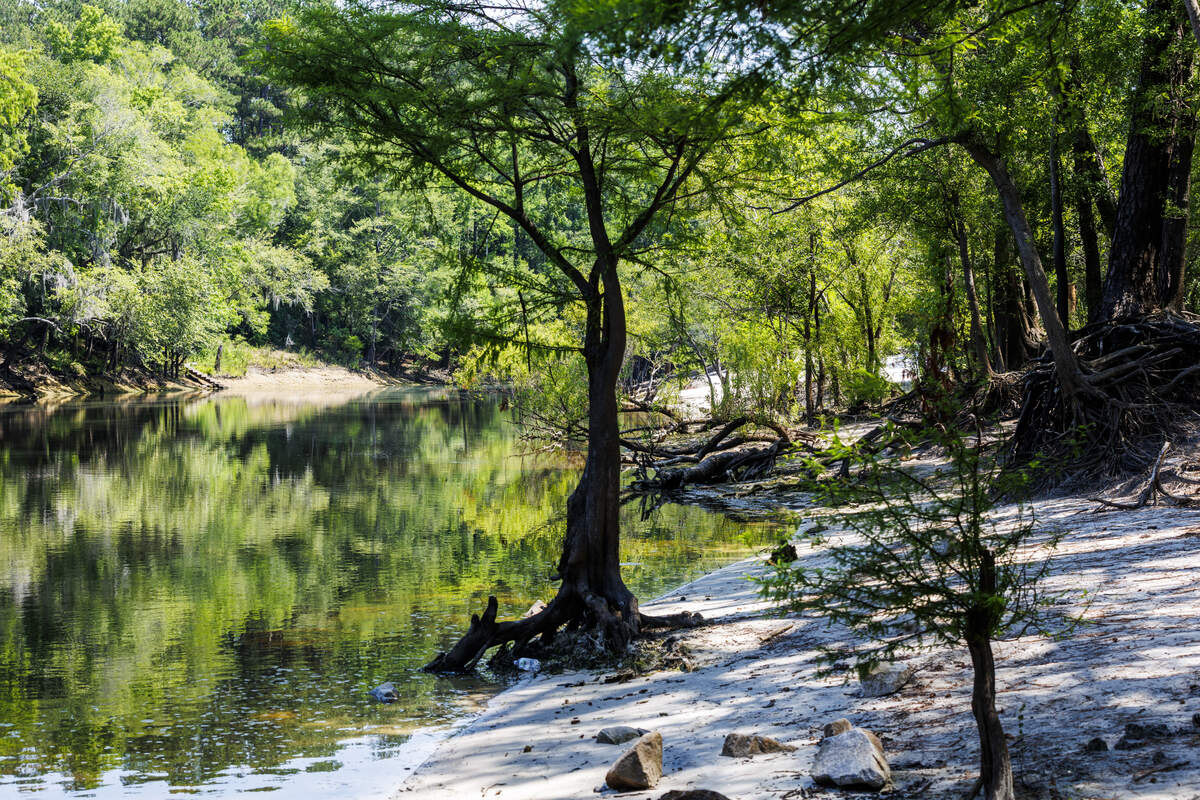
Horry County’s rivers have seen drastic drops in height and water flow from the drought, exposing the riverbeds in some upstream areas. This can also create hot spots where alligators are more concentrated.
According to USGS river gauge data, the Waccamaw River upstream near Longs has a depth of less than a foot.
Horry County’s drought conditions are largely caused by a lack of rainfall. The county has seen roughly 11.5 inches of rain less than normal for January through June, the second-driest start to the year in 132 years.
Summer is always an active season for alligators. Adult alligators spend this season feeding and basking in the sun, while juvenile alligators are often observed traveling among retention ponds. The drought may increase activity.
How to respond to an alligator in the wild
When an alligator feels threatened, their first instinct is to go to water and hide, but when there isn’t any water, they lay on their belly.
“That’s just their defense mechanism. They feel safer laying on their stomach, being still, because then they can keep an eye on you,” Hart said.
The best thing to do is leave them alone, as they will often move on.
SCDNR also promotes safety information from GatorWise.
The GatorWise basics inform residents and visitors to always assume alligators are present, never feed them, don’t dispose of fish or food scraps in water, never harass or handle an alligator, be responsible for people and pets in your care and to maintain awareness when you are near water.
“Alligators have a natural fear of people, and if you feed them, you’re teaching them that people equal food,” Hart said. “An alligator doesn’t know the difference between a food you’re trying to feed it and your hand.”
Nuisance alligators, or alligators that have lost their fear of humans often due to feeding, can cause harm to people or property. If they are trapped in an area they are not supposed to be, they are considered a nuisance.
If you live within an HOA or Property Management group, contact them about nuisance alligators first. There is also a nuisance alligator coordinator. Call Operation Game Thief at 1-800-922-5431 if you have an alligator-related emergency.
More tips to stay safe from alligators in South Carolina can be found here.