
Rivers tell the story of Horry County’s severe drought. How are residents affected?
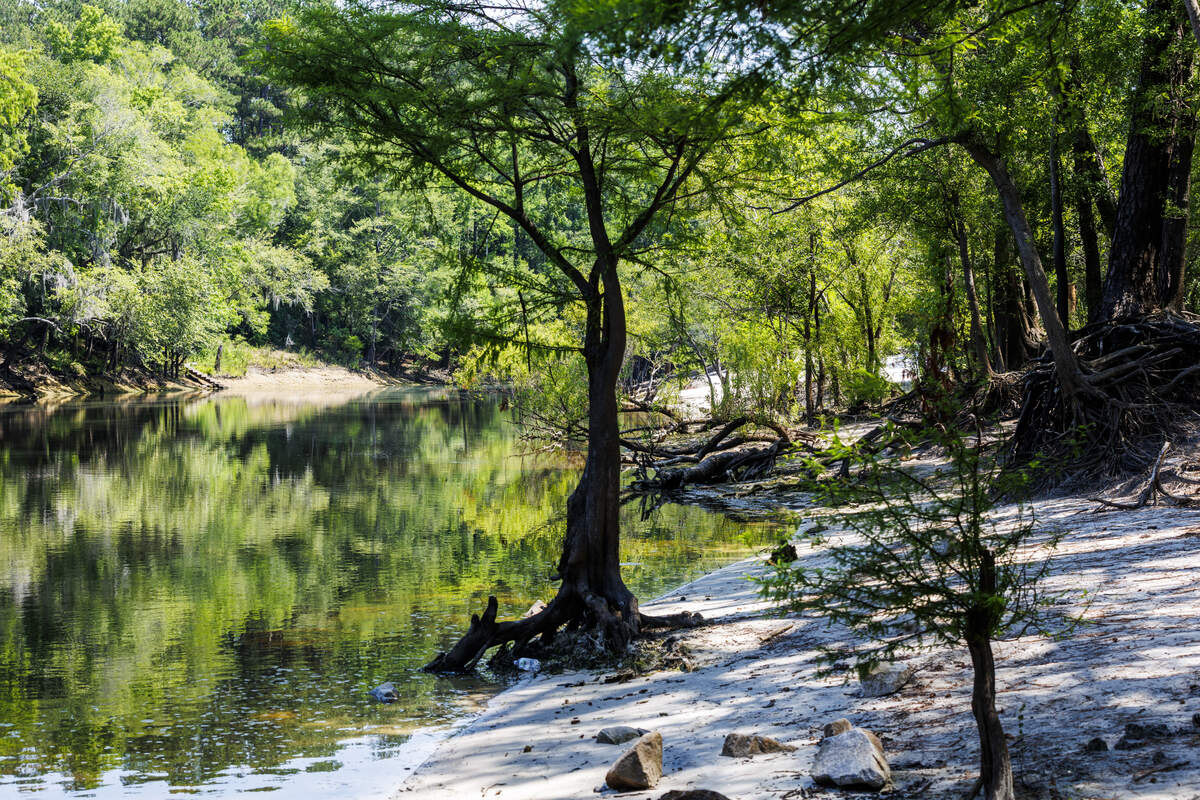
Cypress knees are exposed along the banks of the Waccamaw River. Pollen has accumulated as a thin layer due to little water flow upstream. Branches and logs that are normally underwater have been uncovered.
Horry County is in a severe drought, and its rivers are telling the story.
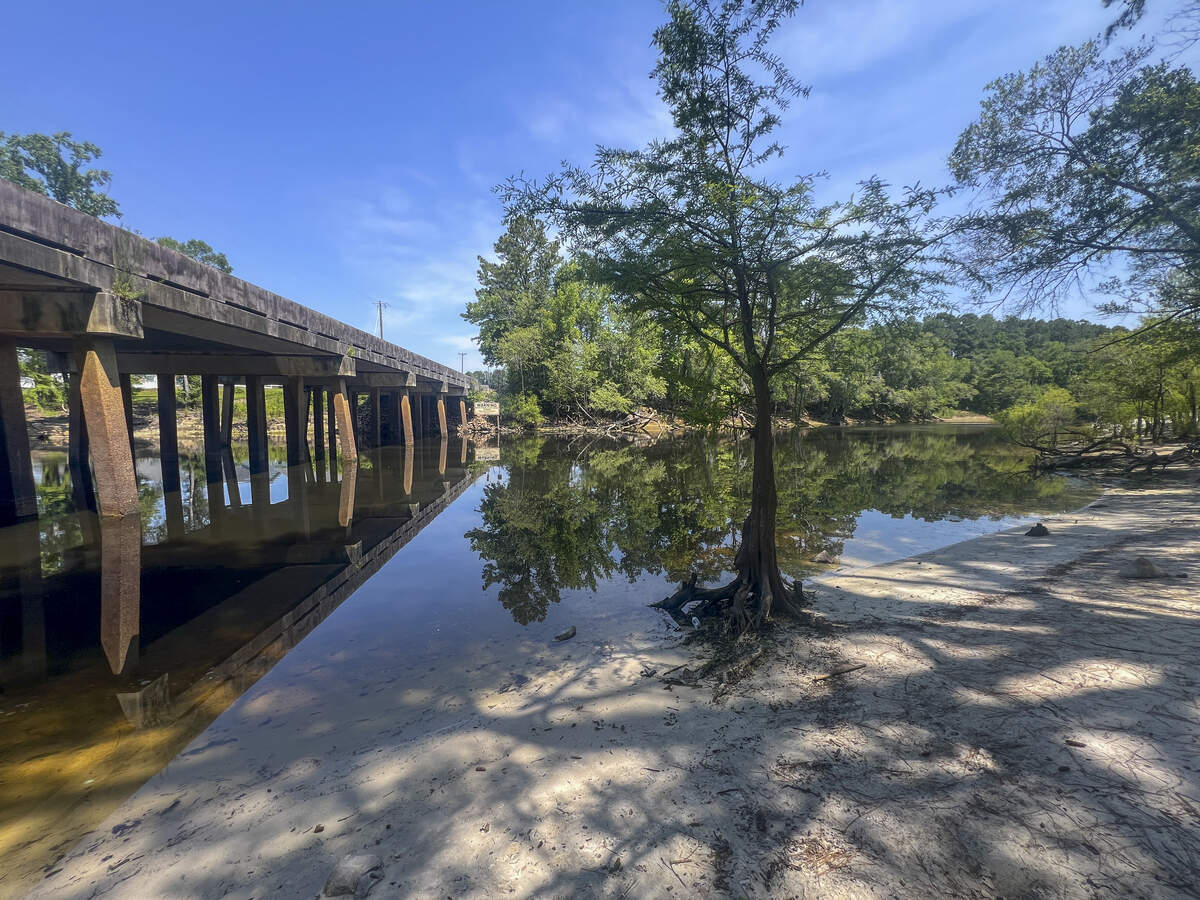
Portions of the Waccamaw upstream of Red Bluff Landing in Longs are sitting at less than a foot in depth, according to USGS water data. Other areas between there that are transmissible are still sitting a few feet below the natural water line, creating sandbars and other obstructions difficult for boaters to maneuver through and posing safety risks from congested areas.
The wetlands and tributaries adjacent to the river that act as slow release storage tanks are drying out, and more alligators, turtles and snakes have been spotted in the river due to temporary habitat loss. Low water flow and stagnant streams could lead to elevated bacteria levels.
Preston Kelly, Waccamaw Riverkeeper for Winyah Rivers Alliance, said these levels are comparable to the period between 1998 and 2002 when Horry County faced an extreme drought.
This year, South Carolina had its driest January through April since 1895, according to the U.S. drought monitor. As of June 2, nearly half of Horry County is experiencing an extreme drought. And while recent rain has helped in some parts of the county, it has not been enough to make a significant difference, Kelly said.
Based on data from the past two-and-a-half years, the Waccamaw River has seen a steady downward trend in terms of rainfall and depths, Kelly said.
“We need a good soaking rain,” said Debra Buffkin, executive director of the Winyah Rivers Alliance.
Drought and riverine flooding are showing up more frequently in recent years
The natural water line on the trees hugging the river is still feet above where the stream kisses the banks. The leaves and pine needles that stain the water black haven’t had much to blow them off their limbs, so the true color of the river is lighter than usual.
Farther down the river, the trees tell a different story.
While the river is still several feet below its natural water line, the bottom sits much deeper, so navigation is not as much of an issue. But past flooding has also made its marks on the trees, where the flood line sits at least 8 to 10 feet above the current water levels.
Jeff Cline, owner of River Island Adventures — an outdoor entertainment business situated on the Waccamaw River, said this drought is part of what he thinks is an increasing trend of drastic swings between dry and wet periods.
Two weeks ago, he posted an update to Facebook where he could walk across the riverbed with only about 6 inches of water. Another update showed last weekend’s rain helped a bit, but the water was still only sitting at about a foot deep. It has since lowered, again.
During Hurricane Florence in 2018, when Horry County saw the most significant amount of rainfall from a tropical storm on record, the 48-acre island near his home and business was 10 feet underwater.
“Over the last 10 years that I’ve been out here, there are high highs and low lows,” Cline said. “It’s not been very constant in any way.”
What is causing this year’s drought?
National Weather Service Meteorologist Tim Armstrong in Wilmington, North Carolina, said this drought is one of the most severe and widespread dry periods in eastern portions of North and South Carolina since 2008. When the drought began about six months ago, the climate pattern La Niña encouraged a drier winter than typical for the Carolinas, he said.
The climate pattern has since began its transition to an El Niño, which tends to suppress the Atlantic tropical season, and is expected to fully develop to strong or exceptionally strong by the end of this summer. Tropical storms comprise most of the Carolinas’ rainfall into late summer and fall, Armstrong said.
The National Oceanic and Atmospheric Administration has predicted a below-normal hurricane season for 2026.
To pull out of a drought, the area would need to see at least 20 inches of rain over the next three months, according to NOAA’s National Centers for Environmental Information.
“While we have had some beneficial rains over the past few weeks, groundwater and river flows remain very low relative to normal for this time of the year,” Armstrong said in a video post.
As of Tuesday, forecasts show a 20% chance of rain for Myrtle Beach on Thursday, and it increases to 50% moving into Saturday through Monday. In a normal year, Armstrong said it wouldn’t be unusual to see rainfall increase dramatically in the coming weeks.
“We’ll have to see just how this will work out exactly,” he said.
The NWS Climate Prediction Center’s drought outlook predicts the drought will improve but not completely return to normal conditions by the end of August.
Is the drought impacting drinking water?
The City of North Myrtle Beach recently implemented voluntary water conservation for its residents to mitigate the impacts of the drought.
Grand Strand Water and Sewer Authority CEO Christy Holder said the biggest strain on the water supply is irrigation systems. The utility encourages modifying irrigation patterns for odd street numbers on Tuesday, Thursday and Saturday; even street numbers on Wednesday, Friday and Sunday; and no irrigation on Mondays.
The utility has two surface water treatment plants, one pulling from Bull Creek which is a tributary off the Great Pee Dee River, and another from the Atlantic Intracoastal waterway, both of which still have plenty of water during the drought, Holder said.
“Our source water availability has not been changed as a result of the drought,” she said.
However during peak dry periods, including this year’s drought, the utility pulls treated water from aquifer storage recovery wells to supplement the surface water treatment plants, but it does not cut one source to implement another.
“Our job is to provide quality, safe drinking water for our customers and businesses and tourists to the area,” Holder said. “We’ll continue to have those conversations (of conservation) as the drought continues.”