‘I had no other option.’ Second shooter testifies in Scott Spivey death hearing
The second shooter of Scott Spivey said he didn’t disagree with what a North Myrtle Beach businessman did when he followed the North Carolina man before both killing him in a gun battle along an Horry County road nearly three years ago.
Kenneth “Bradley” Williams, the passenger in Weldon Boyd’s vehicle, took the stand Friday during a Stand Your Ground hearing to give his version of what occurred the day he met up with Boyd and eventually encountered Spivey along Highway 9 on Sept. 9, 2023.
Williams was soft-spoken and matter-of-fact as he relayed his story of what occurred that day, which was not unlike Boyd’s account. Boyd, owner of Buoys on the Boulevard, testified on Thursday.
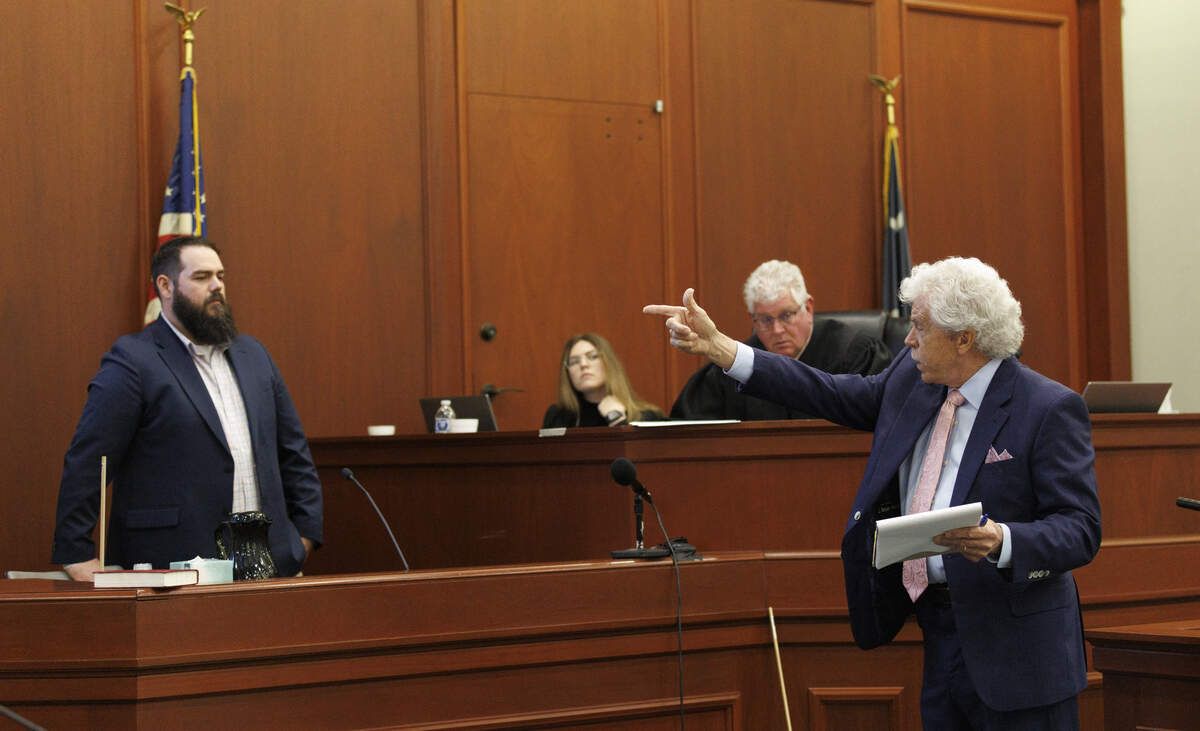
Williams said he first saw Spivey “in his truck when he got really close beside us.” That’s when he looked over and saw that Spivey had a gun, Williams said. “It was pointed directly at me,” he said.
From the time Boyd turned onto Camp Swamp Road after following Spivey for several miles, Williams said he saw Spivey’s truck stopped, and he was getting out of the vehicle. He had a gun in his hand and he was angry and yelling.
Spivey then stepped away from his door into the other lane of traffic and began to walk back to the rear of this truck. Williams said Spivey then pulled back the slide of his gun and then “shot at us.”
“The best way I can explain this is that it happened very fast,” Williams said. “Everything was happening at one time.”
Williams can be heard on a 911 call telling Boyd to back up the truck. When asked why he told Boyd to back up, Williams, who said it was then that he retrieved his gun from his bag, replied “I don’t want to be in a gun fight. I didn’t want to be in that situation.”
Mark Tinsley, attorney for the Spivey family, asked Williams why he never told Boyd to stop to following Spivey, adding that Boyd had already given the 911 dispatcher Spivey’s license plate number.
“I don’t disagree with what Weldon did,” Williams said. “I didn’t see what he was doing wrong. He called police to let them know of a man with a gun. (Spivey) was a danger to everyone around him.”
Heading into the fourth day of the Horry County hearing in the deadly shooting of Spivey, both sides continued to focus on the speed and location of Spivey’s and Boyd’s vehicles along Highway 9. The key issue in the case has been whether Boyd “chased” Spivey nine miles before shooting and killing him during a gun battle along Camp Swamp Road in the Longs area.
The hearing will determine whether Boyd or Williams will once again be granted immunity under South Carolina’s Stand Your Ground law for shooting and killing Spivey.
The hearing that began Tuesday in front of Judge Eugene Griffith Jr. will decide whether a civil case by the Spivey family against the two men can move forward or whether Boyd and Williams will be immune civilly for the fatal shooting of the 33-year-old Tabor City, North Carolina, man.
‘I had no other option’
Williams’ defense team has used this week to assert that the Darlington man didn’t have a choice but to go along with Boyd, who was driving the truck that day and ultimately making the decisions of where to go, including turning down Camp Swamp Road.
Williams said when he saw Spivey shoot, he was in fear for his life and fired back.
“I had no other option; there was nothing else I can do,” Williams said. “I can’t get out. I’m there.”
On cross-examination, Tinsley asked Williams why he didn’t shoot Spivey when he first saw he had a gun pointing at him. Tinsley also pointed out that there was no reason that Boyd couldn’t have stopped.
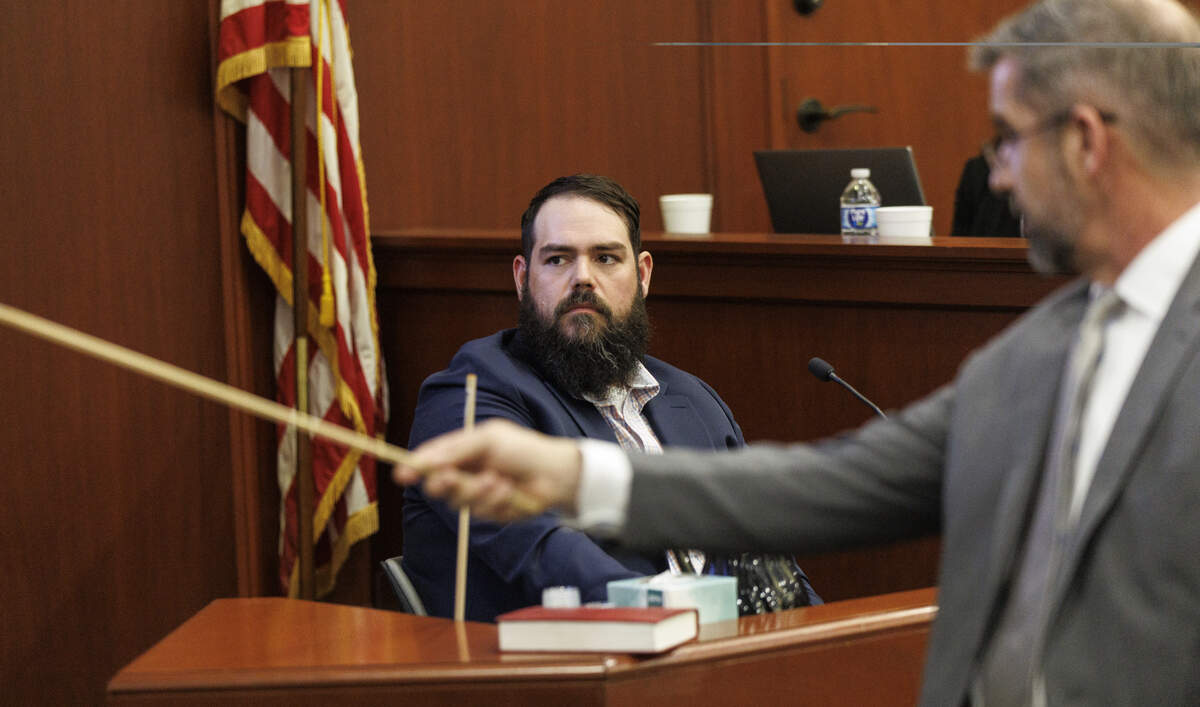
Williams then replied, “Why did he stop?” referring to Spivey
Tinsley suggested that Boyd was angry when Spivey ran his truck off the road that day. “Who’s happy to be ran off the road?” Williams replied.
Williams said he doesn’t remember phone calls with Boyd in which Boyd said, “he had a f***ing blast” and suggesting that they both get teardrop tattoos. There was also a phone call from Boyd to his mother in which Boyd said he told Williams, “You did good” and that Williams got into the fight and stayed in the fight.
The calls are among 90 audio recordings obtained from Boyd’s phone on the night of the shooting and days after through the civil lawsuit.
“I had no idea I was being recorded,” Williams said.
Spivey traveled at speeds of more than 100 mph
Based on an analysis of Spivey’s phone, it appeared that he traveled at times in excess of 100 mph as he drove along Highway 9.
Christopher Watkins, a digital forensic analyst, testified for the defense that through sensors that are available on Spivey’s iPhone, he could determine that Spivey decreased abruptly at least three times from the intersection of Highway 57 and Highway 9 until turning off Camp Swamp Road.
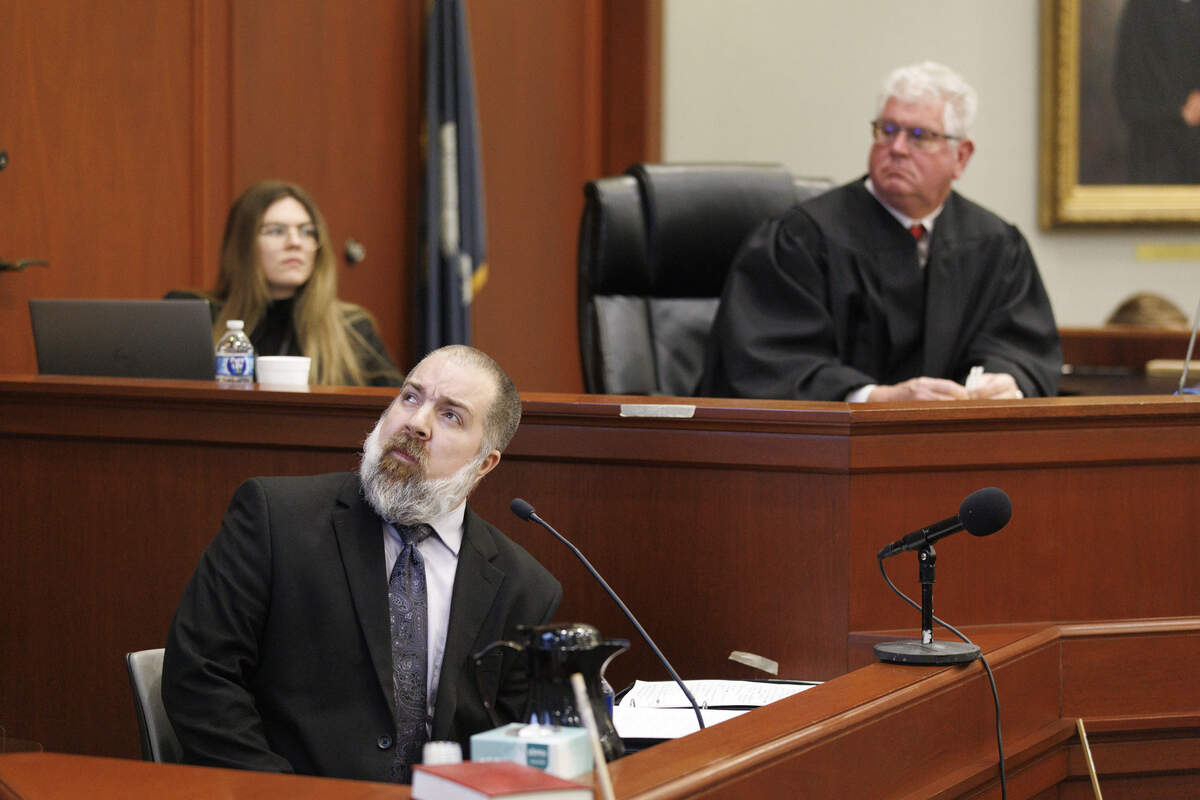
His report also shows that Spivey traveled anywhere from 85 mph to 113 mph. Spivey’s speed and the time that he accelerated or decelerated were included to match up with when Boyd claims Spivey “brake checked” him and the photos that Williams took of Spivey with his gun out the window.
Watkins said he couldn’t determine from the data that the decelerations were brake checks, but only that Spivey was going at high rates of speed for extended lengths of time.
Watkins did not have access to Boyd’s phone data.
What Weldon Boyd said on stand
Weldon Boyd took the stand during Day 3 of the hearing, testifying for more than seven hours as he described how he and Spivey encountered one another along Highway 9. He became emotional, at one point openly weeping in the Horry County courtroom Thursday, as he talked about the events of that day and the days following the shooting.
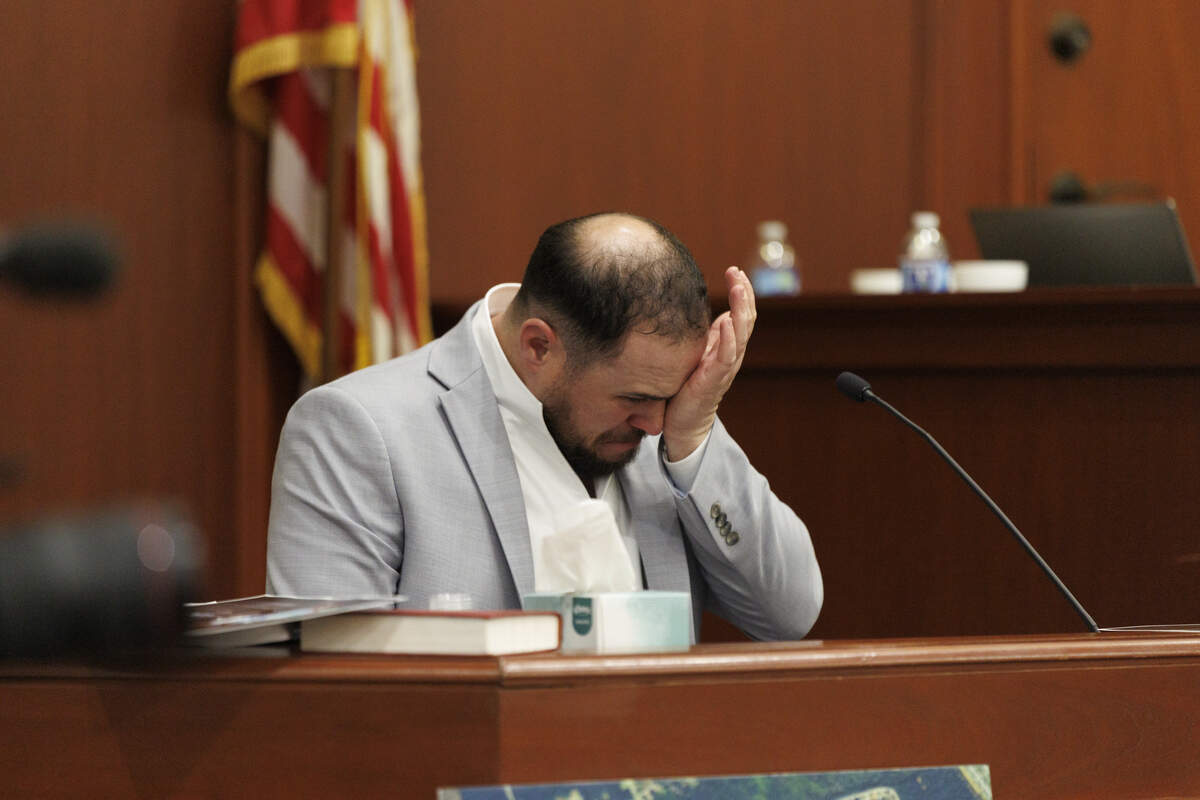
Boyd described how Spivey pointed a gun out his window at Williams’ head and then eventually ran them off the road, continuing to point his weapon at them as they tried to get back onto the road.
The defense and plaintiffs questioned Boyd about his speed along Highway 9 and focused on a previous incident years ago where he “chased” a person who stole food from the deli that he owned. At that time, Boyd also called 911 to report that he was following the person in his truck. The dispatcher instructed Boyd not to do that, but Boyd continued.
It was pointed out that when Boyd called 911 as he was following Spivey, the dispatcher never told Boyd to stop following him. However, on the day he called 911 regarding Spivey’s actions, Boyd took the dispatcher’s response of “okay” as permission to continue to follow Spivey.
Boyd said he didn’t think the 911 dispatcher was taking his call regarding Spivey’s actions, including waving and pointing a gun at drivers, seriously which is why he said in the 911 call “if he keeps this up, I’m going to have to shoot him.”