
Live Updates: Boyd says he feels ‘sorry’ for Spivey’s mom. He takes stand in hearing
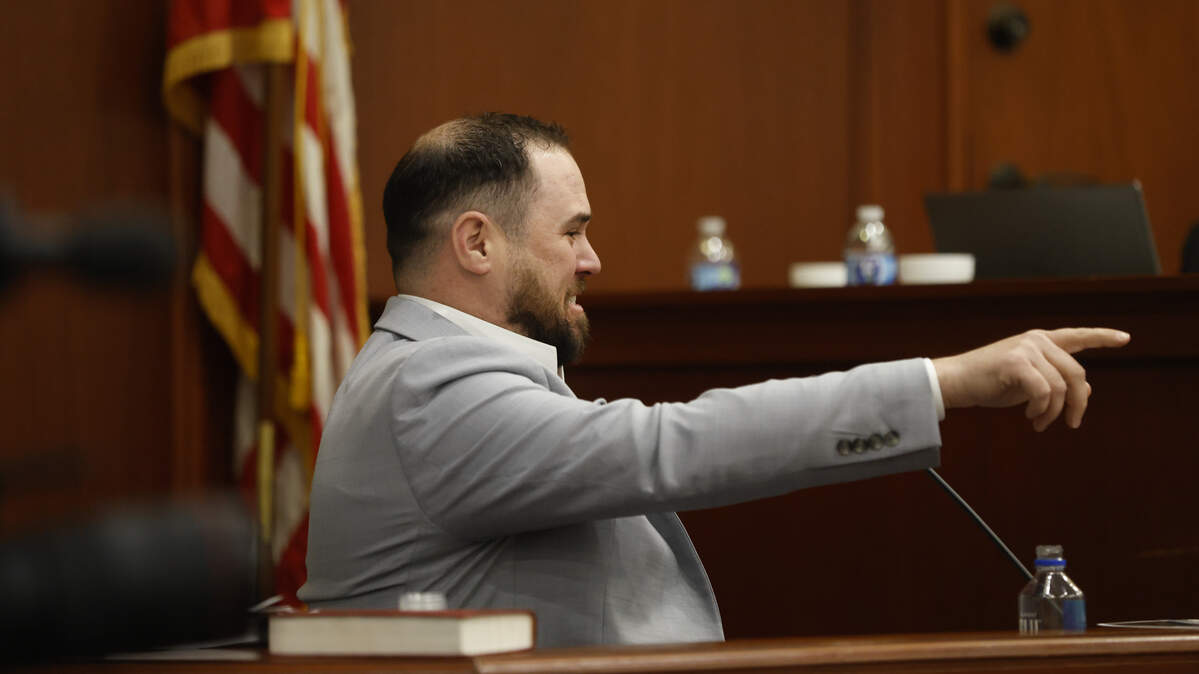
North Myrtle Beach businessman Weldon Boyd and Bradley Williams, who are seeking immunity from their role in the 2023 fatal shooting of Scott Spivey, are expected to testify as their court hearing enters its third day.
The Stand Your Ground hearing, which began Tuesday in Horry County, is expected to conclude by Friday with Judge Eugene Griffith Jr. responsible for determining whether either or both of the men qualify under South Carolina’s self-defense law.
Day one focused primarily on whether Weldon Boyd, owner of Buoys on the Boulevard, and his friend Bradley Williams “chased” Scott Spivey for several miles before fatally shooting the North Carolina man in a road rage incident.
Day two centered on a few other key issues, including whether Spivey shot first, as Boyd alleged to law enforcement, and if Spivey’s actions during the road rage incident could have been influenced by abuse of steroids.
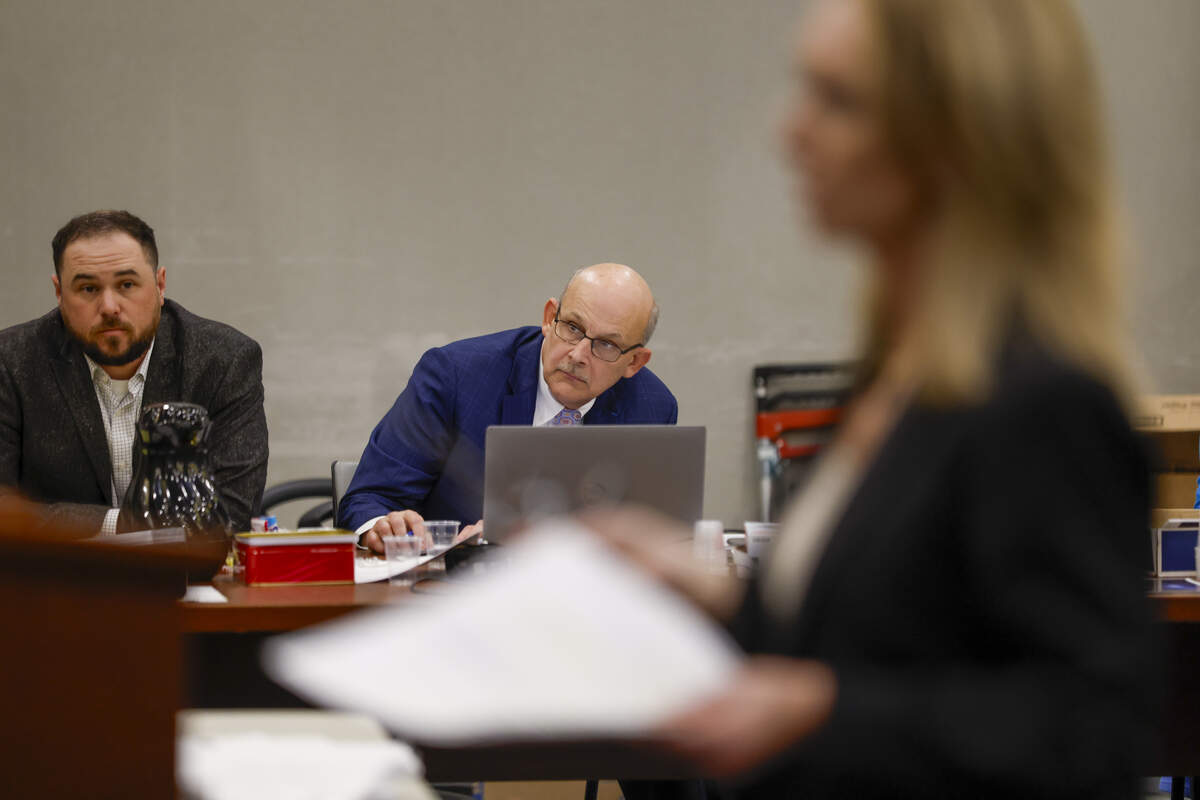
The hearing is part of a civil case filed by Spivey’s family alleging wrongful death, but if Judge Griffith determines Boyd’s and Williams’ actions qualify under Stand Your Ground, they will be immune from both civil and criminal responsibility. Law enforcement has already declined to prosecute the men under the belief they acted in self-defense.
Boyd testifies for 7 hours
(Updated 6:17 p.m.)
Morgan Martin, attorney for Williams, questioned Boyd about Williams’ actions that day in the truck.
Martin said that Williams wasn’t driving and “he’s not telling you at any time how to drive.” Boyd agreed.
In fact, Martin said that Williams asked Boyd to slow down as they followed Spivey, eventually ending up on Camp Swamp Road.
Boyd finally stepped off the stand after testifying for more than seven hours.
Court will resume at 9 a.m. Friday for its fourth day.
Boyd says he felt ‘sorry’ for Spivey’s mother
(Updated 4:53 p.m.)
Tinsley is now questioning Boyd on cross examination. The Spivey family’s attorney is seizing on inconsistencies in Boyd’s statements so far during the hearing, including that he felt sorry for Spivey’s mother after the shooting despite text messages he sent claiming he didn’t feel bad for her. Tinsley is also asking about a previous PTSD diagnosis and how Boyd tried to hide that diagnosis during a previous deposition.
Tinsley asks whether he felt 911 dispatcher gave him permission to chase Spivey, and Boyd responds that he didn’t chase him, he followed – a key dispute in language in this case – and he didn’t need permission.
Boyd says dispatcher seemed disinterested in his call
(Updated 4:04 p.m.)
Boyd’s attorney played a recording of the 911 call from Boyd’s phone, stopping intermittently to ask his client questions about what was said during the call. Boyd said he felt the dispatcher seemed disinterested, and he was trying to relay the urgency of Spivey’s threat level to ensure law enforcement responded quickly.
Describing the shooting, Boyd said he has no doubt Spivey fired first, and he believes Williams returned fire before him because his gun got caught on his seatbelt as he was raising it to fire. “I truly believe if I hadn’t (returned fire), one of us (me and Williams) wouldn’t be here today,” Boyd said.
In the days after the shooting, Boyd said he tried to process what happened and return to some level of normalcy, recalling advice he received during his service in the military to “embrace the suck” and just keep moving forward, try to be tough and make light of the situation. Boyd then got emotional, explaining that he lasted about a week acting tough before he “crashed,” had a panic attack and stayed in his bed for weeks. He couldn’t bring himself to work or go to his restaurant for 8-10 months, Boyd said.
Boyd then, for the first time publicly, addressed the recorded conversations he had in the days following the shooting that have led to a lot of the public scrutiny this case has received when released to media outlets – including telling Williams that he had a great time and suggesting they get teardrop tattoos. “They’re disgusting,” Boyd admits. “I hate myself.”
Boyd’s attorney begins asking him about specific statements he made in the call, and Boyd mostly responds that he doesn’t recall making these statements, but he has heard the calls and knows he made them. Judge Griffith then calls for another brief break.
Boyd talks about what happened along Highway 9
(Updated 2:58 p.m.)
Boyd is now describing his recollection of what happened on Highway 9 leading up to the shooting. He and Williams were heading from Tractor Supply to his farm when Williams alerted him to a man in a truck very close to theirs pointing a pistol toward Williams, Boyd said. Spivey then started driving erratically, swerving in front of him and brake checking him to the point Boyd had to swerve his truck off the road.
Boyd then decided to follow Spivey’s truck, hoping to relay his license plate to police with Spivey alternating speeding up and slowing down, he said. He was concerned that if he stopped completely, Spivey would also stop, Boyd said.
Boyd pointed out that Spivey regularly held his pistol out his truck window and at one point pointed it at a jeep in front of him, which Boyd photographed. Boyd adds that he was never “on his ass,” as he later said in a recorded phone call with his mom, a key statement that Spivey’s family has emphasized publicly to assert Boyd was chasing Spivey, which could negate the shooters’ self-defense claim in this case.
Judge Griffith then called for a brief break to allow for the resolution of technical difficulties related to playing a video taken during the encounter.
‘Act like a victim? I am a victim’
(Updated 2:20 p.m.)
When court resumed, Boyd briefly explained that on the day of the shooting, he had posted for sale a vehicle and engagement ring he had recently retrieved from his ex-fiancee. He contended he was happy with this movement forward because he planned to use funds from those sales to cover costs of his ongoing custody battle.
Boyd then for the first time publicly addressed the well-publicized “Act Like a Victim” note that a HCPD officer was caught on body camera footage showing to Boyd and Williams at the scene of the shooting. That officer, Damon Vescovi, was terminated after the footage was discovered and is currently under criminal investigation for his actions. Boyd said he never knew Vescovi and he doesn’t know why the officer did that.
“I wish he had never done that,” Boyd said, because it has made him look guilty of something he never did. “Act like a victim? I am a victim. … Immediately, I knew this was bad.” Boyd said he told his attorney about the note, and he’s thought about it many times since the shooting. The only potential explanation he’s come up with is that Boyd was acting frantically and that Vescovi wanted him to calm down, Boyd told the court.
Boyd then explained that he cooperated with every directive from law enforcement officials and answered any questions they had following the shooting, including giving the detective full access to his phone at the precinct that night. “I wanted to be helpful,” he said. He addressed the tablet found mounted on his dashboard, saying he only used it for entertainment and never used to it as a dashcam, as has been alleged by Spivey’s family. Boyd alleged that claim came from his ex-fiancee, despite her knowing it was false.
The only time Boyd felt uncomfortable cooperating with law enforcement was a few days after the incident, when they requested his phone, Boyd said, but that was because he had heard North Myrtle Beach officials had expressed an interest in the case, and he was worried they would use information found on his phone unrelated to the case to smear him.
Boyd explains why he recorded calls
(Updated 12:26 p.m.)
Boyd explains that he downloaded an app to his phone to record his calls to capture conversations with the family of his ex-fiancee to use during their custody battle. That decision has led to a lot of the controversy related to this case as Spivey’s sister later discovered through the civil lawsuit recordings of his calls following the shooting where he described chasing Spivey, enjoying the encounter and receiving updates on the case from Strickland, the former HCPD deputy chief forced to resign due to those interactions.
Despite those issues, Boyd said he’s glad he recorded calls because it helped with his custody case and the relationship between him and his son’s mother has improved. They even traveled to the mountains for a co-parenting trip, where Boyd alleges she told him she didn’t want to be involved in this court hearing. Boyd also alleged that Tinsley and Spivey’s sister made contact with his ex-fiancee and offered to help with her custody battle. She, at one time, told them she wanted them to make sure Boyd goes to jail, he said.
His ex is on the plaintiffs’ list for potential witnesses to call during this hearing, Boyd said, so he wants to make sure his side of the story is heard first. Boyd began crying as his attorney discussed the potential of her being called to the stand, so Judge Griffith called for a break to allow Boyd to “compose himself.” The hearing is expected to resume about 1:15 p.m.
Boyd becomes emotional during testimony
(Updated 12:05 p.m.)
Boyd begins his testimony primarily just discussing his background, being adopted from Columbia, South Carolina, when he was about 8 months old and growing up in Hartsville. He described his service in the military, never engaging in combat despite briefly serving in a combat zone. Boyd discussed his business, Buoys on the Boulevard, and how he feuded with North Myrtle Beach city officials, particularly former Mayor Marilyn Hatley, around 2020 due to coronavirus-related restrictions placed on restaurants.
Boyd said he keeps a tight circle of friends, which include co-defendant Williams, who he described as a “brother.” Boyd said he loves being outdoors and purchased a blueberry farm in 2023. He and Williams were headed to that farm on the day of the shooting with items for an upcoming cooking, he said, and items in his truck that day included furniture, fireworks and an unassembled rifle he described as a “project gun.”
Boyd then appeared to get emotional discussing his ex-fiancee, who was pregnant at the time of the shooting, warning the judge that she gave information to the plaintiffs while they were involved in a custody battle that he’s prepared for the Spivey family’s attorneys to bring up. The former couple were working hard to maintain a co-parenting relationship for their son, but she was very restrictive in wanting full control of their child, forcing him to pursue a legal remedy to ensure parental rights, he said.
Boyd takes the stand
(Updated 11:09 a.m.)
Boyd is now on the stand. “I’m ready,” he responds, when his attorney tells the court he’s been waiting a long time to tell his story. Boyd begins by explaining he never knew or had any connection to Spivey prior to the shooting and said he didn’t intend to harm him when he began following Spivey’s truck.
Detective talks about processing scene
(Updated 10:10 a.m.)
After about a 30-minute delay to start day three of the Stand Your Ground hearing, the defense called to the stand the Horry County crime scene investigator Shellneil Tamasi who responded to the shooting scene. The defense attorney is asking her to describe the scene on Camp Swamp Road and what was found in Spivey’s truck.
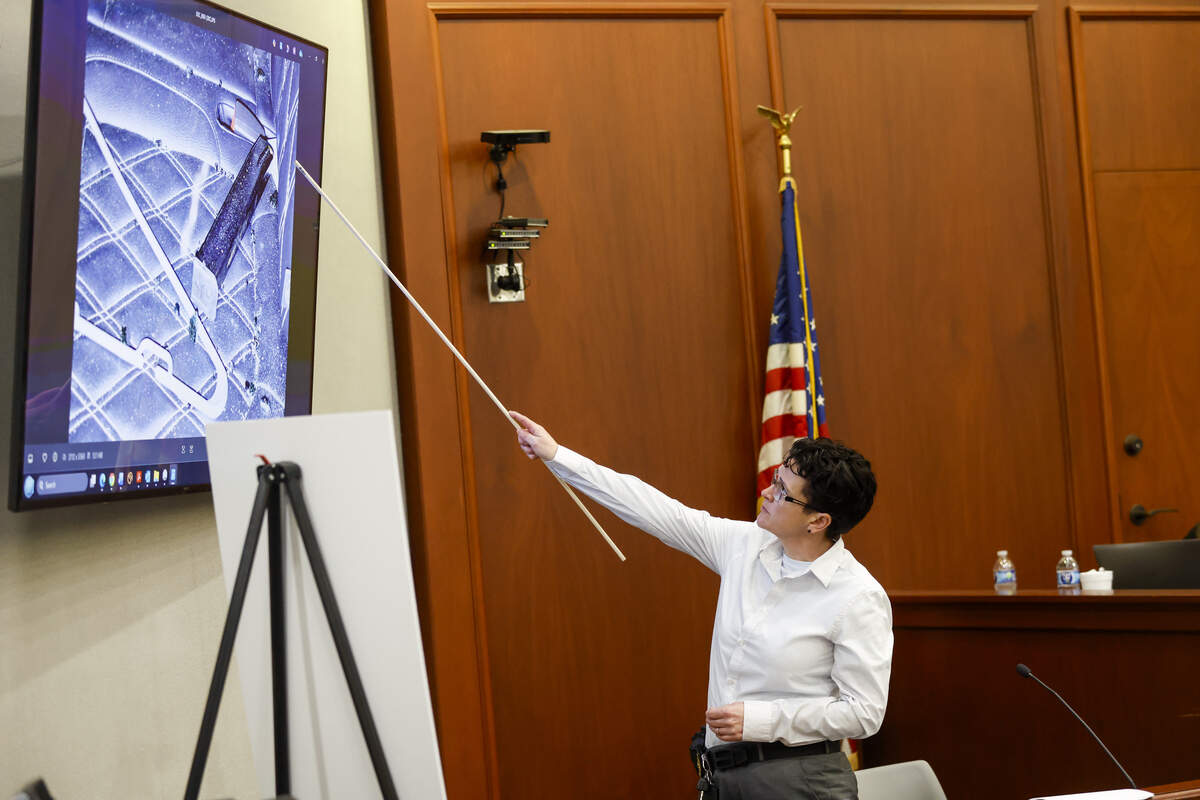
Tamasi noted that Spivey was transported in his truck to the impound lot, per her supervisor’s orders, because of anticipated poor weather in order to preserve evidence. That fact has been a major point of contention from Spivey’s family, who have contended that this practice was unusual and disrespectful.
Tamasi told the court, per her report, that inside Spivey’s truck, she found nine spent shell casings, an extended magazine and a bag of blue pills later determined to be anabolic steroids, per testimony from day two.
Tablet in Boyd’s vehicle not confiscated
(Updated 10:47 a.m.)
Attorney Mark Tinsley, representing Spivey’s family, seized on the unusual transportation of Spivey in his truck to the impound lot. Tamasi admits that she’s never, in her six years as a detective, seen HCPD do that and notes that the department has access to equipment to be able to cover the evidence at the scene in case of rain.
Tinsley is also attempting to cast suspicion that the steroid pills could have been planted in Spivey’s truck, previously discussing Boyd being seen near Spivey’s truck. Tamasi, responding to questions from Spivey, said she had no way of knowing how the pills got inside Spivey’s truck and, though DNA testing was done on Spivey’s truck door handles, no DNA tests were done on the pills or the bag containing them.
Tinsley also seized on the potential of police corruption affecting the investigation of this case. Two HCPD have lost their jobs and are under criminal investigation related to their actions in this case, including former Deputy Chief Brandon Strickland, who was friends with Boyd.
Tamasi told the court that she did notice a tablet on the dashcam of Boyd’s truck and suggested to her superiors that the warrant be amended to confiscate it, but Detective Alan Jones told her they didn’t need it. Tinsley and the Spivey family have suggested Boyd may have been using that tablet to record the incident, but deleted it before it was later turned over to police.
After Tamasi was dismissed, Judge Griffith called for a brief break in the hearing.
This story was originally published February 19, 2026 at 10:11 AM.