‘Right thing to do.’ In historic vote, Charlotte expands LGBTQ protections
READ MORE
Charlotte 2021 nondiscrimination ordinance
The Charlotte City Council, five years after HB2, passed an updated ordinance prohibiting non-discrimination based on gender identity, and numerous other areas.
Expand All
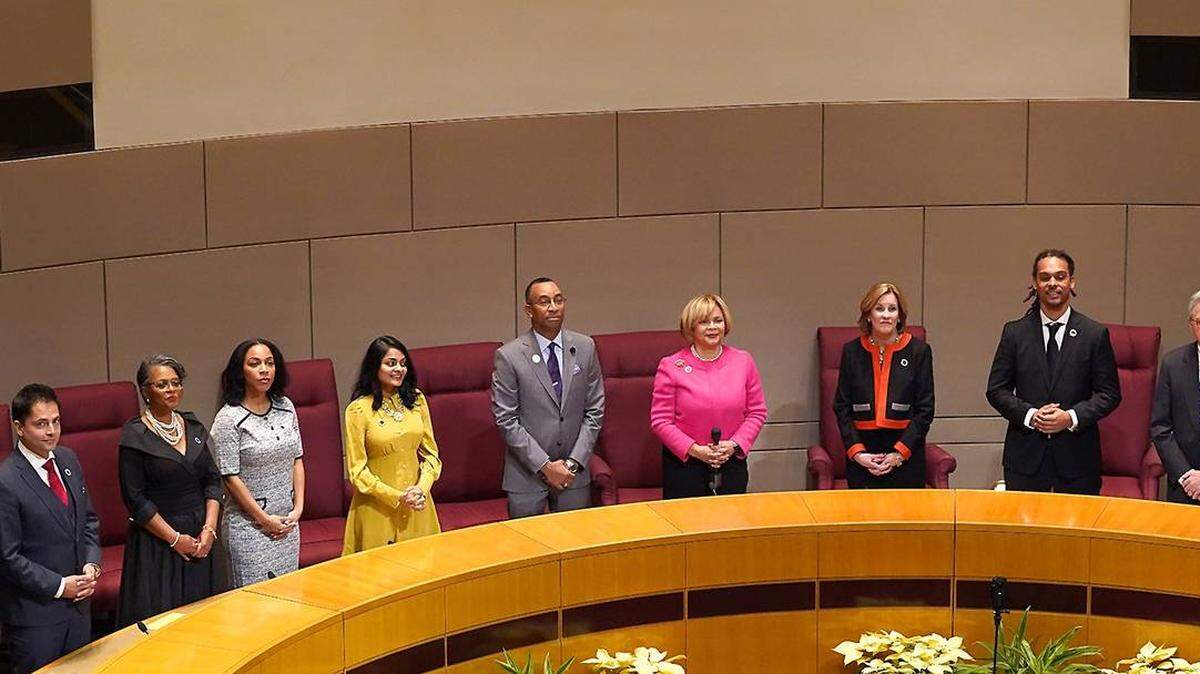
Five years after the state blocked Charlotte’s expansion to its nondiscrimination ordinance with House Bill 2, the City Council on Monday unanimously approved expansive protections for LGBTQ+ people and some of the city’s most vulnerable residents.
While Charlotte has had the authority to enact new protections for gender identity, gender expression, sexual orientation and natural hairstyles since December, the City Council waited until Aug. 2, to review a proposed nondiscrimination ordinance, commonly referred to as an NDO, for the first time.
Ahead of the vote, Council member Larken Egleston heralded the NDO as a “community victory.” Council member Matt Newton said he “could not be any prouder to support it.”
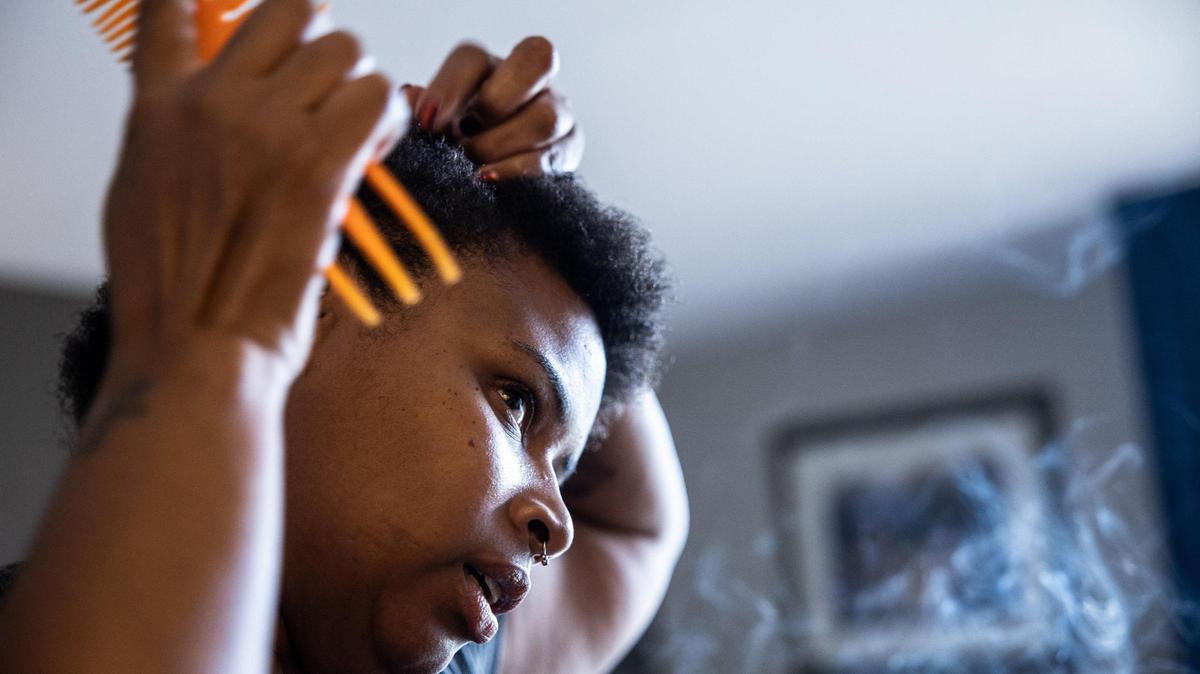
Charlotte’s nondiscrimination ordinance now includes protections for gender identity, gender expression, sexual orientation and natural hairstyles.
Council member Malcolm Graham said he supported people feeling free and expressing themselves as “proud humans, with dignity and respect.”
“It just amazes me that we’re here and that we have to discuss these kinds of things, but I can tell you if we don’t, the consequences can be deadly,” Graham said.
The city’s new NDO is applicable to all employers, large and small — a point of uncertainty for city attorney Patrick Baker, who has expressed concern about Charlotte’s ability to handle a flood of discrimination complaints from large Charlotte-based employers.
Baker had recommended the Council pursue an NDO for businesses with 14 or fewer workers, in order to close a gap in federal and state law.
Customers and visitors cannot be discriminated against in places of public accommodation either, under Charlotte’s NDO.
This nondiscrimination ordinance does not apply to religious organizations, including those with paid employees where a condition of employment requires adherence to tenets of religion. There’s also an exemption for private clubs or membership-based groups.
It does not cover protections for political affiliation, despite a separate proposal and failed substitute motion Monday from Council member Tariq Bokhari.
This NDO does not address public bathroom regulations, Baker has emphasized.
Mayor Vi Lyles promised earlier this summer, and again last week, that the City Council would vote on the ordinance Monday, even as officials grappled with key details of the NDO.
At the start of the meeting, Lyles said providing “equitable remedies” is “essential to our city fabric.”
“I really do believe this is such a right thing to do,” Lyles said moments before the vote.
But it remains unresolved how Charlotte will enforce the NDO, such as levying steep fines, as some Council members and residents have lobbied for.
It’s also unclear how this NDO could impact Charlotte’s budget, including hiring more city staff to handle discrimination complaints.
Lyles referred the NDO’s enforcement mechanism to the Budget and Effectiveness Committee, which will develop recommendations for the full council to consider.
Most of the NDO will go into effect Oct. 1, while the employment provision will be enforced Jan. 1.
Fighting for freedom
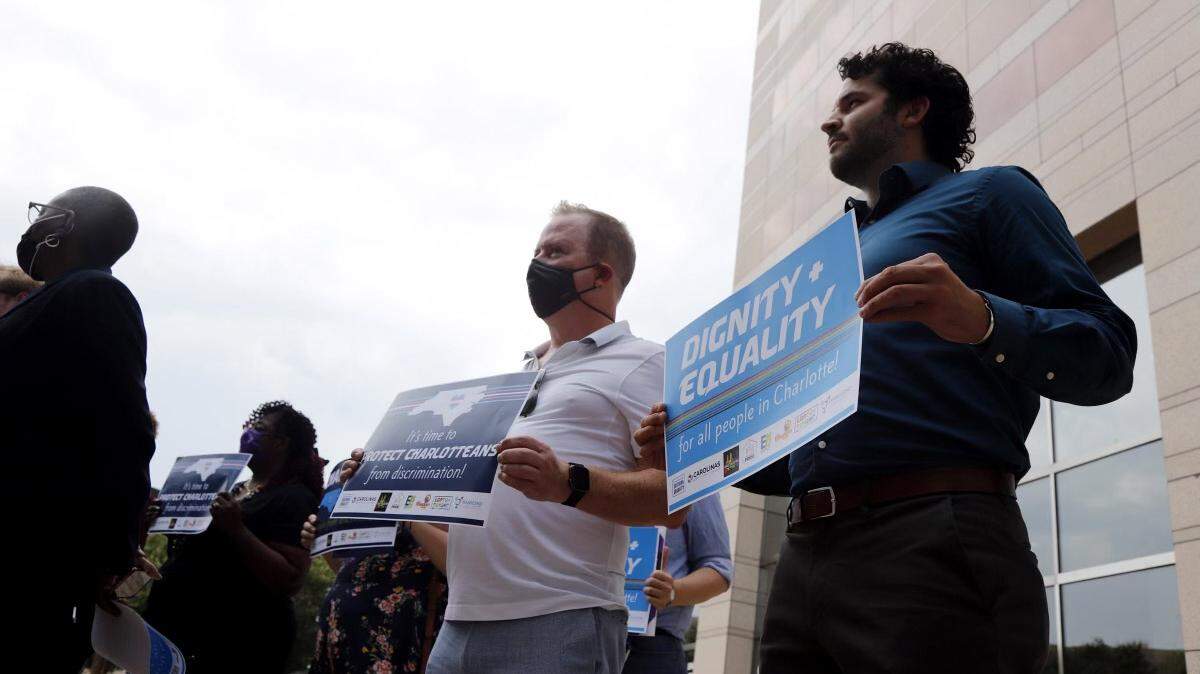
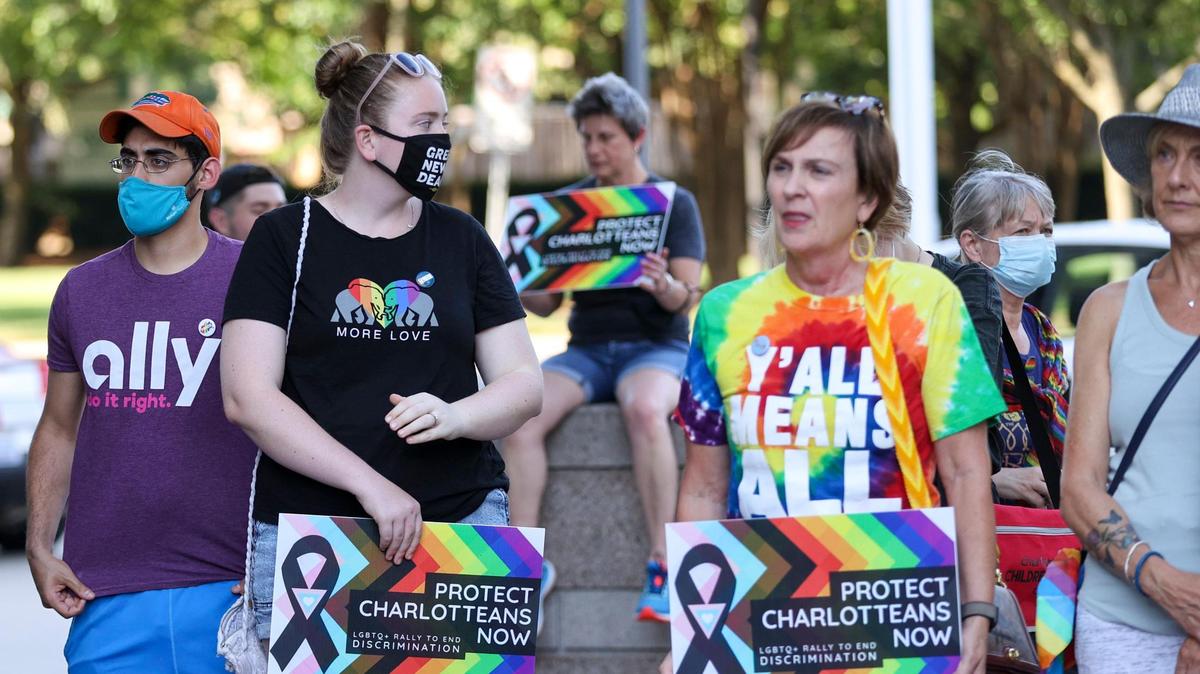
Under an overcast sky on Monday afternoon, advocates and activists stood in front of the Government Center to come together “as a family” to urge the City Council to expand its nondiscrimination ordinance.
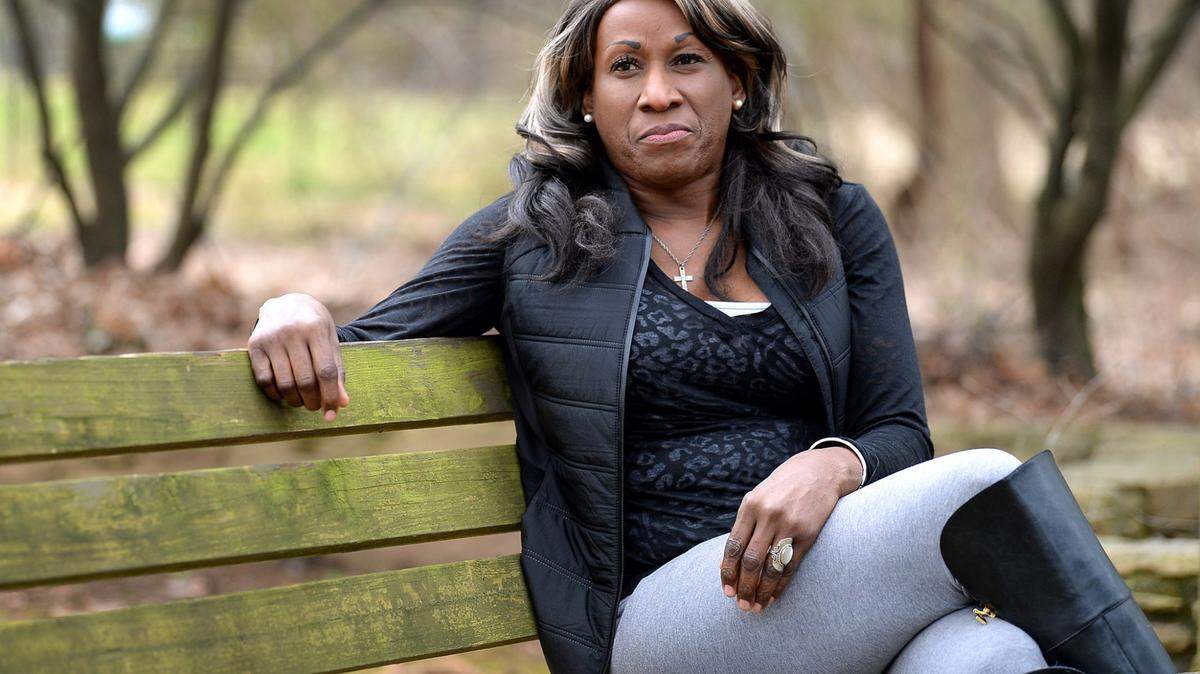
Wind ruffled Jenny Gunn’s violet-streaked hair, as she joined others in sharing anecdotes about why the NDO is important. The nondiscrimination ordinance, at its foundation, revolves around one thing, she said.
“This is about freedom,” Gunn said.
Gunn, a transgender woman, said she has struggled with employment because of her gender identity. Expanding the NDO could mean feeling secure in her identity in Charlotte, she said.
Her story was not an outlier. Some invoked the recent deaths of two Black transgender women, Jaida Peterson and Remy Fennell, as a somber reason for passing the NDO. The Human Rights Campaign has said Charlotte is the second deadliest city in the country for transgender and gender non-conforming people.
While members and allies of the local LGBTQ+ community implored the Council to pass the NDO during the meeting, several people — listed by city officials as residing outside Charlotte — made openly homophobic comments before the historic vote. They decried specific members of city leadership and argued that the nondiscrimination ordinance infringed on their religious rights.
But Mayor Pro Tem Julie Eiselt cited scripture, too, in order to emphasize the need for the NDO.
“I live my spiritual life every day,” she said, calling this vote the most consequential of her time as mayor pro tem. Quoting the Bible, Eiselt ended, “Whatever you do to the least of these, you do also to me.”
Erin Barbee of the Carolinas LGBT+ Chamber of Commerce said Charlotte has been the country’s largest city without LGBTQ+ protections, and recounted how the events of 2016 — the passage of House Bill 2 — impacted the local economy.
“The nation took notice then,” she said. “And the nation will take notice now.”
HB2 history
The fight to legally expand LGBTQ protections in Charlotte came to a standstill five years ago.
The City Council voted to expand its nondiscrimination ordinance to include LGBTQ+ protections in 2016. But those protections didn’t stay in place long.
North Carolina state legislators responded with the controversial HB2, referred to as the “bathroom bill,” which was designed to prevent transgender people from using bathrooms that correspond with their gender identity.
After statewide and national outcry, HB2 was repealed and replaced with House Bill 142, which still prevented North Carolina cities from passing their own protective ordinances and nullified Charlotte’s vote. But the limitation on municipalities expired in December, and cities and towns across the state have since adopted their own nondiscrimination laws.
Mecklenburg County commissioners unanimously adopted a protective policy in February. But since there is no enforcement component, it is largely symbolic.
In Charlotte, advocates and community members had been working toward Monday’s vote for more than half a year.
As Gunn heard each council member vote in favor of the ordinance, echoed one after the other, she couldn’t stop the tears.
“My adopted city of Charlotte values me, values us,” she said. “This is one of those cases where the political body did the right thing, and it feels good.
“This is a happy ending.”
This story was originally published August 9, 2021 at 7:34 PM with the headline "‘Right thing to do.’ In historic vote, Charlotte expands LGBTQ protections."