Will Weldon Boyd face criminal charges in shooting death of Scott Spivey?
A judge’s decision to deny civilly a North Myrtle Beach restaurant owner’s claims of self-defense in a 2023 deadly shooting could open the door for criminal charges to be filed.
But whether that will happen appears to rest with the South Carolina Attorney General’s Office, which has previously declined to file charges in the case.
Weldon Boyd was denied immunity under the state’s Stand Your Ground law following a four-day hearing last week in a Horry County courtroom, where for the first time in a public setting he talked about shooting and killing a North Carolina man more than two years ago.
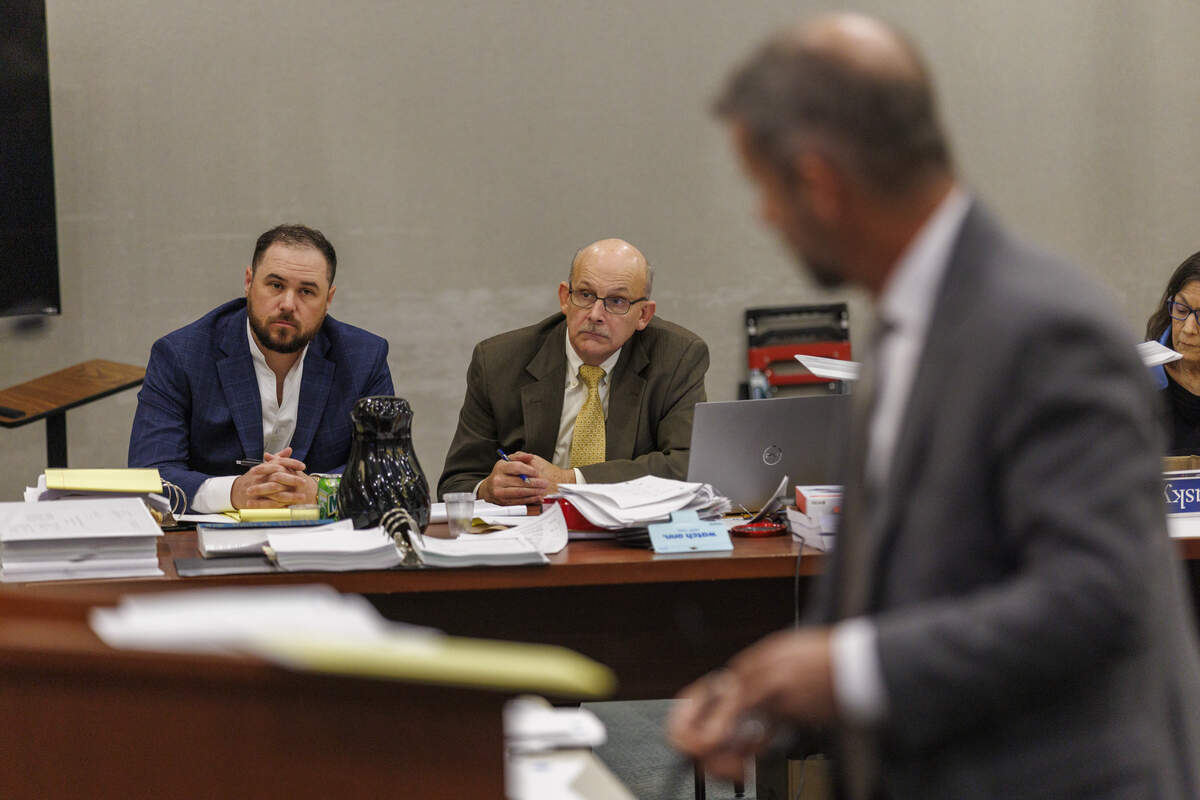
Boyd and his passenger, Kenneth “Bradley” Williams, are facing a civil lawsuit from the family of Scott Spivey, who claim the two men chased the 33-year-old for miles before killing him in a gun battle along Camp Swamp Road on Sept. 9, 2023.
While Boyd was denied immunity, Circuit Court Judge Eugene Griffith Jr. has yet to decide on whether the same will be given to Williams.
It is not known if Boyd will appeal the judge’s decision.
“We are of course disappointed with the decision and feel that it contradicts the overwhelming evidence presented that Mr. Spivey was the true aggressor on that September day,” Boyd’s attorney Kenneth Moss said by email. “We plan to look at all options available to the defendants.”
Moss did not address whether he was concerned that Boyd could be charged criminally. A message left for Attorney General Alan Wilson’s office on the possibility of criminal charges was not returned.
Boyd and Williams said Spivey was driving erratically, eventually running Boyd off the road, and waving and pointing a gun at drivers, including Williams. The two men called 911 and claim to have followed Spivey to alert police of his location. The pursuit eventually led to the shooting, which both men assert was self-defense.
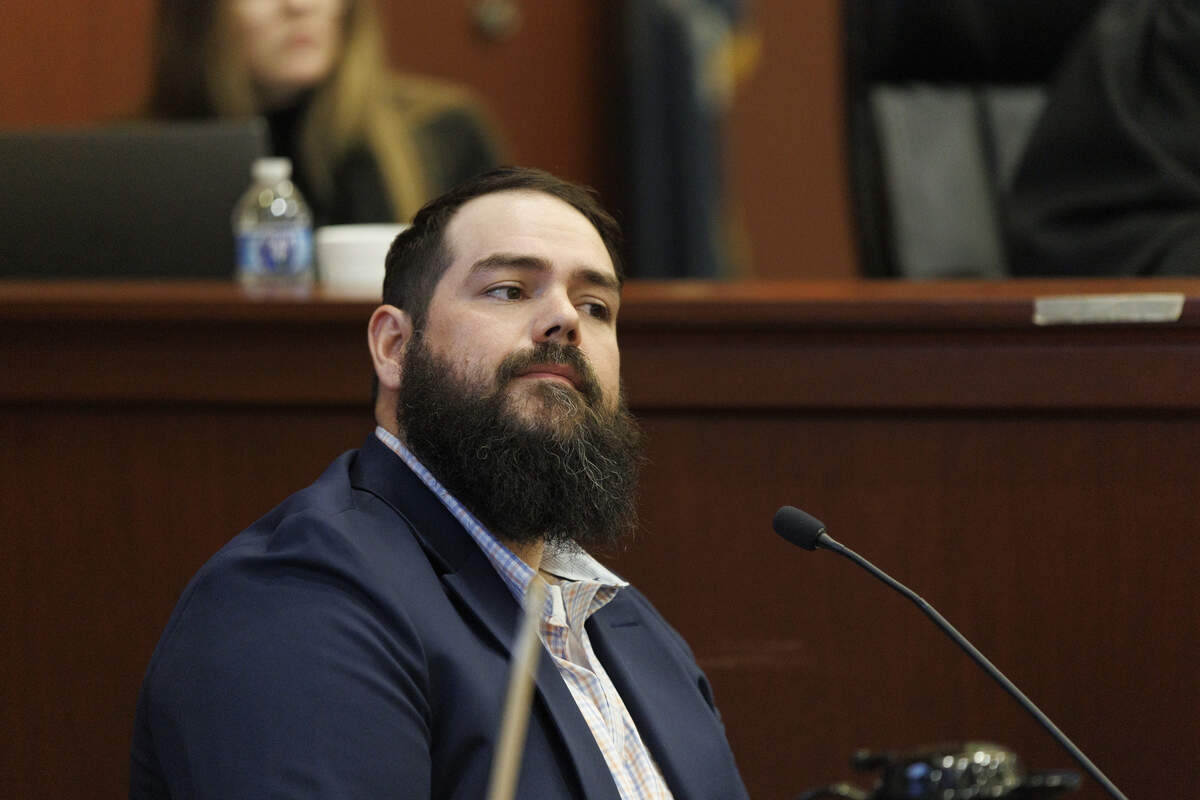
But evidence uncovered in the family’s wrongful death lawsuit and presented during the hearing cast doubt on that claim.
How the Stand Your Ground law works
Both men have avoided criminal charges in the case after the AG’s Office said their actions fell under the Protection of Persons and Property Act, commonly referred to as Stand Your Ground law.
The law allows people to use force, including deadly force, to protect themselves against a perceived threat. South Carolina’s law specifically eliminated the duty to retreat when a person is somewhere they have a right to be.
The law, and how it’s being interpreted, stands at the center of the fatal shooting that has attracted national attention amid allegations of police misconduct.
What makes this case unusual is that the Attorney General’s Office, after reviewing law enforcement’s investigation of the case, used the law as its reason for not filing charges against Boyd and Williams. Generally, after an arrest is made, charges are filed first, and then a defendant files a motion asserting immunity under the law.
The court then schedules a hearing, which functions as a sort of mini trial, where evidence is presented to a judge who determines whether prosecution can continue. If immunity is granted, the charges are dismissed.
The same occurs in civil cases, which is what happened during last week’s hearing. Now that the judge has denied immunity for Boyd, the civil case against him can move forward.
While the law protects a person’s decision to use force, protection disappears if that person starts the confrontation or uses aggression such as “threats, chasing someone, or escalating a situation,” according to information provided by Kent Law Firm in Manning. “The law protects defensive action, not retaliation,” the firm said.
Evidence presented during the civil hearing, including audio recordings taken from Boyd’s phone where he describes that he “chased” Spivey and had a “f***ing blast” during the shooting, contributed to the judge’s decision.
Will attorney general change his mind?
Attorney General Alan Wilson, in an August 2025 letter regarding his decision not to charge the two men, said, “If new material evidence comes to light, whether through the ongoing civil proceedings, further investigation, or new reports to law enforcement, we are fully prepared to reevaluate the case.”
In October 2025, Wilson asked 7th Circuit Solicitor Barry Barnette to review the shooting death of Spivey, particularly South Carolina Law Enforcement Division’s investigation into the Horry County Police Department’s handling of Spivey’s case after allegations of police misconduct.
The letter asked Barnette to make any prosecutorial decisions regarding potential misconduct in Spivey’s death.
Earlier this month, Barnette impaneled a grand jury to review his findings. Information on why a grand jury was convened or what was presented was not released.
It’s also not clear if Barnette will recommend criminal charges be filed against Boyd and Williams. A message to Barnette’s office was not returned Monday.
The Attorney General’s Office was asked to review the case after Horry County Solicitor Jimmy Richardson recused himself from the case. SLED also reviewed the case that was initially investigated by the Horry County Police department.
Spivey’s family raised several concerns about HCPD’s handling of the case and alleged misconduct by officers, many of whom were friends with Boyd.
At least five HCPD officers — including one who resigned and another terminated for their role in the case — have been accused of misconduct. Three officers were disciplined after seven videos of officers’ dash cam footage from the night of the shooting was discovered. The footage was said to be mislabeled.
The involved officers were part of HCPD’s internal investigation of the Spivey case. It comes after 90 audio recordings and hundreds of text messages from Boyd and officer body cam footage showed that Boyd was allegedly getting preferential treatment because of his relationship with officers on the force.