Historic, fraudulent FAMU gift came from his hemp company. What we know about the business
READ MORE
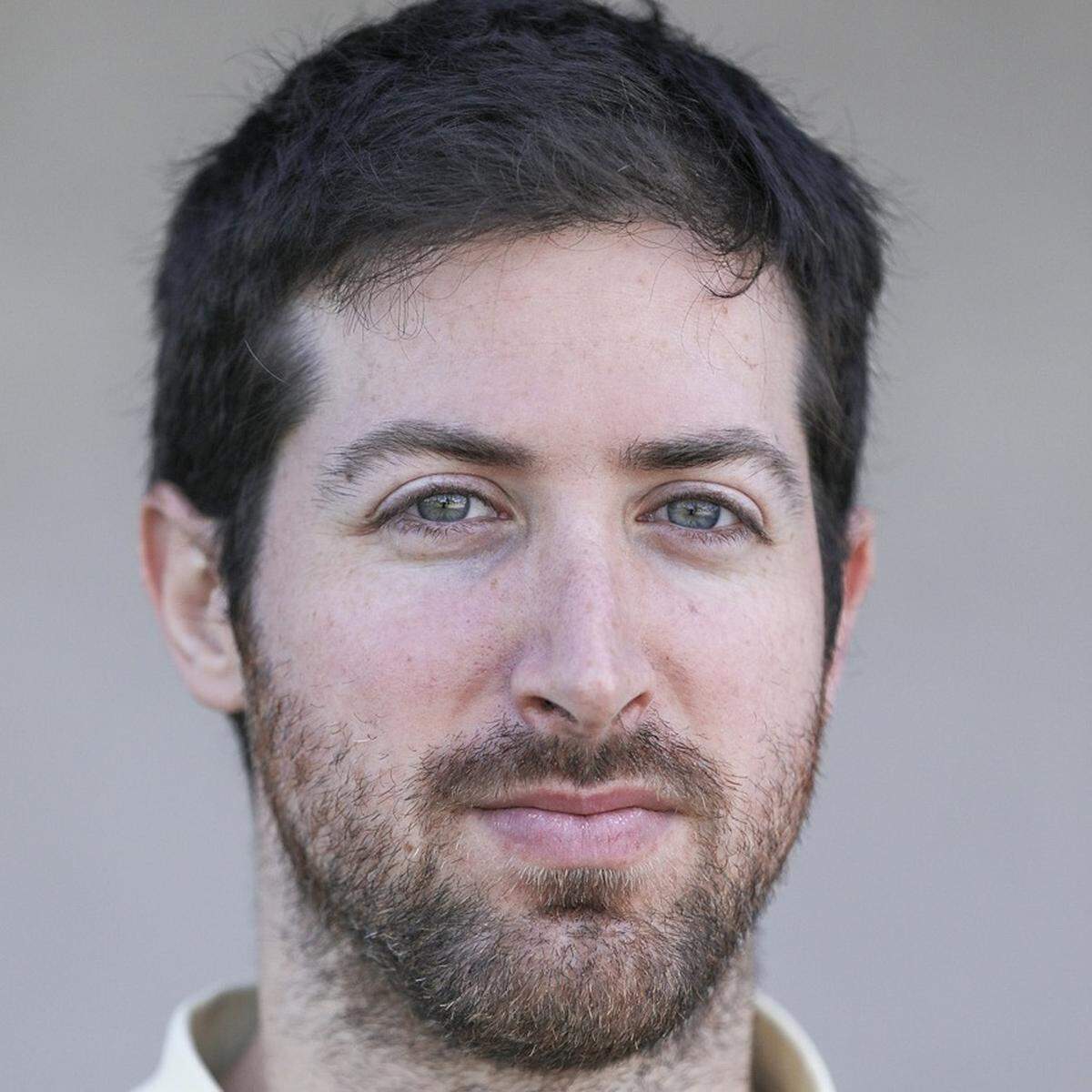
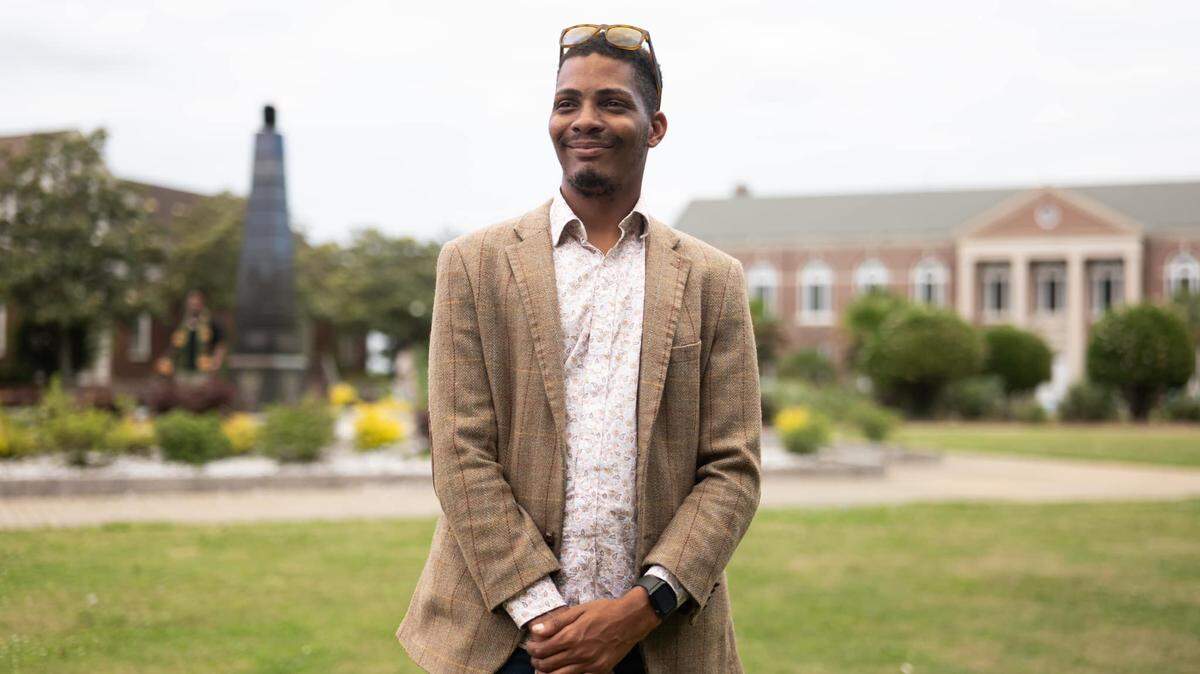
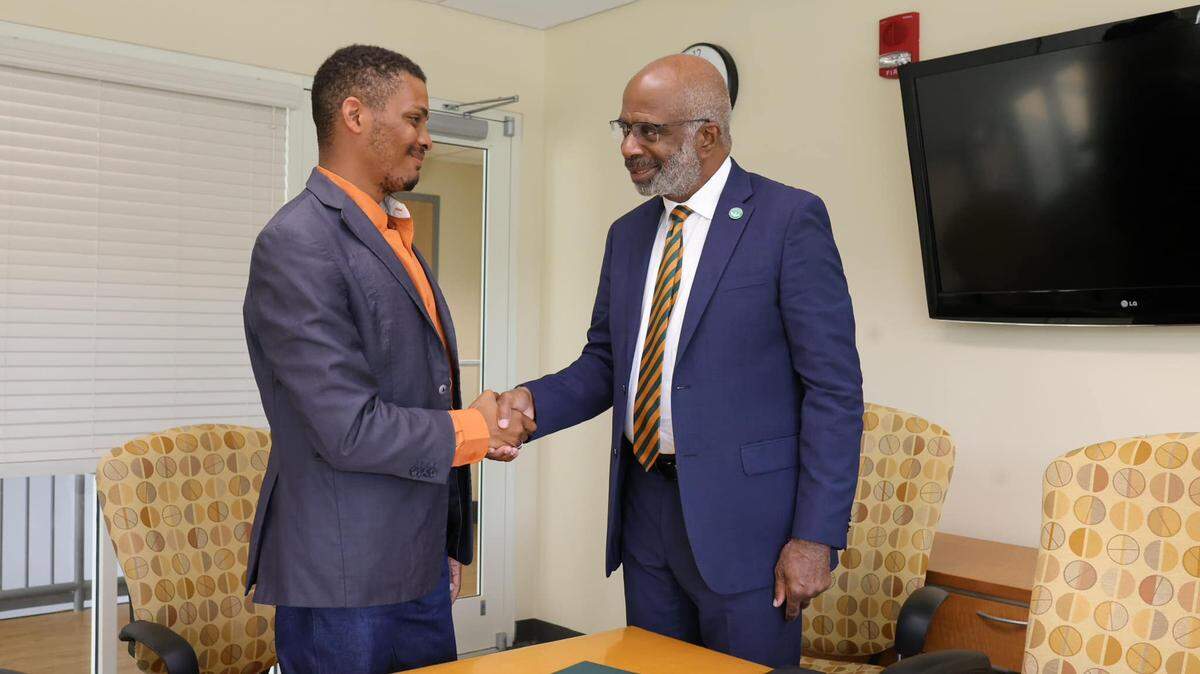
Gregory Gerami
Gregory Gerami’s $237 million donation to Florida A&M University was fake, investigators say. Here’s the story behind how he deceived the Florida HBCU, South Carolina’s Coastal Carolina University and others.
Expand All
Ricky Reyes squeezed past a pair of cardboard boxes he still needed to unpack after hearing a firm knock on the wooden front door.
He and his wife had recently moved into their San Antonio-area dream home, so Reyes figured it was another neighbor coming to introduce themselves. But as he reached for the door handle, he caught a glimpse through his floor-to-ceiling window of a gold, beat-up pickup truck with an old lawnmower in its bed.
“Hi, I’m Greg,” the slender, smiling man with holes in his shoes introduced himself. He had a contract with the previous homeowner to cut the lawn for $20 bimonthly, he explained to Reyes, and offered to continue that deal.
Landscaping is known to be part of Gregory Gerami’s origin story — turning a small-scale operation into a multimillion-dollar property management business — but he’d been done with that for years, his former business associates thought.
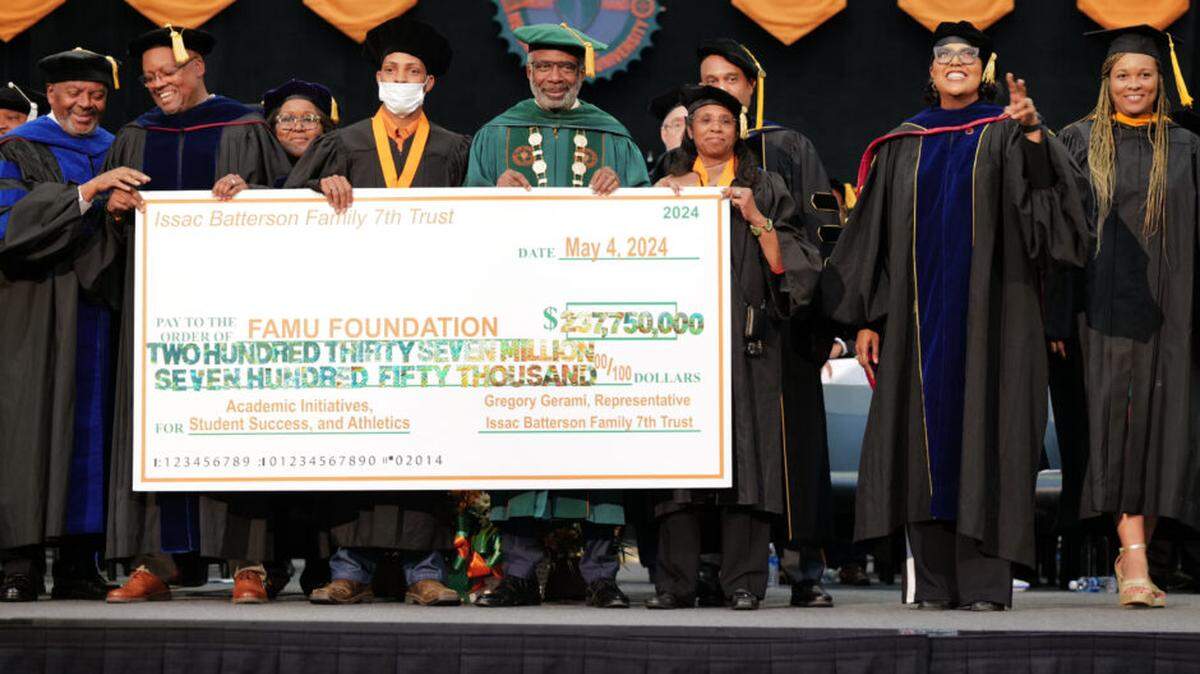
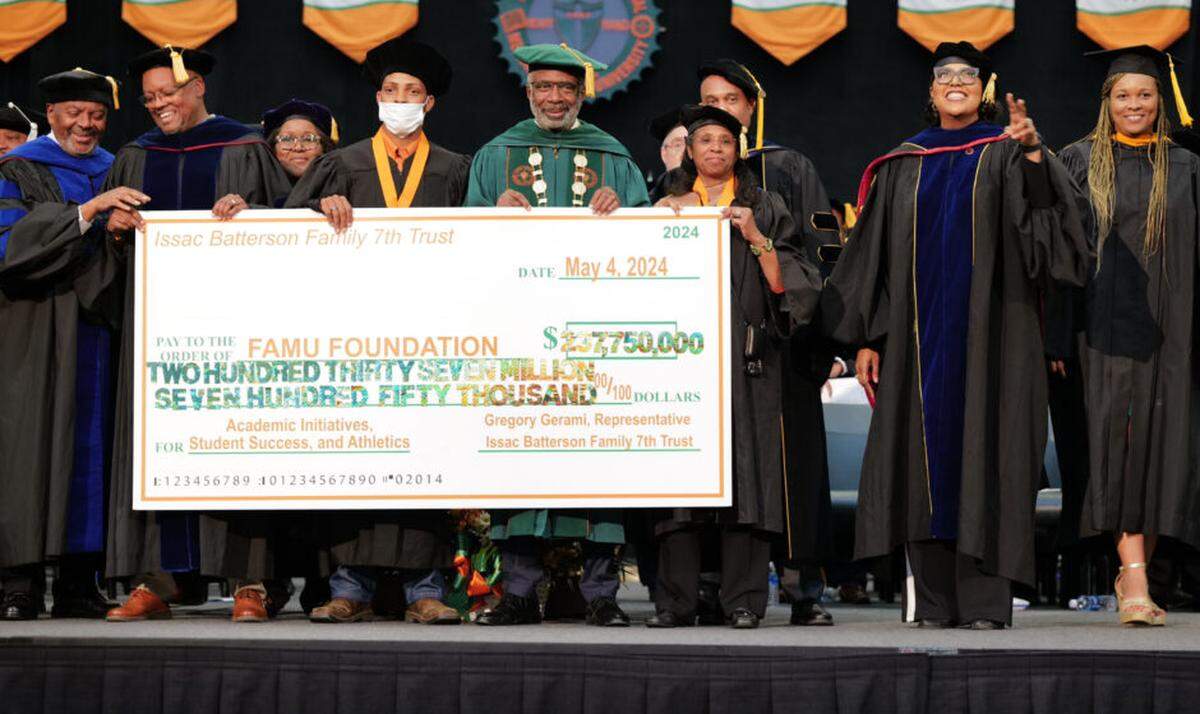
Since then, he’s planned a $480 million redevelopment in Alabama in 2017, pledged $464 million to Coastal Carolina University in 2020, and most recently showed up on stage at Florida A&M University’s commencement to announce a $237 million donation, the largest ever to a historically Black college and university.
But Gerami was still cutting lawns as recently as February 2023, advertising his services on social media for $70-$80 per month. Gerami told The Sun News he started another landscaping business after selling the first one, but he doesn’t cut lawns anymore, declining to specify when he stopped.
Reyes agreed, and Gerami kept his word, mowing the grass every other week, while taking the opportunity to chat with his new customer about his successful multi-million dollar real estate ventures.
“Why is he cutting grass if he just sold this multi-million dollar property?” Reyes thought to himself, countering that “you can’t judge a book by its cover.”
“What a humble guy to have all this money and still be cutting lawns,” he decided, though maybe Gerami should consider buying a new truck or lawnmower.
Reyes dismissed Gerami about a year later from his lawn care duties at his wife’s behest — he wasn’t trimming well enough, she complained — but the two had a friendly relationship, so Gerami kept him in the loop as he pursued his newest business venture, Batterson Farms Corp.
It’s the company he’d later convince FAMU officials was worth more than $1 billion, donating 15 million private equity shares to represent the historic gift. He planned to take the company public, he told them, and they’d be able to make hundreds of millions off the initial public offering. Investigators later deemed the donation fraudulent.
Getting business started
Gerami registered Batterson Farms in Texas in Sept. 2021, initially pitching the company as centered around microgreens, according to former associates of Gerami who were involved from the beginning. He soon pivoted to a focus on hemp, procuring a Texas hemp producers license in December 2022.
Gerami had expressed an interest in hemp before. The $464 million donation pledged to CCU was supposed to come from a company leasing his land to harvest hemp for CBD products, internal records showed. He also worked out a deal in 2019 with two California-based companies to invest $5 million in two hemp farms in Oregon.
Darrell Burns, CEO for one of the companies involved in that deal, told The Sun News he worked with Gerami for more than a year to get everything in place for that project, but he never provided the capital.
Kimberly Abbott, a former Birmingham council member who agreed to serve on the Batterson Farms board, said board meetings regularly lasted up to four hours, mostly consisting of Gerami rambling about trying to find new ideas for the company to make money, whether it was selling products, securing government grants or recruiting new investors.
“I always got the impression he was just throwing ideas out there trying to see what stuck to the wall,” she said.
Gerami continuously touted elaborate financial projections and potential earnings to his business partners, but there was minimal evidence he was making any progress, an unnamed former associate told FAMU investigators. Tensions were rising with others involved expressing frustration and at least one partner threatening litigation, Abbott recalled.
Despite turmoil behind the scenes, Gerami publicly projected major success for Batterson Farms, garnering news coverage in April 2023 for his purchase of a 114-acre property in west Texas he planned to turn into the area’s largest hydroponic hemp farm, creating up to 600 jobs.
Tillery Timmons-Smith, a board member for National Hemp Growers Association in Texas, said she had never heard of Gerami or Batterson Farms when some association members started sending her that story. She was immediately skeptical because she knew that property, and its warehouses were designed for growing cotton, very different from the conditions needed to grow hemp in the manner he described to the news reporter.
He didn’t actually purchase the property, and Gerami claimed he never told the news station he did, though it was under contract. Abbott said he told board members he purchased the property.
Historical hemp fraud
Batterson Farms initially planned to purchase land and farm hemp itself, Gerami told The Sun News, but they decided it was more profitable to become more of a middleman, contracting with hemp purchasers and then leasing land with hemp farmers, who will do all the work.
People in the hemp industry refer to this type of business as a broker, and they have historically been a source for a lot of fraud that’s harmed farmers, according to Kyle Bingham, president of the hemp growers association.
Brokers with little or no agricultural experience will approach farmers touting how easy it is to grow hemp and how profitable CBD can be, but good quality hemp grown to maximize CBD production requires just as much nutrients and water as corn, Bingham explained. So a majority of the crop dies within months if the farmers believe what the brokers tell them, he said. And if the price of CBD falls below what the broker promised to pay the farmer, they’ll just back out of the deal, knowing farmers aren’t likely to pursue litigation.
“The big reason 90% of farmers have gotten out (of hemp farming) and why other farmers don’t want to come in is because farmers don’t get paid,” Bingham said. “Someone got screwed over or you saw your neighbor try it and they got screwed over, so you’re not going to try it.”
Gerami has told The Sun News he has leases worked out with farmers that specify he won’t pay them until he gets paid by the purchaser, but Timmons-Smith said she can’t imagine any farmer would agree to that, certainly not for a hemp grow.
Gerami has shared with The Sun News portions of a contract he signed with another broker company to purchase hemp his company grows, but he has not provided proof of any leases with farmers. That other company has been trying to terminate the contract.
Courting investors
Reyes was proud of Gerami when he sent him a link to the news story about his west Texas land purchase, and intrigued when asked whether he wanted to be an early investor.
He attended a few Zoom meetings with other potential investors and board members, he said, and was dubious of the outlandish profit projections Gerami was describing, but was comforted by the fact that other attendees seemed to believe him.
“The numbers were absurd to the point I was, like, skeptical of course, but what if I get lucky, right?” Reyes said. “I was still confused, but I was like, well, these people believe it.”
Gerami initially asked Reyes for a $10,000 investment for a 20% stake in the company’s seed selling venture and 10,000 shares in the primary company. Reyes showed interest, but ultimately balked, noting he needed that money to care for a newborn and his work in the military meant he likely couldn’t invest in a hemp company. Gerami persisted, lowering the investment request while keeping the stake and shares the same. $7,500? $5,000? $2,500?
Investment opportunities are running out, Gerami texted Reyes, urging expediency. Look how good I’m doing, he’d add, sharing a redacted purchase form for a 2023 Porsche. And just think of hemp’s limitless potential, he posited.
“Bro we do cancer research right now we are doing seeds clothing animal bedding looking at doing mulch also we are looking hemp fossil fuel also like so many things,” Gerami texted.
Reyes caved at $1,500, sending it through a Venmo-like peer-to-peer transfer platform to Gerami, who promised he’d keep the investment separate from the hemp side of the company. But the contract Gerami sent him days later listed hemp farming as the purpose of their partnership. When Reyes asked him to alter it, Gerami told him that would require more money. Suddenly feeling a sense of regret about the whole thing, Reyes asked for the money back. No refunds, he was told.
“That was the big moment, like, yep, I got hustled,” Reyes said.
Gerami told The Sun News that Reyes only invested in a separate partnership within Batterson Farms focused on selling seeds, and that partnership currently has no money.
Is he making money?
It’s unclear how much money Gerami has received from investors for Batterson Farms or any of his other business ventures.
Willie Brewer, a former associate of Gerami, told The Sun News he invested about $2,000 in the company, and an unnamed former associate told FAMU investigators that Gerami initially sold 5 million shares to investors for $10,000.
A partially redacted list of shareholders Gerami provided Reyes last year showed Gerami owned about 85% of Batterson Farms, representing more than 50 million shares. Abbott was listed with 20,000 shares — compensation for serving as a board member. She said Gerami bought her out of the company earlier this year for less than a dollar total.
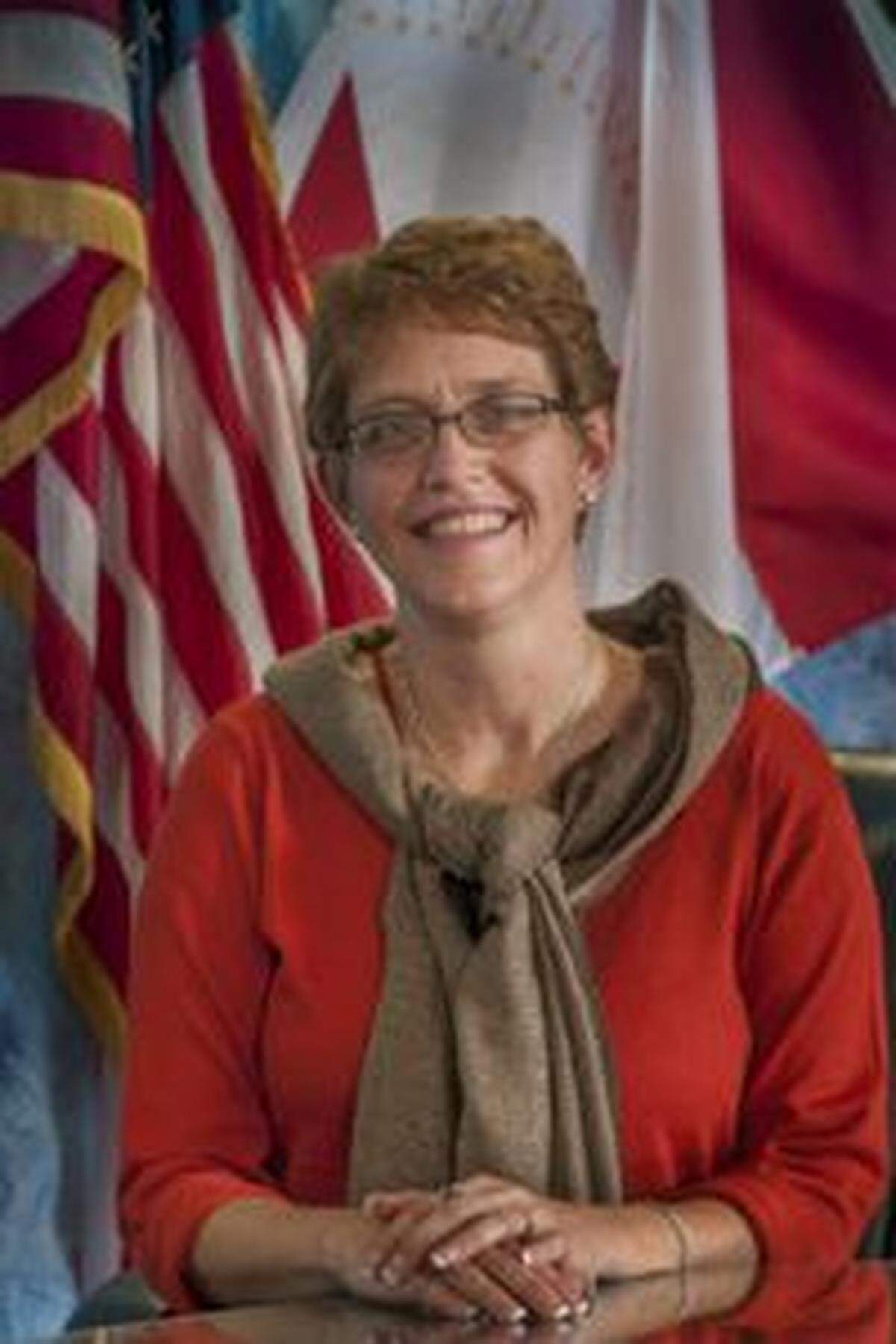
Barbara Blain-Bellamy, mayor of Conway, the city where CCU is located, was shocked to learn she was listed as having 10,000 shares when contacted by a Sun News reporter.
“Oh lord, oh, I own 10,000 shares? Oh my … maybe you could hear the delight in my voice,” she said sarcastically. “I’ve never owned 10,000 shares of anything, and I wonder if a share is worth a penny.”
Gerami told others Blain-Bellamy was part of his board, but she denied that claim.
She’d met Gerami when he was in discussions with CCU about the donation there, but she became more skeptical of his wealth the longer she spoke to him, Blain-Bellamy told The Sun News. He asked her to serve on his board, but she declined multiple times, she added.
Numerous other Batterson Farms shareholders and board members declined to speak with The Sun News, citing nondisclosure agreements that Gerami had them sign. Gerami told The Sun News his company has “very strict” NDAs, and he frequently cited those agreements during interviews with The Sun News as a reason to avoid answering questions.
Reyes continued communicating with Gerami even after he felt he’d been scammed, partially in hopes of convincing him to give back the money and partially because he’d started to find the elaborate lies entertaining.
Gerami texted Reyes a link to a Facebook Live video for Florida A&M’s graduation ceremony the night before he made his donation announcement.
“Can I get my initial investment back now?” Reyes responded after watching. “(237) mil im sure you got 1500 lol.”
No, Gerami responded, but you can invest some more if you want.
This story was originally published November 15, 2024 at 5:00 AM.