Behind the quick collapse of Coastal Carolina University securing a $95 million donation
A planned gift to Coastal Carolina University that once promised to be the largest donation in school history quickly disintegrated, in part, because the donor felt disrespected by certain university officials.
When CCU announced in July 2020 that it had secured a $95 million planned gift from an anonymous donor, the school’s then-president touted the “transformational gift” as one that would impact the university “forever.” But the relationship with that donor fell apart less than four months later.
Hundreds of internal emails among CCU officials and the donor during the lead-up to and aftermath of the planned gift announcement, reviewed by The Sun News as part of a Freedom of Information Act request, and an interview with the donor provide a glimpse into how that partnership soured.
“If you can’t hold to y’all word and verbal agreement as such is in Alabama and Texas the time of the agreement, then I have nothing else to say to ccu or to deal with ccu,” the anonymous donor wrote to former CCU President David DeCenzo and Bryan Steros, former interim vice president for philanthropy, in a September 2020 email with the subject line “Respect and honor.”
“I’ve put up with drama lack of communication racism and comments back and forth no reply,” the email concludes.
About seven weeks later, the university sent out a press release that it was terminating its agreement with the donor, citing an unfulfilled early expectation of the arrangement.
The university does not have knowledge of the context of the donor’s claims of disrespect and racism, CCU spokesman Jerry Rashid wrote, adding that CCU has a policy prohibiting discrimination on the basis of race, color, religion, sex, sexual orientation, gender identity, gender expression, national origin, age, genetic information, mental or physical disability, or status as a disabled or Vietnam-era veteran in its admissions policies, programs, activities, or employment practices.
Who was the ‘anonymous donor?’
University officials redacted the donor’s name and contact information from the emails, citing an exemption in South Carolina public records law allowing them to protect the identity of someone who gives a gift to a public body that is contingent on their anonymity.
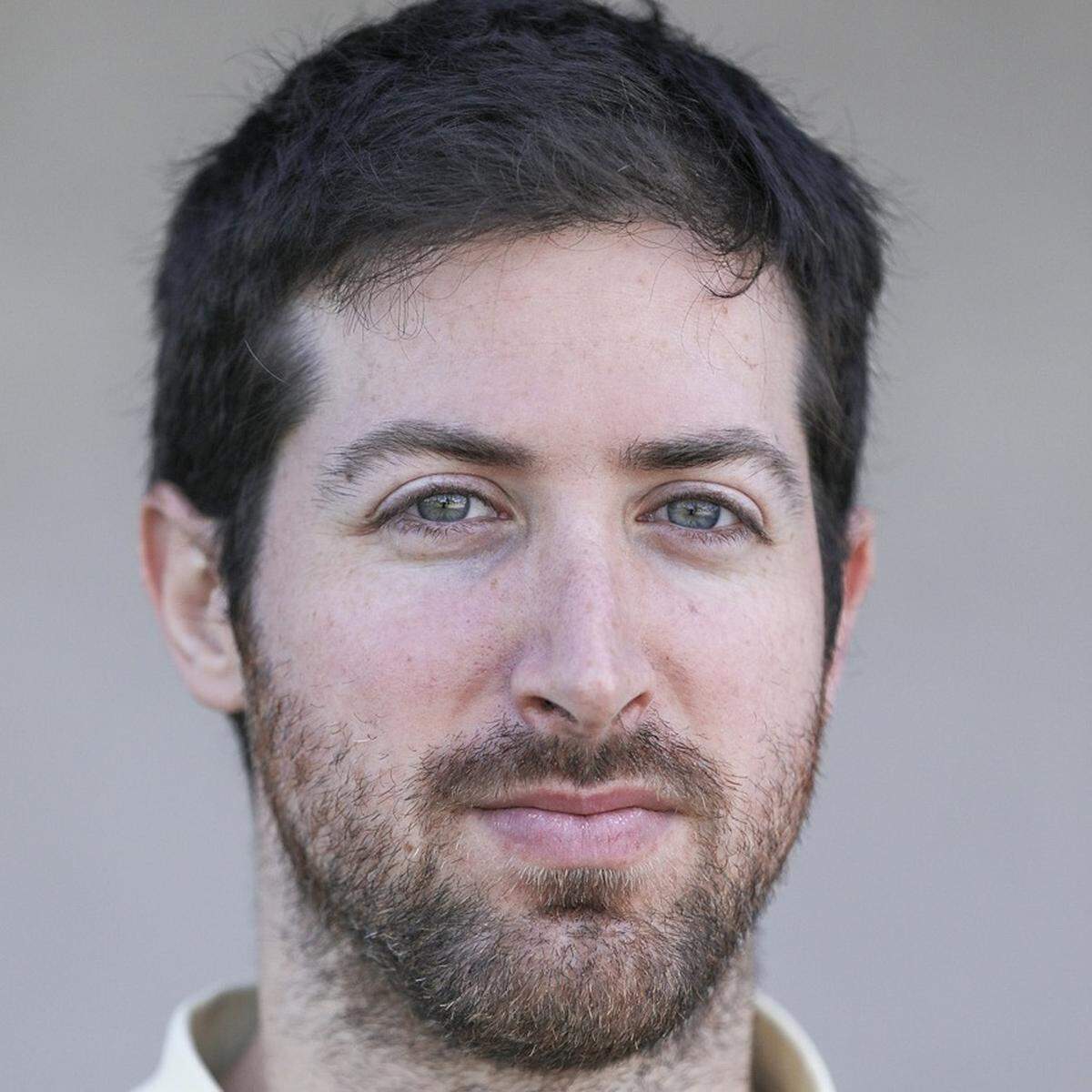
But The Sun News was able to identify the man described as the anonymous donor in CCU’s initial press release — an African American entrepreneur and philanthropist under 30 years old living in Alabama with a background in financial services and agriculture — as Gregory Gerami, the president and CEO of a hydroponic farming and hemp plastic company in Texas.
Gerami reluctantly confirmed he was the donor after multiple conversations with a Sun News reporter. He initially asked to remain anonymous for this story and later denied he was the donor, insisting he was just part of a team representing another person.
But he had already referred to the money promised to CCU as being in his will, and he agreed to admit he was the donor after being asked about that inconsistency.
Gerami said his relationship with CCU began because he was dating someone at the time associated with the university, and he had “some tax things” he needed to offset.
Most of his interactions with university officials, including DeCenzo and Steros, were positive, Gerami said. DeCenzo and Steros declined to comment for this story.
But Gerami said he felt disrespected by two other officials, one of whom is no longer with university, including one interaction he described as racism and another where he was being asked inappropriate personal questions that weren’t relevant to his potential donation.
“I just decided enough is enough, and this isn’t working for me,” he said. “I have no ill feelings toward Coastal. I just think we were doing too much and weren’t dating long enough to be spending that kind of money on dates if that makes any sense.”
Future donation and immediate scholarship contribution
The press release announcing the $95 million commitment described it as a planned gift, which includes language in a donor’s will or trust specifying a gift to an organization that is most often granted once the donor passes away.
But there was a separate signed gift agreement with Gerami involving more immediate contributions that he didn’t want mentioned, internal emails show.
The Sun News requested signed gift agreements worth more than $5 million as part of its records request, but CCU officials responded that those agreements are not subject to disclosure because they are retained by the Coastal Educational Foundation, a nonprofit affiliate of the university that helps support their scholarships and other programs.
Gerami’s initial gift was listed as worth up to $38.5 million, according to emails between Steros and Gina Markland, the foundation’s compliance and planned giving officer.
CCU recently announced a $10 million contribution from Conway Medical Center as the largest single gift ever received by the university.
About $12 million of Gerami’s initial gift was earmarked for an endowed scholarship program that would support up to 25 scholarships for students from Mississippi, Alabama, Louisiana, Texas and Kentucky, the emails show.
Gerami told The Sun News that the intent of the scholarship program was to give minority students from those states an opportunity to attend CCU that they otherwise wouldn’t have. He added that the other gift agreement was scrapped in favor of working on the planned gift, but the internal emails show staff discussing that agreement the same day the press release was published.
Did CCU know deal was shaky before announcement?
University officials, in consultation with Gerami, began drafting the press release announcing the major planned gift during June 2020, internal emails show, and DeCenzo wanted the communications team at that time to be careful not to portray the donation as a done deal.
“Jerry, here’s my concern,” then-President DeCenzo wrote to Jerry Rashid, CCU communications director. “This says the commitment has been made which means an agreement exists which then gets (requested through the Freedom of Information Act). That’s one thing we all wanted to avoid.”
DeCenzo later asked Rashid to remove language in the press release referring to the university’s endowment campaign securing more than $30 million because it “could cause some concern as to why make cuts given we have $30 million.”
CCU announced job cuts and employee furloughs during 2020, citing the financial impact of the COVID-19 pandemic.
Rashid explained that the cuts helped stabilize the university’s 2020-21 fiscal year budget, while its endowment is primarily used as a long-term investment fund and is not meant to serve as a primary source in financing the operating budget. He added that the use of those funds is often restricted by a donor’s intent as defined in their gift agreement.
DeCenzo continued to express concerns to Steros in the days leading up to the press release for fear that the donor doesn’t follow through with his commitment, he wrote in an email.
The press release ultimately stated that the university “secured” the planned gift, which would provide unprecedented future funding for its academic and athletic programs. It also mentions the donor’s involvement with Miles College, a historically Black college in Alabama, though Gerami said a planned donation to Miles College was also never made.
Despite his grievances, Gerami told The Sun News that CCU is still listed as the beneficiary of stock options in his will. While the university publicly announced it terminated their agreement, Gerami said he never received any termination documents.
Asked if the university would still accept this donation, Rashid reiterated that CCU ended its relationship with the donor based on the terms of the gift agreement established between him and the Coastal Educational Foundation.
“The University actively considers viable donations in support of its mission and vision,” Rashid wrote.
Gerami expressed doubt that the university would turn down his money if it was offered to them.
“If I die tomorrow, and the bank or lawyer or our estate calls, and the lawyer or banker says, ‘Hey, there’s $95 million for you,’ they would take it,” he said. “I promise you that.”
Was there fallout in the fundraising office?
Gerami said he didn’t want to damage the university’s reputation, but hoped his interactions with them turned into a teaching moment.
The university’s Office of Philanthropy — which finalized the planned gift, according to the press release — had some turnover among its leadership around the same time as the deal collapsed. The department has since been renamed the Office for Advancement.
Rashid told The Sun News that there was no correlation between the university’s relationship with the anonymous donor and changes to the fundraising office. Staff turnover was a direct result of the reduction in force initiated in response to the financial impact of the pandemic, he added.
The university spent money sending employees to visit Gerami in Alabama and Texas and to pay for Gerami’s visit to South Carolina, internal emails show.
CCU showed The Sun News the philanthropy office’s 2019-2020 expense report as part of the newspaper’s open records request, but details listed for the transactions weren’t descriptive enough to decipher which costs were associated with those trips. The office spent about $24,500 for out-of-state travel during those two years.