‘Don’t know if we’ll recover’: Myrtle Beach area merchants fear unknown amid coronavirus
With closures continually announced in the Myrtle Beach area amid the coronavirus pandemic, businesses considered non-essential were forced to shut their doors on Wednesday with many feeling the uncertainty of what’s to come.
S.C. Gov. Henry McMaster issued an executive order on Tuesday requiring all businesses that fall under the guise of non-essential to shutter their doors on April 1 at 5 p.m. for at least 15 days. The order not only impacts businesses across the state, but hundreds along the Grand Strand.
Businesses now closed include gyms, spas, nightclubs, barber shops, hair salons, tattoo parlors, waxing salons, massage centers, fitness centers, bowling alleys, arcades, racetracks, indoor children’s play areas, theaters, planetariums, museums, tourist attractions and performing arts centers.
Tim Marks, who owns Fun Warehouse in Myrtle Beach, closed his indoor amusement center on March 17 when officials started placing restrictions on crowd size. Used to seeing his facility packed with kids and families enjoying an array of activities, Marks said it’s been difficult maintaining his business while also trying to support his employees.
Of the 30 employees he had on staff, about five remained after temporary layoffs.
“We have no revenue stream whatsoever,” Mark said. “Entertainment has been our life and it’s disappointing to see there’s a chance that everything we’ve ever worked for can go down the tubes, ‘cause I’m not saying that it can’t, but we just don’t know how things are going to play out.”
Myrtle Beach Bowl also closed shortly after the first confirmed case of coronavirus was announced in Horry County.
With the facility largely surviving on league play, parties and open bowling, managing partner Larry Nowak believes the near dozen leagues the alley hosts will rebound, despite the anticipation most spring leagues will cancel the remainder of its seasons. Regular bowling and events will see a much slower recovery period, he said, adding it’ll all depend on how much people are impacted economically.
With businesses from those considered non-essential to restaurants and hotels unsure if they’ll outlast the current panic, Chris Lachnicht, owner of Top Notch Tattoos, knows his two-year business will be in jeopardy if McMaster’s order is extended beyond May.
Currently providing refunds to all clients who put down deposits with their appointment, Lachnicht said he’s lost $500, while noting it’s a low number compared to Robert Lanz, owner of Elite Ink Tattoos, who said he’s refunded about $75,000 in deposits over the last three weeks. Lachnicht said he feels like he’s losing his business.
“It’s definitely going to hurt us,” Lachnicht said. “I think we’re going to be okay if this goes for a few weeks, but if this goes on for longer than a month, that will hurt us so bad, I don’t know if we’ll recover.”
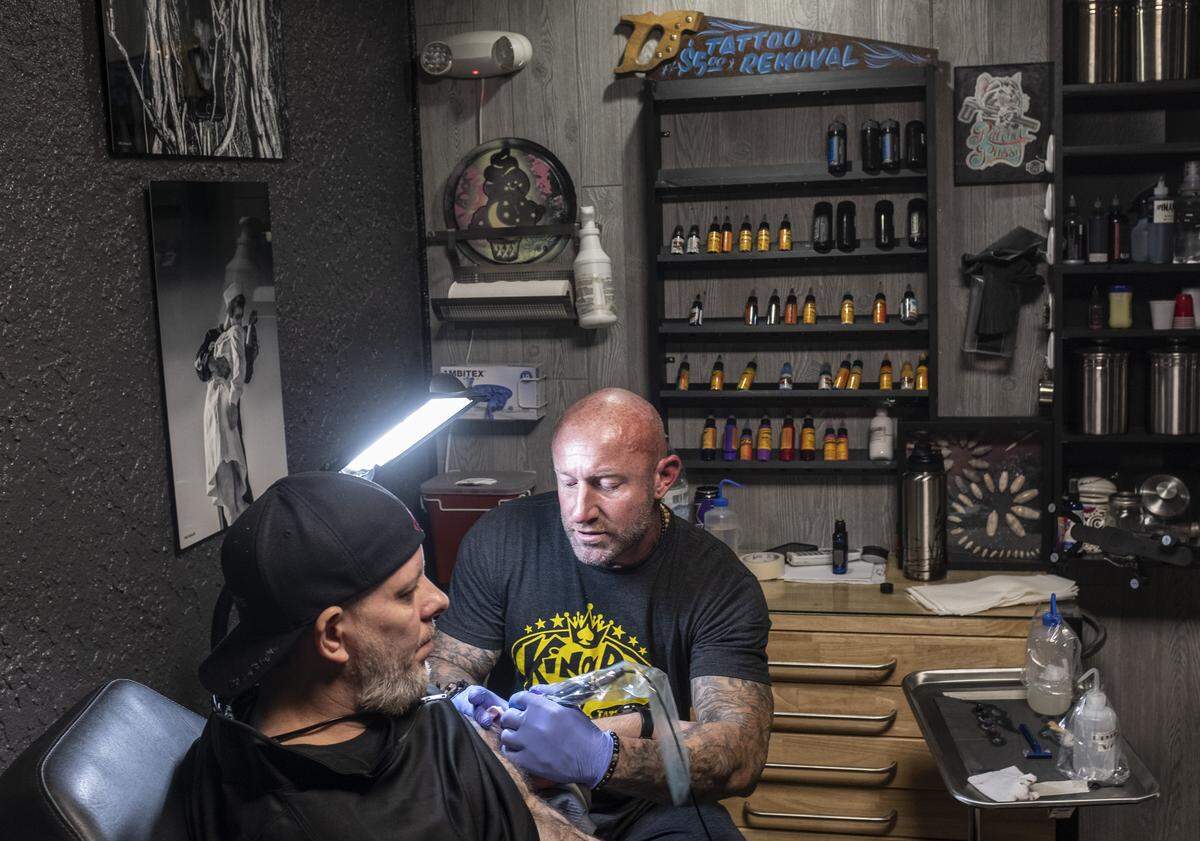
However, Jeff Cribb, owner of Hero Tattoos in Conway and Myrtle Beach, said he’s experienced a recession and enough hurricanes to know to put money away in the event of an emergency. Noting some concerns about the lack of revenue, Cribb asserted this virus is just another challenge his business will overcome.
“We’ve survived three relatively major hurricanes and flooding, so when you look at the economic issues we’ve faced, we’ve survived them. My business has survived every challenge that it’s met,” Cribb said. “I’m not going to thrive through this, I’m going to survive this.”
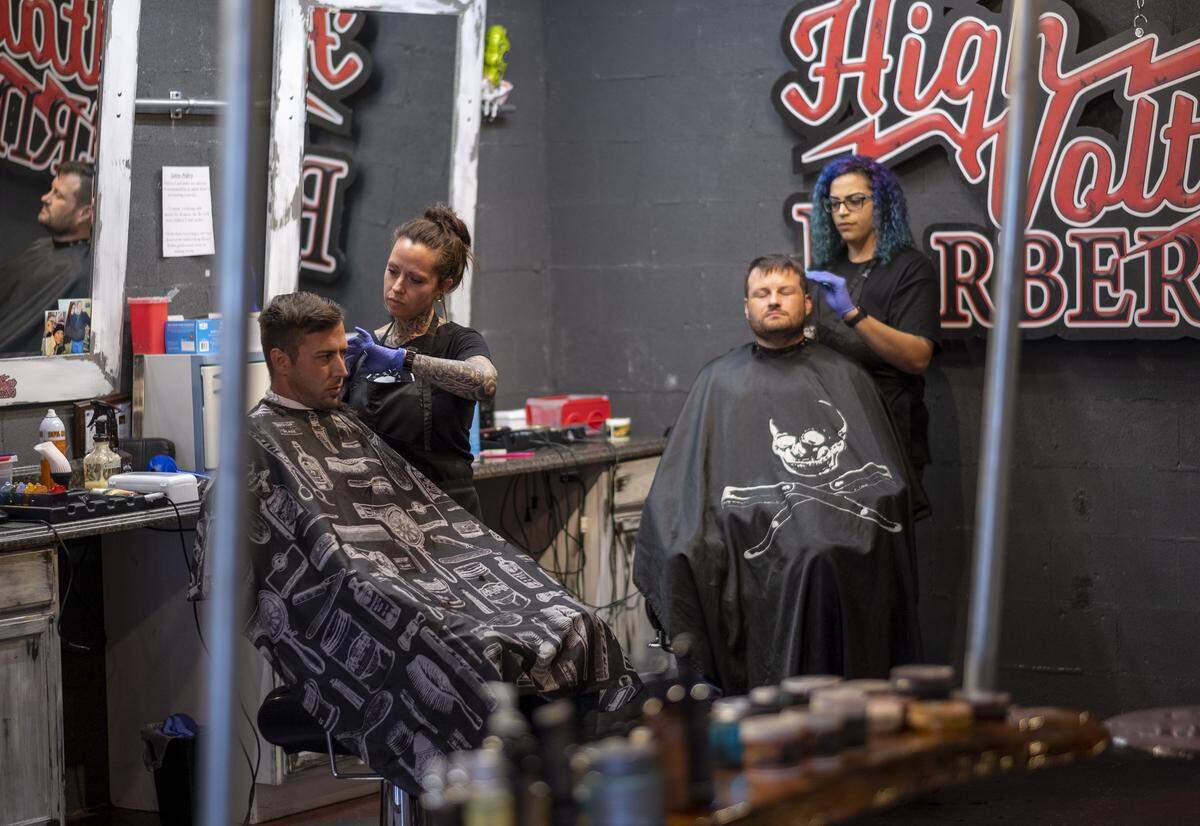
With most hair salons in the Myrtle Beach area already closed prior to the order, Socastee barber shop High Voltage Barbering has been booked solid for the last three weeks. On Wednesday, just hours before the order went into effect, owner April Lanz and associate Stina “Hair” Arnold were busy rotating clients in-and-out of their chairs every 30 minutes.
Lanz opted to stay open until she was forced to close, explaining that she and her employees still had bills to pay despite the current health crisis. For now, she’s focused on the next two weeks, while mindful she could be shut down for much longer.
“I know they’re saying 15 days, but I feel like that’s unlikely and that’s when we’re all going to get nervous about it,” Lanz said. “A month from now, if we’re still closed, then I’ll start to worry — two weeks from now I’ll be fine, but if it’s prolonged, it’ll be different.”
This story was originally published April 2, 2020 at 10:47 AM.