
What are the recreational saltwater and freshwater fishing laws in South Carolina?
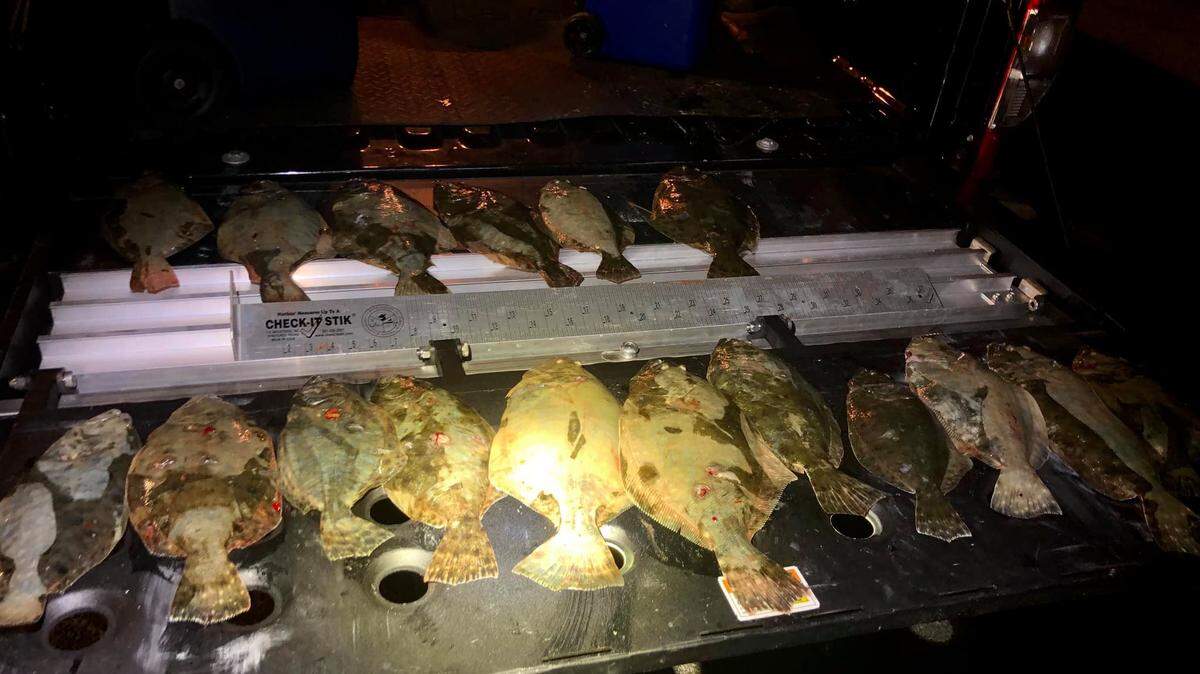
South Carolina has a long list of rules locals and visitors should follow when partaking in recreational freshwater and saltwater fishing.
Both activities require a fishing license for ages 16 and older.
The state offers an annual, temporary or three-year saltwater recreational fishing license except when fishing on a licensed public fishing pier or on a licensed charter and/or vessel while under hire, according to the South Carolina Department of Natural Resources.
A license for freshwater fishing is required unless you are fishing in a privately-owned pond.
A saltwater recreating fishing license is required for hook & line fishing, bush and pole lines, cast nets and seines & gill nets. It is also needed for gigging, which is a hunting method that requires a spear or gig.
Hook & Line:
A federal highly migratory species permit is required when fishing for tuna, billfish, swordfish, and sharks in federal waters.
In Horry County, it is illegal to fish from the shore in the waters under or within 50 feet on the sides or end of any beach pier.
It is illegal to fish from a boat within 300 feet of commercial fishing piers extending into the Atlantic Ocean.
Gigging:
- It is illegal to gig for flounder in salt waters in daylight hours.
- Shark gigging is prohibited.
- Red drum or spotted seatrout can’t be gigged during the winter months.
Recent changes to the state’s fishing laws, includes catch and possession limits for blue catfish and flounder. As of June, it is illegal to possess more than two blue catfish larger than 32 inches per day in state waterways, according to the freshwater rules. State law also prohibits anglers to take more than 25 blue catfish per day.
In July, a law went into effect that specifies size limits and the number of flounder fisherman are allowed to keep. The limit is five flounder per person each day or 10 per boat each day, according to a SCDNR press release. The minimum length of each founder must be 16 inches. Previously, each flounder had to be at least 15 inches, and the catch limit per day was 10 fish per person or 20 fish per boat.
That same month, lawmakers also increase some of the saltwater license fees. The biggest change is an increase in the cost of an annual recreational fishing license free from $10 to $15. Now, the state fee is in line with Georgia’s $15 fee and North Carolina’s $16 fee.
Saltwater license fees:
- Resident (14 days) - $10
- Resident (annual) - $15
- Resident (three years) - $45
- Nonresident (1 day) - $10
- Nonresident (seven days) - $35
- Nonresident (annual) - $75
Licenses for nonresidents for 14 days and three years are no longer available to purchase.
Penalties for saltwater fishing are outlined online.
David Lucas, a spokesman for the state department, said offenses are usually handled with written citations and resolved in the magistrate’s court in the county where they occur.
This story was originally published September 8, 2021 at 6:00 AM.