
Grand Strand Fishing Report: Large spotted seatrout are finally plentiful in autumn
Estuary
Look For: Spotted seatrout, black drum, red drum, flounder, sheepshead.
Comments: In the last few years, Grand Strand anglers have caught plenty of spotted seatrout during the autumn months, with many of them right at or below the 14-inch minimum size limit. The mantra has been, “Wait until next year when these trout grow up.” It appears next year has arrived. “I guess this is it,” said Capt. Patrick Kelly of Captain Smiley Fishing Charters in Little River. “We had small ones for two straight years I think. (This year) there have been very few small fish. We have caught some 12-13 inches but 17-18 inches, that’s pretty much been the average size.” Trout are hitting live shrimp or a variety of artificials from Georgetown to Brunswick County, N.C. “I think they’re biting all over,” said Kelly. “If you can’t catch a trout right now, you may as well give up.” Kelly has been catching black drum and some small red drum along with the trout. Trout have been the ticket for Capt. Mike McDonald of Gul-R-Boy Guide Service in Georgetown, too. On a Wednesday trip in the Winyah Bay vicinity, McDonald produced 23 trout, six weakfish plus a few black drum and red drum. The trout were all legal-size fish, measuring from 14-22 inches. “Everybody’s catching nice trout,” said McDonald, who has used soft plastic grubs on jig heads to catch the fish.
Inshore
Look For: Black sea bass, weakfish, flounder, whiting, croaker, black drum, sheepshead.
Comments: With most of the near-shore activity focused on trout fishing in the inlets, bays and area jetties, the artificial reefs and hard-bottom areas within 15 miles or so of the beach have been mostly quiet. But there are fish there to be caught, and action will ramp up as the water temperature continues to cool. The water temperature is in the upper 50s and dropping, and black sea bass will congregate in thicker numbers on the structure as the water cools further. Black sea bass have a minimum size limit of 13 inches. The structure will also hold weakfish, flounder, sheepshead, black drum and tautog in December and on into the year 2020. The ocean water temperature is in the upper 50s along the beach, and action has slowed down on Grand Strand piers. Steve Gann of the Cherry Grove Pier reports whiting and croaker are the main catch, especially on a rising tide. Gann said a few trout, small flounder and small black drum have also been caught. Calvin Dickerson of the Apache Pier reports whiting, perch and croaker have been caught this week along with a few small black drum and small flounder. “Maybe we’ll have a Thanksgiving spot run,” said Dickerson. “That would be a miracle.”
Offshore
Look For: Wahoo, blackfin tuna, grouper, red snapper, amberjack, vermilion snapper, triggerfish, red porgy, black sea bass.
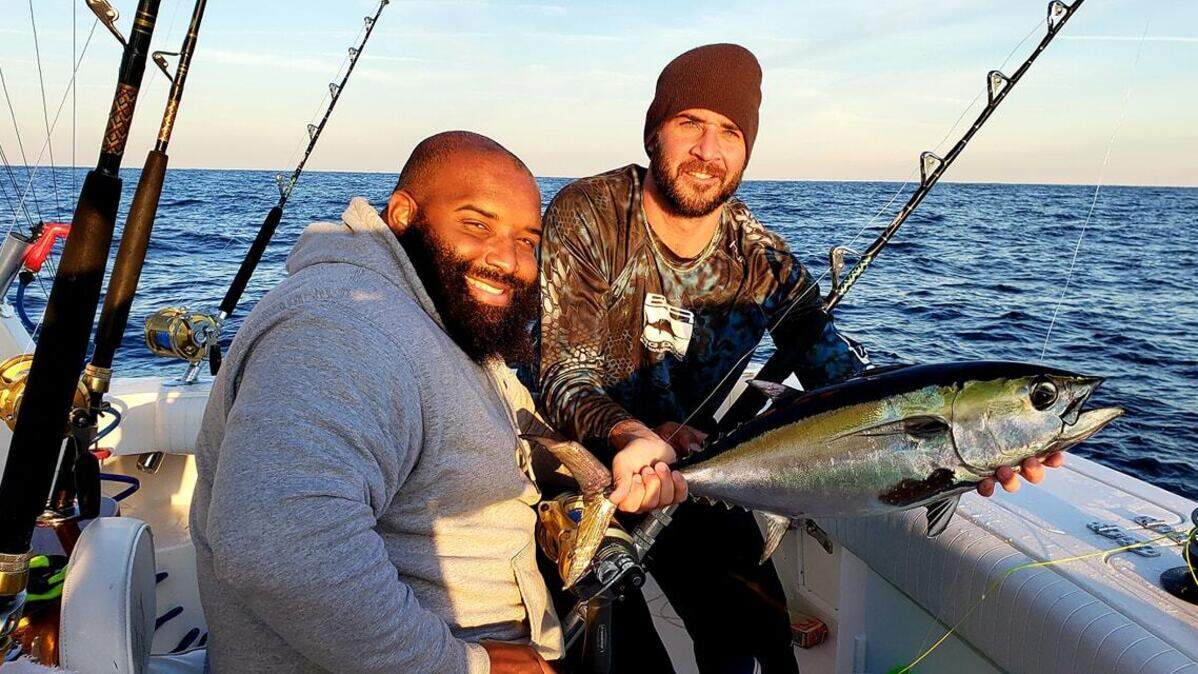
Comments: The seas finally cooperated early this week and the crew of Dirty Martini out of Little River headed offshore to take advantage. Jeff Martini trolled ballyhoo with skirts from the McMarlen Ledge to the Winyah Scarp, encountering a two-degree temperature break, from 74-76 degrees, and plenty of baitfish. On a calm ocean, they landed three wahoo in the 40-pound class, three dolphin and a pair of blackfin tuna. The dolphin came on a tripleheader. “It’s hard to get a Carolina Slam in November,” said Martini. “They were hitting every color. We probably lost a good seven fish.” Bottom fishing is very good for amberjack, grouper, vermilion snapper, black sea bass, triggerfish, porgy, white grunts and red snapper. Red snapper, however, cannot be harvested and must be released in the South Atlantic region.
Freshwater
Look For: Bream, crappie, bass, catfish.
Comments: Bream are transitioning to deeper water as the water temperature continues to drop slowly. The panfish can still be caught on crickets on a float off the bank, but the trend is toward lead-lining worms on the bottom to catch them in deeper water. Colder water means crappie action is on the upswing, with fish hitting medium crappie minnows around brush or other structure in creek mouths and lakes. Catfish action remains good on cut eels, mullet or live bream. Try jerk baits, crank baits and Texas-rigged worms for bass.