The last Duke-UNC game between unranked teams was 1960, an era far from forgotten
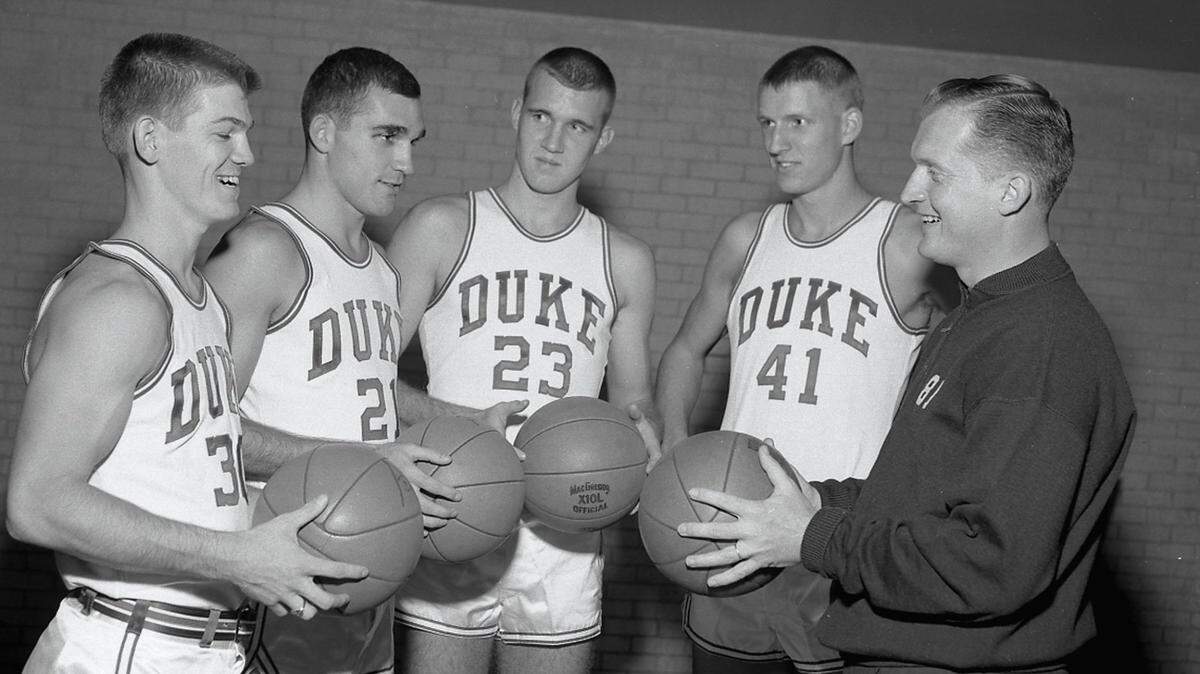
Duke and North Carolina have been so good at basketball for so long that even a man who was in the arena the last time they played as unranked teams doesn’t quite believe at least one of them was not ranked on that night.
Of course, it was 61 years ago.
Bucky Waters has been a witness to so much basketball history and there’s not much that escapes him, but he was shocked to be told that North Carolina was unranked on Feb. 27, 1960, at what was then called Duke Indoor Stadium when Duke lost to the Tar Heels for the third time that season.
Waters, who was a 24-year-old, first-year assistant coach to first-year Duke coach Vic Bubas, remembers it well because the win clinched a coin flip for the No. 1 seed in the ACC tournament for the Tar Heels, which in turn would inadvertently change the course of basketball history at Duke not long after.
It changed Duke’s so much that either the Blue Devils or Tar Heels have been ranked for every game against each other since, including their fourth meeting of the 1960 season six days later in the ACC semifinals. Duke won that game on its way to its first and most unlikely ACC championship.
“I can’t believe they weren’t ranked,” Waters said this week. “Wow. I would have bet everything.”
Waters would have lost that bet: North Carolina, after losses to Wake Forest and South Carolina, had gone from 12th to 19th to unranked in the space of two weeks -- and would only be out of the top 20 for that one week. Duke, which would go 7-7 in the ACC, was still finding its footing in Bubas’ first season as head coach. The Blue Devils would spend plenty of time in the poll from that point forward, including the final poll of 1960.
But at that particular moment, the two teams that would turn out to be the best in both the ACC regular season and tournament in 1960 were not deemed among the 20 best teams in the country. (The poll expanded to the current 25 teams in 1989.)
What happened for the 14th time that Saturday night in the 100th meeting between UNC and Duke would not happen again until this Saturday night when the two meet again as unranked teams in their 254th game against each other.
Not that it hasn’t come close: the poll ranked only the top 10 from 1962-68, and North Carolina went unranked from 1962 until March 1966. The Blue Devils were unranked for all but two games from January 1967 all the way through 1978, but ever so narrowly without overlapping on March 4, 1966 or January 7, 1967. And never since until now.
So current events would have us turn back to that game, to that season, after 61 years. While Duke and North Carolina were indeed both unranked on that day, those teams and that season would end up playing outsized roles in the history of both schools and the ACC.
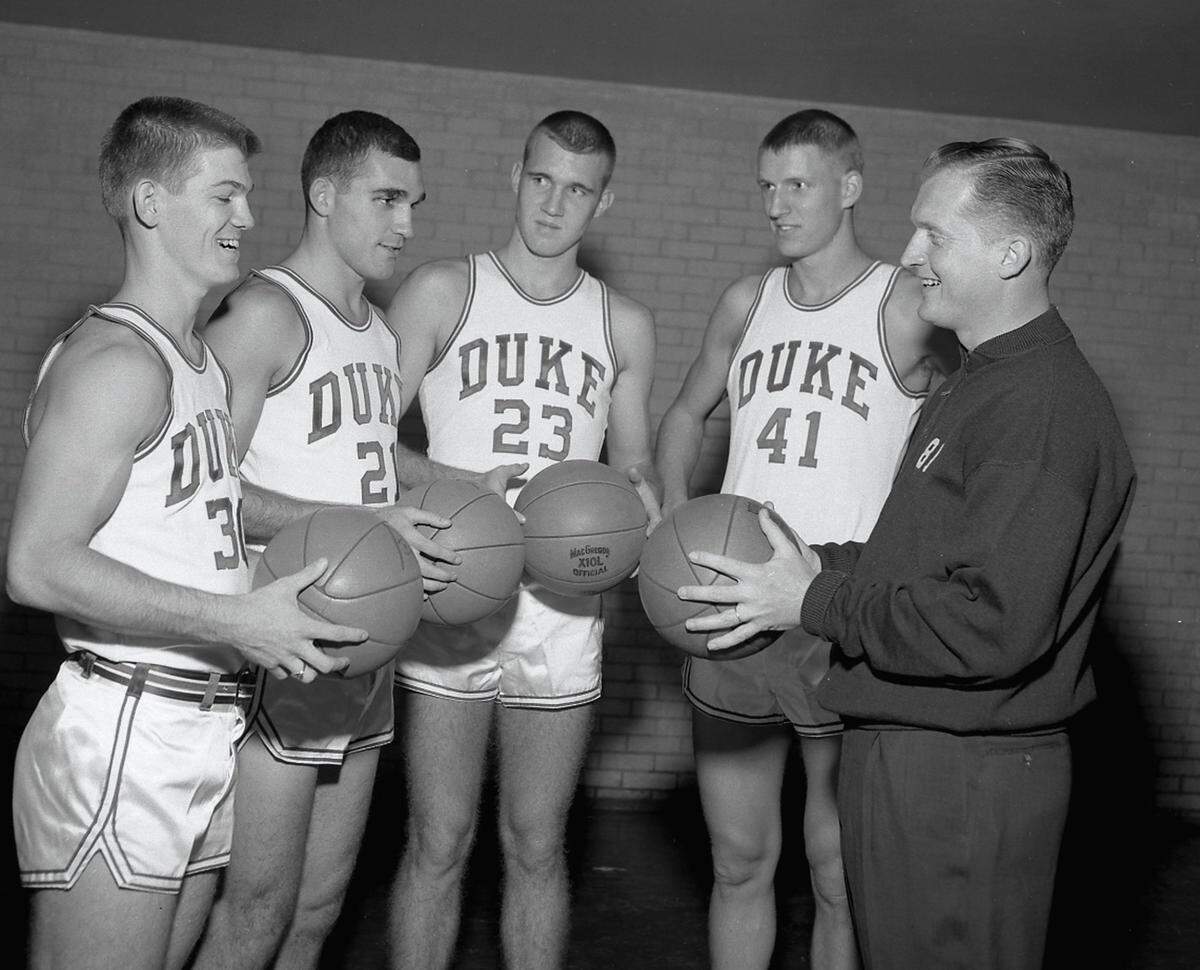
A different era
Consider, for a moment, just how different an era that was. Both teams were entirely white, and that would be the case in the ACC for another five years. Earlier that month, 17 students from what is now N.C. Central staged sit-ins at three Durham lunch counters to protest their segregated accommodations. The game was played entirely below the rim, set shots and layups. The vast majority of players in the game were from the northeast, where basketball was still king: New York and New Jersey, Pittsburgh and Philadelphia. They brought old rivalries south with them.
“I knew some of the Carolina players, specifically York Larese who was there at Carolina when I was there,” said Fred Kast, a sophomore on Duke’s team in 1960. “He and I attended a summer basketball camp run by Clair Bee. That’s how I got to know him.”
There were still only the initial eight teams in the nascent ACC, less than a decade old, South Carolina still among them. Cameron Indoor Stadium was still Duke Indoor Stadium; it wouldn’t be named for Duke athletic director Eddie Cameron until 1972. Dean Smith was in his second season as an assistant coach in Chapel Hill. In Chicago, Mike Krzyzewski had just celebrated his 13th birthday; Roy Williams was a 9-year-old baseball fan in Asheville.
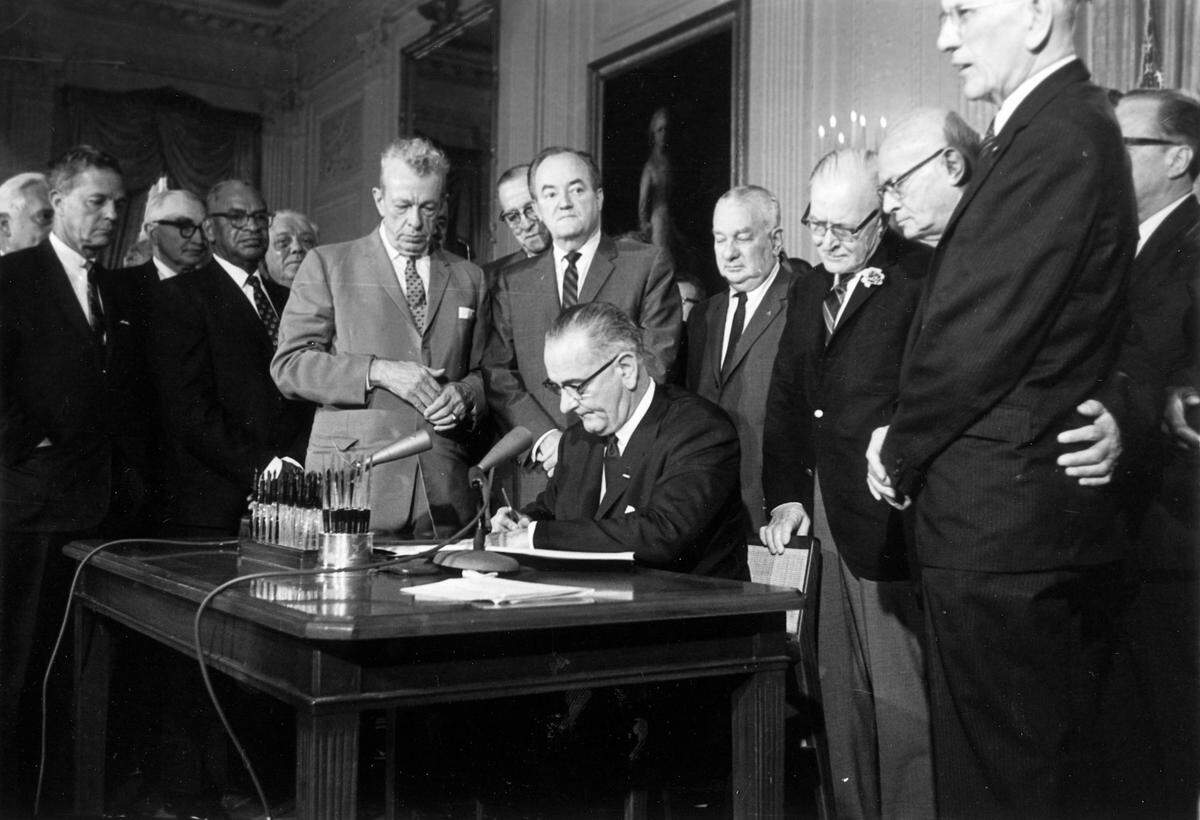
“Southerners Lose Round in Senate Rights Battle” was the lead headline in the News & Observer that Saturday as Senate majority leader Lyndon Johnson was caught between the liberal and Southern wings of the Democratic party as he pushed the latest Civil Rights Act. They would lose the round but win the fight: the bill that President Eisenhower eventually signed was “weakened to the point of meaninglessness,” as Johnson biographer Robert Caro later observed. Johnson would eventually push thorough consequential civil rights legislation in 1964 as president.
Elizabeth Taylor and Katherine Hepburn starred on the screen in “Suddenly Last Summer,” playing at the Village Theater in Cameron Village and earning Oscar nominations for both. In other Duke news, “Rio Bravo” had been out for almost a year, but John Wayne and Dean Martin were still packing cars into the Center Drive-In Theater, on Highway 70 between Raleigh and Garner.
On the sports page of the Old Reliable, many names in headlines on the final day of the 1960 ACC regular season are familiar today. Arnold Palmer held a three-stroke lead in the Texas Open. Jerry West broke Hot Rod Hundley’s scoring record at West Virginia. While Duke and UNC prepared to put a bow on the ACC schedule, N.C. State beat LaSalle on Friday in a very late nonconference game, for some reason.
Some debates never die. N&O sports editor and columnist Dick Herbert mused that the logjam of good teams at the top of the ACC standings would surely reinforce the notion the ACC tournament winner was indeed the league’s rightful champion, as it was then and continued to be until a pandemic intervened last March.
“Thus the complaint about having the tournament decide the conference champion is answered partially,” Herbert wrote. “If there has to be a playoff, why not throw in the other teams and have the big basketball show that has meant so much to the development in the area?”
Duke was squarely among “the other teams” in the big basketball show at that point, despite some basketball tradition still predominantly a football school. Bubas’ predecessor, Harold Bradley, had left for Texas during the offseason, not the first time a Triangle coach would head to Austin frustrated over playing second fiddle. This dynamic was underlined by the excitement over plans to honor former football coach Wallace Wade at halftime of the North Carolina game in Durham, which got almost as much ink as the basketball game in the Saturday paper ... perhaps because Herbert himself was presenting the award.
Tar Heels flying high
At that point, the Blue Devils continued to labor in the basketball shadow of Everett Case’s Wolfpack and Frank McGuire’s Tar Heels, the latter only three years removed from an undefeated season and national championship. Cameron had made the unpopular hire of inexperienced Case assistant Bubas the previous summer, and despite prying top recruit Art Heyman out of McGuire’s grasp, Bubas had yet to win over the Duke fans.
The Blue Devils’ season leading up to February 27 didn’t help much, either. Duke had already lost twice to North Carolina and twice to Wake Forest, all four by double-digits. Bubas inherited some solid players from Bradley, but his brightest talent -- Heyman -- was stuck on the freshman team in those days before immediate eligibility.
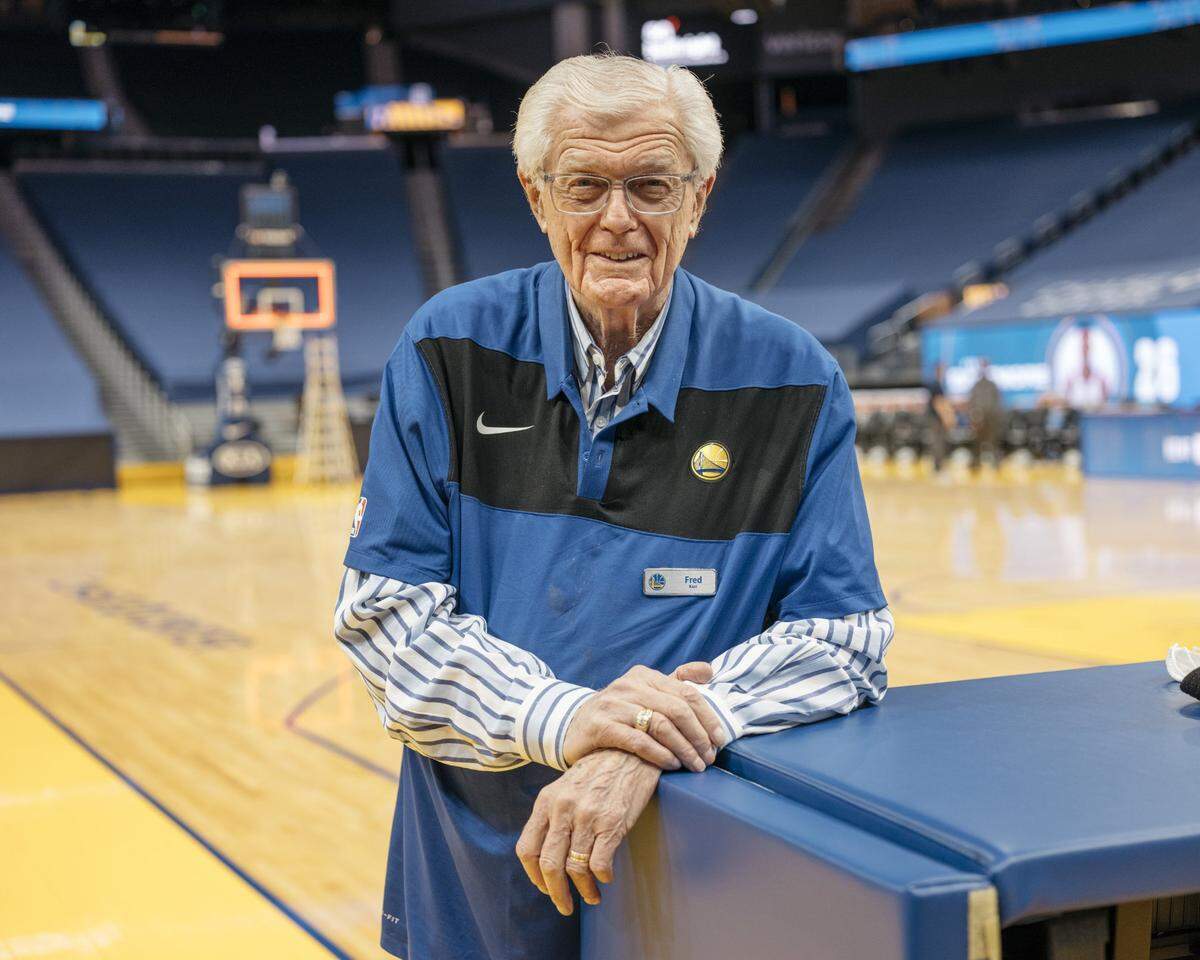
Future Enloe High basketball coach Howard Hurt was Duke’s captain and leading scorer, and some of the players on that team would go on to bigger things off the court: John Cantwell as a prominent Atlanta heart surgeon and the Braves’ team doctor, Kast as the San Francisco/Golden State Warriors’ official scorer for 58 years.
While the Tar Heels had gone from 12th to 19th to unranked in the space of two weeks -- despite a 6-2 record over that span, which underlines how tenuous a position in the top 20 could be in those days -- there was no doubting their talent, led by eventual ACC player of the year Lee Shaffer, Larese and Doug Moe, who was academically ineligible for the first semester but came roaring back in the second.
North Carolina may have slipped out of the rankings, but the general consensus was that the only team that could stop the Tar Heels from winning the title the next week in Raleigh was Wake Forest, with stars Billy Packer and Len Chappell. “Only Wake Forest can match up in personnel with the Tar Heels,” Herbert, the N&O columnist, wrote.
The game itself between unranked Duke and unranked North Carolina, to conclude the ACC regular season, was anticlimactic. Shaffer had 26 points as the Tar Heels jumped out to an early 20-point lead and coasted to a 75-50 win. Sunday night, the Tar Heels won a draw with Wake Forest at the Sir Walter Hotel for the No. 1 seed in the tournament. On Monday, the Tar Heels were back in the top 20, ranked 16th.
The bigger news was elsewhere on Sunday’s sports page: “UNC under NCAA probe,” an inquiry into North Carolina’s recruiting practices. (N.C. State was already on NCAA probation.) Even that wasn’t going to end up being that team’s lasting legacy, though. Nor was the bench-clearing brawl at Duke a year later, when Heyman and Larry Brown slugged it out and police were needed to clear the floor, although that certainly was a flashpoint in making the rivalry what it is today.
A change in fortunes
After the 1961 season, UNC’s Lou Brown -- who played but did not score in that February 1960 game against Duke -- would testify before a grand jury that he’d helped fix basketball games that didn’t involve UNC. Four N.C. State players were implicated as well. The point-shaving scandal involved several other teams and stars outside the ACC and nearly destroyed college basketball. It put an end to the annual Dixie Classic tournament at UNC system president Bill Friday’s insistence, the beginning of Friday’s lifelong (and frustratingly futile) search for balance between athletics and academics.
Moe was dragged into the scandal as well; he traveled with Brown to meet with a game-fixing gambler and while he turned down the offer he did take $75 for his expenses. That may have ended his college career, but it was long forgotten by the time he embarked on a long and colorful career as an ABA and NBA coach, where his path would cross often with Kast’s.
A reserve on that UNC team, Donnie Walsh, would also achieve NBA fame as an executive with the Indiana Pacers and New York Knicks. Shaffer was once traded (in part) for Wilt Chamberlain, but the NBA all-star quit pro basketball for a more lucrative office job with his college roommate; he ended up running Kenan Advantage, the trucking giant.
McGuire left UNC for the NBA after the 1961 season, the NCAA having ruled against the Tar Heels and the taint of gambling still hanging over both UNC and N.C. State. Friday placed heavy restrictions on both programs, marking the beginning of the end of the Case era as well. North Carolina promoted the 30-year-old Smith to clean up the mess. Smith not only did that, he laid the foundations of the UNC program that still exist today.
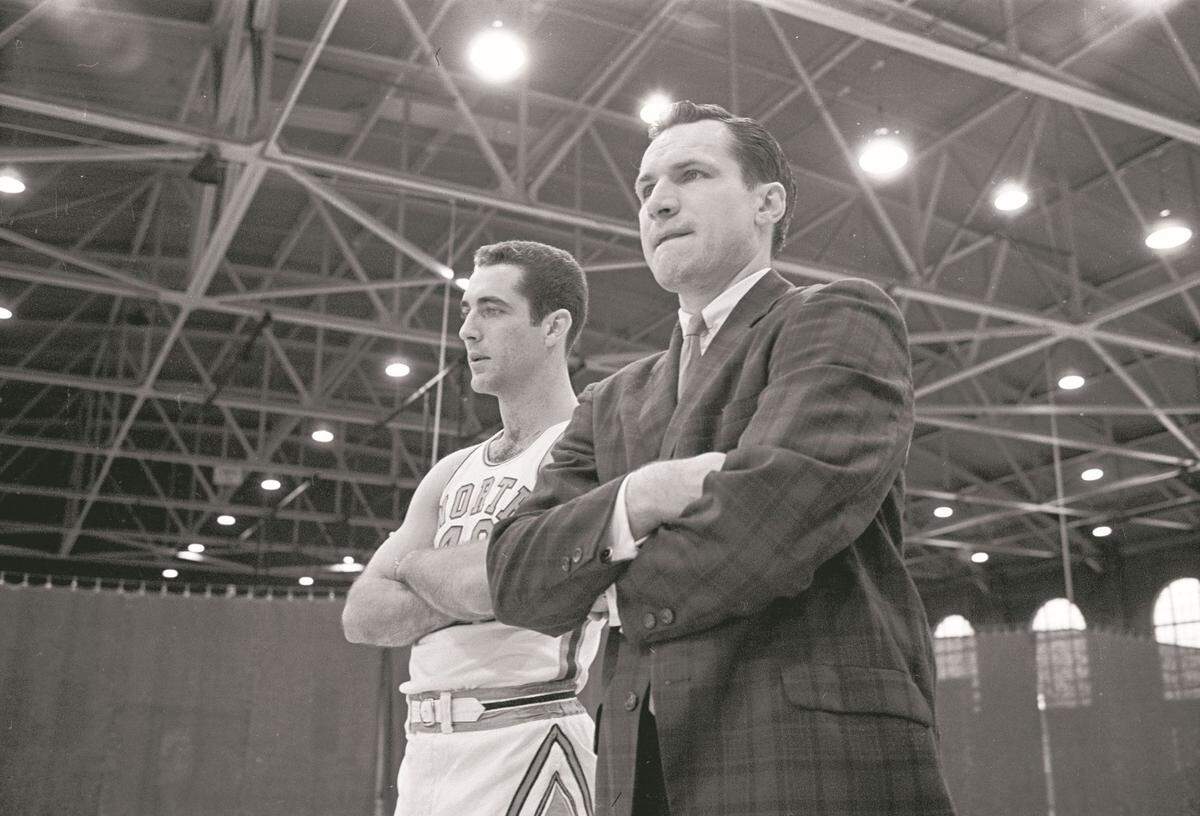
That was all in the future, even if there were hints of trouble ahead on that Saturday night in 1960. And while North Carolina’s denouement was still a year away, history arrived the next week for Duke.
With Raleigh all but shut down by an ice storm, the fourth-seeded Blue Devils dispatched South Carolina in the opener at Reynolds Coliseum and faced North Carolina for the fourth time that season. The Tar Heels had won by 18, 27 and 25 but this was Carroll Youngkin’s night. The Duke center from Winston-Salem scored 30 points in a 71-69 win. The Blue Devils weren’t done; they upset Packer and Chappell and Wake Forest in a title game classic for the school’s first (of 21) ACC championships.
Bubas would win four more ACC titles and go to three Final Fours in the next six years, running into John Wooden’s first title team at UCLA in the 1964 championship game. Wade may have been honored the night of the UNC game, but the pendulum on campus was already moving toward basketball, even if no one realized it yet. Cantwell, who 36 years later served as the chief medical officer of the Atlanta Olympics, wrote a book about that team, “These Devils Wore Blue.”
“I think that’s when the basketball program at Duke kind of turned things around,” Kast said. “When I started at Duke in 1957, Duke was known academically for its excellence but sports-wise it was the football team Duke was known for. That since of course has turned itself around.”
Duke finished the season ranked 18th. A year later, the Blue Devils spent the entire season ranked in the top 10. For the next 153 meetings -- in the final Dixie Classic, in the Big Four, in the ACC regular season and ACC tournament, even once in the NIT; in Durham and Chapel Hill and Raleigh and Greensboro and Charlotte and Atlanta and Manhattan and Brooklyn -- one of either Duke or North Carolina was ranked. And for the last four decades, almost always both.
UNC at Duke
When: 6 p.m., Saturday
Where: Cameron Indoor Stadium, Durham
Watch: ESPN
This story was originally published February 5, 2021 at 7:00 AM with the headline "The last Duke-UNC game between unranked teams was 1960, an era far from forgotten."