The Sun News endorsement: Our choice in the Myrtle Beach mayor’s race
In 1901, a year after Addie Burroughs, won a contest to give New Town, South Carolina, a new name, inspired by all the wax myrtle bushes in the area, the first hotel opened in Myrtle Beach.
As Blanche W. Floyd recounted in “Tales along the Grand Strand of South Carolina,” the Seaside Inn had no electricity or indoor plumbing, but $2 a day could get you a room and three meals. “An old wind-up Victrola and a dozen scratchy records provided dance music,” Floyd recalled.
It’s a far cry from the loud and crowded boardwalk of today, but it helps to understand its origins.
By 1915, only seven families lived at the beach year-round. Oceanfront lots sold for $25 and if you built a $500 house, you could get a second lot free. Turns out that was some investment.
At the heart of the 60 miles of South Carolina coastline known as the Grand Strand, Myrtle Beach has grown from humble beginnings to a destination that draws 18 million visitors a year.
With 40,000 residents and big summer crowds have come challenges related to housing, crime and diversifying the tax base — and political clashes every time there’s an election — like now.
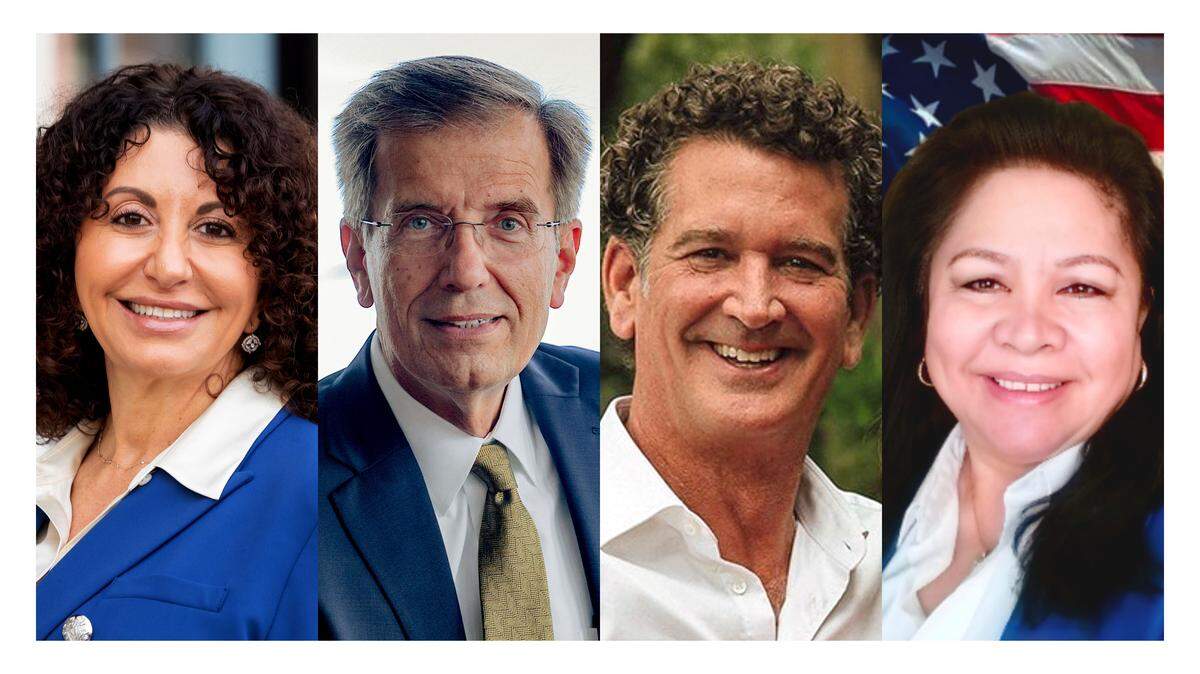
Mayor Brenda Bethune, 61, has had eight years in office to make a difference and chart changes future historians can turn into pithy anecdotes. Now she wants four more years, and voters have a decision to make: Should she or one of her opponents take the reins of the city?
Four people are running against Bethune, who has never really broken a sweat in a mayoral election. In 2017, Bethune ousted a three-term mayor, the late John Rhodes, by more than 500 votes. In 2021, she more than doubled the collective vote total of her four challengers.
She should be sweating now, though. Her argument for re-election has holes in it, and one challenger is especially strong. The election is Tuesday, Nov. 4. Early voting begins Monday, Oct. 20.
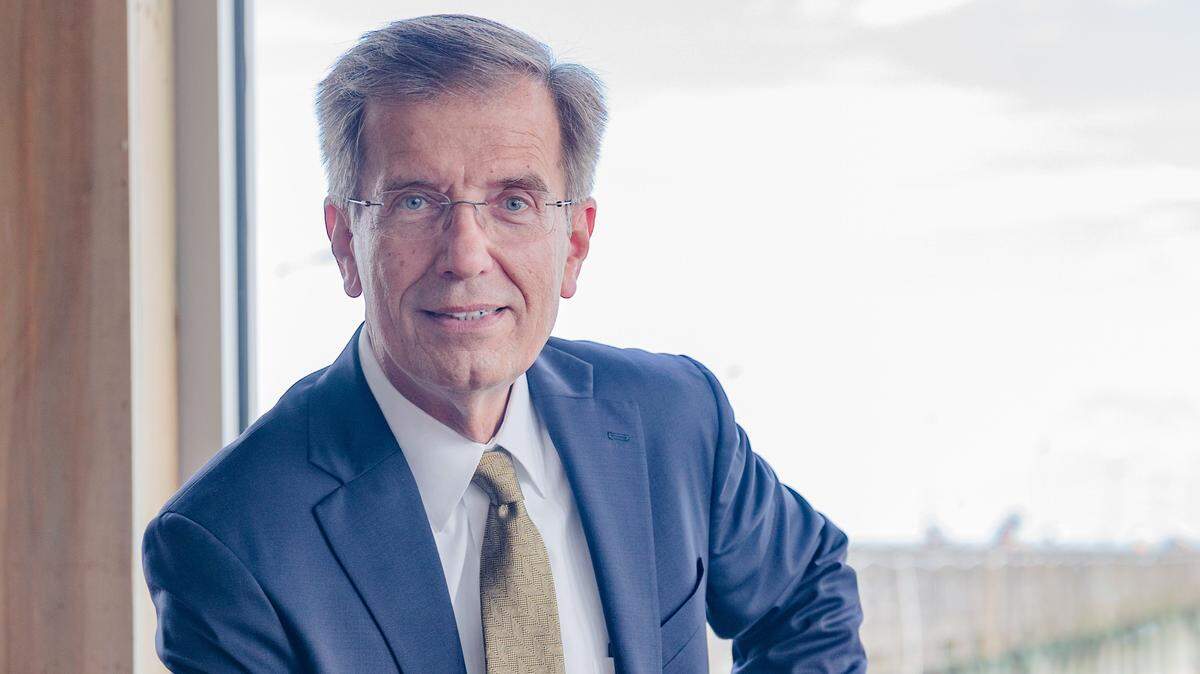
The McClatchy South Carolina Editorial Board endorses Mark Kruea for mayor of Myrtle Beach.
Daniel Aumen, 46, and Eva Rigney, 71, are not up to the challenge of being mayor. Rigney had some interesting ideas but was also vague. Aumen, disturbingly, declined to respond to our survey by saying it was not “prudent to discuss the answers to many of the questions you’ve asked.”
Former mayor Mark Struthers McBride, 61, isn’t much more serious. McBride was on the City Council from 1994-1998 and mayor from 1998-2006 but after moving to Salem, he signed a new residential lease in Myrtle Beach and filed to run for office the morning of the last day to file in September. He has lost his last seven elections: for mayor in 2005, 2009 and 2017; for Council in 2015, and Republican primaries for U.S. Senate in 2004, State House in 2020 and U.S. House in 2022.
Mark Kruea, on the other hand, is as serious and experienced as Bethune. Kruea, 68, is a newcomer to campaigning, but he was the city spokesman in Myrtle Beach for 26 years. He has seen city challenges and solutions firsthand, and he promises a more transparent approach.
That open approach — and Bethune’s aversion to it — were demonstrated in real time in late April after a shooting on the boardwalk where 11 people were injured and a responding officer shot and killed a teenager with a gun. Kruea made himself available and offered ideas and a call to action. Bethune didn’t hold a news conference for days as the public demanded information.
“I don’t know that any changes are warranted,” the mayor told our opinion editor Matthew T. Hall in an interview the day before the news conference. “I believe that what we’re doing is working.”
It’s not. The balance of boosting safety and tourism on the boardwalk was upset this summer.
Kruea and Bethune are both far better candidates than the three other opponents, but our board recommended a vote for Kruea given the city’s issues. The choice is clear: If you believe Myrtle Beach is on the right track, vote for Bethune. If you think things could be better, vote for Kruea.
We believe it’s time for a new mayor.
Bethune has overseen some important developments, but she has been mayor for eight years and housing remains too big of a problem for too many people. In her candidate survey, she noted that as of 2021 — which was the start of her second term — fewer than 15% of those employed within city limits live within city limits and that “to change that, we are exploring pilot programs to help city workers secure local housing.” But that stunning statistic is four years old.
To solve a problem, you need to understand it, and relying on old data is no solution. That so many city workers live so far away is a major problem in need of better management.
Likewise, Bethune touted progress growing the city’s economy beyond tourism in her candidate survey, but added, “We need to continue creating more year-round jobs that provide stability and support a good quality of life.” She’s absolutely right. She’s also had eight years to do that.
She also seemed to give lip service to questions about the city’s openness. “Transparency is not a box to check,” she said. “It is something we have to work at every day.” She talked about a need to hold more town hall style meetings to provide updates and get feedback, but twice this year the City Council met in closed discussion to discuss changing City Council elections from at-large, citywide elections to smaller, district elections. That would be a major shift in public participation that should be discussed with public participation, not behind closed doors.
Bethune has had a chance. Kruea deserves one now.
He showed a clear understanding of the pressing issues facing Myrtle Beach and more than any other candidate in the race offered solutions to fix them. He wants the City Council to be involved in the budget process “much earlier so that spending is targeted and appropriate, rather than excessive.” He wants to revisit a tourism development fee with the state legislature and improve housing affordability through zoning ordinance changes. He also wants to use two-person teams to approach homeless people and help the downtrodden learn the options open to them.
Both Kruea and Bethune emphasized the need to fill the city’s 50 vacant police officer positions, use technology as a deterrent to reduce crime and program the boardwalk with more activities, but Kruea said he’d examine what other jurisdictions have done and vowed to “respond promptly and effectively, successfully managing (not mangling) the public’s perception.”
Having an approach to governing that looks at how others have governed just makes sense.
For our board, this mayoral endorsement turned on who could best identify city problems, offer solutions and demonstrate an ability to be transparent and make lives better in Myrtle Beach.
For us, that’s Mark Kruea.
BEHIND THE STORY
MOREHow we do endorsements
Members of The McClatchy South Carolina Editorial Board interviewed and researched candidates running for mayor and City Council in Columbia and Myrtle Beach and in a special election in SC House District 88 in Lexington County in 2025. We based endorsements on our reporting and fact-checking — and on each candidate’s achievements, background, character, demeanor and experience.
The endorsements were made by South Carolina Opinion Editor Matthew T. Hall, a Columbia resident; Sherry Beasley, a longtime educator and Columbia resident; Toni Etheridge, a strategic advisor and writer who lives in Forest Acres; Paul Osmundson, a retired senior editor at The State and a Forest Acres resident; and Pat Robertson, a retired editor and outdoors columnist who lives in Blythewood.
If you have questions or comments about our endorsements, please email Hall at mhall@thestate.com.