
Meet the candidates running to be Myrtle Beach’s mayor for the next four years
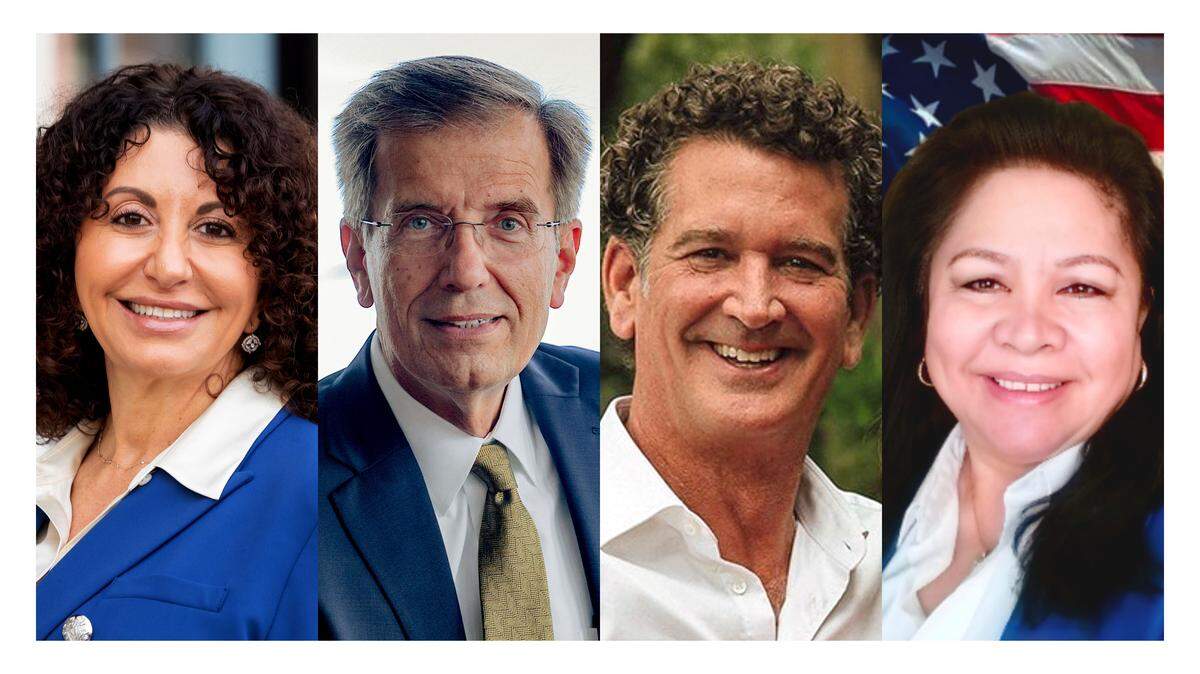
The Myrtle Beach mayor’s race has five candidates running for a four-year term through 2029. I asked each about their priorities and perspectives. Their answers are below.
Every candidate received 10 questions and 250 words for each answer. One candidate did not respond. Interviews were edited for accuracy, clarity and style and published in their entirety. The McClatchy South Carolina Editorial Board will publish an endorsement in the race, but we are publishing Q&As first so readers can assess the candidates on their own. Early voting begins Oct. 20, and Election Day is Nov. 4.
Find an early voting location here. Find your polling place here to vote on Election Day. If this public service helps, please consider supporting our journalism at myrtlebeachonline.com/subscribe. Your subscriptions and support make this massive undertaking possible, so thank you for reading this. If you have questions about our interviews or endorsements, please email me.
Meet the candidates
Daniel Aumen
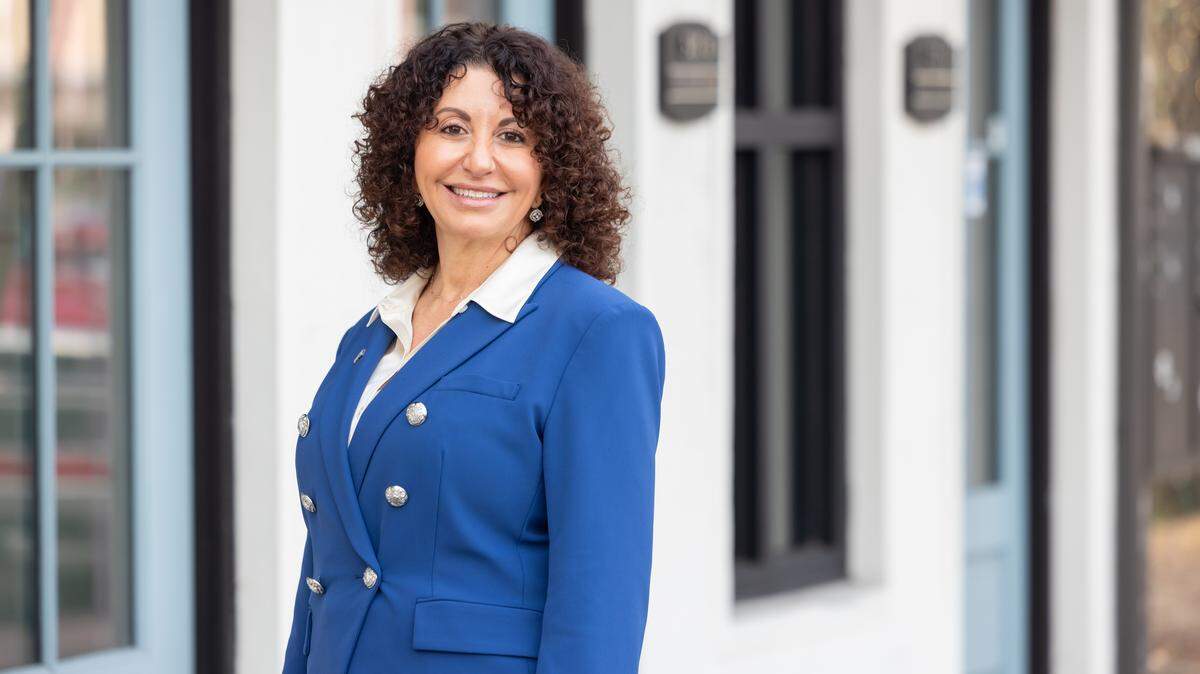
Mayor Brenda Bethune
Q: What is your No. 1 priority for Myrtle Beach and why?
A: Public safety has always been my top priority, and I am proud of the progress we have made. Violent crime is down nearly 50% over the past decade. That did not happen by accident. It is the result of real investment in our police department, including officer pay raises of up to 55% since 2021, and new tools like license plate readers, citywide cameras, gunfire detection, a real time crime center and virtual reality training.
Focusing on safety has made a real difference. It has helped Myrtle Beach become a more welcoming place to live, work and visit. That work is never finished, but it gives us the strong foundation we need to grow in the right way by creating better paying jobs, attracting new investment, and keeping our community safe, vibrant and full of opportunity.
It is also why I have worked hard to keep Myrtle Beach financially strong. Independent audits confirm we are in the best financial shape in city history, with record reserves on hand. With growth comes the responsibility to invest in long delayed infrastructure and services, and we have worked hard to manage those needs carefully while keeping taxes among the lowest in South Carolina.
We are using smart, long-term financing so that future residents, visitors and businesses help share the cost. That approach protects our quality of life and allows us to keep investing in what matters most: public safety, strong infrastructure and the future of Myrtle Beach.
Q: How will you address local housing affordability and availability?
A: Housing affordability and availability is a growing challenge across the country, and Myrtle Beach is no exception. I hear from families and workers who are struggling to find affordable homes close to their jobs, and I believe we have a responsibility to help meet that need.
As mayor, I have taken a proactive approach. We have revitalized key areas of the city to create new housing opportunities and improve the infrastructure that supports them, including better lighting, sidewalks, walkways and parking. We have updated zoning to encourage more housing options, streamlined permitting to reduce delays and worked with developers to secure state and federal housing funds.
We are also focused on helping more of our city workforce live in the community they serve. As of 2021, fewer than 15% of those employed within city limits live within city limits. To change that, we are exploring pilot programs to help city workers secure local housing. These programs could serve as examples for other employers in the area.
In partnership with Horry County and private businesses, we also helped launch the Horry County Community Land Trust to preserve land for affordable housing over the long term.
Looking ahead, we are actively working with developers to bring in more workforce and market rate housing. This balanced approach will help attract new residents, especially young professionals who want to live near their jobs. By expanding access to housing, we are supporting our workforce, strengthening local businesses and building a more vibrant and connected community.
Q: Grade the city’s approach to homelessness. What would you do differently?
A: There is no easy fix to homelessness, especially in a place like Myrtle Beach. People come here hoping for opportunity, drawn by the weather, the coast and the chance to work in a busy tourism economy. But without a clear plan or strong support system, settling in can be harder than expected, especially when work is seasonal and housing is limited.
We have taken meaningful steps by partnering with New Directions and Horry County, hiring peer support specialists and leading a countywide initiative modeled after Tampa Hope. This effort provides housing, health care, counseling, job training and more. These programs help, but I believe we can and must do better.
We have made progress growing our economy beyond tourism, but we need to continue creating more year-round jobs that provide stability and support a good quality of life. That kind of opportunity is essential to keeping people housed and connected to their community. At the same time, we need to help those who came here, and cannot make it, find a path back home by reuniting them with family or support systems that can offer stability.
Mental health and addiction are deeply tied to homelessness, and the lack of state resources makes the challenge even harder. South Carolina needs to invest in treatment options, including a mental health hospital in our region.
This is not just a policy issue. It is a moral one. We have a responsibility to support those who are struggling and help them rebuild their lives.
Q: How specifically would you reduce crime and improve public safety?
A: Keeping our city safe is my top responsibility, and we are taking a multi-pronged approach to do it right. We have made real progress in recent years, but public safety requires constant attention and a willingness to adapt.
We use CPTED principles — Crime Prevention Through Environmental Design — to guide targeted improvements in high-priority areas like Ocean Boulevard and our business corridors. These studies help us improve lighting, visibility and layout so public spaces feel safer, more accessible and less vulnerable to crime.
We are also investing in tools that help officers work smarter and faster. Citywide cameras, license plate readers and real-time crime analysis support both prevention and faster response.
Just as important is the challenge of fully staffing our police department. Recruitment is a national issue. A 2024 survey by the International Association of Chiefs of Police found that more than 70% of departments are struggling to hire and retain officers. We are no exception.
To meet that challenge, we have raised officer pay, improved training and equipment, and continue to explore new ways to bring in the best. In the meantime, we work closely with supporting agencies to ensure we are always operating at full capacity.
This is not just about reacting to crime. It is about building a city where people feel safe, connected and protected. I am committed to doing everything we can to keep Myrtle Beach a safe place to live, work and visit.
Q: What should the city do to boost tourism on the boardwalk?
A: The boardwalk is one of our city’s most iconic spaces, and I believe it should reflect everything that makes Myrtle Beach special: a safe, welcoming and vibrant place to be. We are taking a collaborative and proactive approach to boost both safety and tourism along Ocean Boulevard.
We work closely with the Myrtle Beach Chamber of Commerce, the Ocean Boulevard business community and the Downtown Alliance to create a family friendly environment that draws residents and visitors alike. From live music and new events to upgraded lighting and decorative elements, we are focused on creating an experience people want to come back to.
At the same time, we are making major progress on downtown infrastructure. Nearly half of the work is complete, including realigned streets, utility and sewer upgrades, new sidewalks and bike paths. These improvements, paired with enhanced lighting and landscaping, will make the boardwalk area safer, more walkable and more enjoyable for everyone.
We have also implemented a 9 p.m. curfew for unaccompanied minors age 17 and under to help keep the area safe for families. By investing in spaces that attract positive activity, we reduce the opportunity for negative behavior.
But we cannot do it alone. Strong partnerships with local businesses and community groups are key to our success. Together, we are transforming Ocean Boulevard into a true destination that supports tourism, strengthens our economy and improves quality of life for everyone who calls Myrtle Beach home.
Q: What would you do to capitalize on economic development in the city?
A: Economic development is about more than bringing in new businesses. It is about creating a community where people want to live, work and invest. We are doing that by making Myrtle Beach a place of opportunity, innovation and long-term growth.
We continue to review our ordinances and zoning to make sure our city remains business-friendly and supportive of smart development. That work is part of a larger revitalization effort focused on creating diverse jobs, attracting investment and keeping our local talent here in Myrtle Beach.
One of the most exciting opportunities is the Myrtle Beach Living Lab. This program allows us to test and implement new technology in real world settings to improve city services and showcase our community as a center for innovation. We are also seeing strong momentum through the HTC Aspire Hub, which is helping entrepreneurs launch businesses and contribute to a more diverse economy.
The DC BLOX cable landing station is a major long-term asset. Cities like Virginia Beach and Richmond have seen significant investment from data centers and tech firms after cable landings. Myrtle Beach is now positioned to follow that path. With world-class connectivity infrastructure, we can attract companies that offer high wage jobs and strengthen our economy.
By combining revitalization, entrepreneurship and innovation, we are building a stronger and more resilient future for our city and our people.
Q: Is the city government as transparent as it should be? How would you improve that?
A: Transparency is not a box to check. It is something we have to work at every day. I believe we have made real progress, but there is always more we can do to strengthen trust and communication between City Hall and our residents.
We have expanded public engagement in several meaningful ways. We now hold in-depth public workshops each month that are open to everyone. All City Council meetings and workshops are televised and available through live stream so people can follow along in real time or watch at their convenience.
Our communications team has also grown the city’s presence across social media, providing timely updates and producing videos in partnership with our police department to help explain community issues, events and public safety efforts.
We host monthly neighborhood watch meetings, attend frequent gatherings in neighborhoods and business districts, and share weekly updates through email, Facebook and my personal newsletter. These efforts give residents multiple ways to stay informed and engaged.
Looking ahead, I want to conduct ongoing resident surveys to better understand what people need and how they want to receive information. I also believe we should hold more town hall style meetings to provide updates and get feedback.
Ultimately, we need to meet people where they are. That means staying connected in person, online and through community events. When we listen carefully and communicate clearly, we earn trust and deliver a government that reflects the people it serves.
Q: List one budget cut and one new expense you think is necessary. Explain why?
A: Every budget cycle comes with tough decisions. There are always more needs than resources, which is why we have to be thoughtful about how we spend taxpayer dollars. As mayor, I take seriously the responsibility of being a good steward of public funds. That includes constantly evaluating city assets, projects and expenses to make sure they are aligned with our long term goals.
A recent example is the city-owned Sheraton Hotel connected to the Convention Center. With a new agreement in place and a long list of repairs and maintenance obligations over the next two years, now is the right time to ask whether continuing to own and operate the hotel is in the city’s best interest. If the private sector can take it over in a way that protects our convention business and reduces the city’s long-term risk, that is a conversation worth having.
There may be other opportunities like this to re-evaluate what the city owns or manages. I welcome input from residents, business owners and community leaders as we look for ways to make our government more focused, efficient and sustainable.
Being fiscally responsible does not mean avoiding investment. It means putting our resources where they make the greatest difference. For us, that continues to be public safety. Almost 60% ($83.8 million) of our general fund expenditures support this effort, and it has helped drive violent crime down nearly 50%.
My focus is on protecting what matters and planning for a strong future.
Q: What is one issue we didn’t mention that deserves more attention and why?
A: One issue that deserves more focused attention is the revitalization of downtown Myrtle Beach. As we work to position our city as a year-round destination and attract young professionals, a vibrant and active downtown is essential. It improves quality of life for residents, brings in new businesses and creates higher paying jobs.
Strategic investment in downtown has worked in other communities, where early public commitments helped unlock private development. We are already seeing the benefits of that approach. A great example is the partnership with Coastal Carolina University to activate the community theatre. It brings people downtown, supports the arts and helps nearby businesses thrive.
Looking ahead, several key sites, including the former Pavilion properties along Ocean Boulevard and Kings Highway, hold tremendous potential. I have worked to rebuild the city’s relationship with Burroughs and Chapin, ensuring that these properties are developed intentionally and reflect what our community wants and needs.
We are also working to correct decades of deferred maintenance so these improvements are sustainable for years to come. A strong downtown depends not just on what we build, but how well we take care of it.
With the right partnerships and careful planning, we can create a downtown that brings people together, reflects the character of Myrtle Beach and builds pride in our city. This is a once-in-a-generation opportunity, and we need to keep pushing forward to get it right.
Q: Why should voters choose you over your opponents in this election?
A: The job of mayor is to be both a leader and an ambassador for our city, and I have spent the last eight years delivering on that responsibility. Since 2017, I have honored every commitment I made by bringing proven leadership and business experience to city government and managing growth and resources with care.
Public safety is always a top priority for our residents, our visitors and me personally. That is why we have made major investments in police and fire services, from increasing pay and filling vacancies to upgrading equipment and resources. Those efforts are working. Violent crime is down nearly 50%. That is not campaign talk. It is real, measurable progress.
We have also tackled long delayed maintenance across the city. Our focus is not just one area. It is every neighborhood, from the Pavilion and downtown properties to the growing South End. These improvements make our city stronger, safer and more livable.
Criticizing without offering better ideas or a vision to improve our city is not leadership. It is easy to fearmonger and bring Washington style chaos into a local election. Myrtle Beach should not fall into that trap. I work hard every day to do right by our residents, keep politics out of it and deliver results with a clear vision for our future.
I love this city, and I will never stop working to make it better.
Daniel Aumen
did not respond to the questionnaire or send a photo.
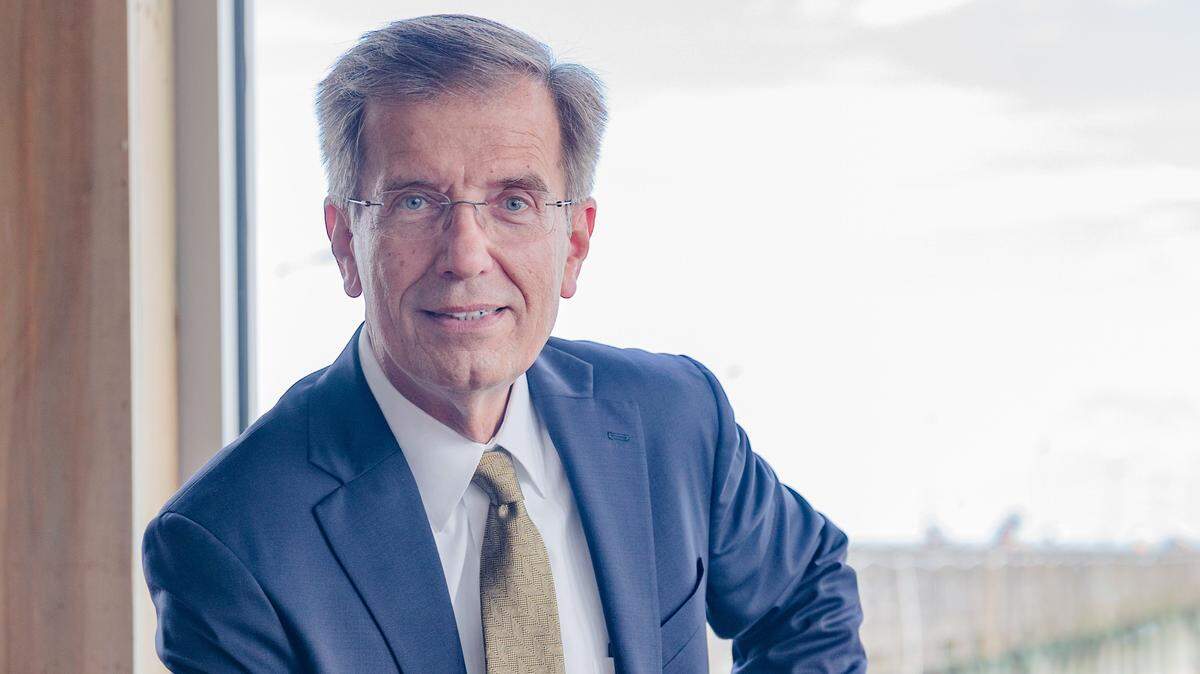
Mark Kruea
Q: What is your No. 1 priority for the city of Myrtle Beach and why?
A: My top priority is to get Myrtle Beach back on track, build a citywide vision and save our reputation. It’s easy to say “public safety,” and that certainly is a priority, but the true need is much greater.
As mayor, I’ll put residents first, work with businesses, restore transparency in government and bring common sense to spending, along with safety needs. In short, the city must be responsive and responsible to the public. Our reputation is at stake if we cannot reconnect with neighborhoods, businesses and visitors — and if we can’t make Myrtle Beach safe and family-friendly again. City Council must be involved in the budget process much earlier so that spending is targeted and appropriate, rather than excessive.
We’ve focused so much time and money on 10 blocks downtown that we’ve lost the citywide vision. We also need to revisit the Tourism Development Fee (TDF) with the state legislature. The TDF is the city’s money, but the current 80-20 distribution that benefits out-of-market advertising is unsustainable. The city and the Myrtle Beach Area Chamber of Commerce will go together to Columbia with a plan to improve the TDF so that it meets our needs.
Myrtle Beach’s history, image and economy are at stake without a change in leadership and a solid vision for the future.
Q: How will you address local housing affordability and availability?
A: The concept of “affordable housing” goes against market forces, so no easy or quick solution exists. Further, the closer you get to the beach, the more expensive it is to live, which means that workers in our largely service industry likely cannot afford to live in the areas that they serve.
The first step toward housing affordability is to pay a living wage. The city has upped its staff salaries, which is a good start.
The second step is to build and maintain a healthy economy; however, tourism was off significantly this summer. Housing and economic success are connected at the hip, so a tourism shortfall does not help.
The third step is for local governments to work together: The lack of affordable housing doesn’t follow jurisdictional lines. Governments must work with the private sector to offer an affordable product. The city’s pending Zoning Ordinance rewrite may provide some options. To the extent that one element (the cost of land, for example) can be removed from the market equation, housing can be less expensive. The recent land trust is a good start, but the amount of funding dedicated to it is nowhere near sufficient to meet even a portion of the region’s need. As proposed, that won’t result in affordable housing anytime soon.
It is not possible to meet all of the demand for affordable housing, but these steps will help. It definitely requires more than lip service.
Q: Grade the city’s approach to homelessness. What would you do differently?
A: C+, maybe. The city does very little by itself to help those who are homeless other than provide some funds for New Directions. But other community resources exist, such as the nonprofit coffee shop next to City Hall, and we can and should work with them directly.
Through Fresh Brewed, Kate Curran provides assistance and services to many who are housing-challenged. She does it alone, but if the city works with Kate and others like her, we can accomplish a great deal more. The goal isn’t to sustain people in a homeless condition, but rather to help them escape homelessness.
Just as we provide individual assistance for people who struggle with drug addiction, so can we provide individual assistance for those who are homeless. A two-person team can meet people in the field, learn what they need (identification, transportation, etc.) and help them get back on their feet, on an individual basis. It won’t solve 100% of the problem, but it can make a significant difference in the lives of many. We do not need to create a new bureaucracy, but we can easily support and complement those people and organizations that already are providing services.
Q: How specifically would you reduce crime and improve public safety?
A: We need to actively enforce the laws that are on the books but without creating a police state in the process. Our public spaces (Ocean Boulevard and the Boardwalk, for starters) need to be safe, fun, family-friendly and welcoming. We do that citywide by creating a visible police presence to reassure our residents and guests.
We must work with businesses — solicit their input and ideas — rather than ignore their concerns as the city did with the summertime traffic diversion. Hurting businesses economically isn’t going to help the city’s perception.
At one time, we programmed music and activities in public spaces (Plyler Park, the Boardwalk, Chapin Park and more) and hosted large holiday concerts. We need to find a way to bring back that fun atmosphere while still providing a highly visible police presence. Filling the 50 vacant police positions is part of the solution. Having more officers means more visibility and more coverage. Let’s also publicize the 1,200-plus video cameras, especially when they are productive. A reputation for safety and fun speaks for itself.
And when an incident does occur, we will respond promptly and effectively, successfully managing (not mangling) the public’s perception. Finally, the city as a whole could be more attractive. We think of ourselves as a world-class destination, but we don’t look like one.
Attention to these details will make a difference.
Q: What should the city do to boost safety and tourism on the boardwalk?
A: Much of the answer to this question is addressed in the previous question about crime reduction and public safety. Myrtle Beach’s reputation as a favored vacation destination is at stake, and that threatened our economy this summer. As noted earlier, increased police visibility is a key to the public’s perception of safety. Fill those 50 officer positions, and we’ll have more police on the Boulevard and Boardwalk — and in neighborhoods and elsewhere.
We need to create a welcoming environment. Let’s complement the increased police presence and enforcement with music, events and activities to improve the resident and visitor experience. We have a wealth of community resources, but we aren’t using them wisely.
Asking for additional input is helpful. Let’s not assume the city’s way is the only way. See what other places are doing, including Conway, Surfside Beach and North Myrtle Beach.
Q: What would you do to capitalize on economic development in the city?
A: The short answer to this question is to work with businesses, rather than against them. The city claims to be “first in service,” but businesses tell a different story. They say it takes up to a year to get a building permit and 90 days to get a sign permit. That’s too long. Streamline these processes and make “doing business in Myrtle Beach” a priority and a pleasure.
Myrtle Beach is and always will be a tourism destination, and that requires that we support the tourism industry through attractive public spaces and family-friendly events. Unfortunately, we’ve lost much of the shine that Myrtle Beach once had, and that’s affected the economy this year.
This year’s shootings damaged our reputation, in part because of the poor response from the city. But areas of potential economic growth exist, especially in healthcare, education, culinary arts and recreation. Let’s focus on our strengths, and diversification (and jobs) will follow.
If Myrtle Beach is a great place for residents and visitors — and for the businesses which serve both groups — then it will be a great place for new and expanding businesses. We haven’t had a “next big thing” since before COVID, and we didn’t succeed in getting Trader Joe’s inside the city limits. Why can’t we recruit specific businesses and experiences to the community?
Providing a sound, friendly business climate is the first step. If our businesses are thriving (and our reputation is good), our economic development will grow.
Q: Is the city government as transparent as it should be? How would you improve that?
A: No, the city government is not especially transparent. City Council holds many executive sessions, including a couple recently to talk about changing the election method for Council. That’s a conversation to have with the public, not behind closed doors.
Do voters want a mixed district system, similar to what North Myrtle Beach has, or do they want to keep the at-large system? Council needs to engage in dialogue, not secrecy.
Similarly, the construction contract for the $30 million theater on Main Street should be a public document. Why isn’t it? The city serves the public, and the public deserves a chance to hear and participate in conversations that result in city decisions and policies. I will improve this by asking for input, seeking ideas and requiring that the city’s actions be clear and obvious.
Transparency requires acting in transparent ways.
Q: List one budget cut and one new expense you think is necessary. Explain why.
A: The gold cap ambassadors are an unnecessary expense. Cutting them would save hundreds of thousands of dollars a year. The logo redesign is another, although much of that money has already been spent.
Several additional programs or expenses can be revisited with just four votes from City Council. (It’s a growing list of potential savings.) City Council has financial control through its budget authority, but the current Council has not been exercising that responsibility.
Let’s review the Myrtle Beach Downtown Alliance. Is it the place-making organization that we need? Council has shied away from having that conversation.
On the other side, a necessary new expense is the cost of police recruiting! With 50 police positions vacant for five years, whatever we’re doing to recruit officers is not working. Let’s try something else, and try something else again, until we fill those positions. Imagine how 50 new police officers will improve public safety and give our current police staff some much-needed support.
Again, City Council needs to be involved in the budget process much sooner, to assure that required services are funded and that public money is not wasted.
Q: What is one issue we didn’t mention that deserves more attention and why?
A: You didn’t mention the urgent need to revisit the Tourism Development Fee. Under state law, 80% of that sales tax revenue goes toward out-of-market advertising, while the remaining 20% is for tourism-related capital projects and a property tax credit.
In this year’s budget, the City Council used ALL of the 20% plus another $1.2 million to keep the current tax credit whole. That’s not a good financial decision, and it’s unsustainable.
Unless we revisit the TDF with the lawmakers in Columbia and come up with a better distribution, City Council will have to cut the tax credit next year. That will feel like (and effectively be) a major tax increase for owner-occupied homes.
Further, by using all of the 20% and then some for the tax credit, Council has zero money left for tourism-related capital projects. Early in 2026, the city and the chamber need to agree on how best to use TDF revenue for the city’s greater good.
It means changing the percentage (60-40? 50-50? 40-60?) or capping the amount that the chamber receives for out-of-market advertising (say $25 million, instead of $40 million?). This is a critical conversation which the current Council has been unwilling to hold.
Q: Why should voters choose you over your opponents in this election?
A: Myrtle Beach needs a mayor who listens and seeks input, who knows how to start conversations and who knows how to ask questions. I bring 42-plus years of communications experience to the table, including broad knowledge of the city, its needs and its shortcomings. Myrtle Beach’s reputation is at stake without a change in course.
My background includes being highly responsive to the public, working with neighborhoods and businesses and providing common-sense communication.
Unlike some of the candidates, I can work with City Council to build consensus and achieve progress for the whole city, not just one area. Seeking public office was not on my radar when I retired after 26 years as the city’s public information director last year. However, I am uniquely positioned, with broad community support, to bring about the change in leadership and guidance that Myrtle Beach needs.
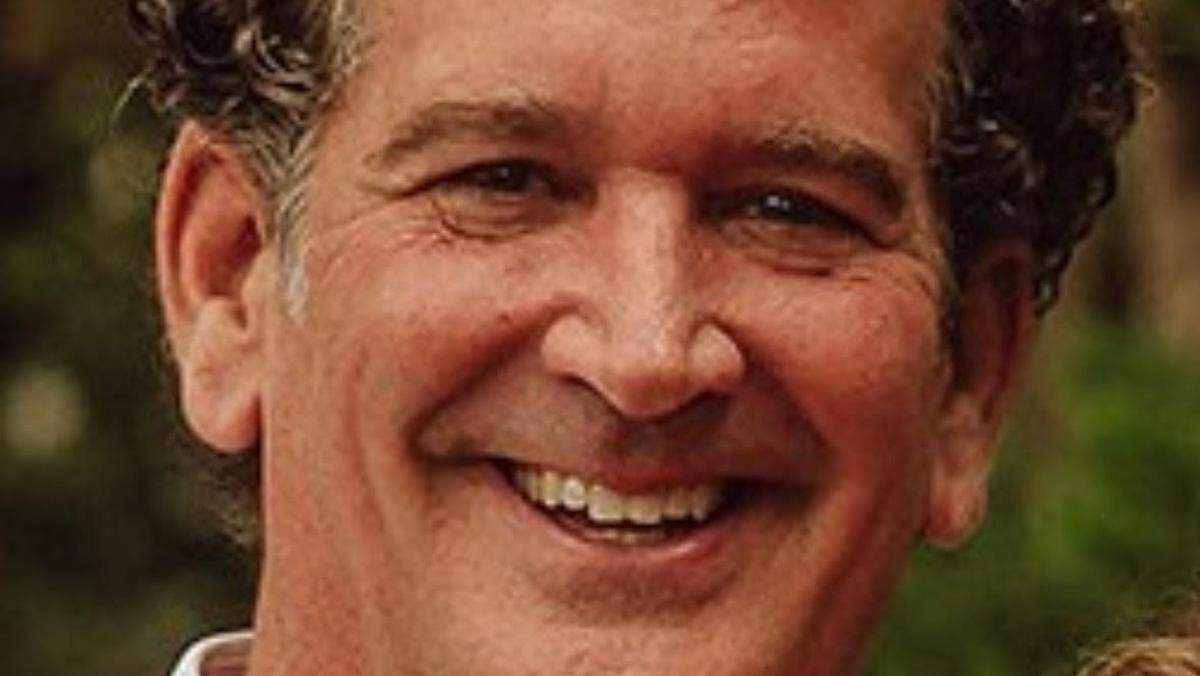
Mark Struthers McBride
Q: What is your No. 1 priority for the city of Myrtle Beach and why?
A: My No. 1 priority is to make Myrtle Beach the Safest Family Beach. PERIOD! Government’s first responsibility, at any level of government, is the public’s safety. A safe Myrtle Beach is the foundation to turning the city fortunes around.
Q: How will you address local housing affordability and availability?
Government needs to step aside and allow the free market to provide housing. Government’s responsibility to housing is to make sure there are not overbearing, burdensome regulations that limit the open market.
Q: Grade the city’s approach to homelessness. What would you do differently?
A: Failed. The city seems to have success in addressing homelessness where it wants to be successful. Certain neighborhoods are almost homeless-free while other areas of the city seem to use the “homeless” issue as a political tool for a need for “redevelopment.” Even, citywide, consistent addressing of the issue will lead to correcting the overall issue.
Do away with the Myrtle Beach Downtown Alliance’s $750,000 contract with the “Yellow Shirts” and create a program to use the homeless as the individuals to clean the streets. Other cities have been very successful with these programs. Create a Travel Home Fund, a fund supporting relocating the homeless to their home city, back to family.
Q: How specifically would you reduce crime and improve public safety?
A: Two-step process.
1) To take former CEO of the Myrtle Beach area Chamber of Commerce Brad Dean’s public pledge that the chamber would do ANYTHING the city asks, all the Myrtle Beach City Council has to do is ask. The city will formally ask the Chamber to give up half of its yearly taxpayer funded advertising dollars from the 1% advertiser tax for PUBLIC SAFETY.
With an estimated new revenue stream of $15 million dollars annually, 100 additional officers can be added and the overall compensation packages in the police department would become the best in the Southeast.
NO NEW COSTS to the taxpayer, simply reallocating existing revenues, changing priorities to make public safety more important than advertising.
2) New management. The city must have a police chief who is a success, not a police chief who makes excuses and manages in a reactive mode.
Q: What should the city do to boost safety and tourism on the boardwalk?
A: Safety on the boulevard. See above. Boulevard safety is not any more important than the safety in ANY neighborhood. A resident or visitor should travel the entire city free from fear.
Boost tourism on Boulevard. Ask the Chamber what it has done with the hundreds of millions of dollars it has used to advertise over the last 15 years!
Q: What would you do to capitalize on economic development in the city?
A: The citizens and businesses are the ones to capitalize on successful economic development. They are the winners. Their property values grow, their businesses succeed. Government should actually get smaller and more efficient, allowing the markets to flourish.
Q: Is the city government as transparent as it should be? How would you improve that?
A: I thought this question was in jest. The Myrtle Beach city government is corrupt, telling the public nothing. From a downtown redevelopment driven by a self-appointed, unelected nonprofit to buying $35 million in land purchases with NO PLAN. I would be open, like I was in my first two terms.
Q: List one budget cut and one new expense you think is necessary. Explain why.
A: To say one budget cut would be an injustice to the many, many budget cuts I’d propose. See my past record of conservative fiscal responsibility.
One new expense would be to have the Myrtle Beach Area Chamber of Commerce’s TDF Tax fund AUDITED by a Big Four firm to actually see where the hundreds of millions of dollars in advertising has been spent! Good thing, this new expense would actually be paid by the Chamber out of its monies.
Q: What is one issue we didn’t mention that deserves more attention and why?
A: The city must get out of the real estate business. The city is not supposed to be a developer or a property management company.
Q: Why should voters choose you over your opponents in this election?
A: My record speaks for itself. My time on Council saw the opening of Broadway at the Beach, the multi-county business park — which brought in 2,500 acres, Grand Dunes, the Marriott, the Mall of South Carolina and the Aynor industrial park, all of which led to the creation of Market Common.
After 12 years of a dismal Rhodes administration, the city has now suffered through eight years of a failed Bethune administration. The PEOPLE deserve proven leadership, not eight more years of failed leadership.
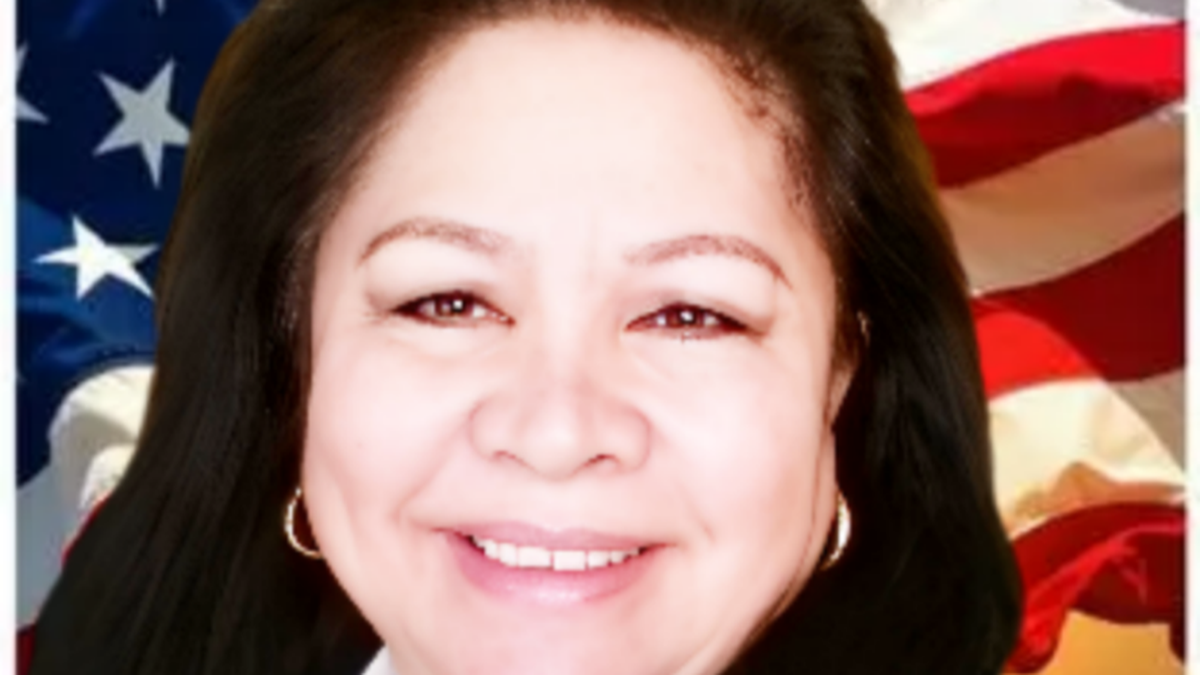
Eva Rigney
Q: What is your No. 1 priority for the city of Myrtle Beach and why?
A: My No. 1 priority for the city of Myrtle Beach is public safety and economic prosperity. Public safety and economic prosperity are not separate goals — they are two sides of the same coin. You cannot have one without the other. Protecting our residents and visitors requires resources, and those resources come from a strong economy.
On the other hand, no city can thrive economically if crime is high and people don’t feel safe. Businesses won’t invest, tourists won’t visit, and families won’t want to live here. That’s why my No. 1 priority for Myrtle Beach is improving public safety and economic prosperity for our residents. People deserve to feel safe and secure in their neighborhoods and confident that their families can enjoy our city without fear. That requires smart, targeted investments — not just in policing, but also in infrastructure and community services that keep our city safe and welcoming.
Q: How will you address local housing affordability and availability?
A: Housing affordability is one of the biggest challenges we face as a city. I support programs like the Horry County Community Land Trust, which works to create affordable housing for our workforce. But let’s be honest about the limitations. It depends on builders producing homes at steep discounts, which raises concerns about construction quality.
On top of that, resale restrictions may prevent families from selling at market value, limiting their ability to build wealth. That’s a tough tradeoff when homeownership has always been a pathway to stability and opportunity. We can do better.
The city should incentivize builders by refunding impact fees, water and sewer connections, and permit costs — as long as those homes are built within six to eight months. That way, builders have a reason to move quickly and locals get quality homes without delays and red tape.
But here’s the bigger truth: The best way to make housing affordable isn’t just about subsidies or restrictions. It’s about raising wages.
If we attract companies that pay well and provide stable careers, then working families will be able to afford homes without relying on government programs. Affordable housing has to go hand-in-hand with good-paying jobs. At the end of the day, “affordable” should never mean “second-class.” Our goal must be quality homes, built with pride, in neighborhoods where families can live with dignity, opportunity and the chance to build real equity for their future.
Q: Grade the city’s approach to homelessness. What would you do differently?
A: I’d give the city a grade of “C” on its approach to homelessness. New initiatives like the “homeless court” give repeat offenders a chance at treatment and support instead of jail, and partnerships with nonprofits such as New Directions of Horry County are expanding access to shelter, counseling and case management.
But that is not a complete solution to the problem of homelessness. Challenges remain and are real. For too long, the city leaned on ordinances that punished people for panhandling or sleeping on sidewalks — an approach that criminalized homelessness instead of addressing its root causes.
Here’s what I’d do:
1) Expand emergency beds so no one has to sit on a waitlist in a crisis.
2) Create a one-stop hub for services so people can quickly connect to housing, treatment and job support without confusion or delay.
Q: How specifically would you reduce crime and improve public safety?
A: Myrtle Beach can be safer for everyone by using both technology and common sense. Things like SmartGate systems, which help manage crowd entry and exit points in tourist districts, would speed up movement, and improve security, similar to anti-theft gates at department stores, but on a citywide scale.
We’ll also invest in ongoing training and retraining for our officers so they’re always prepared to protect themselves and the public. I’m also exploring new ideas like businesses keeping a gadget on hand to alert police, similar to what bank tellers use during a robbery.
During high tourist seasons, we’ll add covert operations in areas that historically see problems. Plainclothes officers can blend in with the public and gather intelligence. And since many crimes here are committed by people from outside our county, I’ll work with neighboring areas to share information, including photos of repeat offenders. Facial recognition cameras strategically placed in problem areas will help us identify threats before they escalate.
Community engagement is just as important. I want more programs that connect officers with residents, businesses and schools so people are more willing to report issues early.
We also have to address the root causes of crime. Too many crimes are being committed by younger and younger kids. I’d encourage schools to teach respect for authority, the consequences of poor decisions and practical life skills, starting in preschool.
We’ll use data-driven policing to focus our resources where they’re needed most, especially during peak tourist season.
Q: What should the city do to boost safety and tourism on the boardwalk?
A: To boost both safety and tourism on the boardwalk, we need a bold, common-sense approach that makes the area safe, fun and unique. My vision is to close 9th Avenue North through 13th Avenue North on Ocean Boulevard and create a “car-free, weapon-free boulevard,” modeled after places like Louisville’s Fourth Street Live or Mackinac Island in Michigan.
This would turn our boardwalk into a vibrant, family-friendly destination where visitors can walk, shop, dine and enjoy entertainment without worrying about traffic or safety. To support this, we’ll encourage private investors to build four- or five-story parking structures on existing lots, equipped with smart cameras and passport-style payment systems, making parking easy, secure and convenient.
Safety would also be enhanced through technology like SmartGate systems, advanced surveillance and close coordination with nearby law enforcement — along with outreach programs that engage youth and residents in respecting public spaces.
At the same time, we can make the boardwalk a year-round destination. I plan to host annual events like Carolina Shag festivals, making Myrtle Beach the largest celebration of this dance in the U.S., offer deeply discounted venues to attract large Christian conferences and launch an Antebellum event to draw locals and tourists from all over.
Together, these ideas would transform our boardwalk into a world-class destination that boosts tourism and creates a safe, lively environment for everyone.
Q: What would you do to capitalize on economic development in the city?
A: To secure Myrtle Beach’s future, we must think beyond tourism and build a diversified economy that creates year-round, high-paying jobs. Tourism is the backbone of our city, but relying solely on it leaves us vulnerable to seasonal swings and limits opportunities for residents.
My plan is to position Myrtle Beach as a hub for technology, innovation and entrepreneurship, while strengthening downtown and supporting small businesses. I will work closely with Coastal Carolina University, Horry-Georgetown Technical College and other local schools to create short-term programs in artificial intelligence and cybersecurity that can be completed in six months. AI isn’t the future. It’s here now, and Myrtle Beach should be leading, not following.
I would also tap into the expertise and support of leaders like Robert Faith, Anita Zucker and Michael King to help attract tech companies here. Our International Technology & Aerospace Park, currently occupied by DC Blox, is a perfect example of untapped potential.
The DC BLOX Myrtle Beach Cable Landing Station is strategically located and offers direct access to the rapidly expanding hyperscale data center footprint in the Southeast.
To achieve this, we will:
● Invest in and promote new industries by working with federal, state and regional partners to recruit high-paying sectors like technology, healthcare and advanced manufacturing.
● Support small businesses by offering incentives for local shops and restaurants, especially downtown, to create a vibrant year-round business scene.
● Enhance infrastructure and quality of life by improving public spaces and infrastructure to attract investors and make downtown businesses thrive.
Q: Is the city government as transparent as it should be? How would you improve that?
A: Myrtle Beach does post its financial report on the city’s website, but for most residents, it’s hard to understand. The report lists payees and amounts but gives no description of what the expenses are for, leaving taxpayers in the dark.
There have been improvements. In 2024, the city launched an online portal for Freedom of Information Act (FOIA) requests, making it easier to access public documents. The website also posts City Council meeting packets and materials. Still, groups like the South Carolina Policy Council have raised concerns about transparency, and some public records remain slow or costly to obtain.
To strengthen accountability, Myrtle Beach must go further. All council meetings, workshops and major committee sessions should be livestreamed and archived online. There should never be behind-closed-door discussions. The yearly Wampee Conference Center retreat is unnecessary and should be eliminated — public funds should benefit the city directly.
The city should also proactively publish more records, like contracts, expenditures and datasets, so residents don’t always have to file FOIAs. Interactive Q&As and online forums should be used for major policy discussions. And stricter ethics rules around conflicts of interest would show real commitment to accountability. Transparency isn’t just about posting documents; it’s about making information clear, accessible and meaningful for the people who pay the bills.
Q: List one budget cut and one new expense you think is necessary. Explain why.
A: The Pelicans ballpark needs an estimated $35.7 million for improvements. On top of that, the city loses about $90,000 annually operating it, so it hasn’t generated real revenue for Myrtle Beach. It has become a financial burden.
Continuing down this road doesn’t make sense. That’s the budget cut I would make.
Instead of wasting money on projects that don’t directly benefit our residents, we should invest in improving our downtown. That means helping property owners upgrade their homes and businesses with matching grants — fresh paint, landscaping and a Lowcountry-themed aesthetic that reflects who we are.
I want to create a Myrtle Beach City Market, modeled after the famous Charleston City Market, and add a walking tour that brings life and pride back to our city center. And let’s not ignore the basics. Our streets need attention — potholes patched, roads sealed and striped.
Just recently, a resident told me about deep potholes on Mr. Joe White Avenue that have been there for years, posing real danger to pedestrians, cyclists and drivers. These everyday issues affect quality of life far more than flashy projects. That’s where our focus should be — on the things that make Myrtle Beach safe, inviting and livable.
Q: What is one issue we didn’t mention that deserves more attention and why?
A: It may not be as visible as other issues, but Myrtle Beach must address the problems with HOAs and property management. I see firsthand how widespread this is — and right now, there’s no real advocate for them. Many investors buy condos only to find themselves disappointed — high HOA dues, rising rental fees, declining cleanliness and poorly maintained amenities drive them to sell at a loss. Tourists leave bad reviews, complaints go nowhere, and the cycle repeats.
Now imagine if the city had an advocate on staff to investigate complaints, or inspectors checking hotel cleanliness like we do with restaurants. Property values would rise, condos wouldn’t sit unsold, and investors might put money into other projects in the city.
Positive reviews attract more business, and that directly boosts our tourism and reputation. The city’s involvement could turn frustration into growth — benefiting owners, investors and visitors alike.
Q: Why should voters choose you over your opponents in this election?
A: I am the face of hope and change. My life has been shaped by resilience, integrity and a commitment to doing what’s right — no matter how hard it is. I was born in poverty, but through hard work and determination, I built a life of success.
My first real test came in my twenties, when I served as a juror in a possible murder case. The foreman and 10 others wanted a quick verdict so they could go home, but I refused. I knew they were making the wrong decision. That moment taught me the value of courage and independent thinking.
When a town in Kentucky lost its largest employer to NAFTA, I sprang into action to help. I created a six-month training school for paralegals, pharmacy assistants, office administrators and medical billing. I secured federal and state grants so displaced workers could retrain without paying tuition, while still having income to live on. One graduate became an attorney; another became the county Judge/Executive.
I am guided by my faith in God and by the belief that democracy only works when respect — for life, for law, and for one another — is at its core. Myrtle Beach was named for the myrtle tree, a biblical symbol of hope, prosperity and restoration. My candidacy represents that same hope — a new direction for Myrtle Beach: restoring trust, empowering our citizens and building a city where everyone can thrive. It’s time for a new approach. It’s time for real change.
This story was originally published October 9, 2025 at 5:00 AM.