Companies shouldn’t be able to buy a kid’s future with SC settlement-sales loopholes
READ MORE
Money for Accident Victims
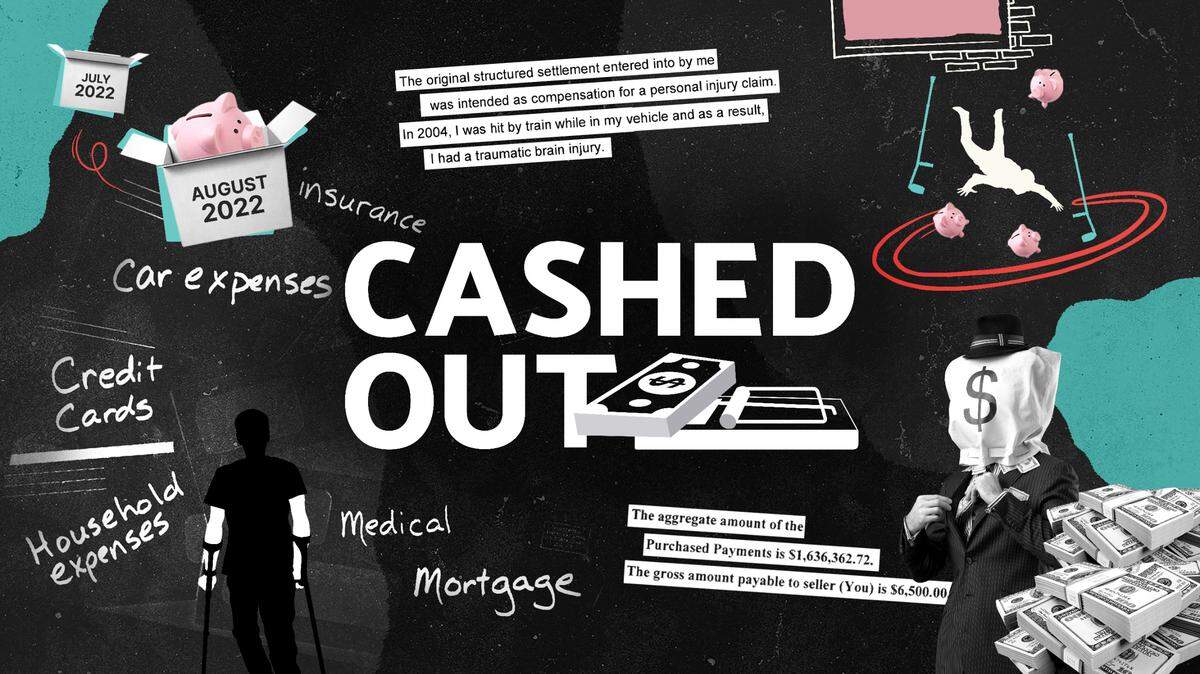
Lightly regulated companies are making deals with injured South Carolinians who have received lawsuit settlements. The companies give victims quick cash in exchange for millions in future payments. Read McClatchy’s investigation to see how the deals often go awry.
Expand All
The protections South Carolina lacks for its citizens never ceases to shock.
One is a law to safeguard children who are set to receive lawsuit settlement money once they turn 18.
Companies, known as factoring companies, can buy reserves of money which are being kept for children who have gone through trauma, lost a parent or any number of tragedies in which a lawsuit ends with a settlement. The companies can in essence purchase these kids’ futures in South Carolina with little oversight and questionable legal practices as reported by McClatchy and reporter David Weissman in the “Cashed Out” series.
That’s unconscionable, and state lawmakers need to step in to fix the loopholes that allow this to happen.
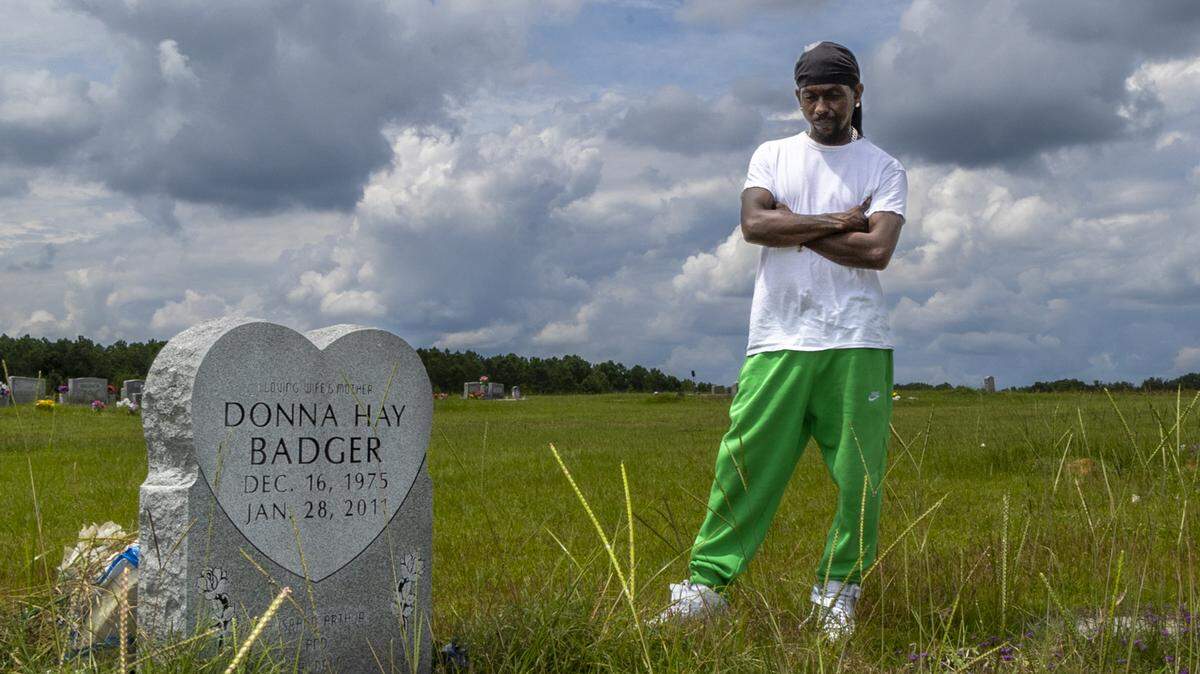
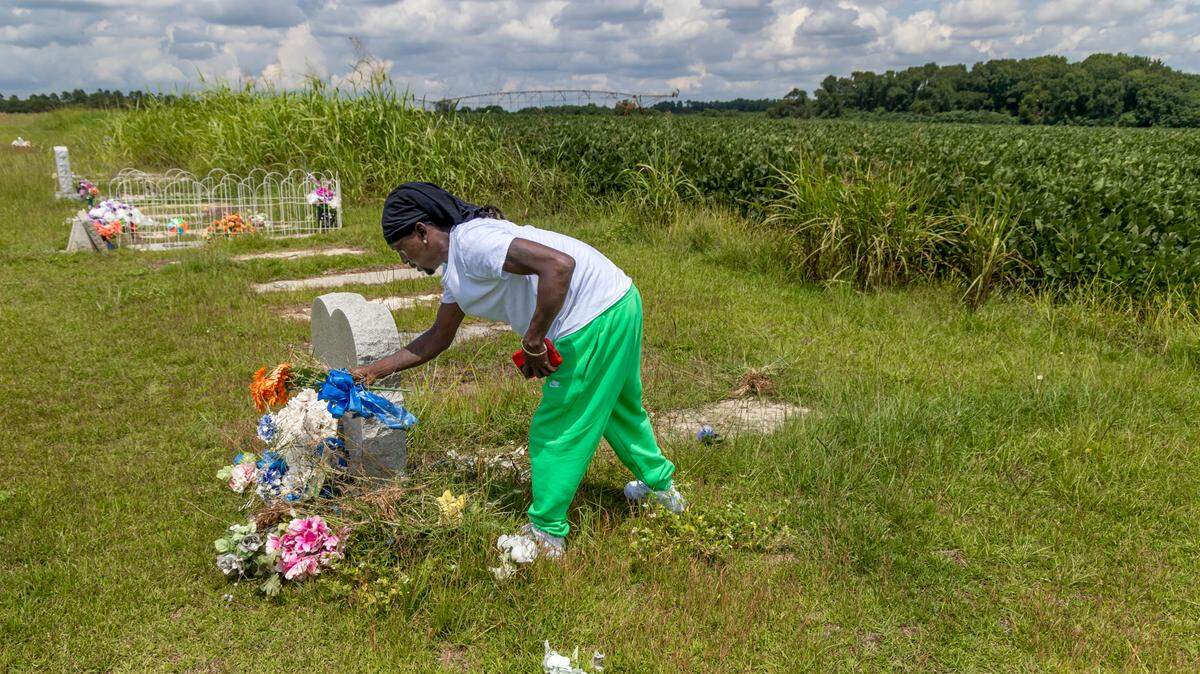
The reserves of lawsuit money paid to children in installments once they become adults are called structured settlements. Take the Badger family of Allendale County, as McClatchy reported about, for example. A company’s truck crashed into Arthur Badger Jr and his wife while they were, leaving him a single father to six children. The company settled a lawsuit for millions of dollars, and $4.8 million of that was set aside in separate structured settlements for his children. They would start receiving monthly payments when they came of age. But the three youngest, who would have been paid about $2.8 million over decades, won’t receive anything.
That’s because factoring companies bought the future payments meant for the three youngest through predatory practices, unbalanced legal know-how and loopholes in state law.
Others might say that the children’s father sold out the structured settlements to the companies, but rules meant to protect the children’s money from bad deals failed and shady company practices won out.
In cases dealing with a child’s settlement, an independent representative for the child, called a guardian ad litem, should be required by South Carolina law. McClatchy found that the appointment of a guardian ad litem during the sales of structure settlements are rare. That has to change and along with it the means by which guardian ad litems are appointed.
A guardian ad litem was appointed for the Badger children in three of the deals. The problem was that the attorney for the company buying the settlements recommended the lawyer that served as the guardian ad litem. That in common parlance is what you call a fox guarding the hen house.
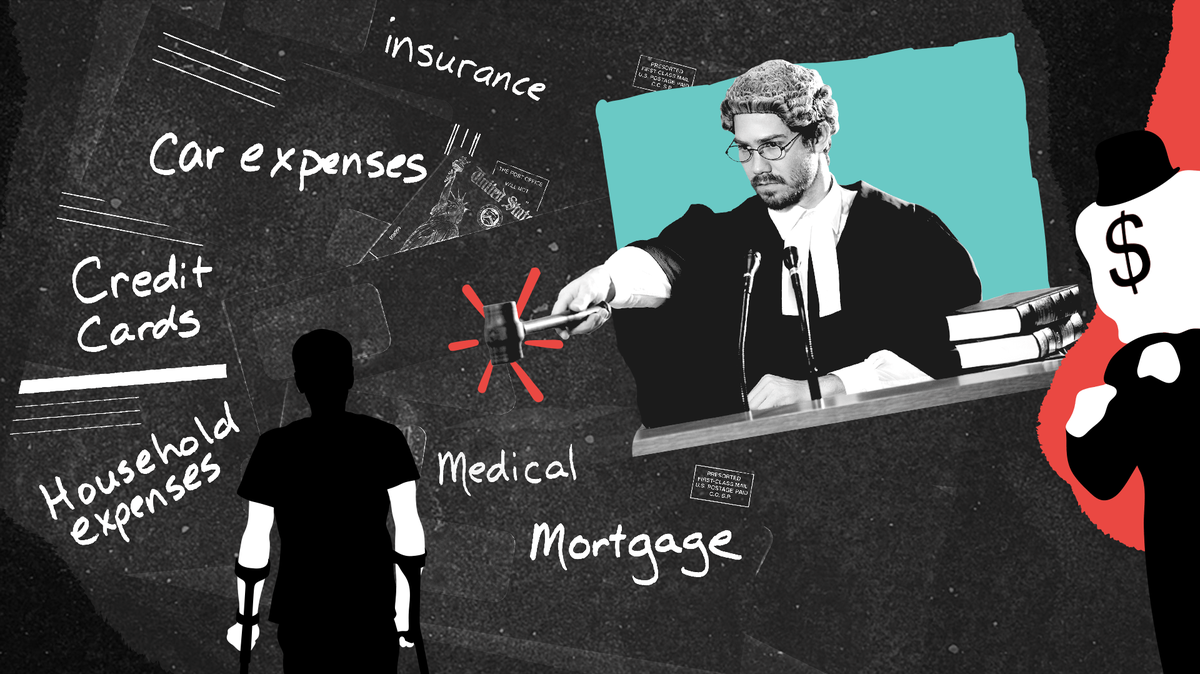
Moreover, the judge in the sale, who is mandated by S.C. law to be watching out for the best interest of the seller, approved the guardian ad litem, showing once again the inadequacy of the state’s law.
The guardian ad litem recommended the sale of the children’s future payments despite never speaking with them or visiting their home, McClatchy reported.
How many other cases like this fly under the radar? Probably more than the state of South Carolina would like to admit.
The judge approved the sales for seven cent on the dollar. The family got about $200,000 by giving up nearly $3 million. That’s indefensible. South Carolina’s system of protection for the seller failed.
The Badger’s happened to live in the wrong county for fair settlement-sales deals.
McClatchy uncovered strong evidence that factoring companies are stacking the deck to ensure they get the best deal and people in desperate spots come away with little.
Walter Sanders, a lawyer who serves as a judge in Allendale County ruling on settlement sales, including those of the Badger family, hasn’t denied a deal in eight years, McClatchy reported. He has approved deals with the lowest return of any judge in the state that routinely deals with settlement sales. Many of the cases that come before him deal with people who don’t live in Allendale County, nor was their settlement approved there. Allendale County, the least populated in South Carolina, was in the top 10 counties where settlement sales were approved, according to McClatchy’s report.
McClatchy reported on a man who evidence pointed to living in Pennsylvania. He had two settlement sales denied in Virginia before he “moved” to Aiken, though its likely he actually lived out-of-state. His settlement sales came to Allendale County where they were approved.
Lawmakers need to wake up to what’s actually happening. This has all the hallmarks of forum shopping by the companies.
Factoring companies are using their legal resources to get cases into Allendale County and other favorable counties where they can get the best deals for themselves and the worst deals for sellers.
State lawmakers have the opportunity to fix these unfair practices by amending laws that:
▪ Require an independent guardian ad litem be appointed for any sale dealing with children’s structured settlements.
▪ Set a minimum percentage sellers must get for their money. No more sales for seven cents on the dollar.
▪ Require factoring companies to register in South Carolina.
▪ Stop forum shopping by mandating court hearings be held in the county where the seller lives.
As written about in another column, lawmakers need to create statutes to protect people with brain injuries and young people during settlement sales and require disclosures of previous sales.
These steps could make South Carolina one of the fairest states for settlement sales instead of one of the most unjust.
This story was originally published September 11, 2022 at 5:15 AM with the headline "Companies shouldn’t be able to buy a kid’s future with SC settlement-sales loopholes."