How SC senators tried to keep contentious gov’s race out of Alan Wilson hearing
For a couple of weeks, U.S. Rep. Nancy Mace hyped up the state Senate’s legislative oversight hearing of the South Carolina Attorney General’s office, which is led by her rival in the governor’s race, Alan Wilson.
Privately, oversight members wondered whether the process created in 2019, which brings agencies in roughly every seven years, could turn into a spectacle.
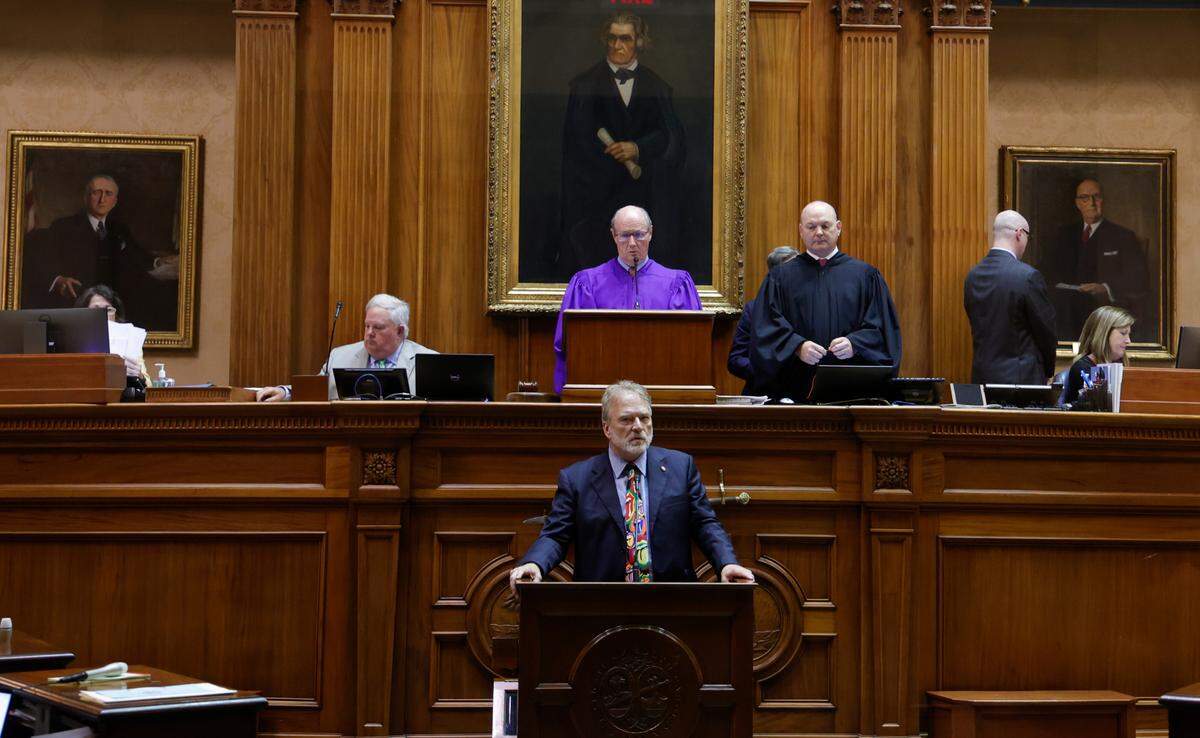
But they strived to prevent Wednesday’s oversight hearing for the Attorney General’s office from turning into a circus.
The hearings are usually “dry and boring,” said Senate Majority Leader Shane Massey, who is leading the legislative oversight subcommittee reviewing the attorney general’s office.
“This one kind of has taken on a different attitude for whatever reasons,” Massey added.
Anticipating a potential disruption, additional security was stationed inside and next to the Gressette meeting room, including one member of the sergeant-at-arms staff sitting in the back of the room.
The meeting drew a wide array of media attention, including one national reporter.
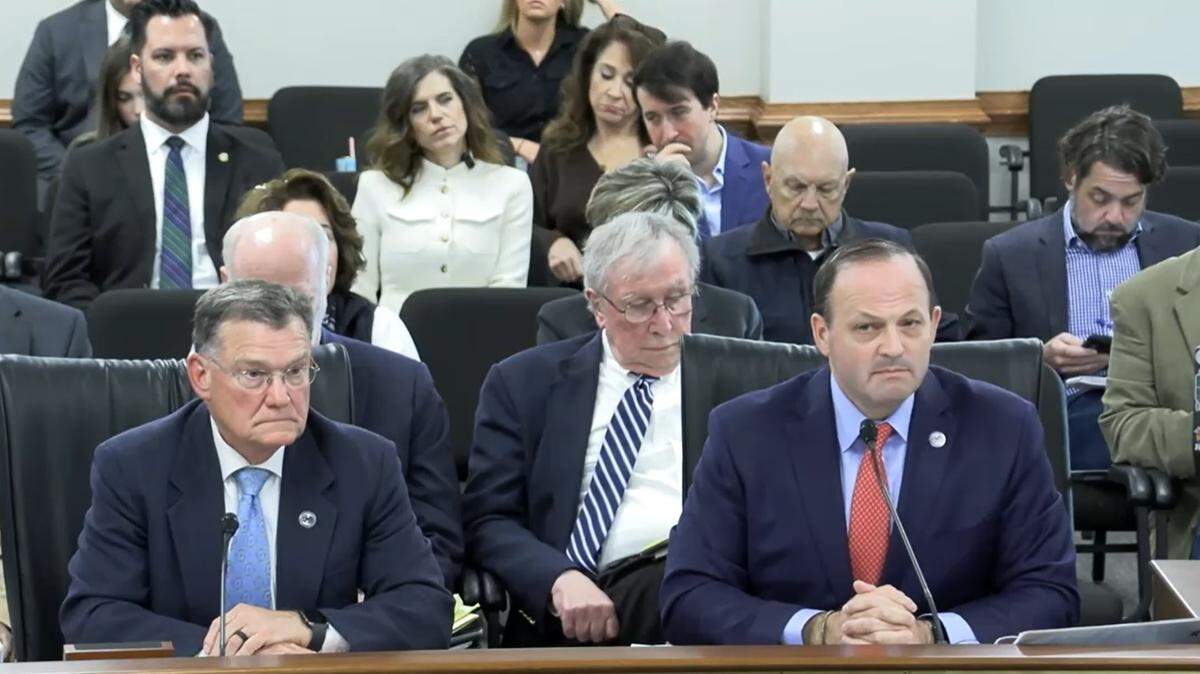
After the contingent from the attorney general’s office sat behind Wilson during his testimony, the seats four rows behind the Republican hopeful for governor were open.
Mace walked in slightly after the hearing began, accompanied by a handful of staff members and a man providing security. They took those empty seats behind the attorney general, in view of a camera used to livestream the proceedings. It created an image of Mace looking over Wilson’s shoulder while lawmakers discussed their oversight.
Mace spent the meeting, looking at her phone, taking notes and whispering to a staff member.
As the hearing began, Massey explained the attorney general’s office was randomly selected late last year to go through the oversight process.
“This is not really about General Wilson. This is about the attorney general’s office that we’re looking at, and it’s a long process so many you know, I know there’s been a lot of attention recently, but this process with the attorney general’s office began in 2024,” Massey said.
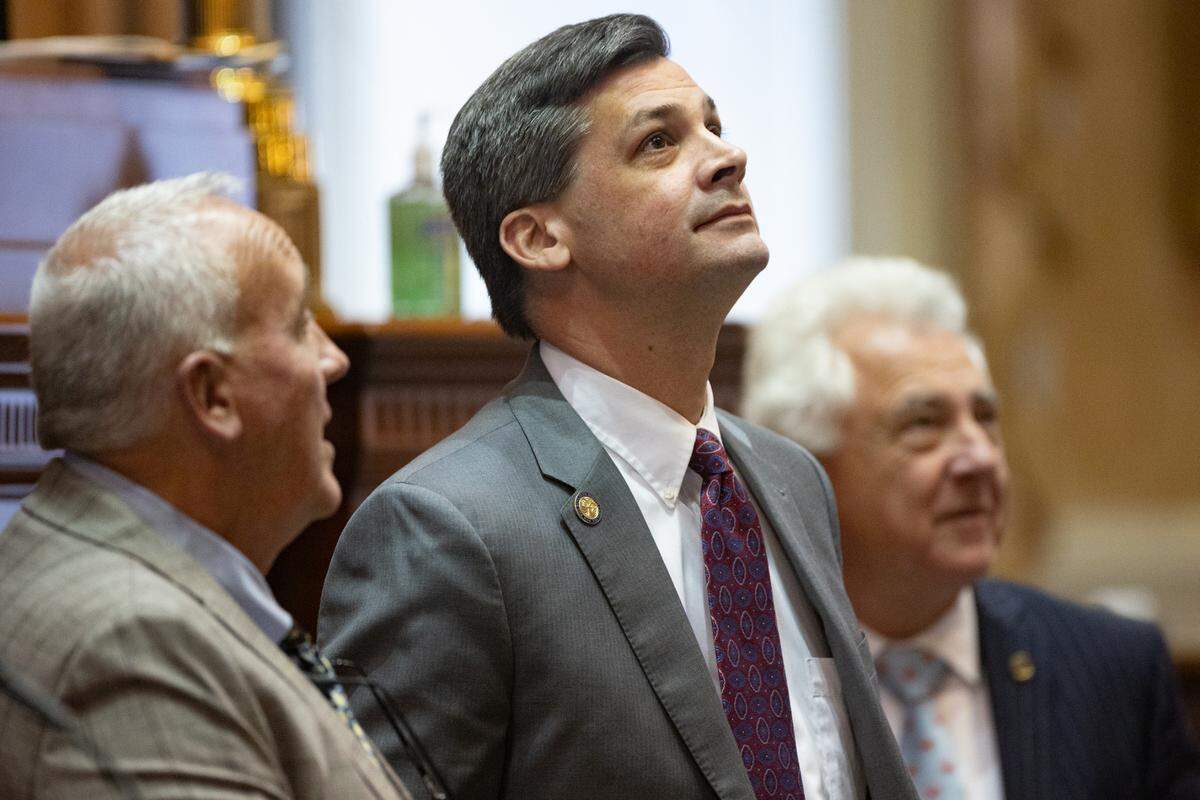
The Senate’s oversight committee is the most evenly divided committee in the upper chamber, with seven Republicans and six Democrats. Massey said it is by design.
The subcommittee for the attorney general’s oversight process had three Republicans and three Democrats. The balance is an effort to keep it from becoming partisan, unlike when federal lawmakers use the oversight process to make political points and to create television moments.
“We didn’t want it be Washington, we didn’t want that type of environment because we thought this process was important,” Massey said. “We wanted agencies to be cooperative, we wanted everyone to have buy-in to it.”
“Our idea with these things is to try to identify issues before they become issues, to try to provide oversight, some looking over the shoulder of the different agencies because the legislature is responsible to the public for providing funding, we think we then have an obligation to make sure that the funding is being spent in the most appropriate manner,” Massey added.
Massey said the attorney general’s office was cooperative. The process included an overview of the agency, interviews by oversight staff with agency employees, and a review of exit interviews.
The review of the attorney general’s office had its first meeting in the spring. Wednesday’s session was the second hearing. An opportunity will be given to other agency employees to provide feedback, and a third hearing is expected before a final report.
“We’ve enjoyed the process. We love it, and we look forward to completing it,” Wilson said.
A preliminary report from legislative staff presented Wednesday included problems with turnover, low pay, the top leadership being insulated from the rest of the more than 300-employee agency and use of outside law firms.
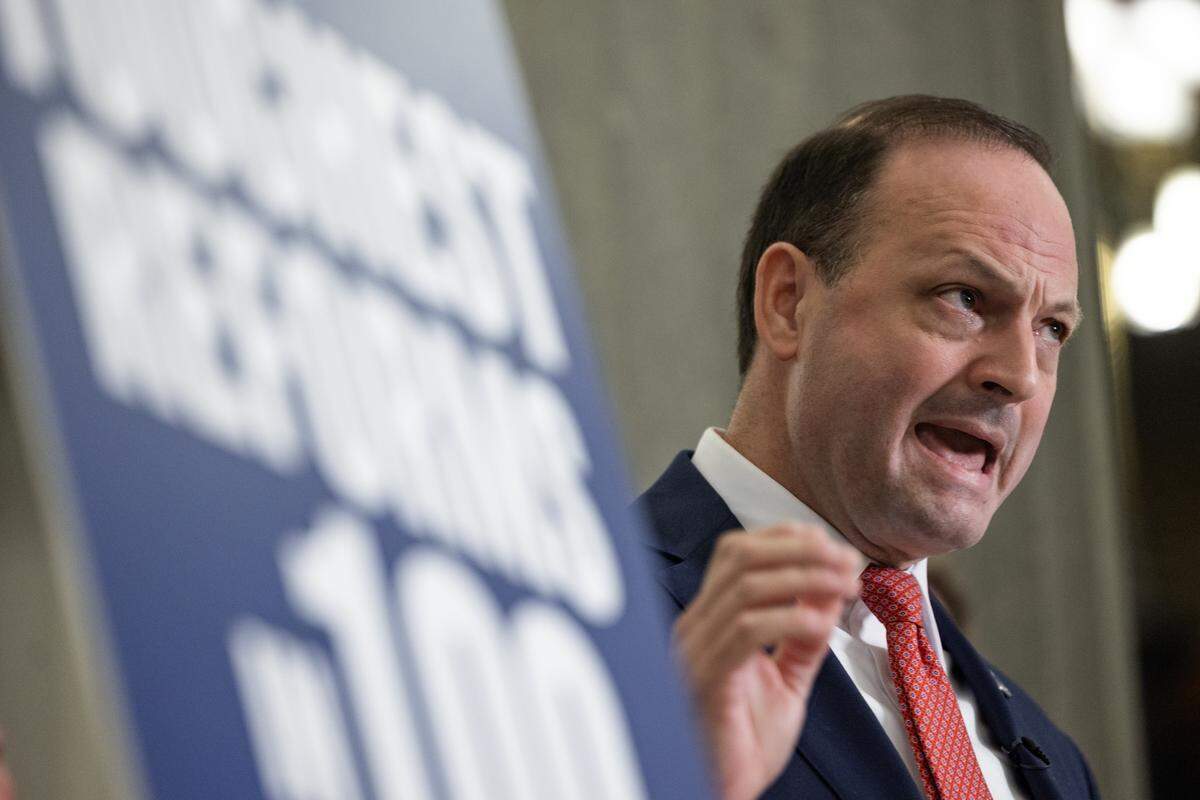
“Are we insulated from certain people in the office? Maybe we’re all fallible, sure, but I can tell you, we try to walk the halls. We create opportunities for staff to give us feedback. We create opportunities for staff to engage us. We create opportunities for staff to take ownership of the office and the office culture,” Wilson said.
Senate Minority Leader Brad Hutto also questioned Wilson’s participation in cases from other states dealing with the federal government or national issues, such as souther border security or transgender rights issues. Involvement in those cases, even if they originate in other states, can be seen as politically motivated, and Hutto questioned who covers the financial costs of being involved in those cases.
“First off, everything you do and don’t do as an elected official is political, that applies to all of you,” Wilson said to the senators.
“I would always argue that the expense to the state for us not to challenge some of these things is greater than the expense of bringing a case,” Wilson said.
Mace’s reaction
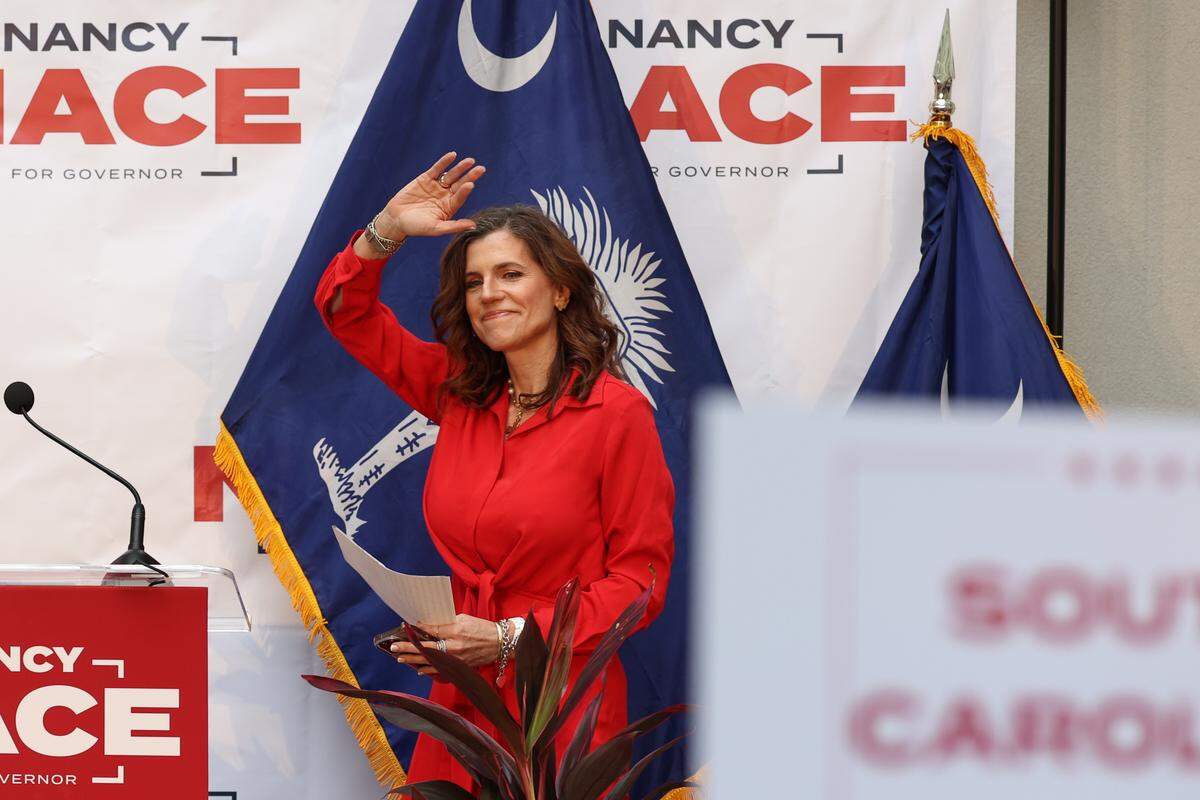
But the issues being discussed didn’t seem to satisfy Mace.
About an hour and 45 minutes into the hearing, Mace left the hearing and then briefly spoke to reporters outside the Gressette building. Some onlookers stopped to observe, including the spokesman for the state Senate Republican Caucus, and a member of Senate security.
Mace criticized the hearing, saying a potential whistleblower had been silenced and calling for questions on the attorney general’s office plea deals.
“If, in fact, there was a whistleblower, as many of us are aware of, allegedly, why weren’t they invited? Was some sort of a deal struck beforehand?” Mace said. “I liked it was bipartisan, but where were the tough questions?”
“My top thought walking out of the hearing this afternoon was that the next governor of South Carolina needs to be able to ask questions at these hearings,” Mace added. “I was sitting there taking notes and just writing down what questions should be asked because we weren’t getting a lot of information.”
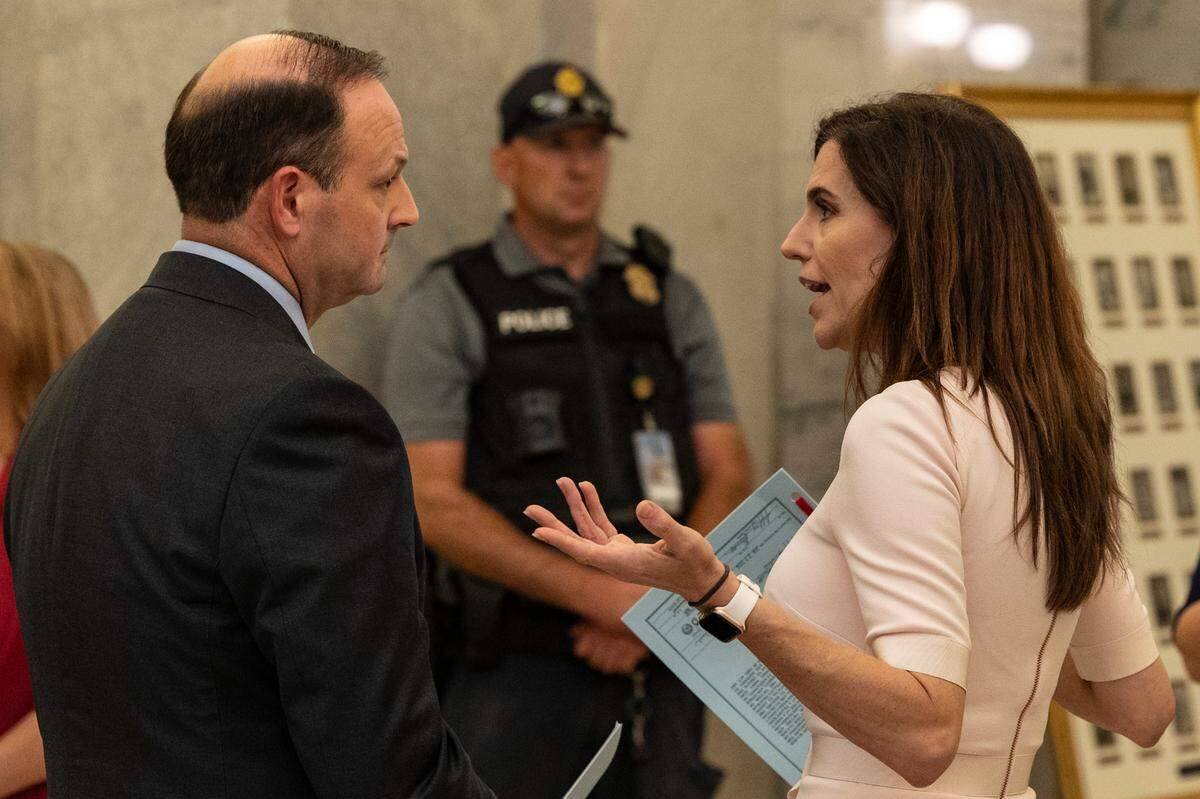
FITSNews had reported there were questions about procurement issues at the agency, but Massey and other senate staff determined that there wasn’t sufficient information to warrant a referral to the inspector general.
While speaking with reporters after the hearing, Massey denied any knowledge of agreements to keep people from testifying.
“I don’t know anything about any deals. I don’t know about anything about anybody else being supposed to talk. This was the normal process. This is the process that we’d set out probably six months ago,” Massey said. “Every agency that goes through oversight has this meeting, and at this meeting, it is the director or any designees that he or she wants to testify. So there was nobody else that was ever supposed to come testify today.”
Mace, however, repeated criticisms she’s had of the attorney general’s office she has lobbed during the campaign.
“I didn’t hear a single question today about why there are no prosecutions in the Attorney General’s Office of pedophiles,” Mace said, going on to repeat criticisms of charges being dropped as part of plea agreements.
The attorney general’s office has said sometimes individual cases, such as in child sexual abuse material cases have thousands of images. For efficiency sakes only handful are only charged, but the entirety of the behavior is told to the judge for sentencing purposes. Other times the federal government may have a larger case and may ask the state prosecutors to formally dismiss cases.
As the oversight committee prepares for a final meeting on the attorney general’s office, Massey and Hutto did not want the attorney general to be publically ambushed as the oversight process continues, promising to let him know of any issues that arise before the next oversight hearing.
“If we receive something in there, there appears to be something there that’s concerning. Sometimes you’re going to get stuff out of left field,” Massey said.
“Or right field,” Hutto added to laughs.
“More recently, it’s probably coming from right field, but sometimes you can look at it, you can just tell, on the face of it there’s nothing there. But if there is anything that we’re going to get concerned about, my commitment to you is you’re going to hear about it before you read about it in the press, at least from us,” Massey said. “You’ll have an opportunity to evaluate it and respond to us.”
And Massey was determined to keep any governor’s race consideration away from the hearing.
“It’s a long process when you do all the looking under the hood that we need to do,” Massey said. “I’m not here to help the Attorney General get elected governor, and I’m not here to prevent him from getting elected governor. That’s not my job. I’m going to do the oversight work. And whatever comes out of it, comes out of it.”
This story was originally published November 10, 2025 at 5:00 AM with the headline "How SC senators tried to keep contentious gov’s race out of Alan Wilson hearing."