After first felon in Capitol riot gets prison sentence, will NC defendants follow?
READ MORE
NC links to US Capitol riot
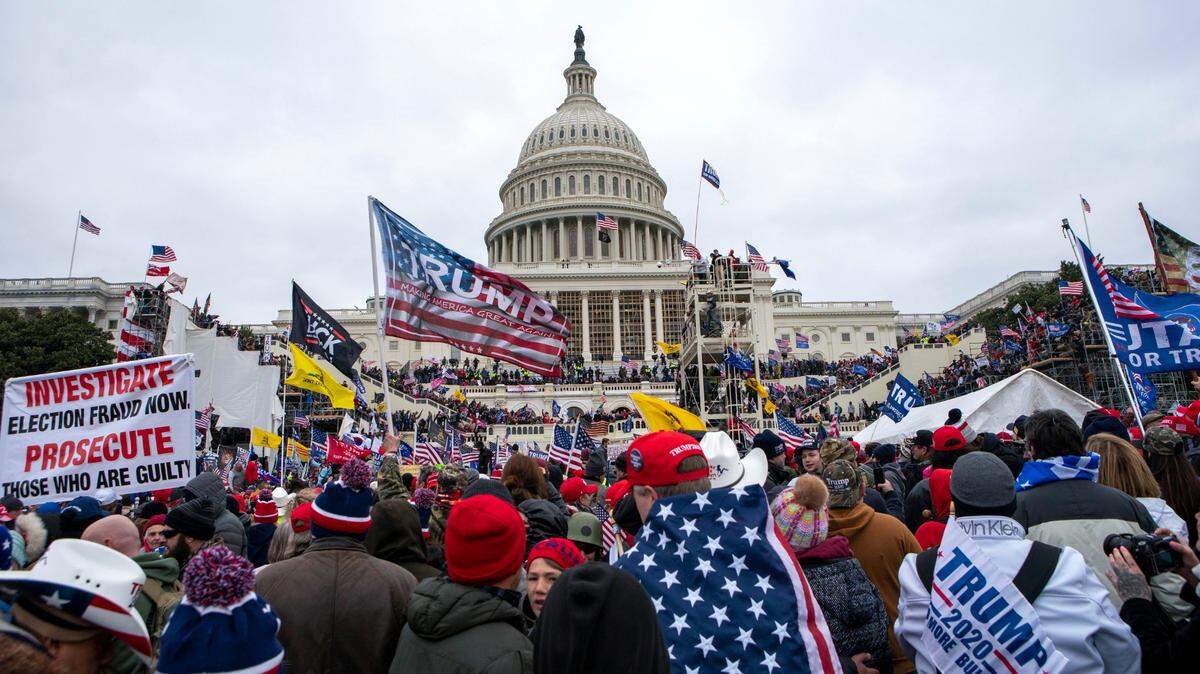
Federal prosecutors have charged at least 23 North Carolina residents for their suspected roles in the assault on the U.S. Capitol by hundreds of Donald Trump supporters on Jan. 6, 2021.
Expand All
After Florida resident Paul Hodgkins became the first felony defendant sentenced in connection with the Jan. 6 riot at the U.S. Capitol, his lawyer described the case as the beginning of a healing process.
“Paul was a vehicle to start a conversation we need to have as a country ... which is how are we going to treat each other,” attorney Patrick Leduc said, according to the Washington Post.
On Monday, U.S. District Judge Randolph Moss sentenced Hodgkins to eight months in prison. Where the so-called conversation goes from here could bring life-changing consequences to at least six North Carolinians.
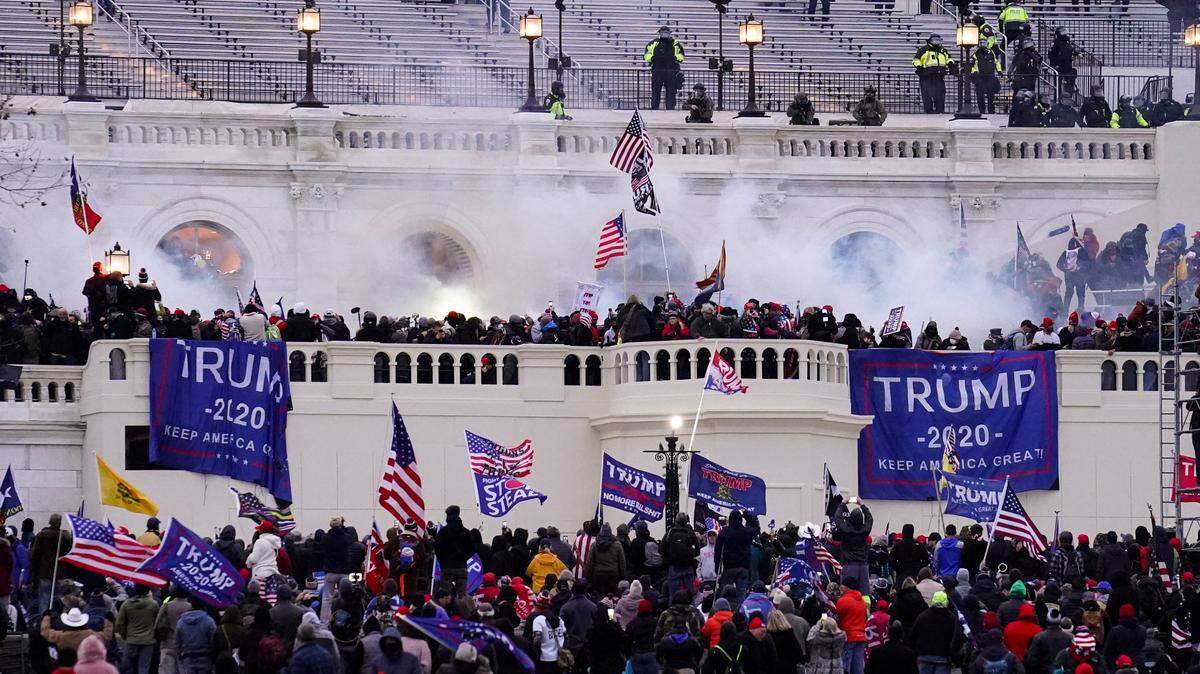
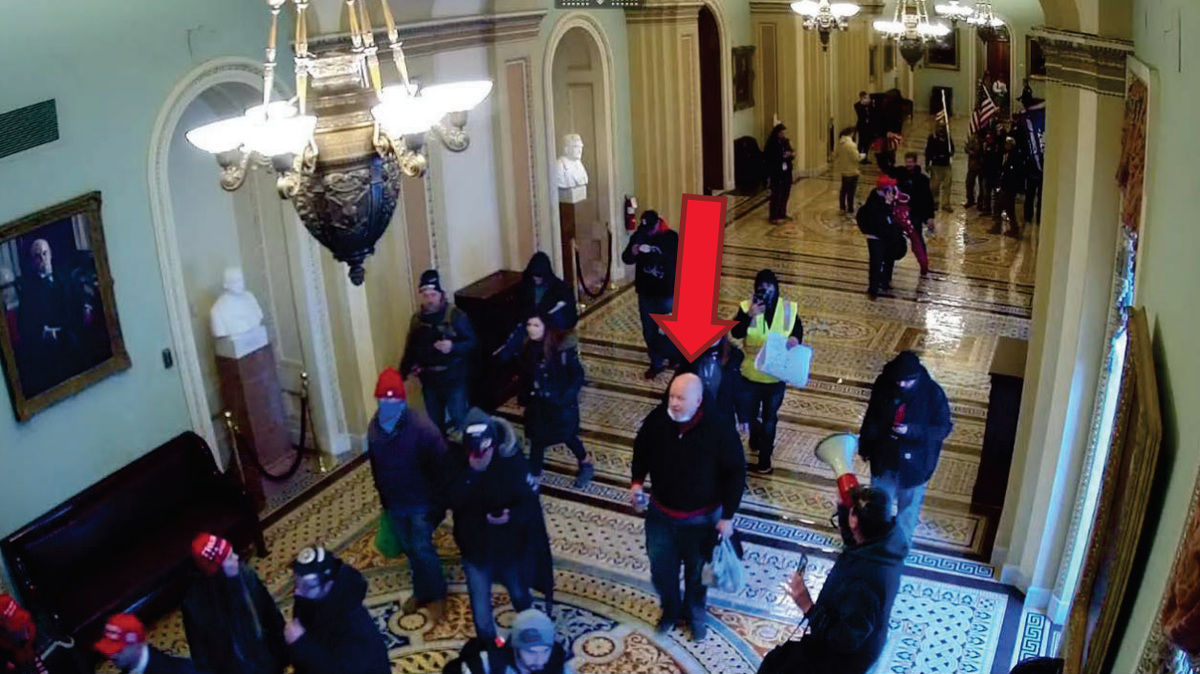
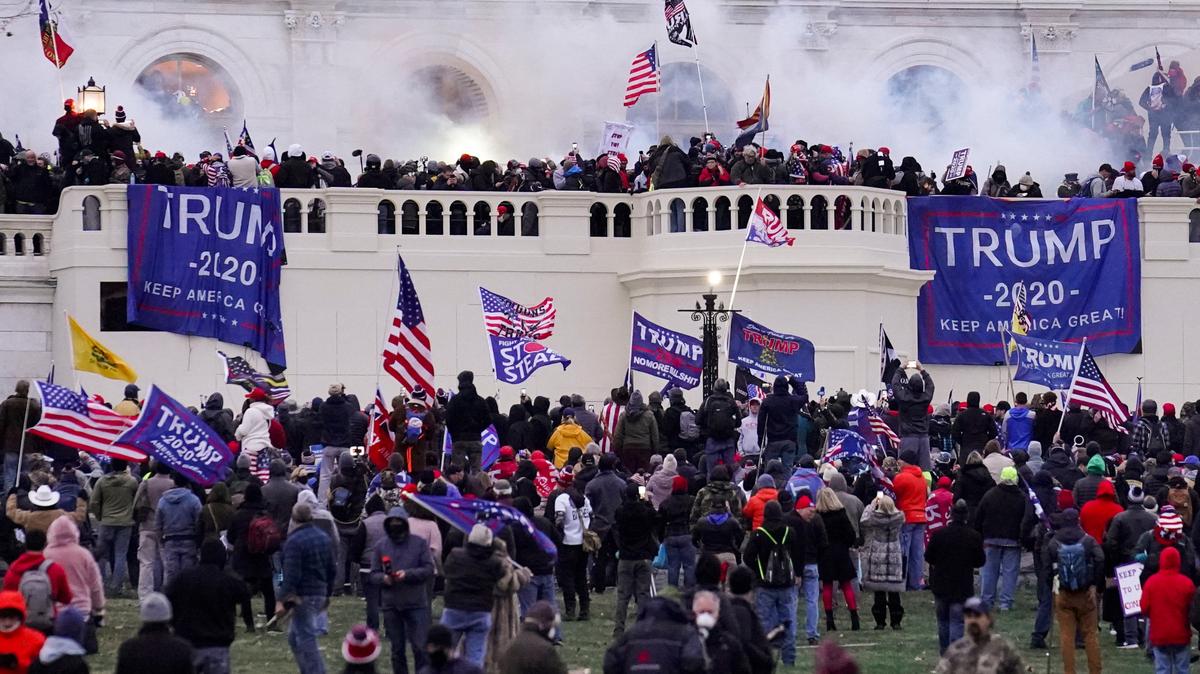
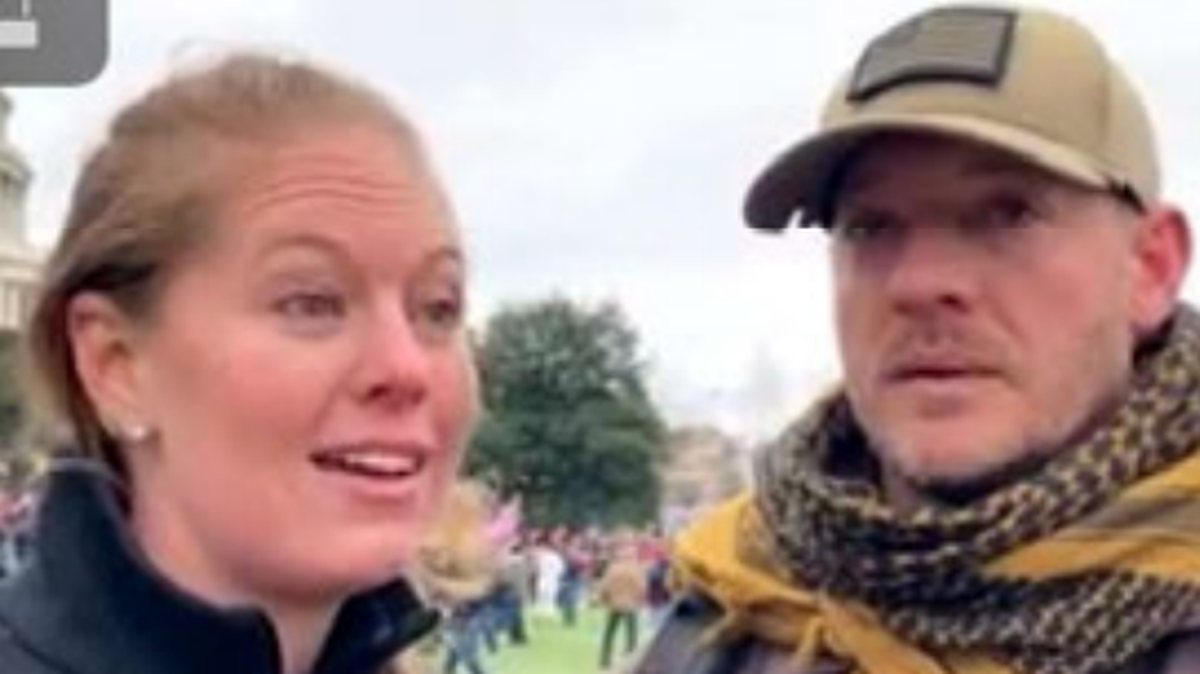
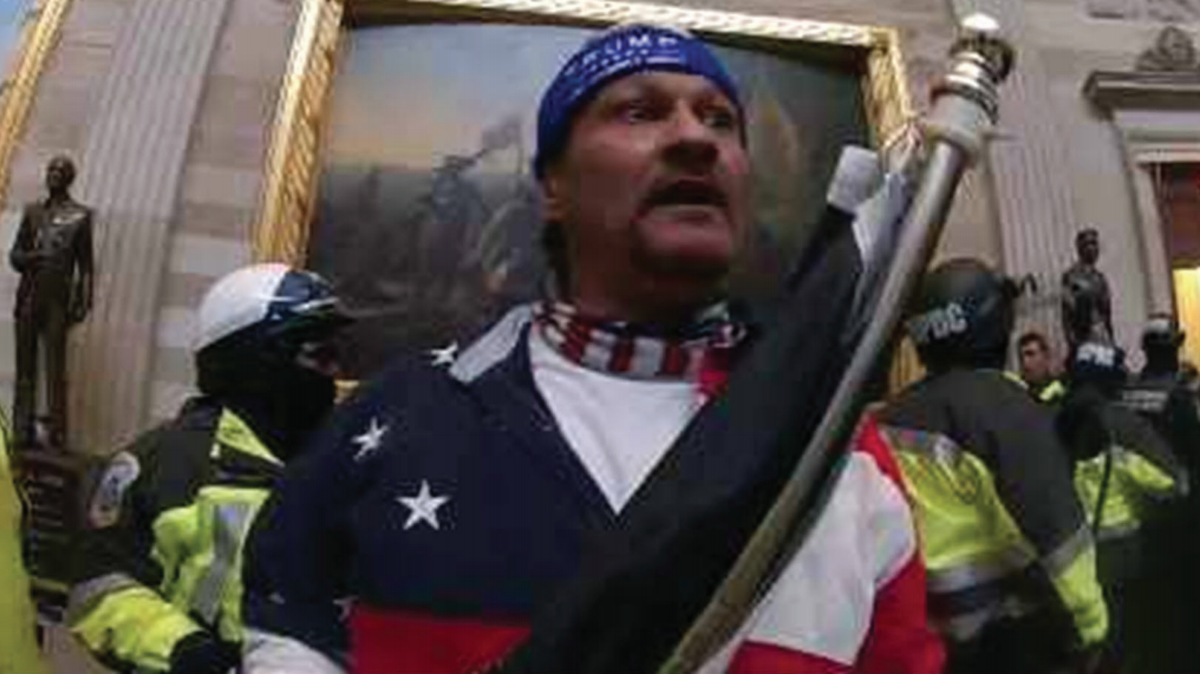
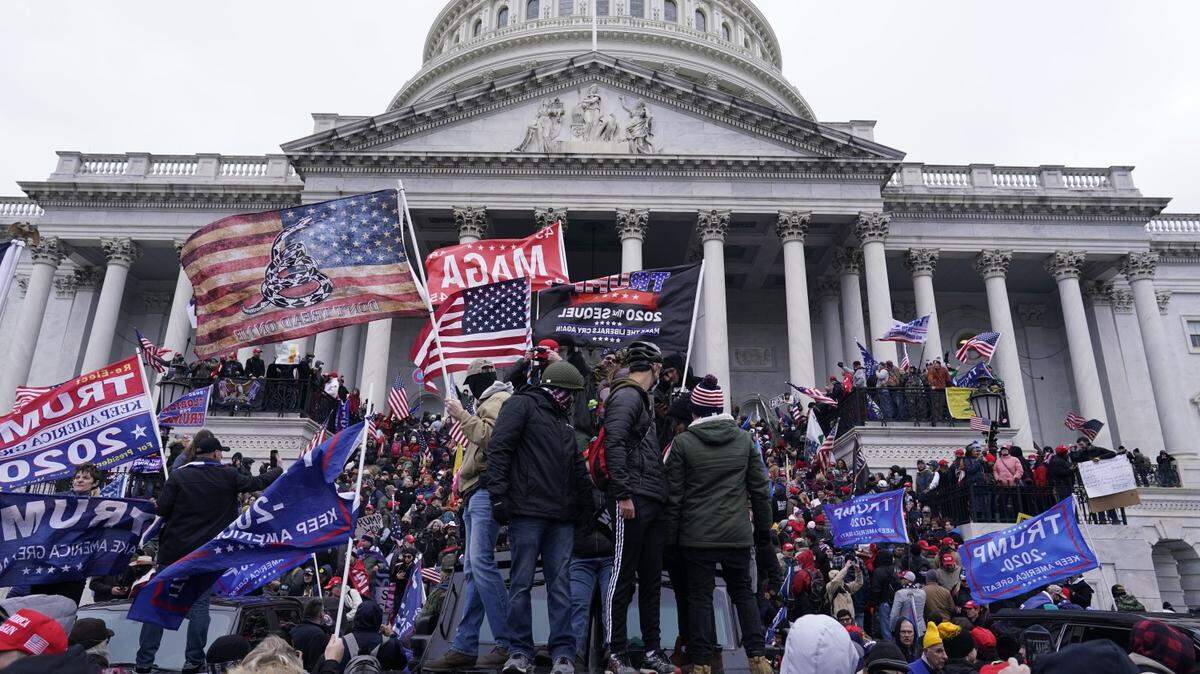
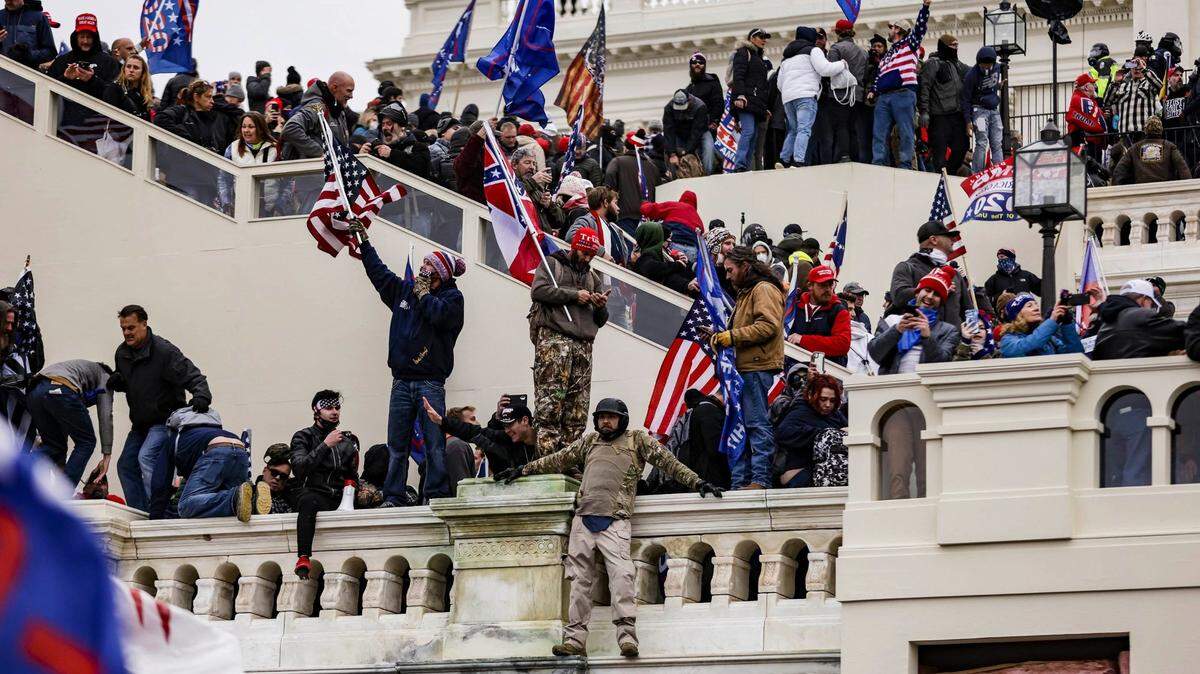
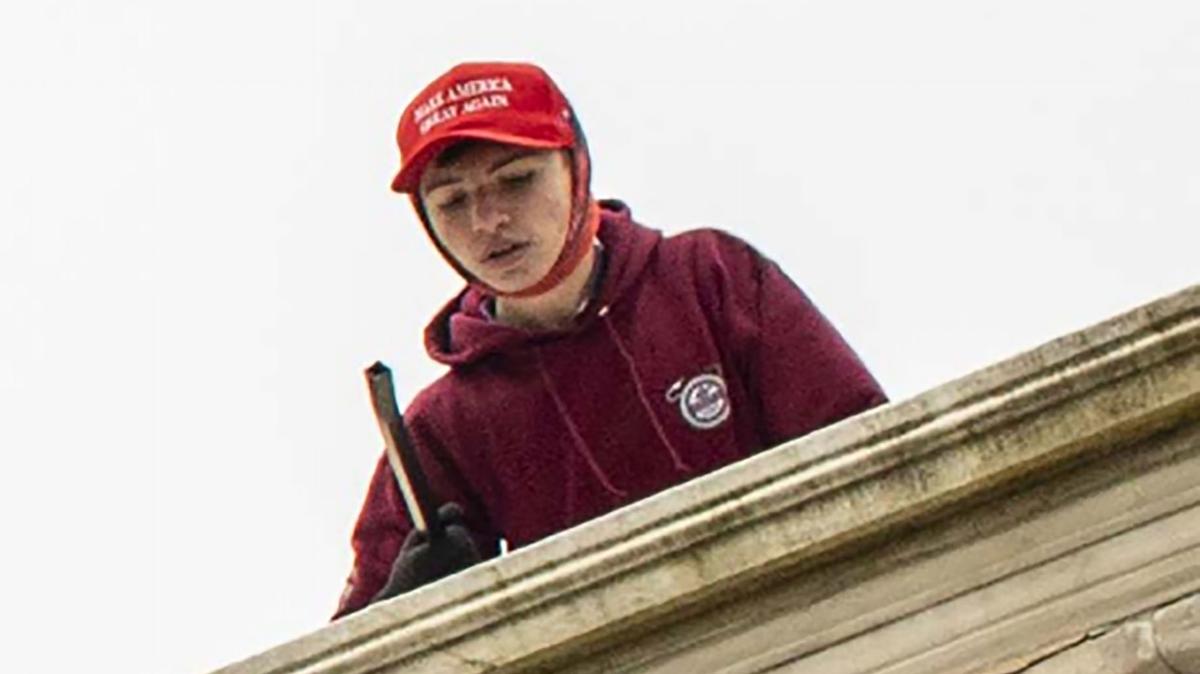
As with Hodgkins, North Carolina residents Brad Bennett, Laura Steele, Charles Donohoe, Matthew Wood, Chris Spencer and Lewis Cantwell face felony charges tied to the assault on the Capitol, in which hundreds of supporters of former President Donald Trump broke windows, knocked down doors then marauded through the building to stop congressional certification of Trump’s loss to Joe Biden.
Five people died. Some 140 police officers were injured. An estimated $1.5 million of damage occurred.
Seven other N.C. residents face misdemeanor charges related to the attack and are not expected to serve jail time.
In all, more than 500 alleged rioters have been arrested, hundreds of them on the more serious felony charges of assault on police officers, conspiracy and obstruction of Congress.
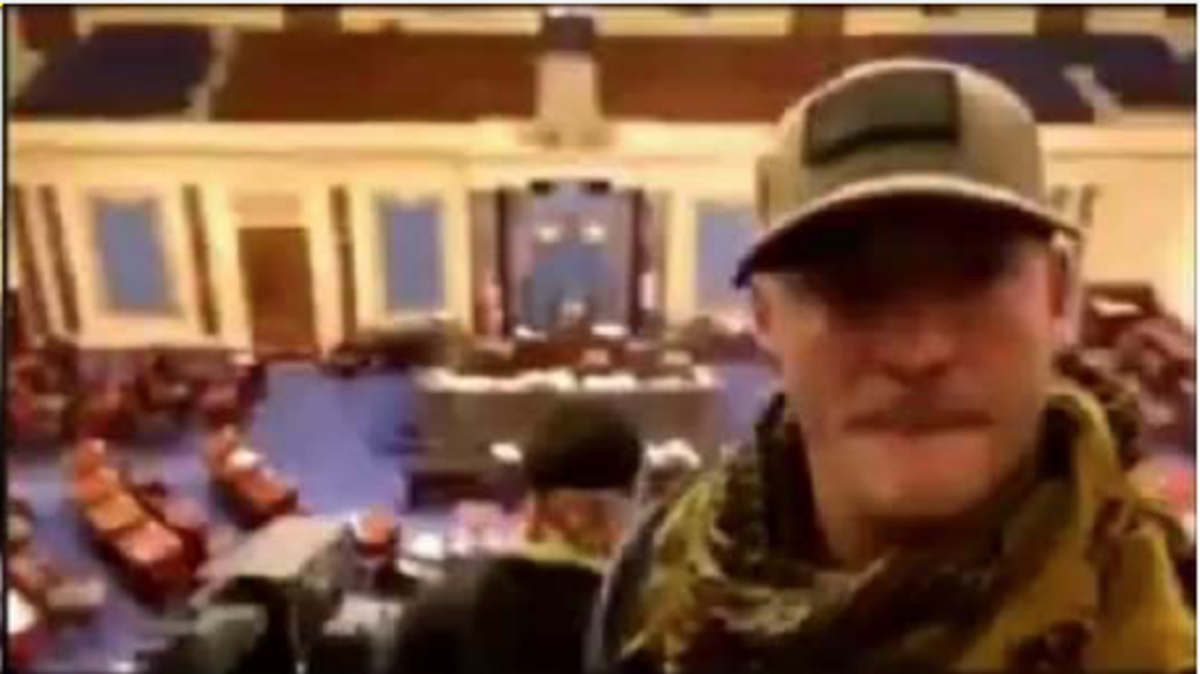
Hodgkins, of Tampa, is one of about 20 defendants to have pleaded guilty so far. The former Eagle Scout faced up to 20 years in prison on the obstruction of Congress charge. He was photographed carrying a Trump flag onto the floor of the abandoned Senate, but was not tied directly to any specific acts of violence.
Prosecutors recommended 18 months — the midpoint of the calculated sentencing guideline range of 15-21 months that they said reflected Hodgkins’ lack of a previous criminal record, his speedy guilty plea on June 2, and his expressed remorse. Prosecutors also said their proposed sentence reflected the seriousness of the crime and was long enough to serve as a deterrent to future political violence.
Moss went 10 months lower, saying that he believed Hodgkins’ participation in the riot was an “aberration in his life.” But the judge also said the Capitol attack had tarnished U.S. history and that future riots needed to be deterred.
What those calculations mean for North Carolina defendants facing similar charges in Moss’ courtroom or before other judges in the D.C. district remains unclear.

Factors to consider in sentencing
Legal experts who spoke to the Observer — from former federal prosecutors and law school professors to the defense attorney for Capitol defendant Brad Bennett of Huntersville — said judges are required to hand down sentences that fit the specific details of each case. Under federal law, disparate sentences for “similarly situated people” is one of the factors a judge can consider.
What punishments defendants eventually receive will depend on such factors as the nature of their charges, whether they took part in the violence or have ties to violent, anti-government groups, and whether they take responsibility for their actions, the experts said.
Bennett’s defense attorney, Albert Watkins of St. Louis, told the Observer on Monday that Moss’ ruling on Hodgkins sets an early bar in what should be a “wide disparity of sentences” dictated by the defendant’s personal history, as well as the judges and prosecutors involved.
“Adding to the mix is the fluid nature of ongoing investigations, the political landscape and media attention being given to the public outcry on both sides of the great divide,” said Watkins, who represents four Capitol defendants, including Jacob Chansley, the so-called “QAnon Shaman.”
Asked if Hodgkins’ sentence was good or bad news for Bennett, who likewise faces a felony obstruction charge, Watkins replied: “It’s simply too early to tell.”
Other experts reached by the Observer agreed on one point: While Moss’ decision in the Hodgkins case may induce more defendants to accept plea deals with prosecutors, those charged and convicted of more serious offenses likely face prison.
“The sentence for Hodgkins’ probably establishes a floor for the felony cases,” said Duke law professor Jim Coleman, a Charlotte native who practiced law with Moss at a D.C. law firm. “I can’t imagine that anybody convicted of a felony will escape prison.”
Former federal prosecutor Elizabeth Greene of Charlotte agreed, saying those with prior criminal records, ties to militia or anti-governments groups or who committed “more egregious conduct,” at the Capitol “should probably tell themselves, ‘I’m probably not going to get an eight-month sentence.’”
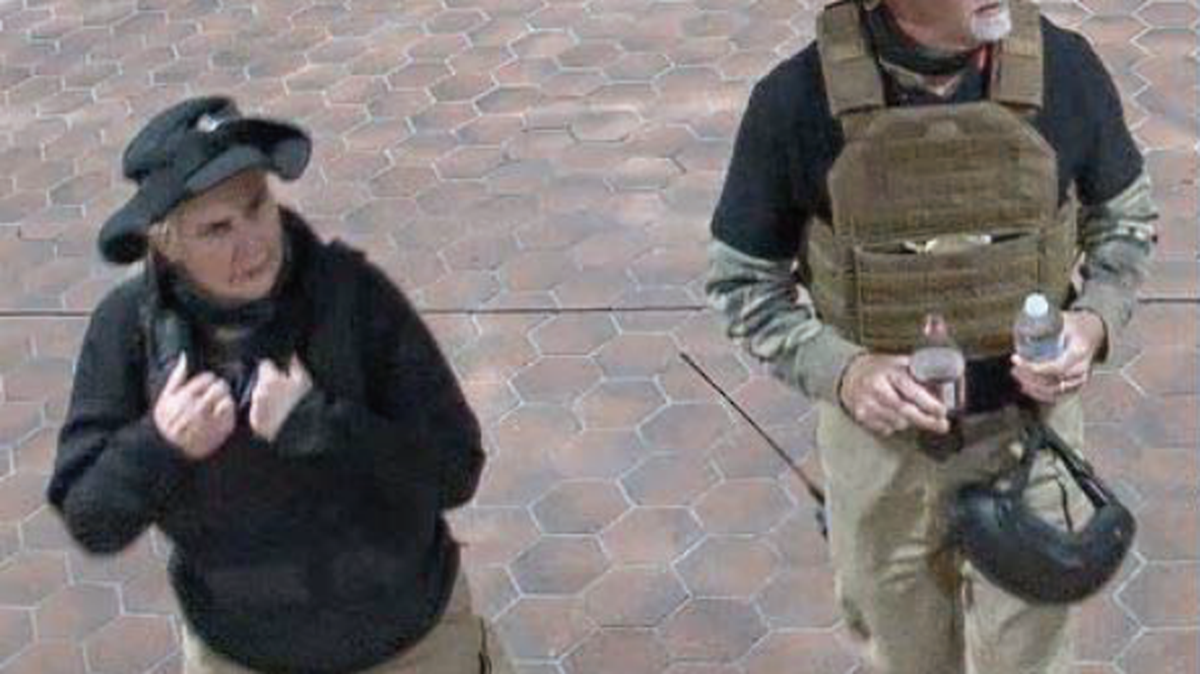
Two N.C. defendants — Steele and Donohoe — may fall into that category. Prosecutors say Steele, a former High Point police officer, was part of an Oath Keepers militia group from six states who mounted a highly-organized assault to enter the Capitol on Jan. 6.
Steele of Thomasville is charged with multiple counts of felony obstruction, conspiracy to defraud the United States, and destruction of government property aiding and abetting. She and 15 co-defendants are scheduled to be tried in January.
The pressure on Steele may be mounting. According to the Post, three of her co-defendants — including her brother, Graydon Young of Florida — have now pleaded guilty and agreed to testify against other members of the group.
A court filing Tuesday also may provide a glimpse at the prison sentence she faces. In return for the guilty plea from 20-year-old Caleb Berry, also of Tampa, prosecutors agreed to seek a prison term below the calculated range of 51 to 63 months.
Berry, the Post reported, told U.S. District Judge Amit Mehta that he joined a “stack formation” of Oath Keepers — which photographs show included Steele — that snaked its way into the Capitol on Jan. 6. He pleaded guilty Tuesday to conspiracy and obstruction while becoming the first member of the group to admit that he hoped to disrupt the congressional certification of Trump’s defeat.
Steele’s attorney, Peter Cooper of Washington, did not respond to an Observer email Monday seeking comment.
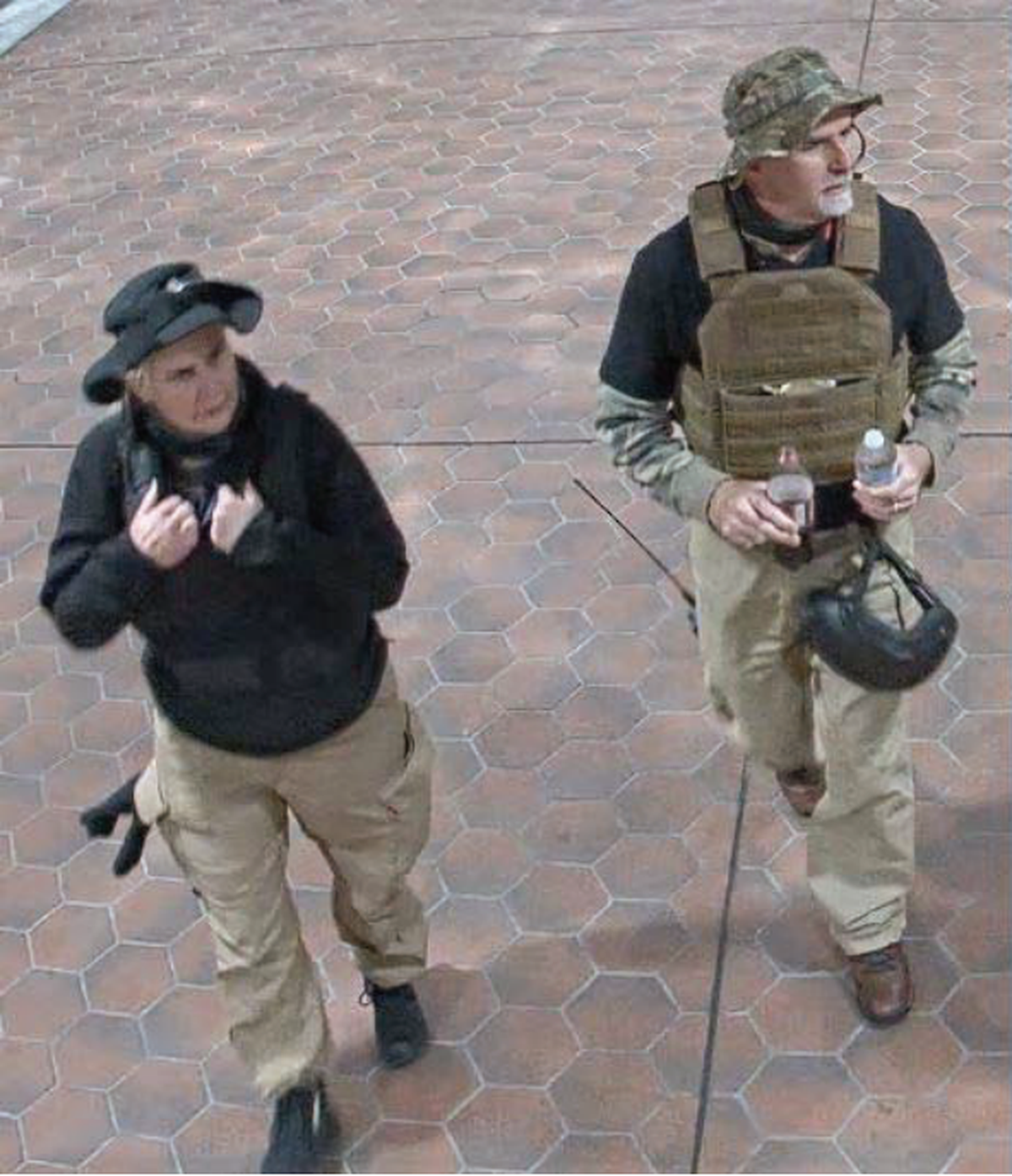
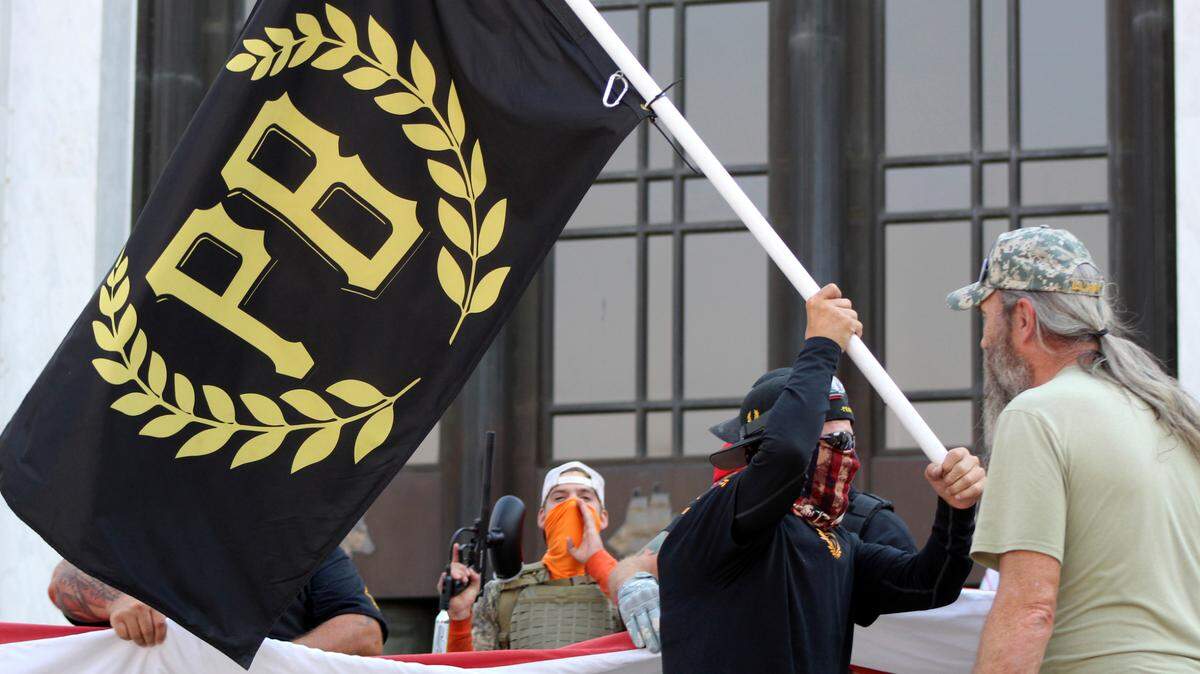
Donohoe of Kernersville is one of four purported members of the Proud Boys militia group indicted and charged with obstruction, conspiracy and other offenses in what prosecutors describe as a planned assault on Jan. 6. In all, more than a dozen purported members of the right-wing militant group face charges connected to the Capitol violence.
Donohoe’s attorney, Lisa Costner of Winston-Salem, did not respond to an Observer email seeking comment.
Take the plea deal?
The North Carolina defendants have caught one particular break. According to UNC law professor and sentencing expert Carissa Hessick, the federal court in Washington is one of the most lenient in the country: Almost 40 percent of the sentences handed down fall below federal guidelines.
Hessick and others said Moss and prosecutors used Hodgkins’ case to send a message to other defendants that they should sign plea deals with prosecutors, even if it means prison time. Only 3 percent of prison sentences in the U.S. courts each year involve trials, she said.
Winston-Salem attorney David Freedman, who represents Reidsville defendant Matthew Wood, said Moss favorably considered that Hodgkins “came in early, said he was sorry, admitted his guilt and accepted responsibility.”
Freedman declined to discuss whether he and Wood are involved with any plea discussions with federal prosecutors.

Meanwhile, a Wednesday court filing by prosecutors in Brad Bennett’s case indicate that plea negotiations are underway but have taken longer than anticipated. “... However, the parties believe that progress is being made and anticipate moving those discussions forward in the next 30 days,” the filing says.
Bennett’s next court hearing was moved to Aug. 31.
Whether he or the state’s other felony defendants take plea deals or not, Charlotte defense attorney Claire Rauscher said it’s a mistake to focus solely on the amount of time in a sentence when a felony conviction carries other long-term penalties for the defendant.
“You can’t forget that this is a federal criminal record that will follow you forever,” said Rauscher, the former head of the federal public defender’s office in the Western District of North Carolina.
“Even if it doesn’t come with a lot of prison time, there are a lot of collateral consequences that come with that conviction.”
This story was originally published July 21, 2021 at 6:15 AM with the headline "After first felon in Capitol riot gets prison sentence, will NC defendants follow?."



.jpg)
.jpg)