
NC vs. Juul: How e-cigarette company struggles in cradle of US tobacco industry
North Carolina attorneys clashing with a giant e-cigarette maker in downtown Durham is plenty dramatic. But so is the setting: a birthplace of this country’s cigarette industry.
Attorney General Josh Stein is suing Juul Labs, Inc., accusing it of unlawful marketing and selling a deceivingly addictive product to youth.
Attorneys from both sides are scheduled to appear in a Durham courtroom Monday to discuss a judge’s order from May. The order gutted the company’s defense, lawyers say, and could pave the way for fines up to $80 million or more, according to the order.
The gravity of this playing out in Durham, or anywhere in North Carolina, is not lost on locals or national experts. Only decades ago, cigarette manufacture was still a major employer in Durham, with multiple factories downtown. Tobacco was this state’s prized cash crop.
“There is enormous symbolic significance to this case being tried in a city that is one of the birthplaces of the modern tobacco industry,” said Matthew Myers, president of the national group Campaign for Tobacco-Free Kids. “A victory in Durham is as powerful a statement of how much has changed.”
Targeting e-cigarettes
Stein in May 2019 became the first state attorney general to file a lawsuit against Juul Labs, which experts say vaulted the vaping industry after its 2015 launch.
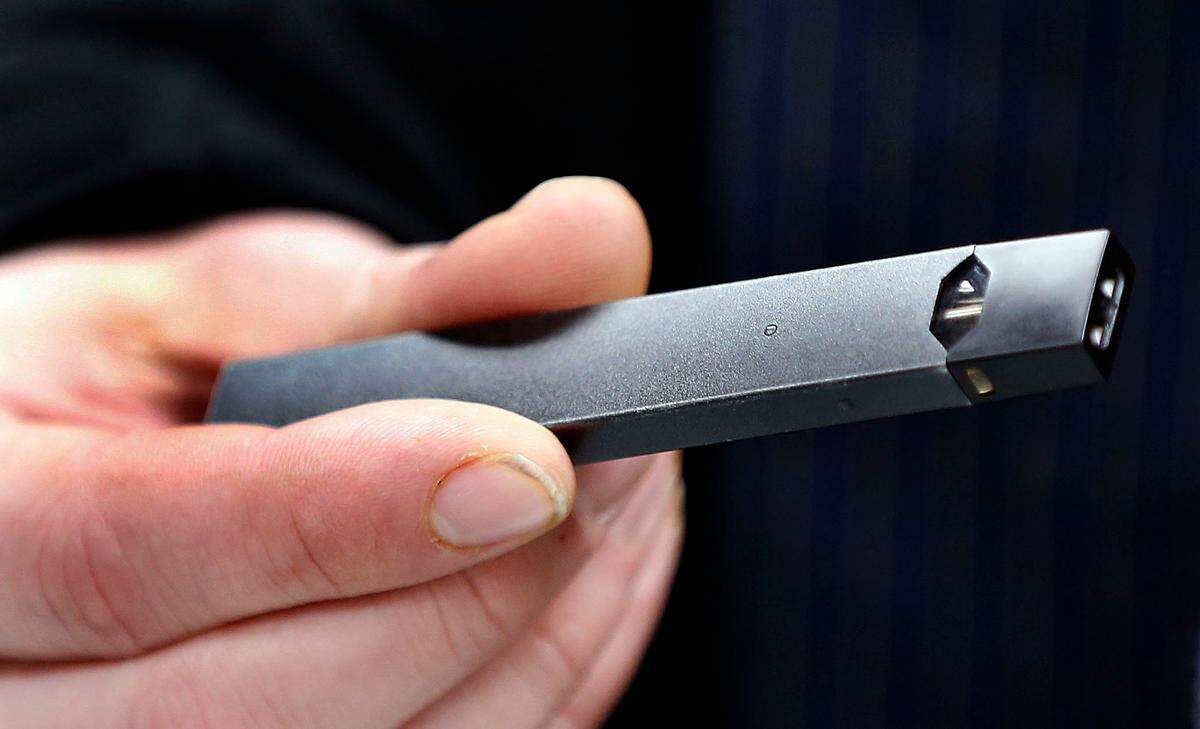
It did so with a splashy social media campaign, sleek e-cigarette devices and flavored nicotine-laced juices that led to what health experts call a vaping epidemic among teenagers. Their popularity reversed a historic decline in teen exposure to addictive nicotine.
Stein could have filed the lawsuit anywhere in this state. But he chose Durham, a city that the cigarette industry built, shaped and employed for decades.
“A number of factors go into a decision as to where to bring an important lawsuit,” Stein spokesperson Laura Brewer wrote in an email. “Durham’s history was certainly one factor that we took into account.”
NC vs. Juul
Today’s planned hearing comes 23 years after a historic settlement agreement between U.S. states and major tobacco companies.
State attorneys general elsewhere led that charge, which resulted in cigarette companies paying states billions of dollars in smoking-related health care costs and significant limits on the industry’s marketing and advertising.
Cigarettes and e-cigarettes are not the same products. Cigarette smoking can make people sick, sometimes terminally ill, because tobacco smoke exposes them to carcinogens and many other dangerous substances. E-cigarettes don’t burn tobacco to produce the vapor users inhale.
But like cigarette smoke, e-cigarette vapor carries highly addictive nicotine, a substance that research shows can hinder normal brain development in teenagers and do other harm.
Altria Group, Inc. bought 35% of Juul in 2018. Among the companies that Altria Group owns is PhilipMorrisUSA, the leading cigarette maker in the United States for the past 40 years.
The state’s lawsuit against Juul contends that the company marketed its addictive products to youth with social media influencers and other targeted messaging. And it failed to ensure that online customers were not minors, the suit states.
The lawsuit also contends the company misrepresented how much nicotine is in its product, making it easier for customers to get addicted.
Juul rejects Stein’s claims.
The company modified its products and marketing after public health officials started to express concerns, its lawyers said. The company suspended all broadcast, print and digital product advertising in 2019, according to its website. And it suspended sale of non-tobacco, non-menthol-based flavors in the U.S, including mango, creme, fruit and cucumber.
Juul attorneys have said its marketing targeted adults ages 24 to 35 and that Stein’s lawsuit is counterproductive to public health goals. Juul’s products provide a less harmful alternative to smoking cigarettes, the company says.
“The state’s attack on Juul products is particularly misguided because the purpose of the Juul products is to offer adult smokers a satisfying, acceptable alternative to combustible cigarettes,” according to Juul court documents.
Why is NC first?
At least nine other states have filed lawsuits suits against Juul, with New York, California and Arizona among them, according to attorneys general news releases. A coalition of 39 states are also investigating the company’s sales and marketing practices, according to participating attorneys general offices. In addition, federal officials are considering whether to allow Juul to sell its products.
Stein was first to file a lawsuit against the company after U.S. Surgeon General Jerome Adams and others started to sound alarms about the new product, and he saw it affecting families he knew, he said.
Stein had teenagers at the time. He saw some of their friends were vaping and even found device pods, a disposable cartridge filled with a liquid mixture of nicotine, flavoring and more, in his TV room. “I refused to see another generation of teens becoming addicted to nicotine,” Stein said.
Interest in products like this grew fast. From 2017 to 2018, use of e-cigarettes rose 78% among high school students and 48% among middle schoolers, according to the National Youth Tobacco Survey.
The primary goal of North Carolina’s lawsuit is to prevent Juul from targeting young people, Stein said. He also wants the company to pay meaningful money to fund efforts to help young people quit vaping and stop others from starting.
“We have been aggressively pushing the litigation calendar, because it is critical to me that we get a handle on this problem before it burns completely out of control,” he said.
North Carolina being first with this litigation differs massively from what happened in the 1990s when other states started suing cigarette makers.
Former Gov. Mike Easley, then state attorney general, initially stayed on the sidelines. He understood tobacco’s importance to North Carolina then.
Easley’s father grew tobacco on his 63-acre farm in Nash County, the former governor said in an interview last week, and he worked in the industry up until he went to law school.
When other attorneys general launched their attacks, state legislators here passed a law to prevent Easley from filing a lawsuit, he said.
“A lot of them wanted me to file a suit on behalf of the tobacco companies,” Easley said.
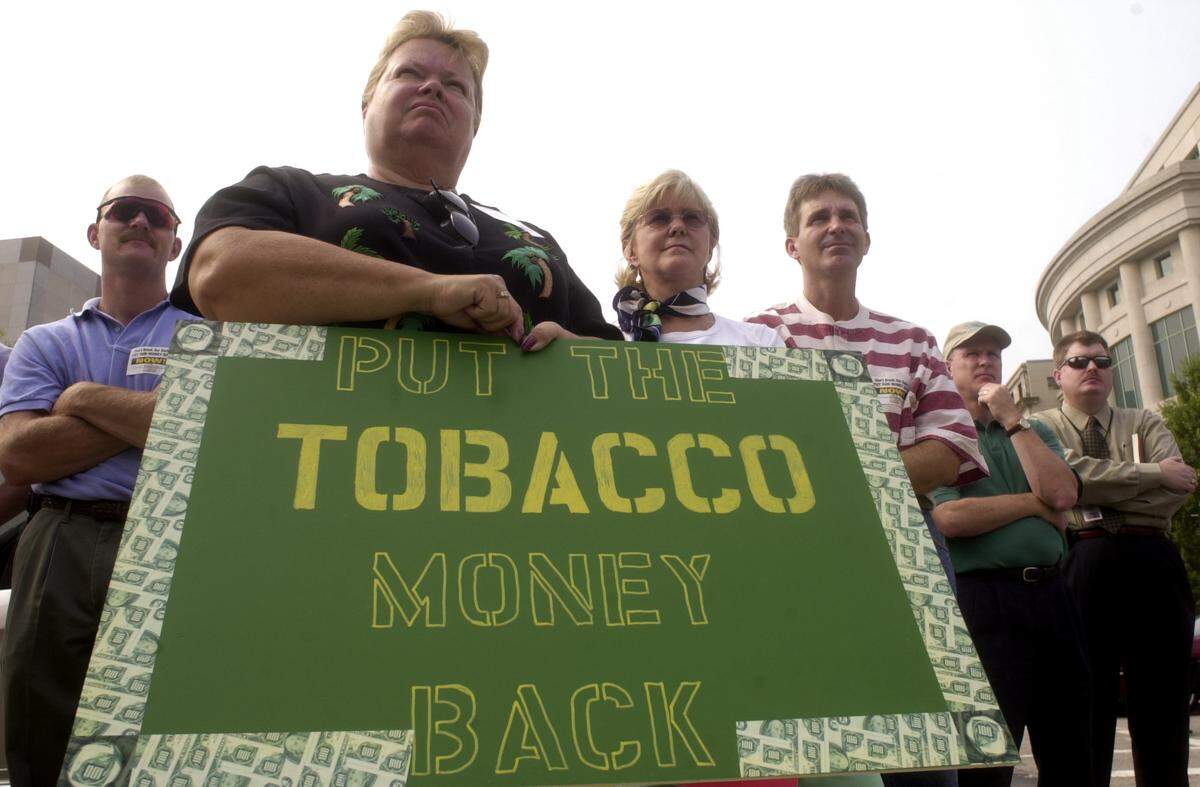
After North Carolina jumped in to settlement negotiations, which sent cash to tobacco growers and others, some farmers protested. They drove tractors around the attorney general’s office In Raleigh holding signs that called him “measly Easley.”
“I knew most of them,” Easley said, noting one was Steve Troxler, now the state commissioner of Agriculture and Consumer Services.
Tough start for Juul
If pre-trial hearings in the state’s lawsuit against Juul are predictors, Stein may get his wish to rein in the company.
In May, Superior Court Judge Orlando Hudson issued an oral order that lawyers said gutted Juul’s defense. Hudson ruled that Juul had destroyed documents, provided thousands of pages of irrelevant information and ignored court orders.
The ruling essentially banned the company from presenting much evidence or many witnesses at trial. It also found that Juul violated a state unfair and deceptive practices law at least 16,000 times. Such violations can bring a fine of up to $80 million.
Juul attorney James Hurst last month called the action “the civil equivalent to the death penalty.”
Monday’s hearing in Durham is expected to focus on what comes next. Besides preparing for a July trial, other paths forward could include a settlement of the lawsuit or a decision that Hudson’s May order settled the case. If the lawsuit is settled, that would allow Juul attorneys to appeal immediately.
Surrounded by history
Whatever occurs in court, it will happen a few minutes’ walk away from relics of Durham’s extinguished cigarette industry.
After the Civil War, the Duke family’s success with tobacco transformed Durham from a dusty, small town into a leader in the global cigarette market. Some of their profits built Duke University and its nationally recognized medical center, said Andre Vann, North Carolina Central’s archivist and historian.

By the mid 20th century, Durham’s cigarette factories offered many city residents, Black residents included, the opportunity to make middle class wages on factory floors. “We are talking about thousands of people that sort of fed into that industry,” Vann said.
The windfall funded early union activism and community institutions like Black Wall Street and it gave people without college degrees a seat at the community planning table, Vann said.

Community historian Eddie Davis remembers smelling curing tobacco while teaching summer school in downtown Durham in the 1980s.
“I guess people would say that is the smell of money,” he said.
American Tobacco’s onetime complex, closest to the courthouse, now houses restaurants, shops and offices. A former Liggett & Myers factory blocks from there is now a research hub, with nearby Duke University a major tenant.

The fact that North Carolina went from one of the last states to join claims in the 1990s, to being the first to file a lawsuit against Juul shows how far it has come, said Myers, the Campaign for Tobacco-Free Kids director.
It’s riskier to be first than most realize, especially for an elected official, he said.
“It couldn’t have happened 30 years ago,” Myers said. “And it sends a clear message that even in the home of the tobacco industry, it is a new century and a new time.”
This story was originally published June 28, 2021 at 6:00 AM with the headline "NC vs. Juul: How e-cigarette company struggles in cradle of US tobacco industry."