Fear, uncertainty and waiting: What was it like inside the Capitol during the riots?
It happened fast. So fast. Too fast.
Moments earlier Wednesday afternoon, I’d been inside the U.S. Senate chamber at the U.S. Capitol, listening to debate over objections to Arizona’s Electoral College votes, taking notes, watching the reactions of various senators.
Electronics are not allowed in the Senate viewing gallery, unlike in the House, so I retreated to my desk in the press gallery a few dozen feet away to check my phone and send some emails.
I got my first clue things were awry.
“You ok? I heard protesters got in the House side,” the text from my wife read.
She’d dropped me off hours earlier — clearly a bit worried as we saw bands of pro-Trump protesters walking the streets near the Capitol.
“I’m fine. Capitol is apparently on lockdown and big crowd outside,” I replied.
“No entry or exit. Stay away from the windows or doors,” I wrote next, mimicking the warning that’d just played over the Capitol sound system.
This moment, in hindsight, would have been a good time to pack my things: stick my computer in my bag, grab a charger. Anything, really.
But most of all my phone, which so often feels like an appendage. My phone, the most essential journalism tool I have. My phone, the only way to reach others.
But I was in the Capitol. Right next to the Senate. Those warnings were not for me, not for us.
And then in a blur, it was. A reporter burst from the Senate shouting that Vice President Mike Pence had been evacuated from the chamber.
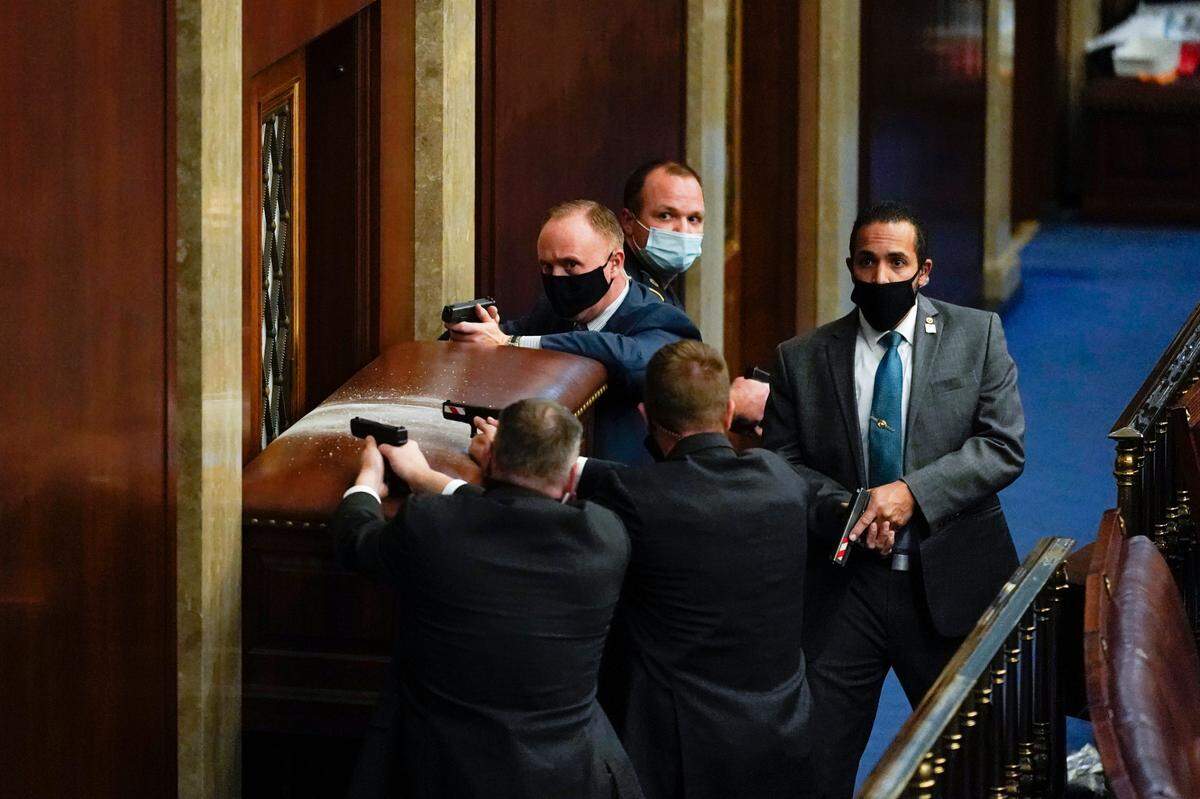
I ran out of the press gallery and could hear the crowd on the floor below.
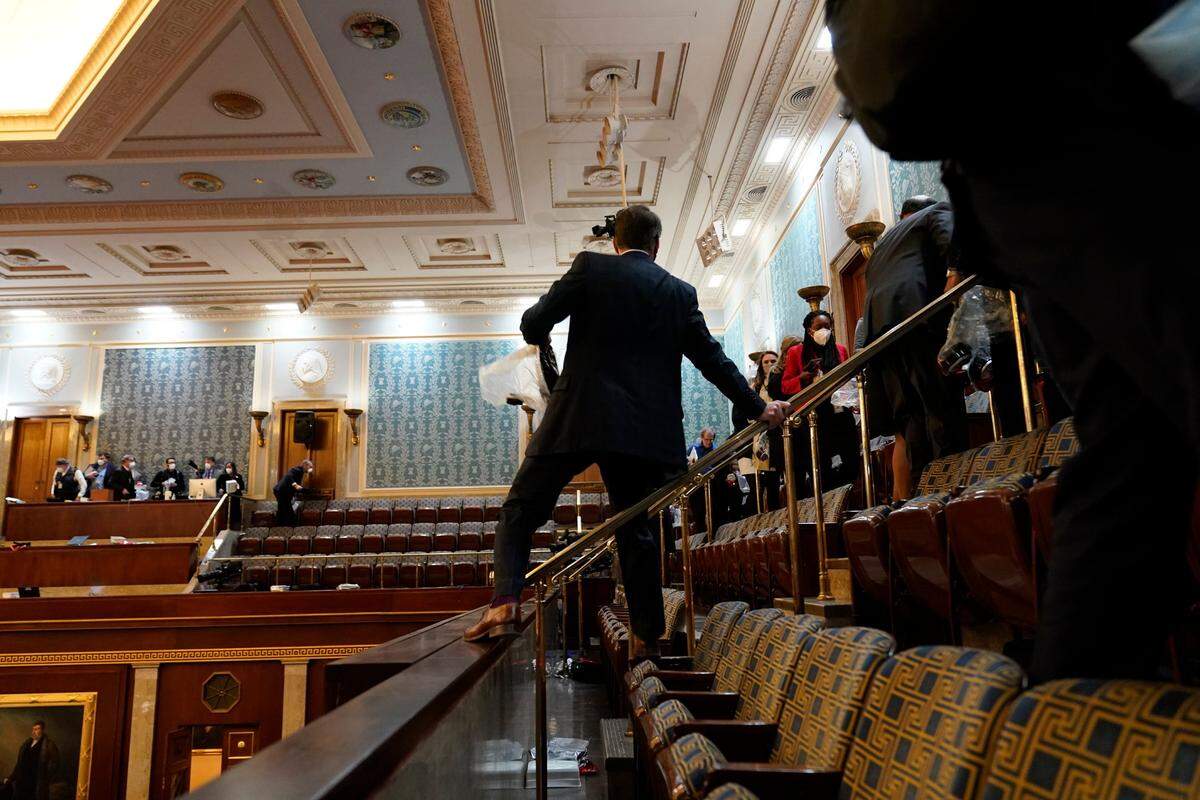
“In or out?” shouted the director of the gallery, making it clear the door was going to be locked and she was not going to reopen it.
Out, of course. Right? To see the protests, to document them, to report.
It didn’t take me long to realize I didn’t have my phone, my computer, a pen or even my wallet.
The crowd
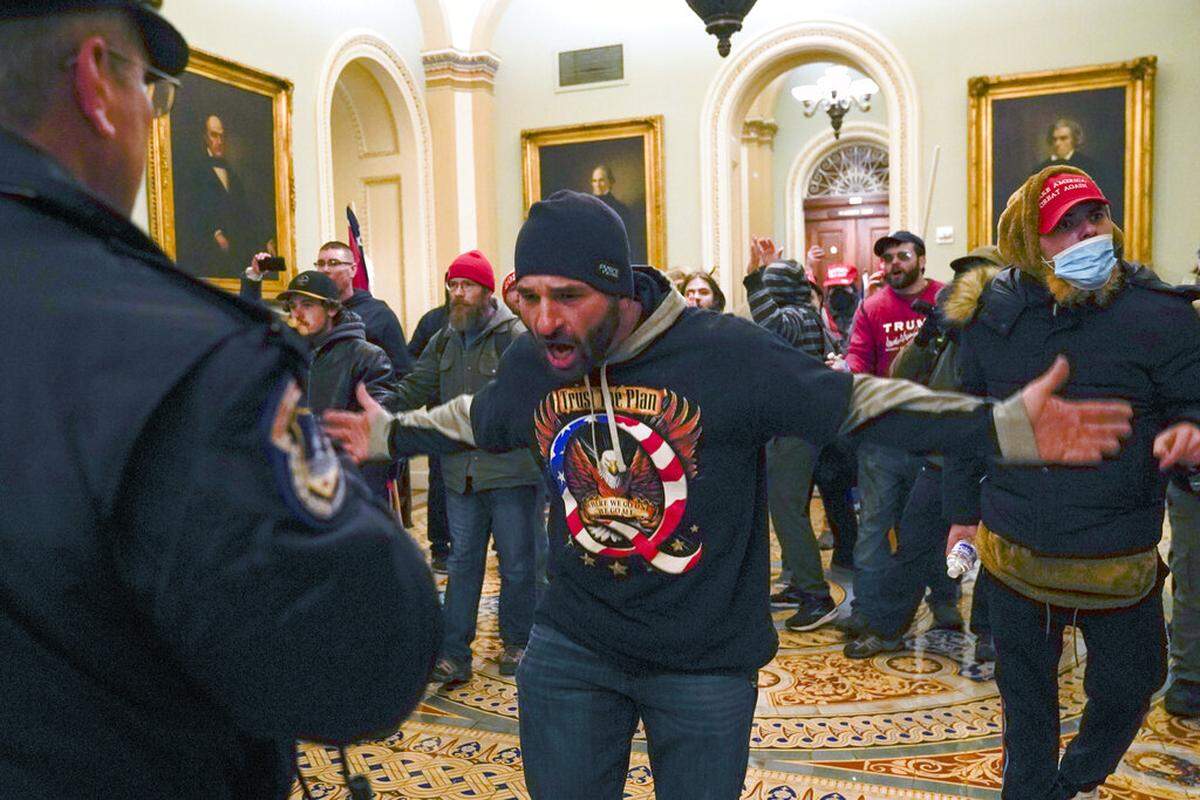
Just a few feet away from the door that locked behind me were two Capitol police officers. They were outnumbered, for sure. And simply trying to keep the crowd from ascending to the third floor.
A woman with a fire extinguisher emerged from a elevator, asking where the senators were. The officers edged her downstairs. A pair of wanderers asked me where the bathroom was. I truly didn’t know.
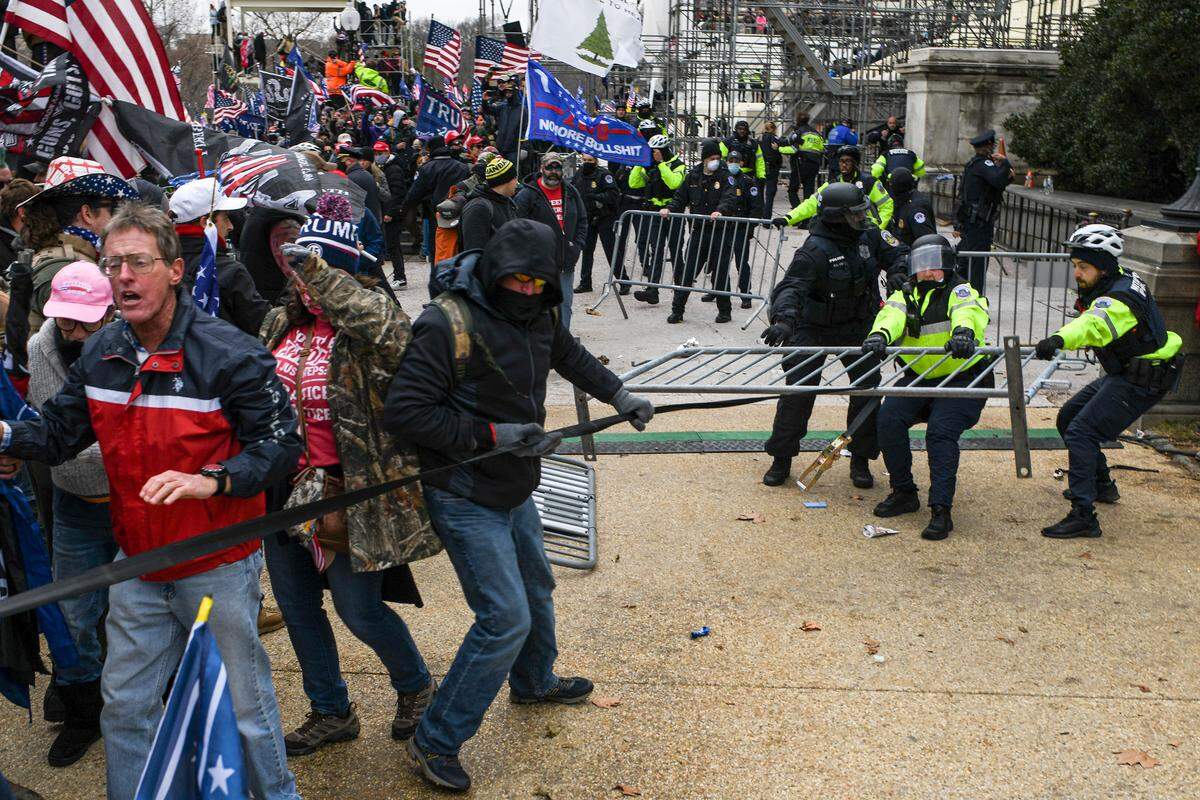
I ducked into a hallway. It overlooked an outside door, where the crowd had tried to break a window and had, successfully, pried open a locked door. People began flooding in, many waving Trump flags.
The crowd behind them was enormous, occupying all of the Capitol steps and chanting.
I headed back toward the Senate where I found those two officers confronting a single person. He was wearing a big puffy jacket and seemed to offer no answers when confronted. The officer escorted him downstairs, insisting that he remove his hands from his pocket.
At that point — with a notepad in my hand and nothing else — I tried to find a place to hide out. This pair of officers, it appeared, weren’t going to be able to keep everyone back. A fellow reporter guided me to the television gallery, nestled away on the third floor in one of the many nooks and crannies of the Capitol.
There were a half-dozen or so of us. We hunkered down, watched the unfolding scene on TV and tried to figure out our next steps. Someone let me use their cell phone to text my wife. We had a brief discussion about where there might be gas masks.
They shared their amazing photos and video, including one of a rioter sitting in the presiding officer’s chair in the Senate. Just minutes earlier, Pence had been there.
After an hour or so, we got word that the Capitol had largely been cleared.
And that was largely it for the fear.
Next came the anxiousness that I couldn’t communicate with anyone and couldn’t do my job.
I left the room and began wandering. There was a sawdust-like substance all over the floor, one that left footprints on the marble floors. The hallways just outside the Senate chamber were filled with trash and black canvas bags. Closer inspection revealed they held riot gear and face masks for police.
The press gallery door was still locked — with my phone and other belongings inside.
I walked downstairs. The police presence was growing inside the building. There were no signs of any crowd or mob. I walked down another flight of stairs, where there was a larger police presence. Officers said I had to evacuate. In fact, I should have evacuated hours ago.
But I had nowhere to go and no tools to get anywhere. Seeing my press badge, an officer led a fellow reporter and me down the byzantine basement hallway and told us to go to a Senate office building.
And wait. And wait.
The long wait
I made it to the closed cafeteria, where a House staff member happened to be waiting it out as well along with more than a dozen cafeteria workers. He let me use his phone for a quick call to my wife, who I asked to send an email to work, giving them an update.
Now I was getting frustrated. There were sources I needed to be texting and calling. Info I needed to be sharing with my colleagues and reporting. No doubt messages from friends and family I needed to return.
So I wandered some more and saw two officers escort another reporter somewhere. And eventually found the location: another Senate building. Where the senators were huddled in a room, discussing their plans.
It became like any other Capitol Hill stakeout — albeit with armed guards pacing the floors with military-style weapons. Reporters gathered outside the room, waiting for senators to emerge and interviewing them as they walked.
Every other reporter was buried in their phone, quickly pushing out the latest clip or tidbit of information we’d gleaned or reading reports of what was happening in the House or outside.
I borrowed a pencil and jotted down notes. Any scrap to help me remember.
“These thugs aren’t running us off,” Sen. Joe Manchin, a West Virginia Democrat said.
A phalanx of armed officers in military fatigues and combat gear entered the room. Not normal.
Soon food and then coffee was brought in for the senators. Totally normal.
We got word they’d be returning to the chamber, returning to the certification process. Before long, the press and staffers and aides were all trekking back to the Capitol. As we entered a long walkway in the basement, the crowd was asked to make way.
Through came young aides, mostly women, carrying large, heavy boxes that contained the electoral votes from each state. A wise decision to grab those in the chaos of evacuation.
And then, save for the booty-wearing, bomb-sniffing dogs that had to sweep the press gallery, everything was back to, well, normal. The Senate resumed its debate. I returned a boatload of texts and tweets and emails and Slack messages and got back to writing.
It was as if there hadn’t been an insurrection in these very same hallways just a few hours earlier.
When the Senate finished voting on Arizona’s objections — hours later than originally planned — I rushed downstairs to the Senate subway, which is often teeming with reporters hoping to grab a comment from a senator.
The lobby was full. But it was full of Fairfax County, Virginia, police officers. They were packing their bags, grabbing their riot shields and conducting a roll call to make sure everyone was accounted for. Moments later, they moved out, leaving behind a few water bottles and some other debris.
By the time I turned around, that, too, had been cleaned up. Everything seemingly returned just as it was, at least in this small corner of the Capitol.
In other parts there were ransacked offices and damaged property and shattered glass and bullet holes and four people dead and the nation changed, even in some small way.
But here, in this small corner, everything was cleaned up, back to normal.
So fast.
For more North Carolina government and politics news, listen to the Domecast politics podcast from The News & Observer and the NC Insider. You can find it on Megaphone, Apple Podcasts, iHeartRadio, Stitcher or wherever you get your podcasts.
This story was originally published January 7, 2021 at 1:22 PM with the headline "Fear, uncertainty and waiting: What was it like inside the Capitol during the riots?."