Roe ruling a ‘resounding victory,’ McMaster says, with abortion access in SC on the line
READ MORE
Abortion in South Carolina
In a historial move, the Supreme Court of the U.S. has overturned landmark ruling Roe v. Wade. Read more about what that means for South Carolina abortion laws.
Expand All
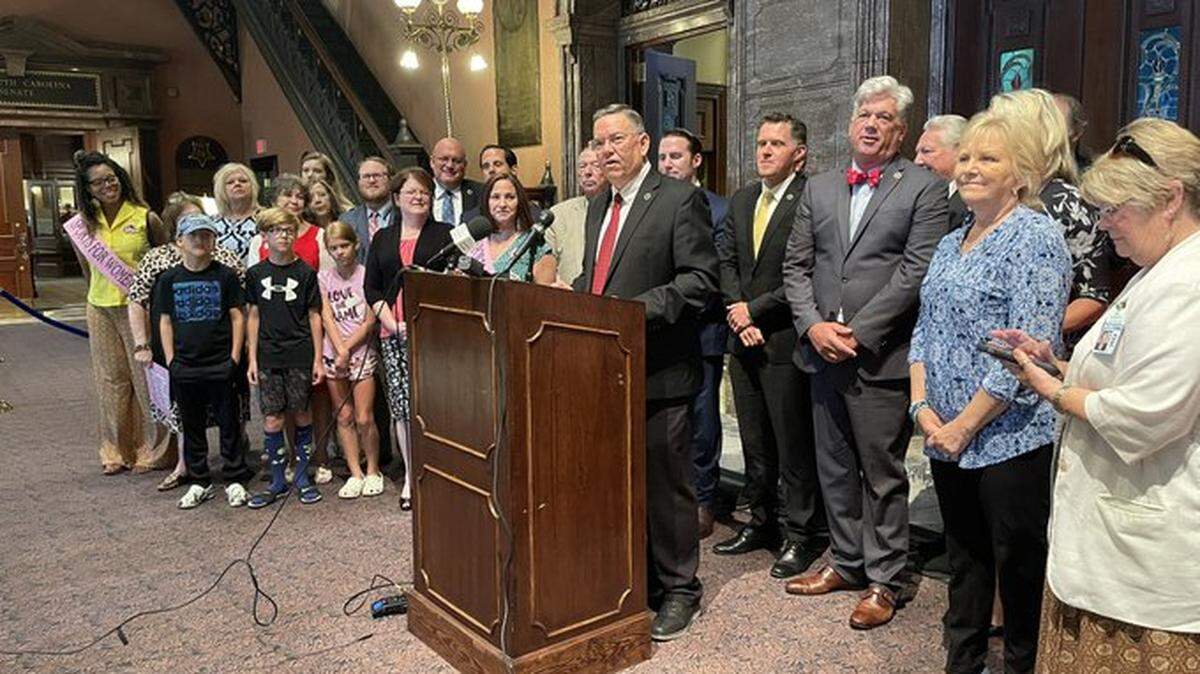
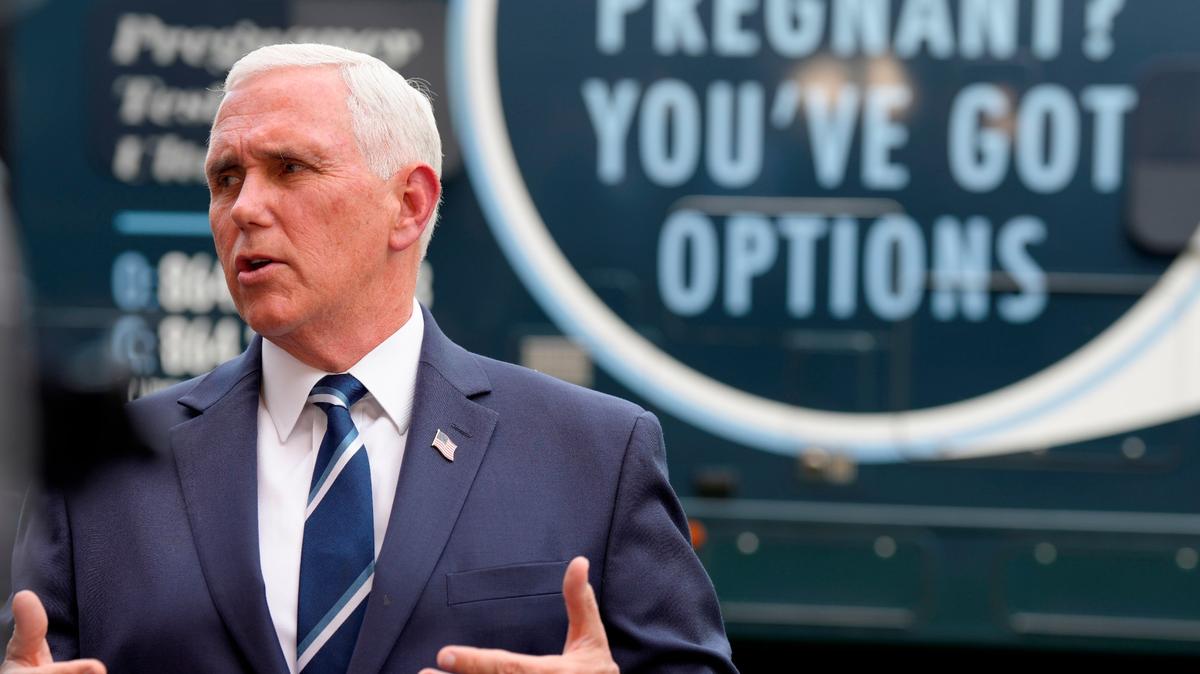
South Carolina’s Republican Gov. Henry McMaster called Friday’s U.S. Supreme Court ruling to overturn the court’s 1973 Roe v. Wade decision and send abortion restrictions back to the states a “resounding victory.”
And the state’s Republican Attorney General Alan Wilson said his office is prepared to “defend any law passed by the legislature” as state lawmakers ready to possibly return this year to further restrict abortion access in the state.
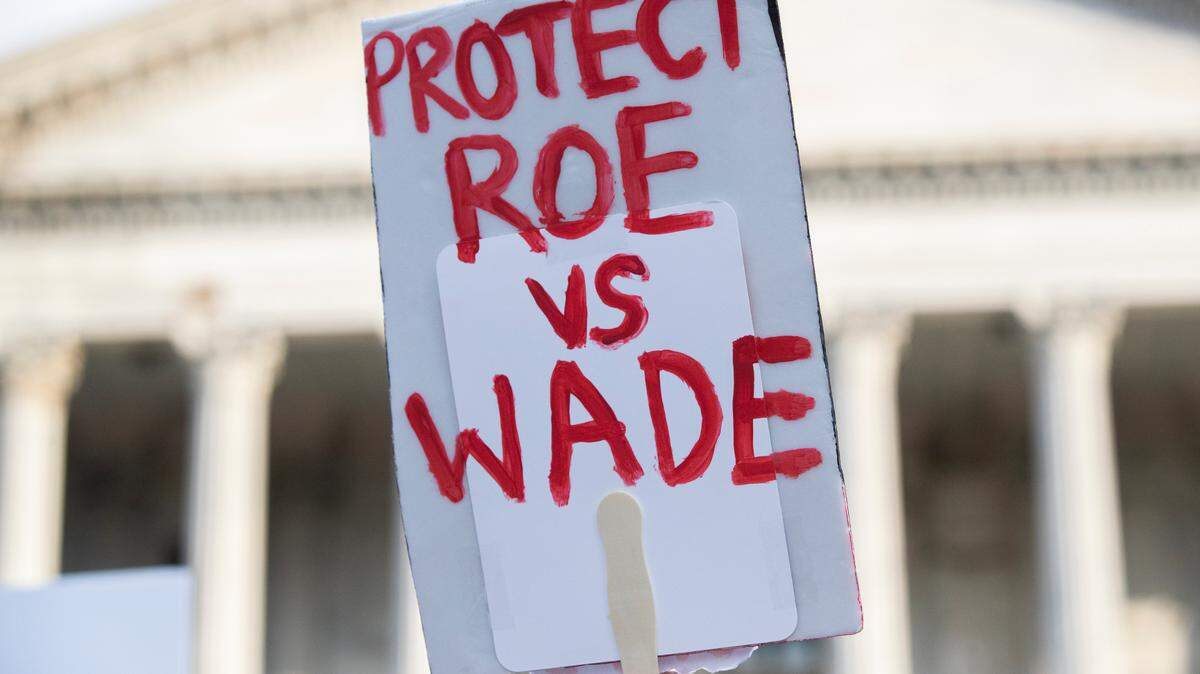
The U.S. Supreme Court released its ruling Friday that overturns Roe v. Wade, the landmark case that constitutionally protects abortions.
The ruling now gives states the power to control abortion rights. South Carolina’s current law bans abortions after 20 weeks, but Republican lawmakers in the state have been preparing to pass more restrictive abortion legislation in a State House special session likely to be called sometime after July 1.
“Today’s Supreme Court ruling is a resounding victory for the Constitution and for those who have worked for so many years to protect the lives of the most vulnerable among us,” McMaster said Friday.
Will SC’s 6-week ban take effect?
Thirteen states have trigger laws to pass abortion restrictions with Roe being overturned. South Carolina is not one, though a more restrictive law that was previously blocked in the courts is likely to take effect in the state soon.
Dobbs v. Jackson Women’s Health Organization is the case ruled on in the Supreme Court that led to the overturning of Roe and Casey v. Planned Parenthood — a 1992 ruling that further upheld the Roe v. Wade precedent and rejected restrictions that place a “substantial obstacle” to people seeking abortions.
The Dobbs case centered around a 2018 Mississippi law that made a majority of abortions illegal after 15 weeks. The Mississippi law posits that a fetus has made enough development by 15 weeks to warrant abortion restriction at that stage.
Medically, fetus viability is considered to be around 24 weeks. Additionally, almost 93% of abortions are performed at or before 13 weeks, according to 2019 data from the Centers for Disease Control and Prevention.
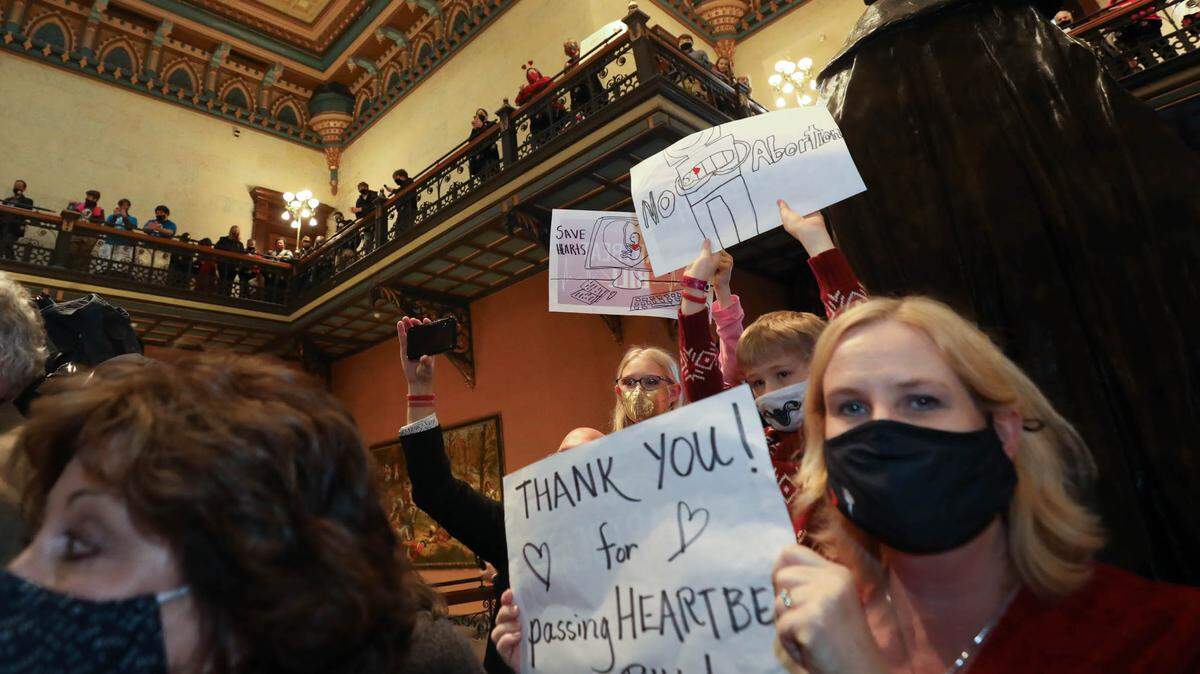
In South Carolina, the state Legislature passed a six-week abortion ban, the so-called “fetal heartbeat” bill in 2021; however, it has been blocked in the courts over questions of its constitutionality. It is expected that the new abortion law will take effect soon, as McMaster said that motions will be filed by the end of the day Friday to put the bill into effect immediately.
There are three clinic locations in South Carolina that perform abortions: Planned Parenthood Columbia Health Center, Planned Parenthood Charleston Health Center and Greenville Women’s Clinic. With the new ruling, the future of the clinics is uncertain.
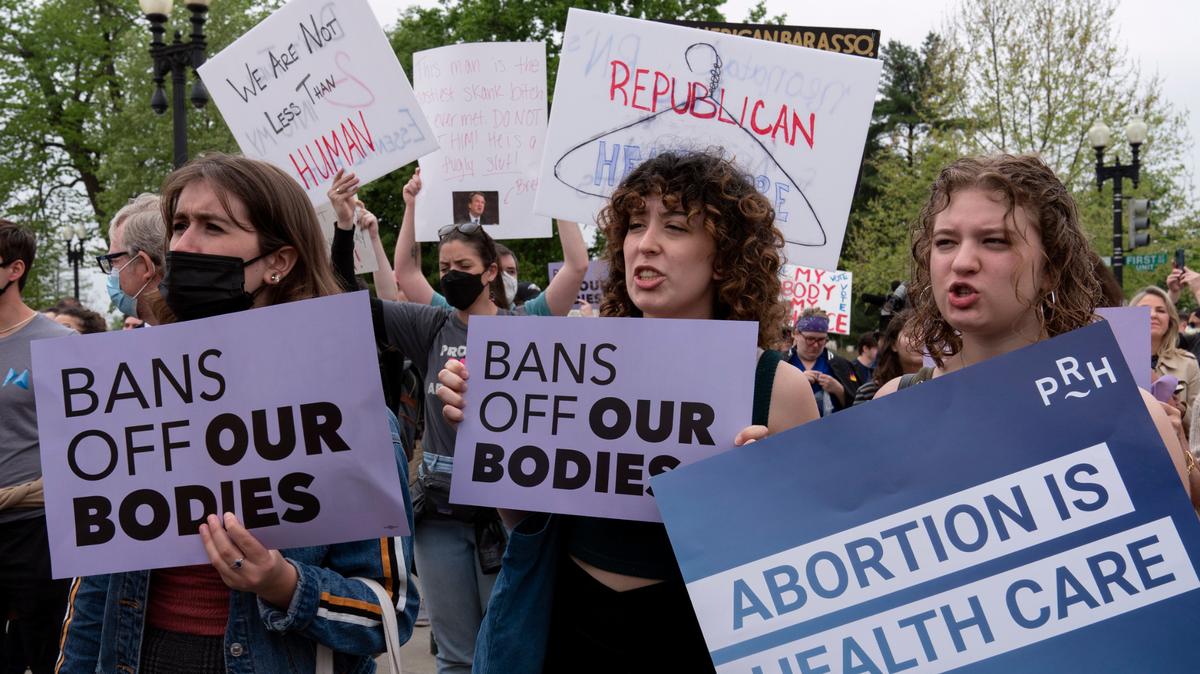
Vicki Ringer, director of public affairs at Planned Parenthood South Atlantic in South Carolina, said further action against reproductive rights may be on the line.
“Abortion is still legal in South Carolina for now, but Republican legislators are eager to now be able to ban all abortions with no exceptions, ban some birth control, ban (in vitro fertilization), and sentence women who have abortions to the death penalty,” Ringer said.
For anti-abortion groups like South Carolina Citizens of Life, the Supreme Court decision is a major victory, but their mission still has a long way to go. Holly Gatling, executive director of the organization, said the next major issue for the group is medical euthanasia.
“The roadblock is removed, and we will move forward in our efforts to protect the lives of the unborn members of our human family and their mothers,” Gatling told the State. “In other words, the pro-life movement is not over, and it won’t be over for many years.”
More than 5,000 abortions were performed in South Carolina in 2019, according to a report from the South Carolina Department of Health and Environmental Control. Between 2014 and 2017, South Carolina reported a 17% decline in the abortion rate.
S.C. House speaker Murrell Smith, R-Sumter, said the state is already in the process of navigating abortion restrictions through a S.C. House public testimony panel.
The public testimony panel was formed in late May to address abortion if Roe was overturned. The panel consists of eight Republicans and four Democrats.
“I remain staunchly pro-life, the coming weeks will require testimony and consideration on South Carolina’s path forward,” Smith said in a tweet. “The House has already begun the process of considering how to address this issue in our state, through a special committee appointed last month, and I look forward to the important work they will do in light of today’s decision.”
Republicans such as Greenwood state Rep. John McCravy, chairperson of the bipartisan panel, have voiced support for a total abortion ban in the absence of Roe.
Supporters of abortion access say abortion restrictions in some states will place a burden on medical care in other states that have fewer abortion restrictions. The closest location to South Carolina that provides full legal protection for abortions is Washington D.C.
Additional restrictive abortion measures such as Texas’ bounty-like enforcement provision currently have an unclear future in the state of South Carolina.
The Texas enforcement provision, which was a part of the state’s 2021 six-week abortion law, allows private citizens to sue those involved in performing abortions, which includes doctors and clinics.
SC politicians weigh in
South Carolina politicians on both sides of the aisle spoke out on the issue after Friday’s ruling.
Attorney General Wilson said his office is prepared to “defend any law passed by the legislature.”
“I want to thank the Supreme Court for returning decision-making power to the people of each state. I have always thought Roe v. Wade was bad policy, was wrongly decided, and not supported by the Constitution.” Wilson said.
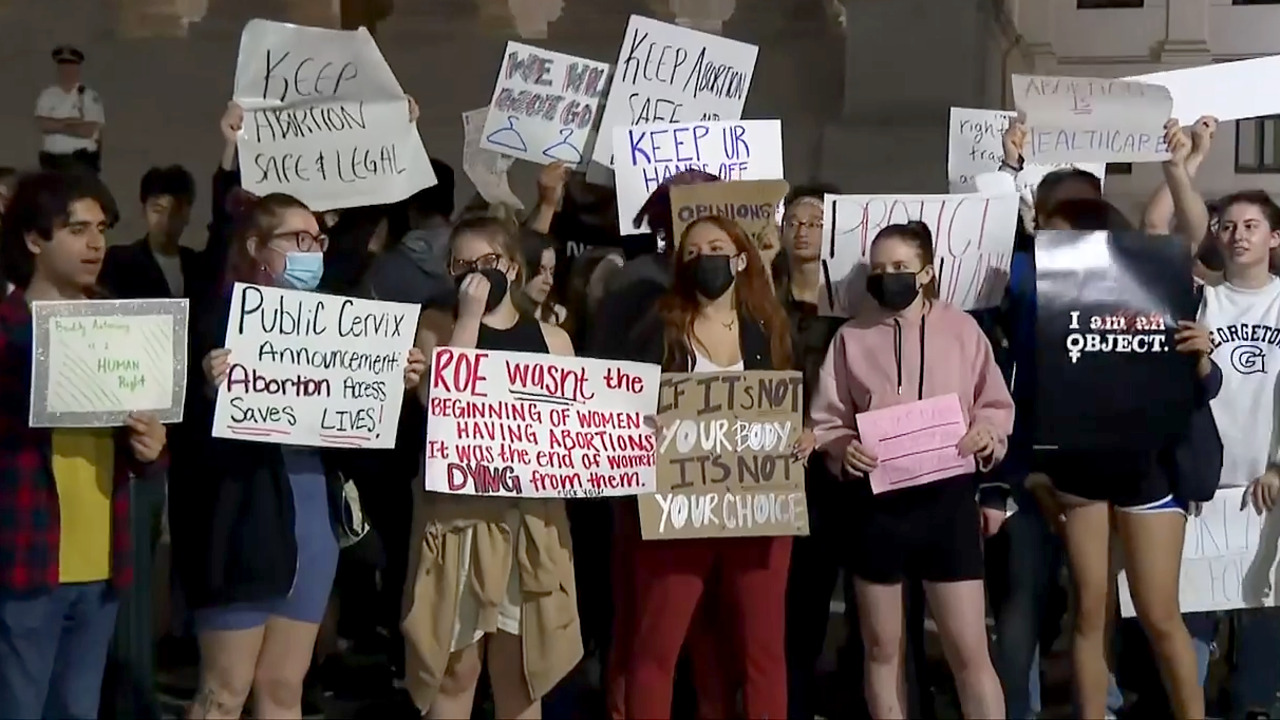
U.S. House Majority Whip Jim Clyburn, D-Columbia, released a statement saying he was “alarmed” by the Supreme Court’s ruling. He referenced the U.S. House’s vote to codify Roe into law but added that more Democrats need to be elected to pass the law.
“That means we need to organize,” Clyburn wrote in his statement. “We need to support candidates on the ballot who share our values. And we need to vote — up and down the ballot, across the country, this year and in the elections to come.”
At a virtual press conference Friday afternoon, Clyburn added that the decision was “a backward step” by the Supreme Court.
U.S. Sen. Lindsey Graham, R-Seneca, called the Roe precedent “constitutionally unsound” and a “flawed legal theory.”
“Today’s decision by the Supreme Court is a long overdue constitutional correction allowing for elected officials in the states to decide issues of life,” Graham said.
Jaime Harrison, the Democratic National Committee chairman and former Democratic U.S. Senate candidate from South Carolina, said he was “overwhelmed with anger and pain.”
“This illegitimate Supreme Court filled with political extremists just struck a blow to American freedom” Harrison wrote in a tweet. “These folks won’t just stop at this right. So with everything we got & all we are - each of us must end this tyranny on our rights!”
Joe Cunningham, a Democratic candidate for South Carolina governor, described McMaster and other S.C. Republicans looking to pass more restrictive anti-abortion legislation as “radical.” He called the current political climate surrounding abortion a “draconian reality.”
“This is a dark day in American history. The four walls of a doctor’s office simply aren’t big enough for a woman, her partner, her doctor, and the government,” Cunningham said in a tweet. “But the government has decided to force themselves in anyways.”
Cunningham put out an ad following the Dobbs decision attacking McMaster’s position on exceptions for rape, incest and life of the mother.
McMaster told reporters in May that he would support legislation that doesn’t include exceptions like rape or incest for abortions.
However, the governor’s spokesperson, Brian Symmes, clarified that McMaster didn’t say he doesn’t support any exceptions and his previous position was a “preference.”
“The governor has always left room for compromise. He understands that the General Assembly is going to work through whatever legislation ends up reaching his desk,” Symmes told The State. “Like I said before, he always has an open door policy and he is confident that the work that they do will provide a good law that will protect unborn children.”
Zak Koeske contributed to this report.
This story was originally published June 24, 2022 at 11:09 AM with the headline "Roe ruling a ‘resounding victory,’ McMaster says, with abortion access in SC on the line."