
Politics & Government

Here’s how the marina in a historically Black community in Horry County has transformed

Bucksport Marina File. June 1, 2022.
Bucksport Marina File. June 1, 2022. jlee@thesunnews.com

The area known today as the Bucksport and Bucksville communities — about a dozen miles South of Conway along S.C. 701 — was once a dense forest of cypress trees.

Henry Buck, originally from Maine, moved his family there in the 1820s to establish a plantation and harvest trees.

He built the nation’s first steam-powered lumber mill there, along with a plantation. Enslaved people working on the plantation harvested the trees for Buck’s lumber mill and grew cotton, rice, sweet potatoes and corn, according to a history of the area published by the operators of the Bucksport Marina.
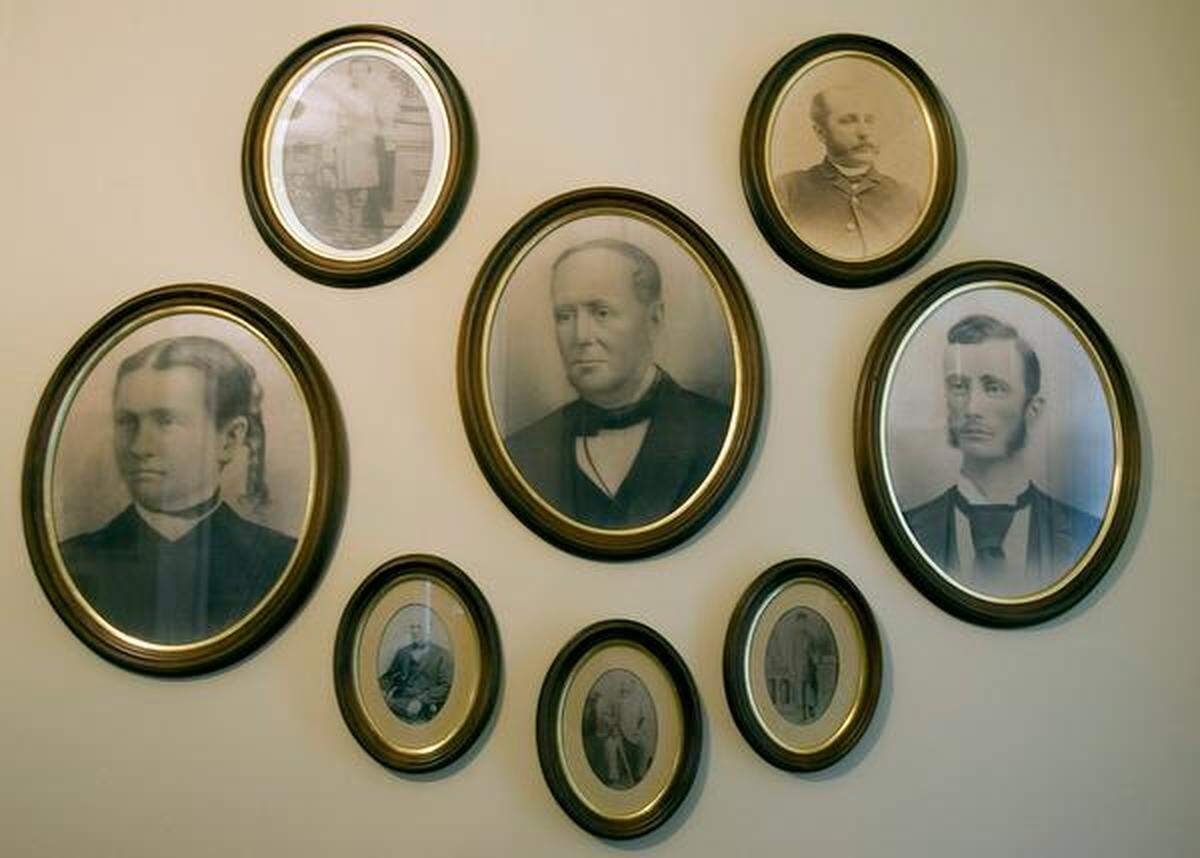
“A wall of unhappy people,” Susanna Buck Register describes photographs of her ancestors at Upper Mill Plantation outside of Conway on Friday, April 8, 2011. The Bucks established the plantation in 1828 after Capt. Henry Buck moved to the area from the north. The plantation is the site of the first steam operated lumber mill in America. Susanna Buck Register said her ancestors actually paid the slaves on the plantations they owned. The Bucks also held Middle Mill, which is now at Bucksville Landing, and Lower Mill, which is in Bucksport. The plantations produced lumber for ship building, cypress shingles, cotton, rice, sweet potatoes and corn. According to the Horry County Historical Society, there were 133 slaves on the plantation in 1850. Ten years later, there were 312 slaves. Susanna Buck Register said slaves used to lay on the front porch, out of sight from the Buck family, to listen for updates about the Civil War. The Civil War began on April 12, 1861, and ended April 9, 1865. In those four years, an estimated 620,000 soldiers died. Photo by Janet Blackmon Morgan / jblackmon@thesunnews.com
“A wall of unhappy people,” Susanna Buck Register describes photographs of her ancestors at Upper Mill Plantation outside of Conway on Friday, April 8, 2011. The Bucks established the plantation in 1828 after Capt. Henry Buck moved to the area from the north. The plantation is the site of the first steam operated lumber mill in America. Susanna Buck Register said her ancestors actually paid the slaves on the plantations they owned. The Bucks also held Middle Mill, which is now at Bucksville Landing, and Lower Mill, which is in Bucksport. The plantations produced lumber for ship building, cypress shingles, cotton, rice, sweet potatoes and corn. According to the Horry County Historical Society, there were 133 slaves on the plantation in 1850. Ten years later, there were 312 slaves. Susanna Buck Register said slaves used to lay on the front porch, out of sight from the Buck family, to listen for updates about the Civil War. The Civil War began on April 12, 1861, and ended April 9, 1865. In those four years, an estimated 620,000 soldiers died. Photo by Janet Blackmon Morgan / jblackmon@thesunnews.com The Sun News

The Bucksport Marina’s historical account of Buck’s operation said his operation was producing three million board feet of lumber each year by 1850. His lumber was shipped to Georgetown and Charleston and even to New York City where some of it was used to construct the Brooklyn Bridge, according to the Marina operators.

Buck had 133 enslaved people working for him by 1850, according to Susanna Buck Register, an ancestor of Buck, and 312 enslaved people by 1860. Buck Register told The Sun News in 2011 that Buck paid the people he enslaved.

After the Civil War, the Buck’s experimented with shipbuilding, but the enterprise never took off, in part because he brought ship builders from Maine to South Carolina who later returned home, according to the Marina operators’ account.

Parts of the old lumber mill can still be seen in Bucksport to this day, including a brick chimney.
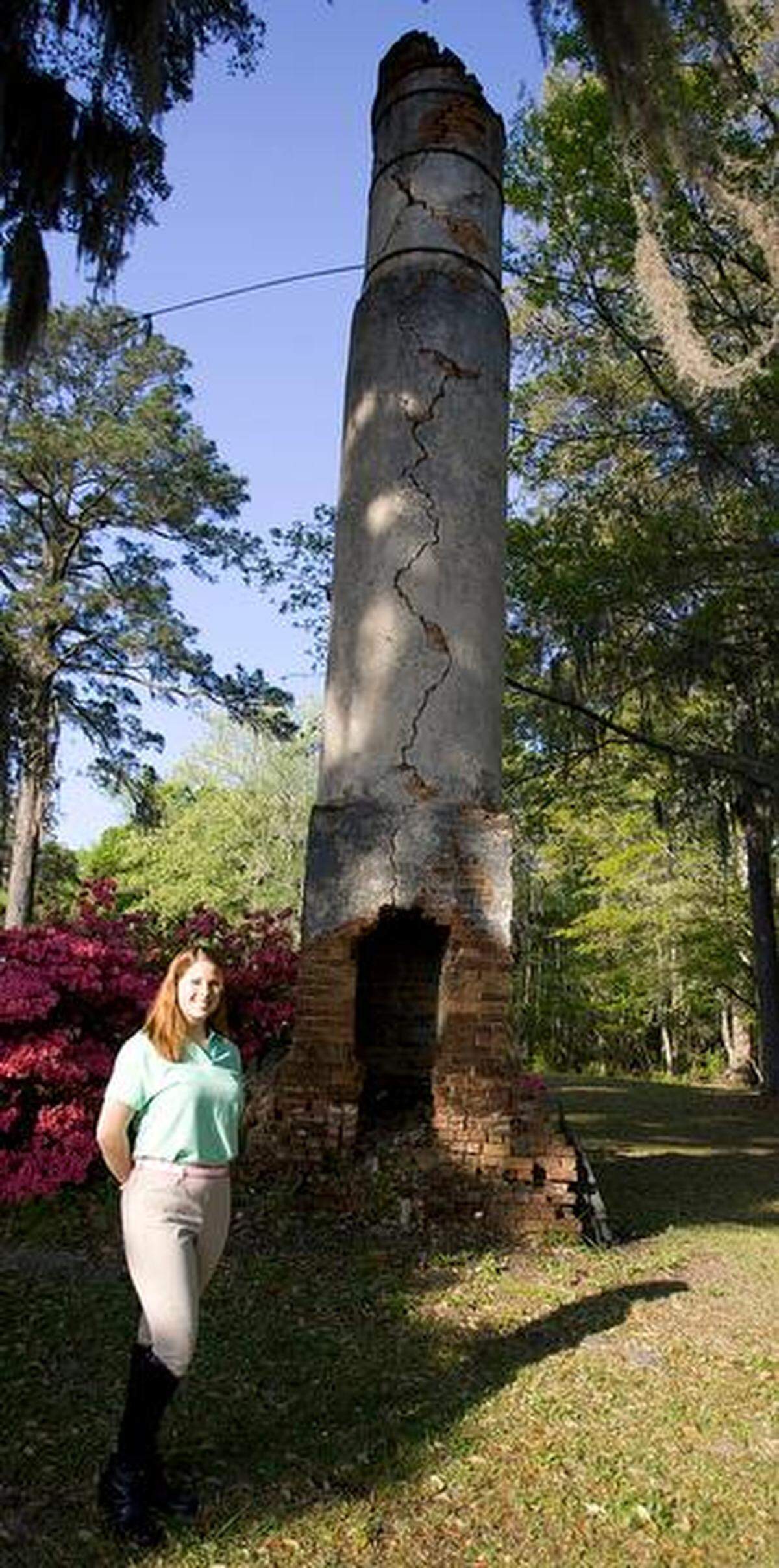
Susanna Buck Register says the chimney is part of the first steam operated lumber mill in America on the grounds of Upper Mill Plantation outside of Conway on Friday, April 8, 2011. The Bucks established the plantation in 1828 after Capt. Henry Buck moved to the area from the north. The plantation is the site of the first steam operated lumber mill in America. Susanna Buck Register said her ancestors actually paid the slaves on the plantations they owned. The Bucks also held Middle Mill, which is now at Bucksville Landing, and Lower Mill, which is in Bucksport. The plantations produced lumber for ship building, cypress shingles, cotton, rice, sweet potatoes and corn. According to the Horry County Historical Society, there were 133 slaves on the plantation in 1850. Ten years later, there were 312 slaves. Susanna Buck Register said slaves used to lay on the front porch, out of sight from the Buck family, to listen for updates about the Civil War. The Civil War began on April 12, 1861, and ended April 9, 1865. In those four years, an estimated 620,000 soldiers died. Photo by Janet Blackmon Morgan / jblackmon@thesunnews.com
Susanna Buck Register says the chimney is part of the first steam operated lumber mill in America on the grounds of Upper Mill Plantation outside of Conway on Friday, April 8, 2011. The Bucks established the plantation in 1828 after Capt. Henry Buck moved to the area from the north. The plantation is the site of the first steam operated lumber mill in America. Susanna Buck Register said her ancestors actually paid the slaves on the plantations they owned. The Bucks also held Middle Mill, which is now at Bucksville Landing, and Lower Mill, which is in Bucksport. The plantations produced lumber for ship building, cypress shingles, cotton, rice, sweet potatoes and corn. According to the Horry County Historical Society, there were 133 slaves on the plantation in 1850. Ten years later, there were 312 slaves. Susanna Buck Register said slaves used to lay on the front porch, out of sight from the Buck family, to listen for updates about the Civil War. The Civil War began on April 12, 1861, and ended April 9, 1865. In those four years, an estimated 620,000 soldiers died. Photo by Janet Blackmon Morgan / jblackmon@thesunnews.com The Sun News

Emancipation through the 20th century

After the emancipation of slavery and the Civil War, Buck continued to harvest timber in the area and produce lumber at his three mills.

The lumber industry continued through the 1930s and several villages sprung up near the mills, according to a historical account published by Roots and Recall, a historical preservation group.

The area also became home to large farms, including the Thompson farm which still exists today. The Thompson’s farm held many essential businesses, like a blacksmith shop and a general store.

Black farmers were also part of the community’s fabric, growing crops and raising pigs and cattle for their families and for the community.

Bucksport today is one of the few majority Black communities in Horry County. Around 600 people live in Bucksport today, according to the U.S. Census, nearly all of them Black.

During World War II, the U.S. military used the waterfront in Bucksport and housed soldiers nearby, according to Roots and Recall.

Present day use and the new industrial park

In recent decades, Bucksport waterfront on the Waccamaw River has become a recreation site for locals.

Fishing and boating at the marina is common, and some boating events are held there.

In 2018, following Hurricane Florence, the marina flooded badly.

Captain Buck’s Port restaurant at the Bucksport Marina shows evidence of flooding on Wednesday. The Waccamaw River at Conway crested Wednesday at well over 21 feet flooding many downtown homes. Wednesday, Sept. 26, 2018.
Captain Buck’s Port restaurant at the Bucksport Marina shows evidence of flooding on Wednesday. The Waccamaw River at Conway crested Wednesday at well over 21 feet flooding many downtown homes. Wednesday, Sept. 26, 2018. Jason Lee jlee@thesunnews.com

It’s also in this recent history that Horry County leaders have sought to turn the marina into an industrial park.

In 2013, Grand Strand Water & Sewer began seeking permits to build the industrial park in Bucksport. A public hearing for those permits was held in 2014.

The project won state permits in 2016 and federal permits in 2017.

The upgrades to the marina included dredging 40,000 cubic yards of material from the Waccamaw River; installing lift wells that can lift 100 tons and 300 tons, respectively; constructing a new pier and a new bulkhead for large boats.

A marine industrial park is nearing completion at adjacent to the Bucksport Marina in Horry County, S.C. The nearly 50-acre industrial park could ultimately be home to boat manufacturers and other marine-related companies and Horry County economic development officials believe they could have tenants lined up in the next year. June 1, 2022.
A marine industrial park is nearing completion at adjacent to the Bucksport Marina in Horry County, S.C. The nearly 50-acre industrial park could ultimately be home to boat manufacturers and other marine-related companies and Horry County economic development officials believe they could have tenants lined up in the next year. June 1, 2022. JASON LEE jlee@thesunnews.com

Sandy Davis, the head of the Myrtle Beach Regional Economic Development Corporation, said in a recent interview with The Sun News that her agency is seeking to lure boat manufacturers and other marine-related companies to the new industrial park.

Davis said she could get commitments from such companies within the next year or two.

Some Bucksport residents welcome the industrial park, and hope it will bring well-paying jobs to locals. Others worry it could entice developers into the area, and eventually price them out of their homes.

“There’s hope there that if jobs come in we can provide training and our residents will be proactive,” Kevin Mishoe, a community organizer in Bucksport, told The Sun News in a recent interview. . “As a community we need to focus on how we can make the best out of the growth.”

Related Stories from Myrtle Beach Sun News
J. Dale Shoemaker
The Sun News
J. Dale Shoemaker covers Horry County government with a focus on government transparency, data and how the county government serves residents. A 2016 graduate of the University of Pittsburgh, he previously covered Pittsburgh city government for the nonprofit news outlet PublicSource and worked on the Data & Investigations team at nj.com in New Jersey. A recipient of several local and statewide awards, both the Press Club of Western Pennsylvania and the Society of Professional Journalists, Keystone State chapter, recognized him in 2019 for his investigation into a problematic Pittsburgh Police technology contractor, a series that lead the Pittsburgh City Council to enact a new transparency law for city contracting. You can share tips with Dale at dshoemaker@thesunnews.com.
Get unlimited digital access
#ReadLocal

Try 1 month for $1

CLAIM OFFER