Myrtle Beach, Horry County go before Supreme Court in fee dispute. Here’s what happened.
Arguing a case about “power,” lawyers for Myrtle Beach and Horry County laid out their thoughts on the ongoing hospitality fee lawsuit to the state’s highest court Wednesday.
The arguments before the South Carolina Supreme Court were the latest actions in an 18-month legal battle between Myrtle Beach and Horry County over the collection of the hospitality fee. The fee was initially designed to help fund road projects in the area.
Myrtle Beach sued the county saying it wrongfully collected the fee in the last couple of years. Some of the money was designated to aid the construction of Interstate 73.
A judge sided with Myrtle Beach and allowed the city to collect the tax inside city limits instead of the county. Horry County appealed that decisions, which was the crux of Wednesday’s hearing before the Supreme court.
The high court offered no ruling, but the entire process could become moot if the county and various municipalities approve a settlement in the lawsuit.
On Tuesday, both the Horry County Council and the Myrtle Beach City Council met to discuss a possible settlement. While some said there was a settlement, confusion remains whether one was actually reached. Lawyers on Wednesday even disagreed whether an deal was in place.
Fight over tax
Myrtle Beach sued Horry County in March 2019 over collection of the hospitality fee. Myrtle Beach officials argued in the initial filing that since 2017 the county “wrongfully imposed, collected, retained and used revenues derived from the 1.5 percent hospitality fee.”
The fee is collected from hotels and other accommodations.
The lawsuit stated the 1.5 percent hospitality tax stemmed from a 1996 program to help short- and long-term transportation needs. As part of that program, a tax would apply to Horry County municipalities called a hospitality fee, the filing states. The money funded a road improvement program throughout the county.
In 2018, the Horry County Council approved $30 million from the fee towards the construction of I-73.
However, city leaders argued they did not agree to the plan nor taxes being collected after 2017.
The lawsuit did not specifically name other Horry County municipalities - such as Surfside Beach, Conway and North Myrtle Beach - as plaintiffs, but grouped them together as similarly situated plaintiffs.
That lawsuit sparked a months-long legal fight, often in public, between city and county leaders.
In June 2019, a judge appointed to oversee the case sided with Myrtle Beach and issued an injunction that barred Horry County from collecting the fee inside of municipality limits. However, the cities could not spend the money collected.
The county appealed that decision to the state’s Supreme Court which was set to hear oral arguments on Wednesday.
At one point, Horry County and Myrtle Beach officials met behind closed doors for hours and announced they had reached a settlement in the case. However, concerns over using the hospitality tax to cover Myrtle Beach’s $6 million tax bill led to the deal falling apart.
Settlement confusion
Both Horry County and Myrtle Beach councils met behind closed doors in executive session Tuesday to discuss a possible settlement.
The Horry County Council emerged to take two votes. The first was a unanimous decline of a “bar structure proposal” vote. The council then voted to approve a “court structure proposal.”
Leaders offered little public explanation of what the votes meant and at no point was the word “settlement” used to describe them.
County Attorney Arrigo Carotti was pressed by the council to explain the votes, but only used the same terms. He did say the court vote would be one where both Myrtle Beach and Horry County submit plans to a judge how to disperse the money. The judge would then decide.
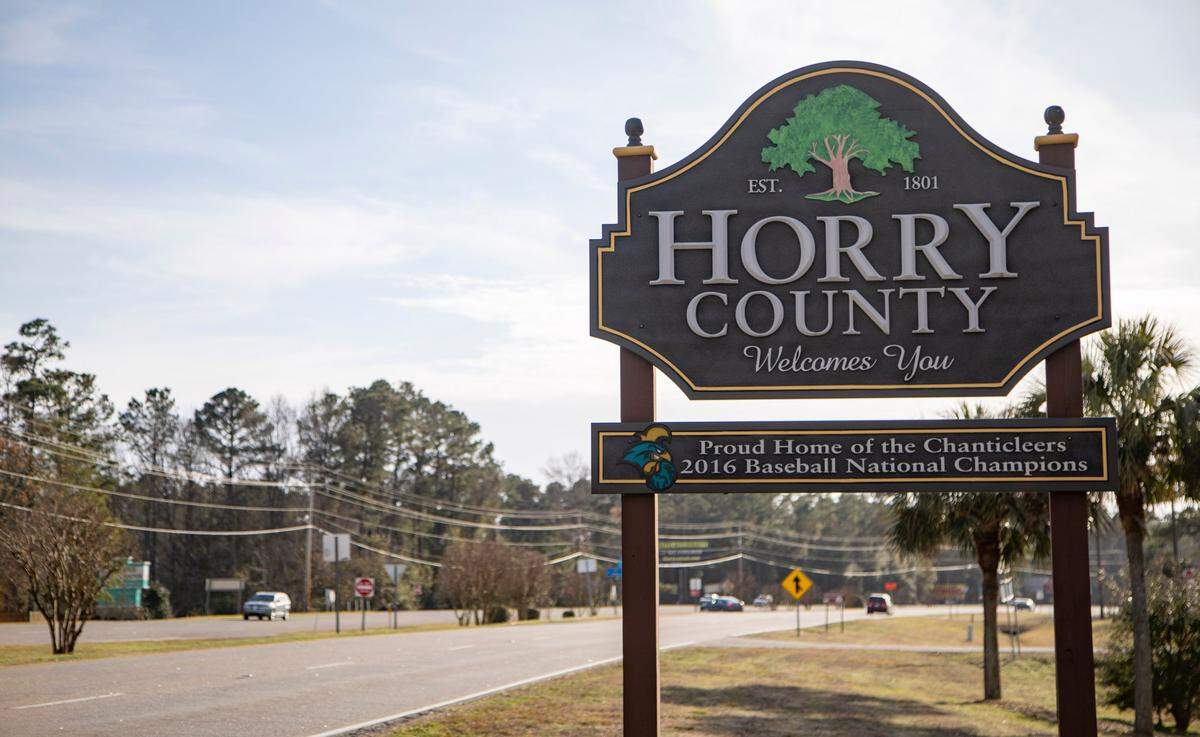
Immediately following the meeting, County Chair Johnny Gardner said they were close to a settlement, but that it still needs to be finalized.
“I feel very confident, I feel very positive,” Gardner said.
About an hour later, Myrtle Beach leaders emerged from executive session to announce it agreed to the settlement.
“A lot of hard work and effort went into this,” Mayor Brenda Bethune said of the possible settlement. “I want to thank Horry County Council for working with us to make this happen. It’s a good night.”
The vote essentially offered written consent for a settlement to be executed by the county and the municipalities named in the lawsuit. Those governments include Aynor, Conway, Surfside Beach and North Myrtle Beach.
An hour after that, Horry County government released a statement saying both the city and county approved the framework of a settlement. The statement was one sentence and offered no explanation about the vote, or the chair’s comments, a couple of hours earlier.
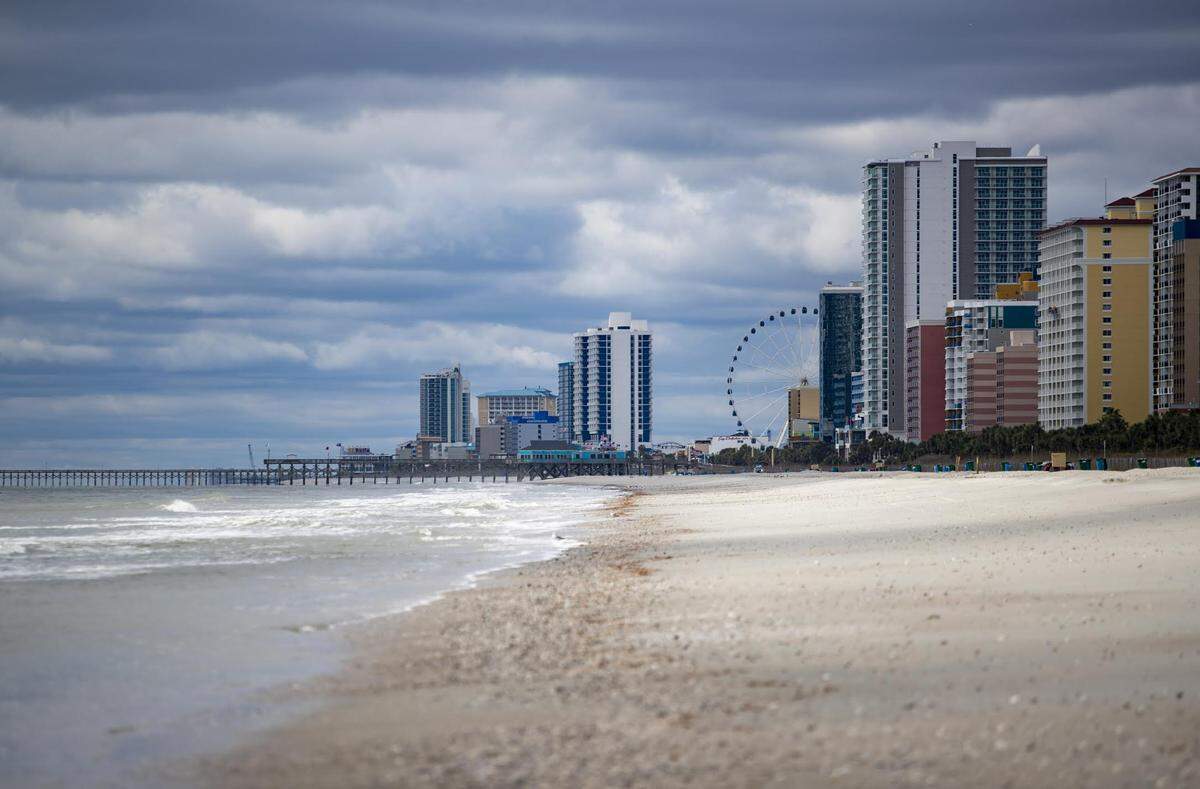
Lawyers for both municipalities even disagreed on Wednesday when asked if there was possible settlement in the case. Chief Justice Donald Beatty noted it was a complicated case that takes time to review.
Horry County’s lawyer Jim Gilliam said the sides have been negotiating for a year, but have yet to reach a deal.
“There is no settlement,” Gilliam said. Later he added, “where we are today is the county wants the court to decide this issue.”
However, Myrtle Beach’s attorney John Hoefer said based on the votes taken on Tuesday that there was a structure for a settlement.
“A settlement in principal has been reached,” he said.
Supreme Court arguments
Gilliam told the Supreme Court justice that the case is one about “power.”
“That fee has remained and been unchanged for 22 years,” Gilliam said.
The lawyer then discussed the laws that give the municipality the power to collect a fee inside city limits. He referenced state law that grandfathered in specific fees passed before 1996, such as the hospitality fee.
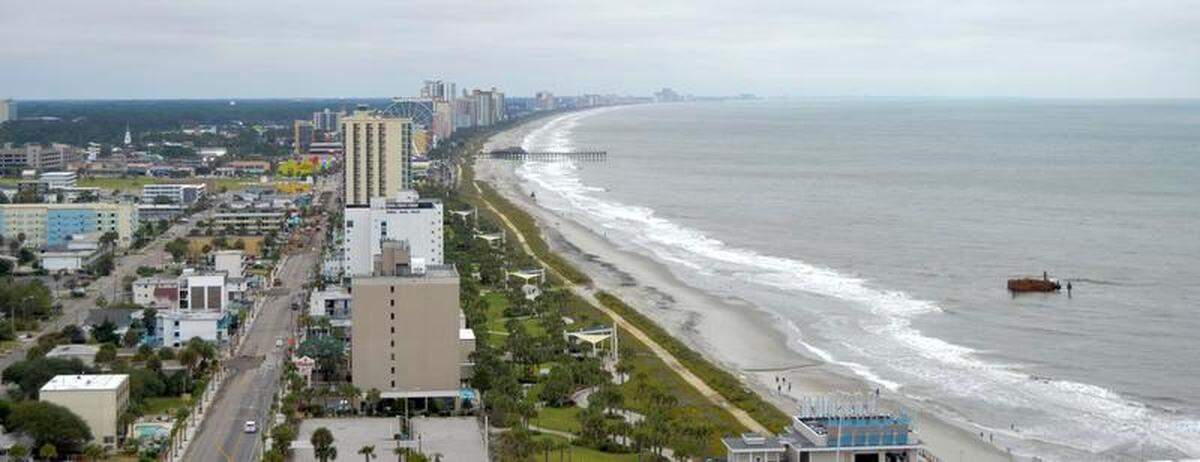
He also said the judge’s ruling to allow Myrtle Beach to collect the tax changed the status quo. Typically when an injunction is issued, it is to main the current state of affairs.
Hoefer agreed that the case was about power, but he said it was over its abuse.
The city has already demonstrated that it could win the case on the merits, which is one of the elements needed to issue an injunction, Hoefer said. He also noted that Horry County lawyers have said there will be no service - in this case, service means an action or benefit such as the construction of I-73- offered to Myrtle Beach.
“The county has failed to demonstrate that Judge Seals order was clearly erroneous,” Hoefer said.
Horry County wants to impose a fee in the municipalities, Hoefer said. In order there to be a fee, there has to be a service, and if there is a service, the city has to agree to the service.