Ancient Roman ruins seemed ‘typical’ — until ‘something more unusual’ emerged
Sifting through the damp soil of the southwestern United Kingdom, archaeologists slowly unearthed an ancient Roman settlement. The ruins seemed “typical” at first — but then “something more unusual” emerged.
Archaeologists spent six months excavating the Centre Severn site near Gloucester ahead of some “planned development,” Cotswold Archaeology said in an April 30 news release. “Earlier surveys — including desk-based assessments, archaeological trenching, and geophysical surveys — had already suggested that extensive Roman remains might lie beneath the modern ground surface.”
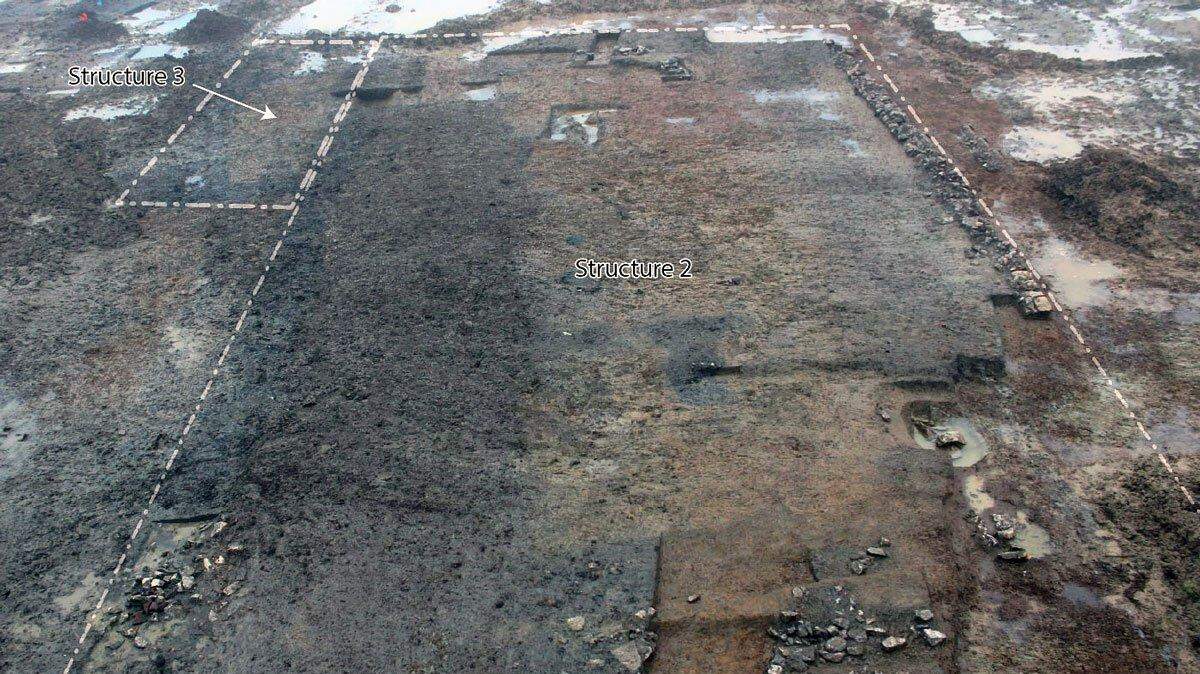
Sure enough, the team “uncovered field boundaries and enclosures that were part of a larger Roman settlement.” A photo shows traces of two of these structures.
“This kind of activity is consistent with what we’ve come to expect,” archaeologists said. “The area is now understood to have been a well-managed Roman agricultural landscape, dotted with farms and high-status villas in the hinterland of Glevum (Roman Gloucester), a colonia founded for retired Roman soldiers.”
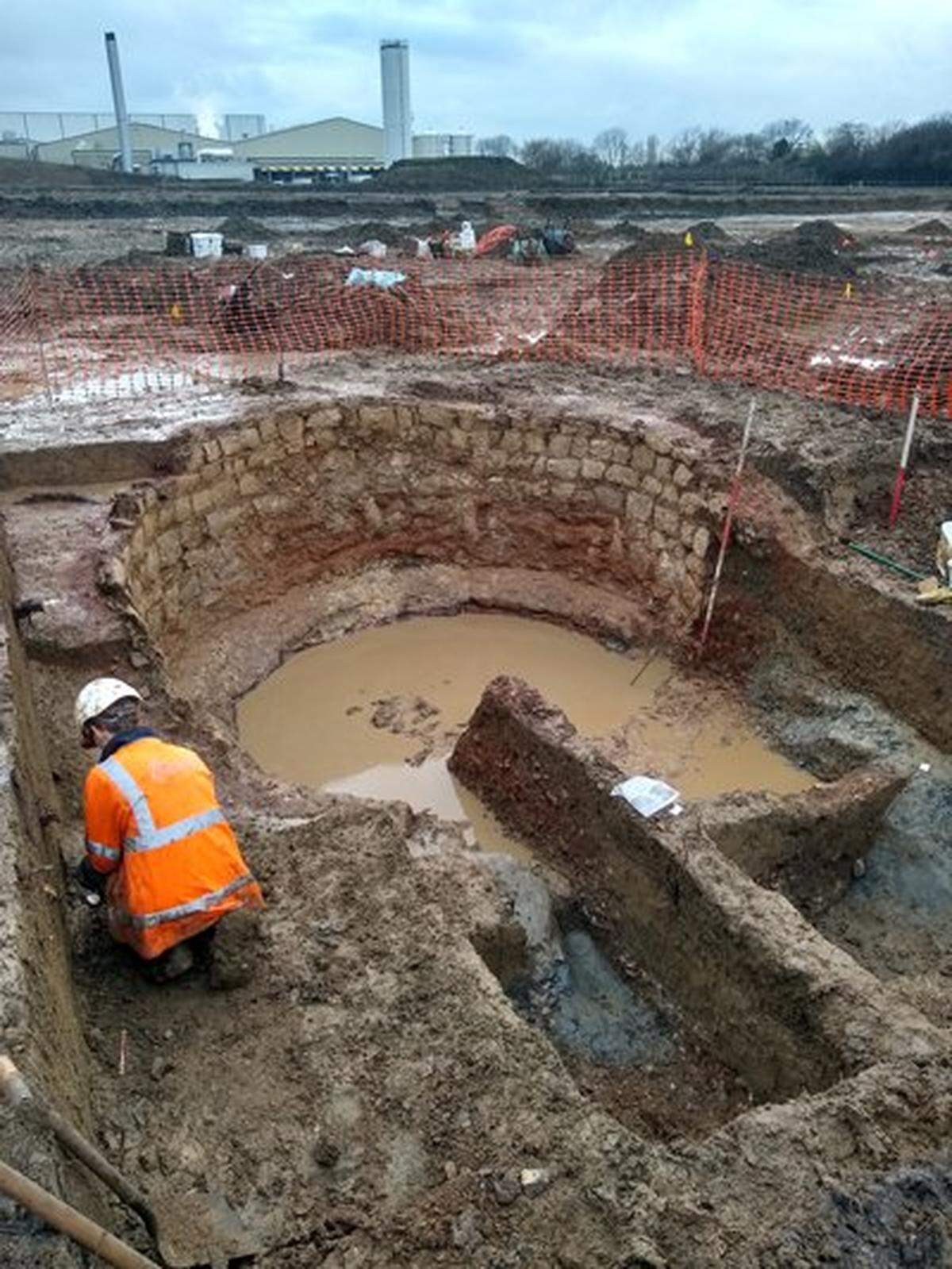
But as the team excavated the northeast portion of the site, they unearthed something surprising: an oven, or kiln, used for producing construction materials known as quicklime.
The ancient Roman kiln is “rare,” “exceptionally well preserved, and is likely the first to be excavated in Gloucestershire” (the surrounding region), archaeologists said.
A photo shows the “large” stone structure, which measures about 13 feet across and originally stood about 6 feet tall. The central oven chamber had “an internal ledge and a rare partition wall” which “would likely have improved air circulation.”
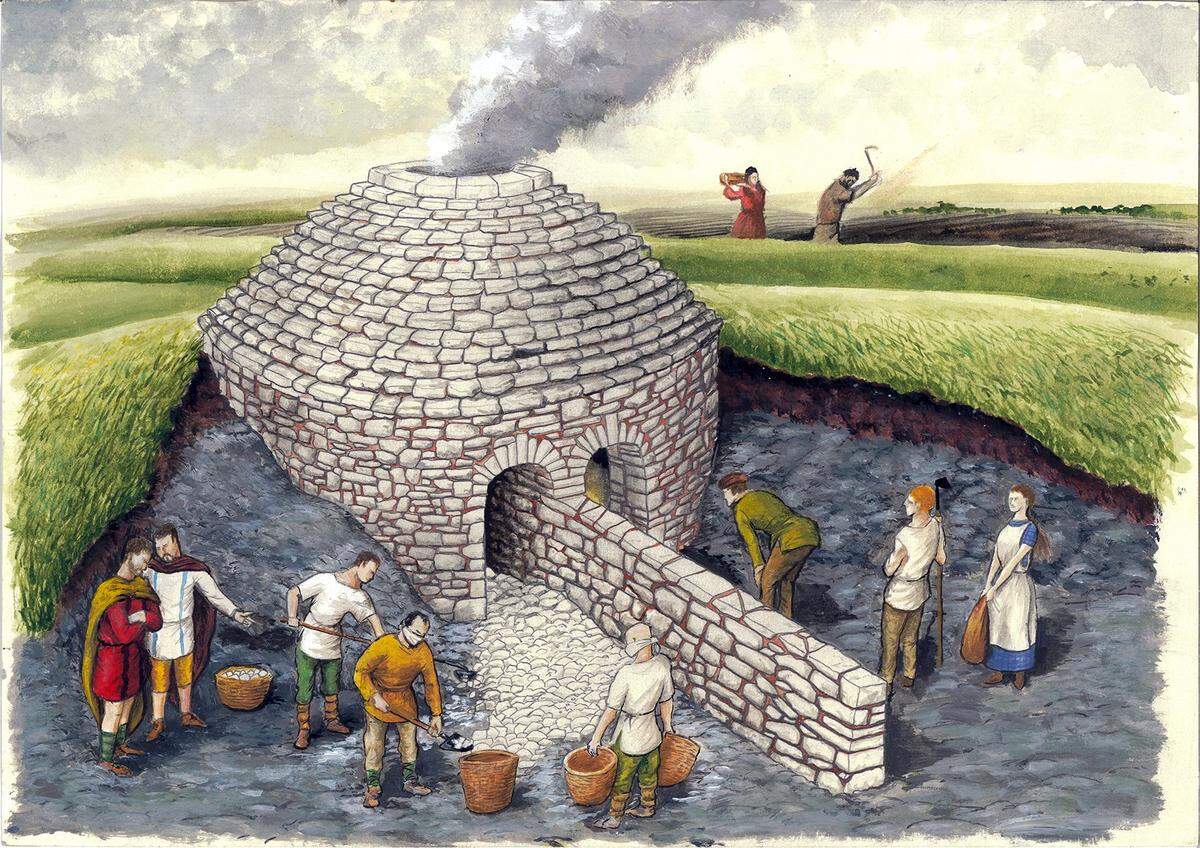
The kiln “would have been used to produce quicklime, a key ingredient in making mortar, cement and plaster — materials vital to building and decorating Roman structures such as townhouses and villas,” archaeologists said.
A reconstruction shows what the structure might have looked like while in use.
The kiln was built between 100 and 200 A.D., “had a relatively short working life” and had stopped being used by 300 A.D., Cotswold Archaeology said. The structure “was either dismantled or collapsed naturally” before being “gradually covered.”
Still, the “Centre Severn kiln is a rare survivor, and sheds new light on Roman construction methods and local production,” archaeologists said. Its location seems “strategic,” sitting near “a source of raw materials” in the form of a limestone deposit and “a source of coal for fuel” in the form of a forest.
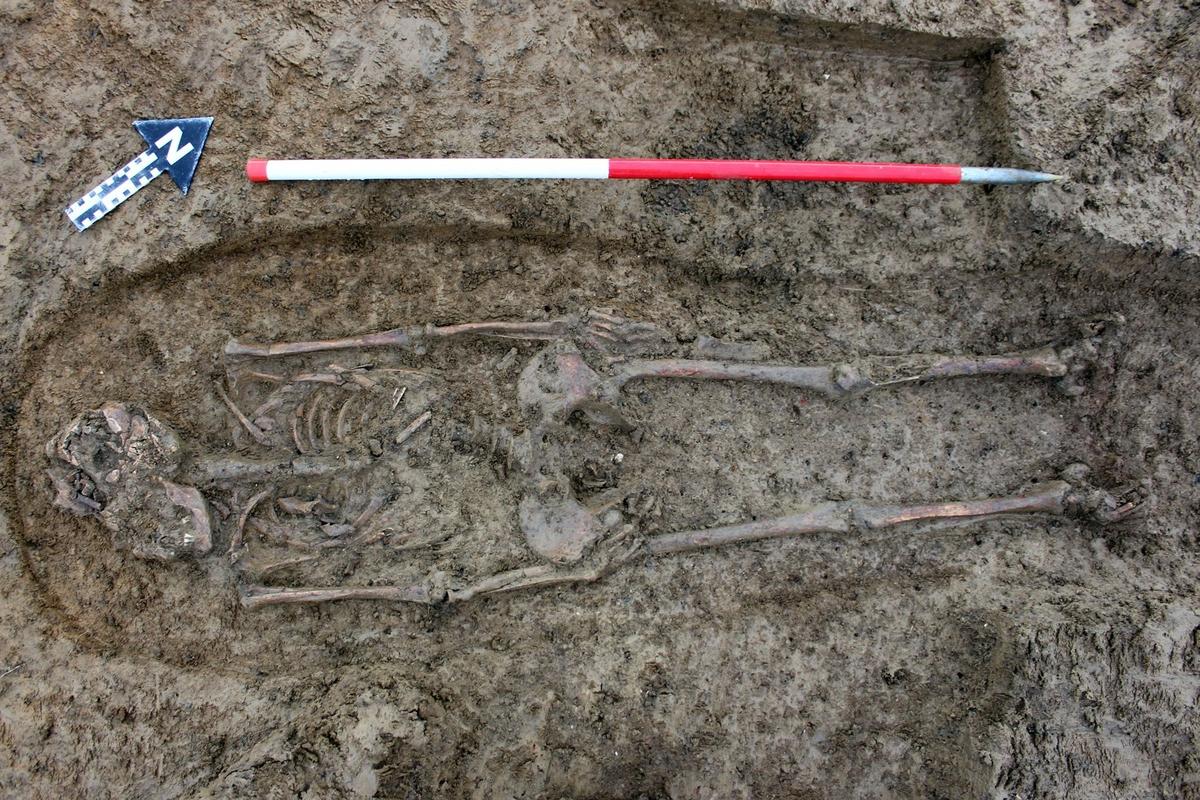
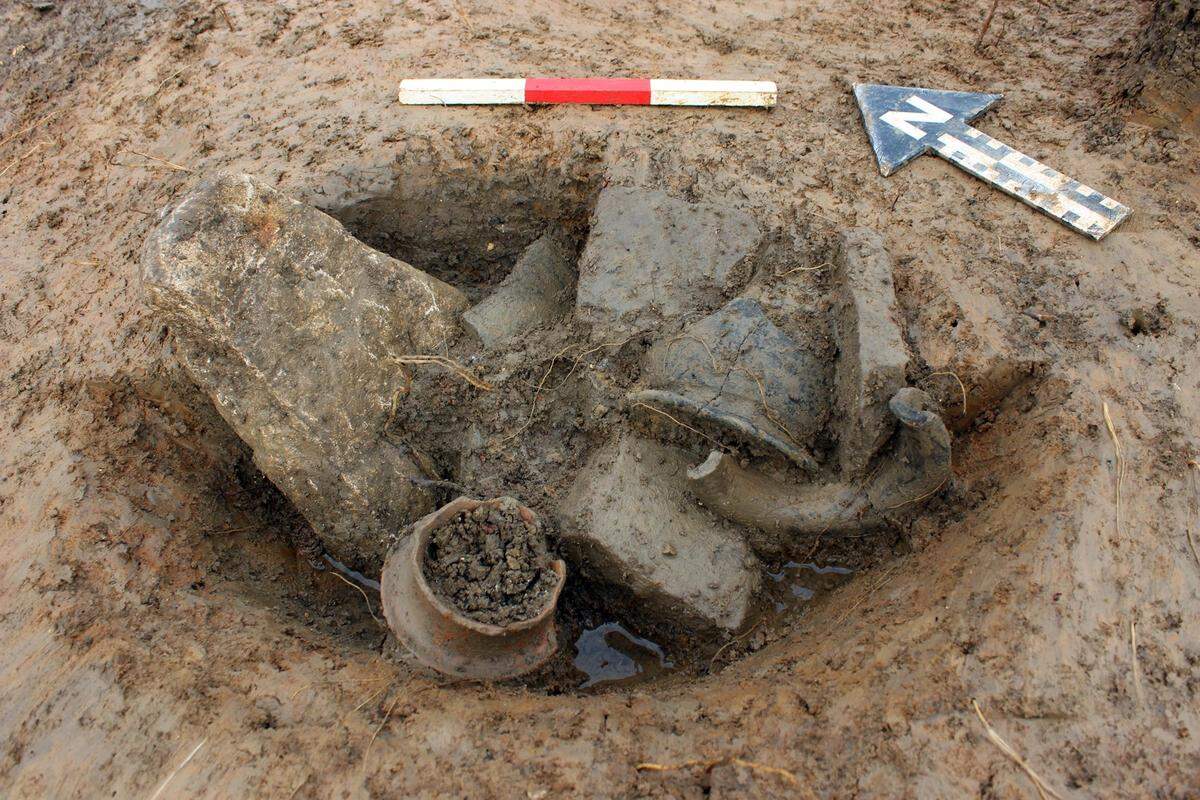
Excavations at the Centre Severn site also found a “pit containing a deliberately placed collection of pottery” and the burial of a 40- to 44-year-old woman who died around 336 A.D. Photos show these finds.
Excavations finished February 2021. The Centre Severn site is on the outskirts of Gloucester and roughly a 100-mile drive northwest from London.
This story was originally published April 30, 2025 at 4:06 PM with the headline "Ancient Roman ruins seemed ‘typical’ — until ‘something more unusual’ emerged."