Ships carrying enslaved people wrecked amid revolts in 1700s. Now they’re found
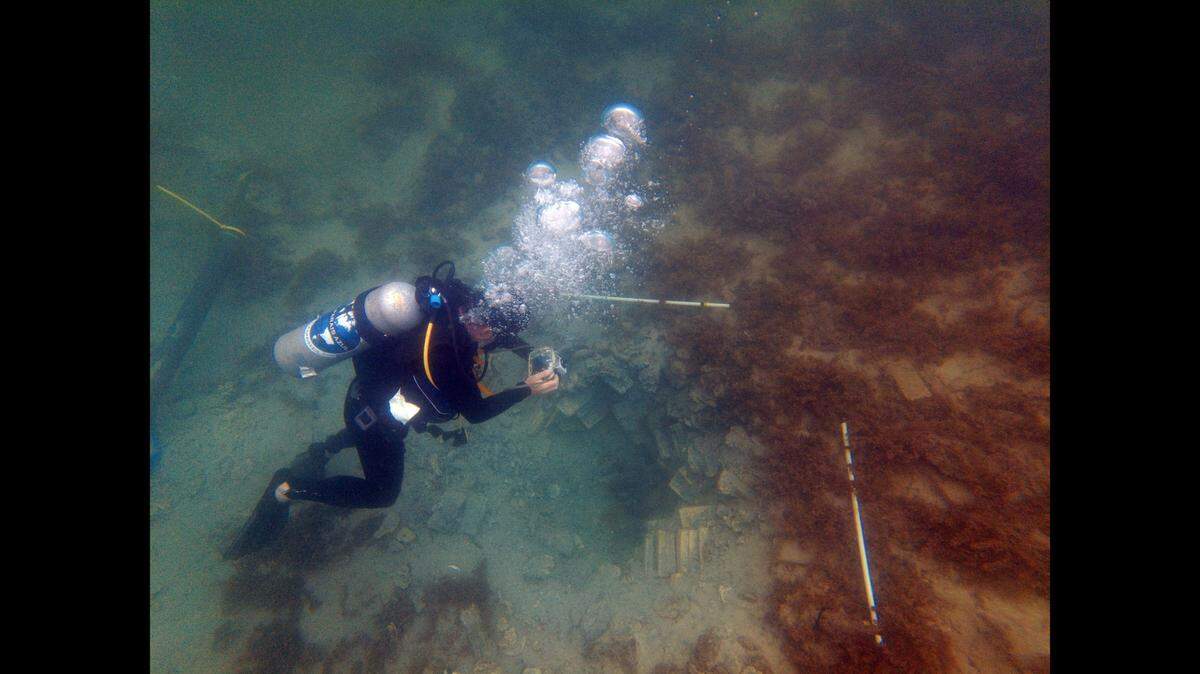
Centuries after Danish ships carrying enslaved people from West Africa disappeared in the Caribbean, the charred and destroyed remains have been identified for the first time.
In 2023, researchers and archaeologists from the National Museum of Denmark and the Viking Ship Museum put on their dive gear and visited two known shipwreck sites off Cahuita National Park in Costa Rica, according to an April 27 news release from the National Museum published in Ritzaus Bureau.
“For many years, however, they were thought to be pirate ships,” researchers said. “But when American marine archaeologists in 2015 found yellow bricks in one of the wrecks, new questions emerged about the history of the ships.”
Hoping to find answers, the archaeologists brought samples of the bricks and wood to the surface to determine where it originated, according to the release.
The researchers used dendrochronology, or the study of tree rings, to determine the wood for one wreck came from the western region of the Baltic Sea, which included a region of Germany and Denmark, according to the release.
Dating of the wood showed it was cut down between 1690 and 1695, researchers said, and it was “charred and sooty.”
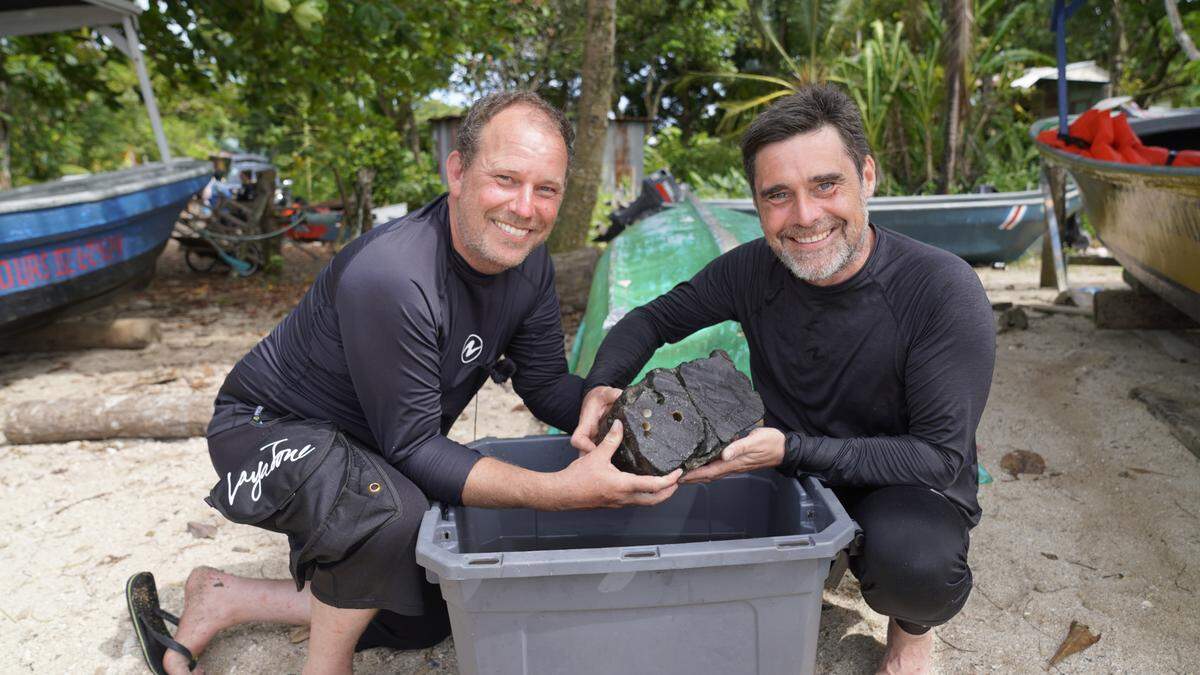
When they analyzed the bricks, they found the brick matched Flensburg bricks produced in Denmark and the Danish colonies, and the clay used to make them was collected in Denmark, researchers said. The bricks were dated to the 18th century.
Among the wreckage, the divers also found Dutch-produced pipes with sizes and patterns suggesting they were made at the beginning of the 18th century, according to the release.
At this point, there was no doubt where the ships originated: Denmark.
But, how did they make their way to the Costa Rican coast? And how had their journeys come to such violent ends?
“According to historical sources, the two Danish slave ships Fridericus Quartus and Christianus Quintus were shipwrecked off the coast of Central America in 1710,” researchers said. “Fridericus Quartus was set ablaze, while Christianus Quintus had its anchor rope cut, following which the ship was wrecked in the surf. Until now, it has not been clear exactly where the ships were lost.”
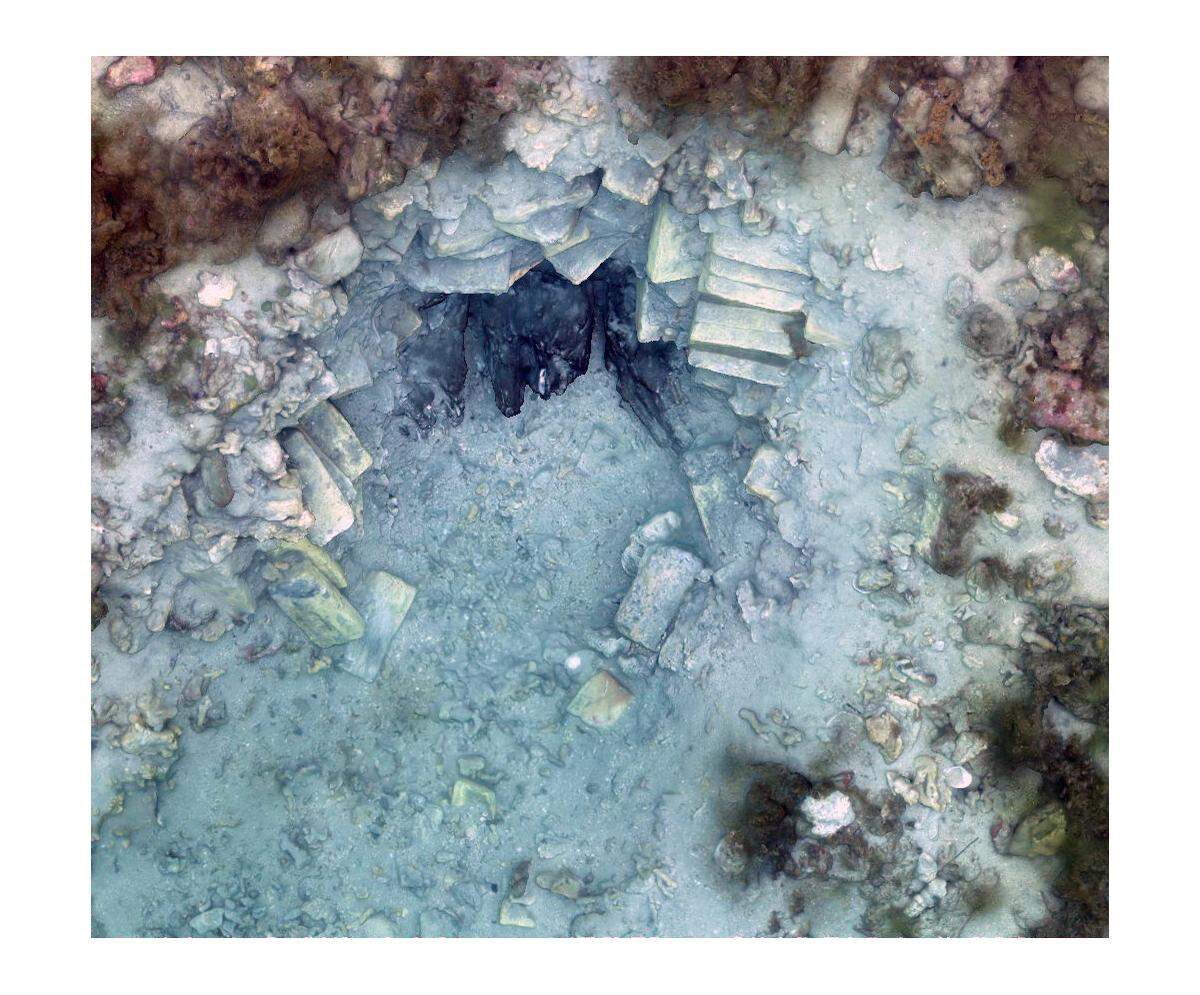
The ships are considered part of darkest chapters of Danish history, according to an April 28 Facebook post from the Viking Ship Museum.
The two ships were blown hundreds of miles off course as they traveled across the Atlantic from West Africa as part of the trade of enslaved people, according to the museum.
In the spring of 1710, the ships finally saw land, but the environment on board was dangerously tense, the museum said.
The crew and 600-700 enslaved people had resorted to eating only turtles caught off the ship by the end of the journey, and after the surviving West Africans were dropped on shore, there was a mutiny, according to the museum.
The anchors of one ship were cut, allowing it to crash into the coral reef and sink, and the second ship was set ablaze, eventually also reaching the seafloor.
Some members of the crew had boarded English vessels, eventually making their way back to Denmark and writing about their previous voyage, but none of the sailors wrote where the ships met their end, the museum said.
A video about the expedition was shared by the National Museum of Denmark on April 28.
Cahuita National Park is on the southeastern coast of Costa Rica along the Caribbean Sea.
Facebook Translate was used to translate the post from the Viking Ship Museum.
This story was originally published April 29, 2025 at 3:07 PM with the headline "Ships carrying enslaved people wrecked amid revolts in 1700s. Now they’re found."