‘I don’t need to worry about tuition?’ Many tech college programs in Myrtle Beach now free
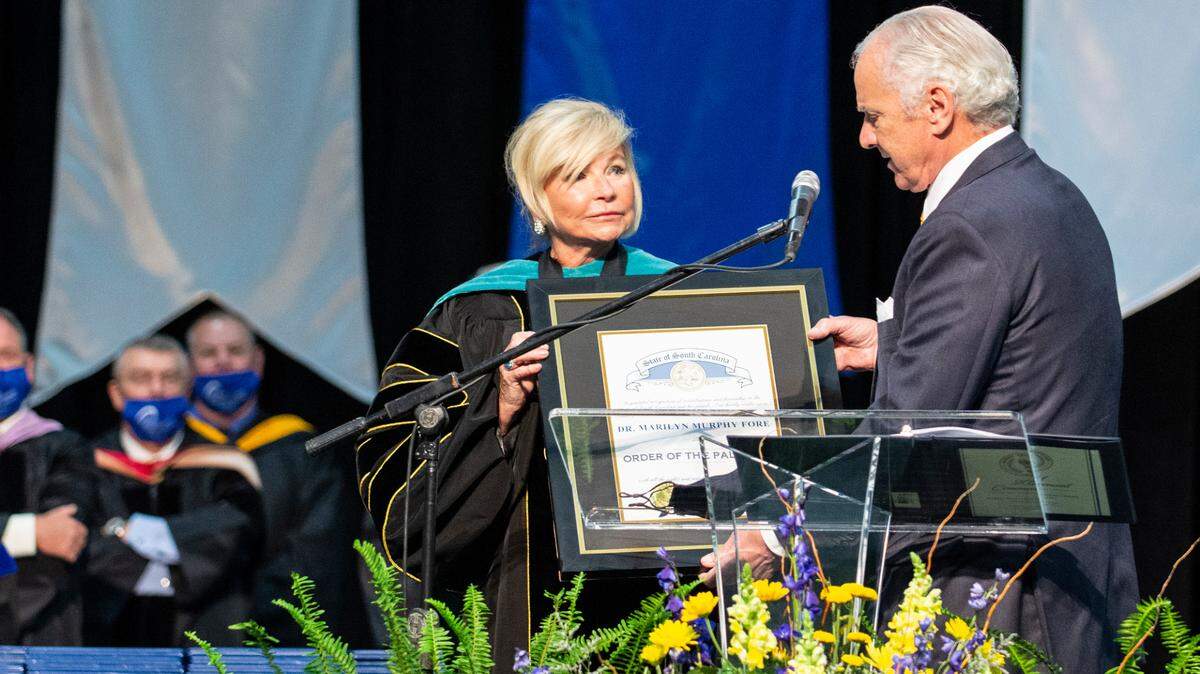
Many job training, certification and associate degree programs at Horry-Georgetown Technical College are now free thanks to new money from the federal government’s COVID-19 relief funds.
Dozens of programs at Horry-Georgetown Technical College will have the cost of tuition and fees completely wiped away through at least this summer following a $17 million allocation late last year from Gov. Henry McMaster to South Carolina’s 16technical colleges. The $17 million is being split among all the technical schools, with $1.6 million going to Horry-Georgetown. The funds are distributed to the schools based on their enrollment, with Horry-Georgetown being the fourth-largest technical college in the state.
The new money covers programs including certified nursing assistant and veterinary assistant, certified driver licenses (large semi-trucks) and personal training. Many of these programs, despite being only a few months long, can cost thousands of dollars. That high cost sometimes stands in the way of prospective students who are considering new job training, college President Marilyn Fore said.
The heavy machinery certification program, for example, is eight weeks long but costs $9,000, Fore said. It will now be free.
“We have funds that we’ve never had before to help students, so they have no out-of-pocket costs,” Fore said. She often asks potential students and the public if they plan to go to college. But the response is often, “No, I’m saving my money. I’m saving money for paying tuition.”
But now, Fore can tell them, “Come on out. We have money that we can help you pay for your tuition.”
The $1.6 million, which came from the American Rescue Plan Act passed by Democrats in Congress and signed by President Joe Biden earlier in March of last year, is a game changer for Horry-Georgetown’s ability to attract and retain students looking to move to the next step in their careers, Fore said.
Upon learning about the new funding, Fore said students have told her, “Wow, you mean I can come to college and I can take care of going to work and take care of my family? I don’t need to worry about tuition?”
“They’re very excited,” she said.
The funding pays all tuition expenses for students in eligible programs.
The scholarships will go toward associate degrees and credentialing programs for high-demand jobs, such as manufacturing, health care, computer science, information technology, trucking and construction. The only programs not covered are the general associate in science and associate of arts, which are programs typically used on the track to head to another college or university to get a bachelor’s degree.
However, the funding isn’t a completely free handout.
The program requires people in the program to work, volunteer or take a financial literacy course at a technical college to be part of the job training program.
While the current round of funding will only last through the summer, McMaster has asked the state Legislature to spend another $124 million of federal COVID-19 aid on funding technical college tuition and fees.
“We know we have a lot of jobs and ... employees are scarce. So we are going to fill those jobs with people who want to go to work. Because of disruptions a lot of people did not go back to work. Where are they? They’re still out there,” McMaster said in November.
“This is a program that is no cost to the participants. It’s not means based, and it’s no cost,” he added.
South Carolina has about $2.5 billion in total federal COVID-19 funding. The Legislature is expected to work on allocating it during the legislative session that starts next week.
The funding comes as many industries in South Carolina, such as hospitality and health care, are suffering historic worker shortages. For months, the state has had as many, if not more, job openings than it has had people out of work. Economists have said that is because of a “mismatch” between the skills many workers had when they left their jobs in the pandemic and the careers they know want. News reports have shown that COVID-19 has caused many people to reassess their relationships with work, and many have said they don’t want to go back to the same jobs they had before, economists say.
Those worker shortages have been acutely felt in Myrtle Beach, which has struggled to hold onto young workers who don’t feel like they can get a good-paying job outside of the hospitality industry.
Now, being able to train those out-of-work adults, and future students, could be a major boon for a region that is trying to grow its economy beyond just tourism, said Fore, Horry-Georgetown Tech’s president.
“When companies start looking to potential to move here. Many of them want to know about skilled workforce,” Fore said. “What this means is that there is training available and that there’s money available for students to get the training.
“When (businesses) come, they are looking at, ‘Can I get the workforce?’ So this is critical,” she said.
Students won’t have to do any extra work to access receive the money from the state, Fore said. After a new student fills out FAFSA, the federal student aid form, financial advisers will work to get all applicable scholarships and grants they qualify for and then add the new funding on top to cover any remaining costs.
The biggest thing students need to know? Go online or walk in the door to start the process. The college will handle everything else from there, Fore said.
Now, a student can graduate without “debt hanging over your head,” Fore said.
This story was originally published January 7, 2022 at 5:00 AM.