‘It’s like a toxic relationship.’ How workers survived Myrtle Beach’s labor shortage
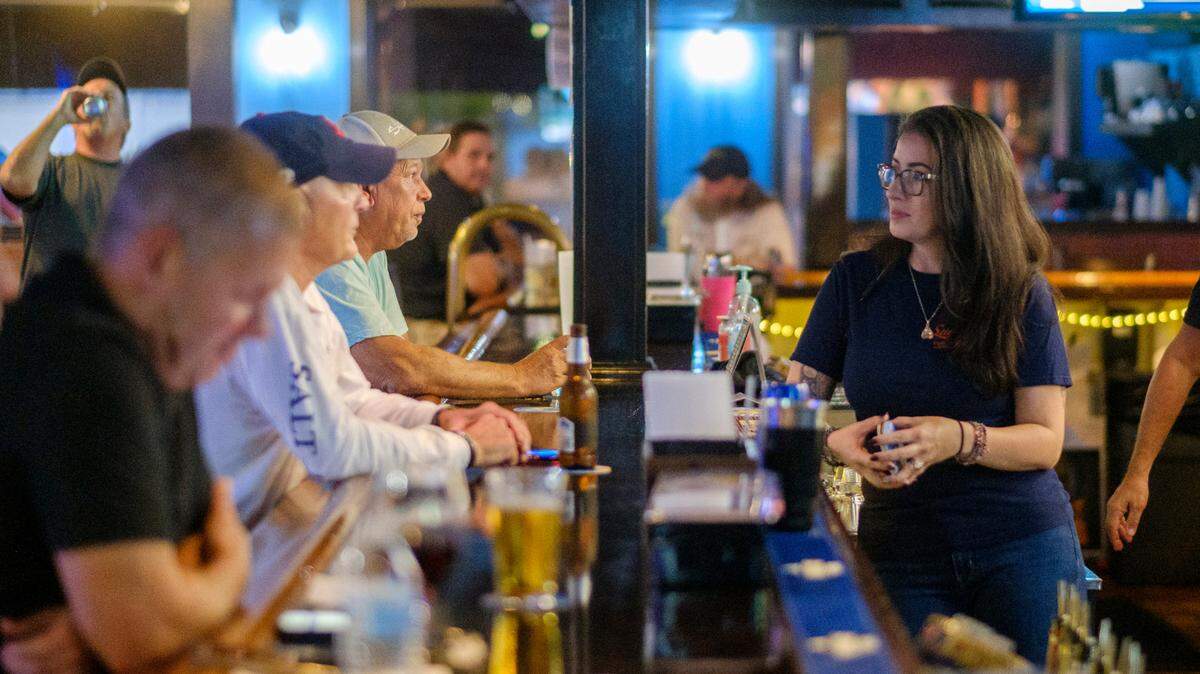
Summer is officially over in Myrtle Beach, and while it might have been a chance for people to get out and vacation for the first time in more than a year, the season was exhausting for the workers who kept the destination alive.
The first wave of travelers arrived in March for spring break after 12 months of the COVID-19 pandemic. Myrtle Beach hospitality workers said they hoped it would be the start to a great six months of the busy season, which stretches from early spring well into October.
That wasn’t what happened.
From the start, the region was slammed with thousands of more travelers than it expected, reaching 80-90% occupancy during the spring, something that doesn’t usually happen until summer.
On some weekends, it was more than Myrtle Beach had ever seen. At the same time, businesses couldn’t find enough workers to even apply for their open jobs. Restaurants had long waits but left tables empty due to lack of kitchen staff or servers. Hotels got rid of daily housekeeping or intentionally didn’t sell all of their available rooms. And lines, there were lines everywhere, for everything.
Some businesses, and Republican elected officials in South Carolina, blamed unemployment benefits and stimulus checks handed out by the government. They called it free money encouraging people to stay at home and not work.
Economists questioned that logic, saying it likely played a factor, but there were bigger issues at hand. The lack of child care for people dealing with kids in remote school or COVID quarantines. Low hospitality industry wages that people didn’t want to return to. A reckoning that after a year of facing mortality head on, maybe it wasn’t worth it anymore to work in an industry known for being a toxic work environment. Life is too short, they realized, so they left the industry altogether for something less stressful, maybe even higher paying.
We spoke to seven of workers in the hospitality industry about what the summer was like, and what they think held Myrtle Beach back from hiring all the workers it needed to make the summer run more smoothly. Here are their stories.
Rude, angry customers
All summer long, Myrtle Beach preached one mantra to its visitors: “Pack your patience.” Some listened and were understanding that the world might not be exactly as it was when they last saw it. Others were not so kind.
“That’s the big thing I was hoping for after COVID. Like, ‘We’ve all been doing nothing for so long and now we’re going to get out and we’re all just going to be happy,’” said Ashley Schaef, a bartender at Sugrue’s in North Myrtle Beach. “I was so positive and chipper, and then there is no sense of community about it.
“It’s just been everybody vs. everybody else.”
Some customers would complain about how long they had to wait for a table, or how long their food would take. They were angry about how expensive food prices had gotten, or why their favorite item wasn’t available. For example, chicken wings have been hard to come by this year, and restaurant workers said customers haven’t appreciated paying “market price” for a formerly cheap item.
And they took it out on whoever was nearest, even when the issue was completely out of that employee’s, or even the business’s, control.
“I don’t work at a place where I can cuss someone out, but we are allowed to stick up for ourselves,” Schaef said. “I don’t want to say that the customer isn’t always right, but sometimes they’re not ... Some customers are just idiots. They don’t want to pay full price for anything.”
In some ways, the bad customers have been a strange blessing. Savannah-Jean Kirchman, an assistant general manager at a major hotel chain, said the worker shortage has forced business owners and management typically divorced from the day-to-day grind to walk a day in their employees’ shoes.
“We deal with s***** management and bad customers,” Kirchman said. “ Now they are seeing the issues.”
Never not working
Patty Rose Farley, a bartender and manager at Comedy Cabana, said she’s worked almost every day the business has been open this summer, often clocking in 50 hours or more.
Brian Koons, a server at Anthony’s Pizza and Pan Pasta in Surfside Beach, got his job there for some extra spending money. He has a day job that he works remotely. Thanks to worker shortages throughout the summer, though, he was sometimes called in to work five nights a week rather than his usual two or three. But the restaurant has struggled to keep enough kitchen staff, and often only had one or two people in the back doing a lot of the work.
“It’s been a struggle,” Koons said. He and other servers have often gotten a lot of flack from customers when the food gets delayed. “What’s been frustrating is the expectations of customers. I let them know, ‘Hey, yeah, we’re not really fast right now, but the food is really good.’”
Kirchman has dealt with the same. Throughout the summer, she and her fellow employees have done practically every job the hotel has to offer, from checking people in to cleaning rooms. Sometimes, even her maintenance man would try to help out when he saw that she was swamped with dozens of check-ins and dozens more check-outs on the same day.
Wages that are too low
For too long, businesses in hospitality have gotten away with paying workers next to nothing, workers said. Now after more than a year and a half of the worst labor shortage of their lives, some hope that real progress might actually be made.
Kirchman, working in an industry that doesn’t rely on tips, has seen the brunt of the region’s low-wage problems for years.
“You now have hotels that were originally only offering their housekeepers $7.50 to $9 to clean disgusting beach vacation rooms that are now making the money that they deserve between $12 to even $17,” Kirchman said.
Data from the U.S. Department of Labor showed that nationwide, average hourly earnings rose to $18.09 in May, the highest they’ve ever been. It was also a 5% increase from January, which economists say showed the pressure the industry faced as it struggled to find workers and bring back the ones it had pre-pandemic. However, that is a national average, and average hourly wages for hospitality in South Carolina are often much lower, according to federal data.
Having worked her way up to an assistant general manager position, she’s also tried to make the industry better for those below her. She’s tried to make her workplace welcoming and accommodating, rather than falling into the toxic stereotype that looks glaringly upon the hospitality industry and often chases workers away after a few years.
“Hospitality is a toxic environment, if you get the right managers, you can get through anything,” she said. “I’ve worked in some terrible places, and it all boils down to management.”
When it comes to wages, the issue is simple for her: “McDonalds is paying $15 an hour, so other businesses need to learn to compete.”
And Myrtle Beach needs to reckon with what it wants to be, Kirchman said. Does it want to pay people enough to keep tourism alive?
“I know a lot of friends who are looking to buy houses right here right now,” Kirchman said. “But, I can move to Las Vegas right now and I can make two, three times what I’m making here. And the cost of living there in the city is the same.”
‘It’s like a toxic relationship’
Farley, the manager at Comedy Cabana, doesn’t want to work in hospitality. In fact, she’s wanted to get out for years, but her job as a bartender keeps her in. While wages might be low in non-tipped jobs, she makes a decent amount of money at the comedy club.
“The money is what keeps you in,” Farley said. But, “I could easily see getting tired and burnt out and just wanting to cut your ties.”
But it’s not just that tipped workers can make good money. They also said it’s hard to find a job in any other industry around here that pays as well.
“I don’t know that there are many good paying jobs here,” Farley said. “I would love to work for a nonprofit but they don’t make any money. To me, it’s not really about making a bunch of money, but I need to survive. I’m raising a family.”
Schaef said, “It’s almost kind of like being in a toxic relationship. You’re like, ‘I’m so done with this,’ but then you go back and you see your money at the end of the night.”
All throughout the spring and summer, restaurants and hotels were advertising signing bonuses or wages as high as $20 an hour to get people in the door. Those that paid more had an easier time of finding people, several people told us. Those that didn’t struggled.
But that’s not happening everywhere.
“It’s like they are just trying to ride it out as long as they can, as cheaply as they can,” said Tiffany Mishoe, a waitress at several restaurants around town.
Dying arts
One of the hardest hit areas of the hospitality industry has been kitchen staff. Their wages are often fixed, and much lower than that of those working the front of the house, which has made it harder to find people willing to take a dishwashing job or line cook.
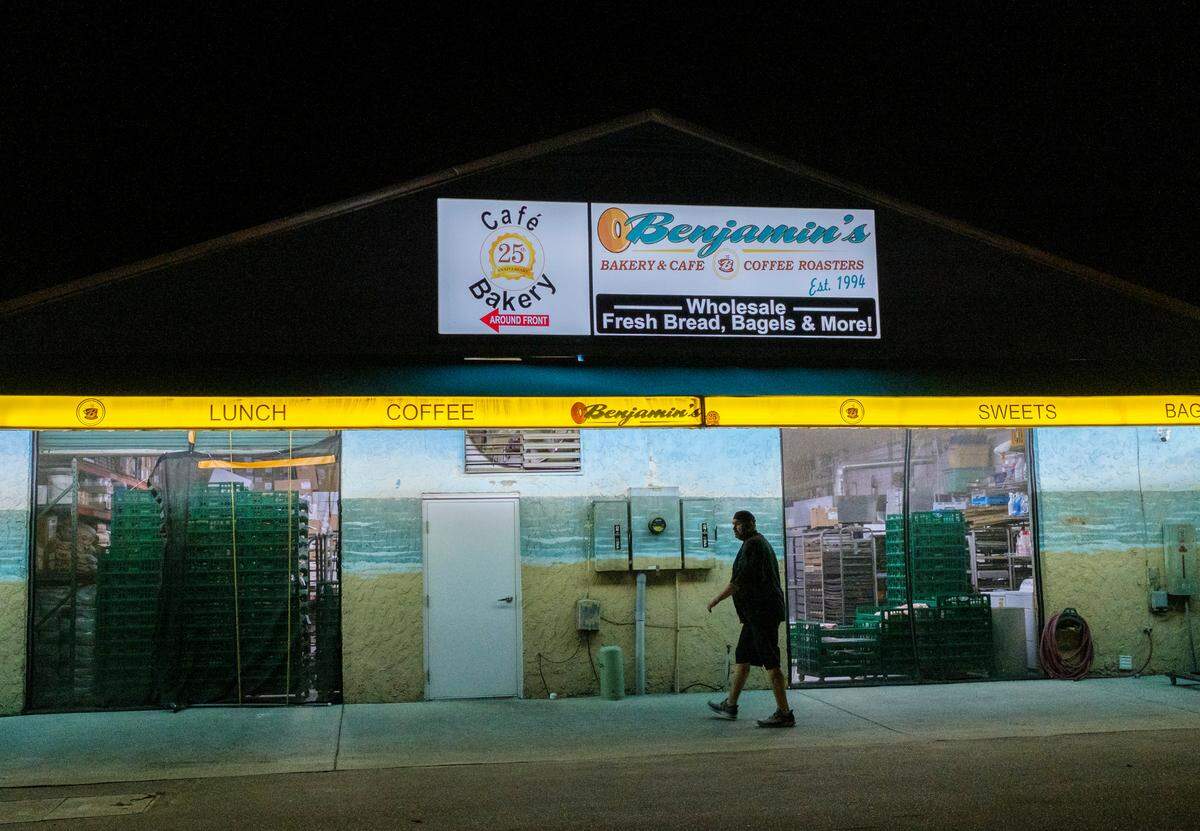
Adrian Baldwin said Benjamin’s Bakery in Surfside Beach, where he works as a baker, struggled to find other skilled bakers to join the staff.
“My trade is a dying art, not a lot of people want to be a baker,” he said. “It’s work, and it’s physical work.”
But Baldwin also feels like a lot of the number of workers the industry needs is still lacking. He thinks hospitality workers saved the extra stimulus money to get through the heat of the tourist season rather than coming back to work immediately.
When asked about the cost of living being so high near all of the workplaces, he explained that he doesn’t fully agree with the idea that people should be able to live close to where they work. It’s a beach town. It’s expensive — and a luxury — to live by the beach, he said.
“I’ve seen a lot of people, if you ask them to drive 15 miles from Conway, it’s like asking them to drive to Ohio,” Baldwin said. “I understand traffic sucks, but traffic out here is nothing like it is in the Beltway, D.C. But what do you do? Do you live within your means outside or do you struggle and not make it?”
Can it be better?
Drew Doss, the operations director of the Tavern in Carolina Forest, opened the Tavern in Surfside in March, right as the worker shortage began. Finding workers was “brutal,” but he was “blessed to have a good core staff” at both of the restaurant’s locations, Doss told The Sun News.
Doss was by far the most optimistic about the worker shortage of the individuals interviewed by The Sun News. His restaurant did well, but it pays its employees well above minimum wage, including kitchen staff, which are the hardest to find. And Doss said that while the service industry has had low wages for a long time, things are trending in the right direction.
As big chain restaurants move toward paying their workers more, often reaching the $15 an hour minimum wage demanded by workers and activists around the country, it’s forcing other businesses to do the same. While some issues like child care and housing costs have not yet been solved, one of the biggest ones, wages, seems to be finally heading where workers want.
“I”m really excited for the next five to 10 years,” Doss said. “I think we’re really about to turn a corner.”
This story was originally published October 7, 2021 at 5:00 AM.