Another Myrtle Beach hospitality business added to federal visa fraud indictment
A fourth Myrtle Beach resident has been named in a wide-ranging federal indictment alleging abuse of visa work programs, while the company at the forefront of the complaint is continuing to operate.
The U.S. Attorney’s Office for the District of South Carolina, in coordination with the U.S. Department of State’s Diplomatic Security Service and the Myrtle Beach Police Department, announced the charges Thursday during a press conference, noting that three people associated with Grandeur Management had been arrested.
The Myrtle Beach-based hospitality consultant and its agents, including CEO Raja Imran Younas, devised a fraudulent scheme by luring workers from outside the United States to work for them using false promises, according to the indictment, which became partially available for public view Tuesday in online court records.
The redacted indictment also names Tigran Hovhannisyan and his business Hospitality Service Group LLC, neither of which were named during last week’s press conference.
Hovhannisyan denied committing any fraud and said he believes the government erred by including him in this indictment because, while he did previously partner with Grandeur Management and Younas, they completely separated in 2015 when he bought Hospitality Service Group.
Russell Long, an attorney representing Grandeur Management, sent The Sun News a statement that the business will remain operational and “continue to provide the necessary labor force for many employers along the Grand Strand.”
“All employees will be paid monies owed to them as soon as possible, and are encouraged to maintain the status quo, and remain with Grandeur Management, Inc. and their current employers,” Long wrote.
What the indictment shows
The available indictment blocks out a portion of the defendant group, indicating that there are other individuals and/or businesses yet to be formally charged in the alleged scheme involving visa fraud, money laundering and wire fraud.
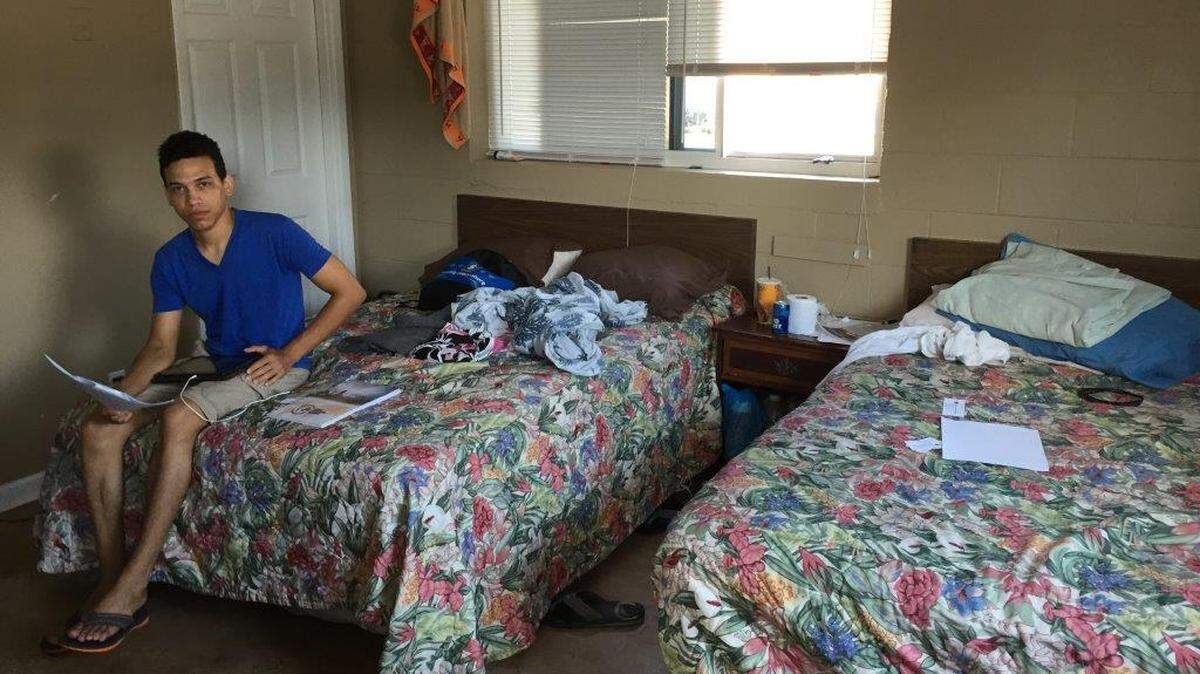
The defendants allegedly lied to foreign workers involved in the H-2B, B-2 and Q-1 visa program in terms of the jobs they’d have, the amount they’d be paid and their living conditions, while collecting from those seeking the visas.
The H-2B program allows for temporary work visas for foreign, non-agricultural, seasonal workers up to three consecutive years. A B-2 visa is temporary for reasons including tourism, vacation or medical treatment and does not permit users to lawfully work in the U.S. A Q-1 visa allows for work, but that work must promote intercultural engagement.
Instead of those promised cultural exchanges, Q-1 visa holders recruited by the defendants were placed “into inward facing housekeeping jobs, with no real opportunity for cultural exchange,” the indictment states.
The defendants each face up to 20 years in prison if convicted, while the government is also requesting the court order they forfeit all property derived from proceeds obtained via the alleged violations.
Rhett DeHart, acting U.S. Attorney in South Carolina, noted that they anticipate identifying many more victims, many of whom came from Jamaica and the Philippines. Victims were asked to come forward and speak to authorities via an email tip line, traffickingtips@state.gov.
Other alleged victims
While no alleged victims were named in the indictment, some former visa holders who workers for Grandeur Management have previously identified themselves in lawsuits and federal complaints.
The Southern Poverty Law Center filed a complaint with the U.S. Department of State in 2016 on behalf of a group of J-1 students from the Dominican Republic and Jamaica that were allegedly misled by their sponsor before being placed with Grandeur Management.
The federal indictment does not specifically allege fraud associated with the J-1 program, though the J-1 visa is defined in the court filing.
Nicolas Florentino, one of the Dominican students from the complaint, previously told The Sun News through a translator that he was promised at least 32 hours of work per week, but Grandeur sent him to do varying tasks at other hotels for no more than 30 hours each week, which meant he could not make enough money to cover the costs of the program and living in Myrtle Beach.
Gillian Gillers, a SPLC attorney who worked on the complaint, said the State Department never responded, and it’s concerning that they let these illegal acts continue for years despite evidence of abuse. The indictment is a step in the right direction, she added, but the students they represent still need to be compensated for the thousands of dollars they spent applying for the visas and traveling to America under false pretenses.
A pair of complaints alleging violations under the Trafficking Victims Protection Act were also filed against Grandeur and Younas in recent years.
Celeste Delfin and Noel Adia, both from the Philippines, filed separate suits in South Carolina and New York, respectively, alleging similar encounters with the Myrtle Beach company.
They were each already working legally on H-2B visas when they were recruited by Younas to come to South Carolina under the promise that he would put them to work and help them extend their visas, according to their complaints.
Both alleged they were never paid overtime despite working more than 40 hours per week and any attempt to bring up the issues resulted in threats against their immigration status.
Felix Vinluan, an attorney representing Adia who has also had contact with Delfin, wrote in an email that they all are “elated to know that the wheels of criminal justice have finally caught up with Mr. Younas.”
He noted that they had not yet read the indictment, but reached out the U.S. Attorney’s Office in South Carolina to offer their assistance if needed. Adia’s complaint was dismissed after an undisclosed settlement was reached, while Delfin’s remains active in U.S. District Court.
This story was originally published June 15, 2021 at 5:11 PM.