Will you see more copperhead snakes this season in South Carolina? Here’s what we know
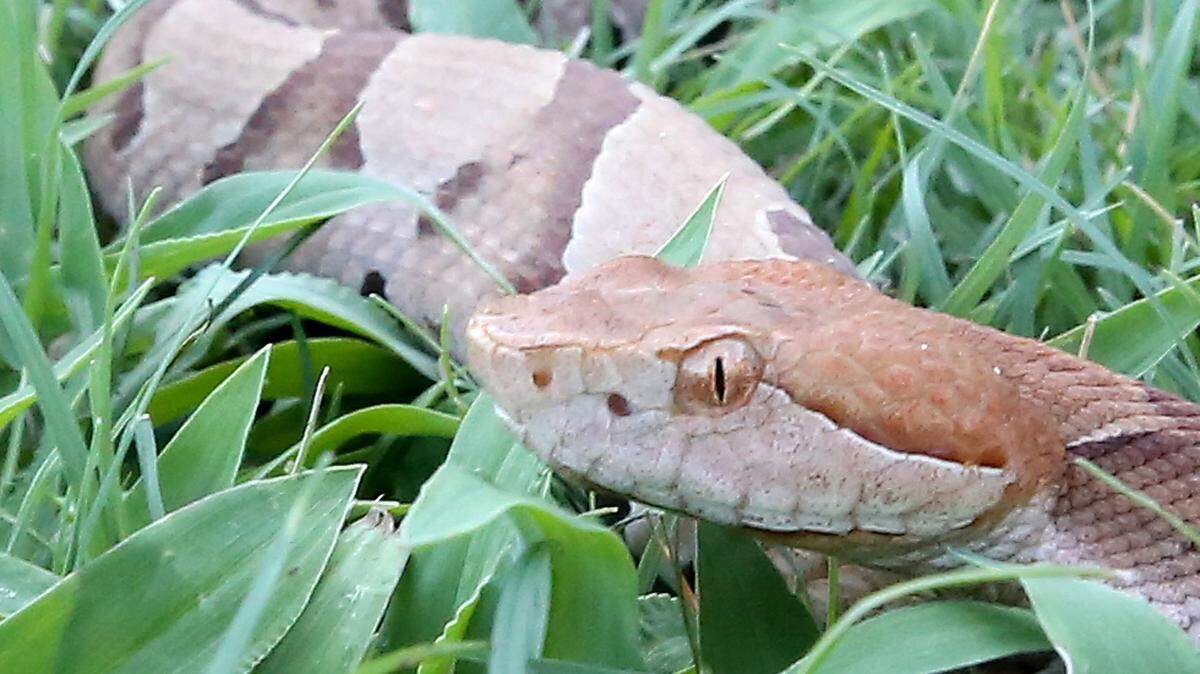
Copperheads are South Carolina’s most common venomous snake.
It’s possible to run into one while walking in a park or on a hiking trail in Horry County.
According to Todd Metz, owner and operator of Critter Control of Florence-Myrtle Beach, he and his team have started to see them already this season.
“We’re definitely starting to see an increase in all snake activity, with the warm weather and everything,” he said.
Typically the snakes hibernate during the winter months and reemerge in the spring and summer.
Metz said he hasn’t seen a large influx of copperheads in the Myrtle Beach or Florence areas yet this season.
“I haven’t seen any influx for any particular reason or anything,” he explained. “People might see some [snakes] in areas where they haven’t seen them before, if they just cleared the land next to their neighborhood, or something like that.”
Although copperheads eat cicadas, having more of the bugs around doesn’t necessarily correlate to higher numbers of snakes.
Usually baby copperheads eat cicadas, while the adult snakes focus on larger prey, Metz said.
This cicada season is expected to yield fewer insects in South Carolina compared to last year and other nearby states, said Eric Benson, Clemson University professor emeritus and extension entomologist.
The South Carolina Department of Natural Resources states in their venomous snake guide that copperheads also eat small rodents, frogs and lizards.
Metz encourages people who spot copperheads in their backyards to call an expert to remove them and not try to handle them on their own without proper training or tools.
“Most people will try to kill them,” he said. “They’re very beneficial to the environment, as far as helping to control rodent populations, and stuff like that.”
According to the Smithsonian’s National Zoo & Conservation Biology Institute, in the warm summer months, copperheads tend to be nocturnal, so you might see them out when the sun goes down.