
Copperheads out in force in parts of SC, snake catcher says. Here’s why and how to stay safe
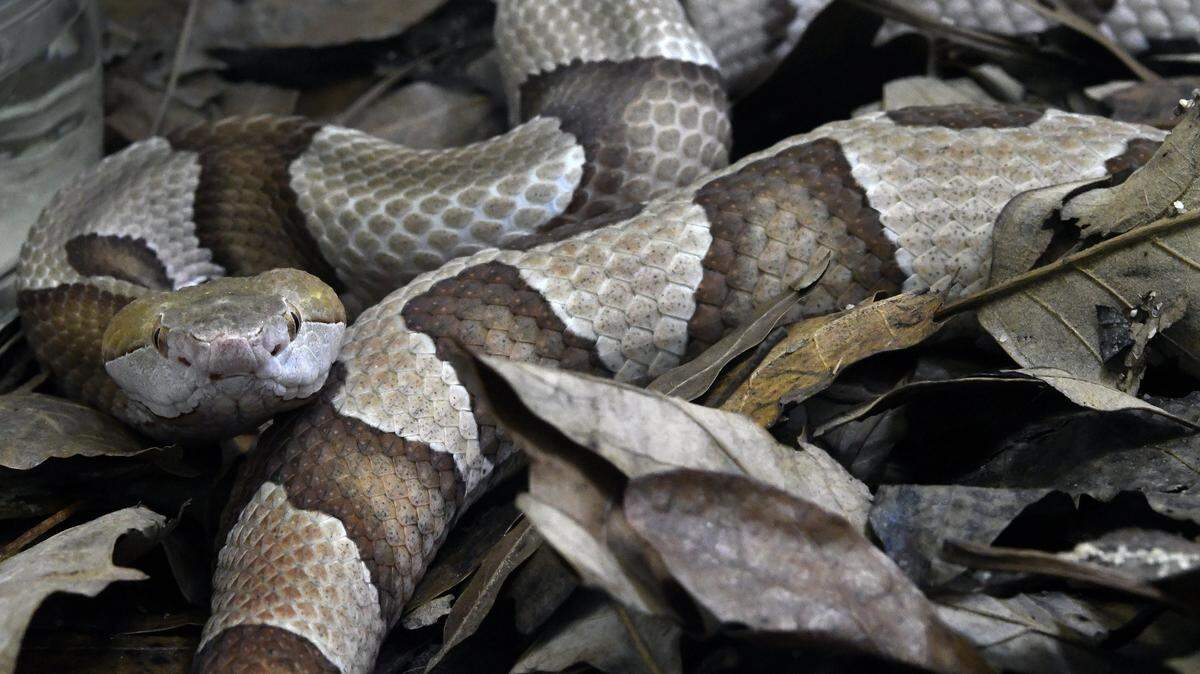
If you’re outdoorsy you might encounter a copperhead, South Carolina’s most common venomous snake, this summer. If you find yourself staring down one of these reptiles, here’s what you should know.
How to spot a copperhead
Copperheads get their name from the coppery color of their skin. Their bodies have distinctive brown markings sometimes likened to triangles.
“The bands are mostly hourglass-shaped, with the wider portions of the shape on either side of the snake’s body and the narrower part of the shape crossing the snake’s back over the tailbone,” according to the Smithsonian’s National Zoo and Conservation Biology Institute.
Young copperheads are also identifiable by yellow tips on their tails, but this fades within a few years.
When and where you might have an encounter
You’re most likely to have a run in with a copperhead during the summer, as they tend to hibernate over winter. According to the Smithsonian, in the warm summer months, copperheads tend to be nocturnal, so you might see them out when the sun goes down.
Russell “the Snake Chaser” Cavender of South Carolina says prey is also bringing copperheads out recently.
“It’s cicada season,” said Cavender, who has been catching snakes for 30 years. “The cicadas basically come out this time of year and it also draws large numbers of copperheads to certain locations, and also increases dogs getting bit, people getting bit.”
While the snakes prefer certain times of day, they’re less picky about terrain. Copperheads are found all over South Carolina in mountain coves, piedmont and coastal plain hardwood forests, longleaf pine forests and swamp forests, according to the South Carolina Department of Natural Resources.
Copperhead behavior
Although copperheads are venomous, they tend to avoid confrontations. Still, if a copperhead perceives danger, it may strike.
“Copperheads do not attack people — that’s just an old wives tale,” Cavender said. “But if you step on one, or you get very close to one and they feel threatened, they’re going to defend themselves, and they do that by biting and injecting venom.”
If you do get bitten, don’t panic but do seek immediate medical attention. While copperheads are responsible for many bites, encounters are rarely fatal. Treatment required depends on how much venom is injected.
“Sometimes you’ll get some venom, sometimes you’ll get no venom, which is called a dry bite, but then sometimes you can get an incredible dose of venom, which will put you in the hospital for a little while,” said Cavender.
Ways to stay safe
Looking for ways to minimize your chances of bites? Cavender recommends:
Wearing closed-toe shoes- Many copperhead bites happen after pedestrians accidentally step on or near snakes. To avoid venom, protect your feet.
Carry a flashlight- Since copperheads are most active during hours with lower visibility, watching where you’re walking is a must. Cavender says the snakes’ eyes are easy to spot because they glow under the beam of a flashlight.
Stay on paths and sidewalks-Even on a well-lit path, copperheads may be lurking in surrounding brush or under nearby rocks. To keep from surprising a snake and yourself, stay on designated paths.
Keep pets on leashes- Animals are curious and prone to investigation. To avoid a nasty bite to your pooch, keep them leashed and close to you.
Clear your yard- While copperheads make their homes in many different habitats, Cavender says they’re drawn to mulch and pine straw. Clearing away these potential nesting areas can help keep your yard copperhead-free.