
What is a king tide? SC coastal phenomenon that brings flooding explained
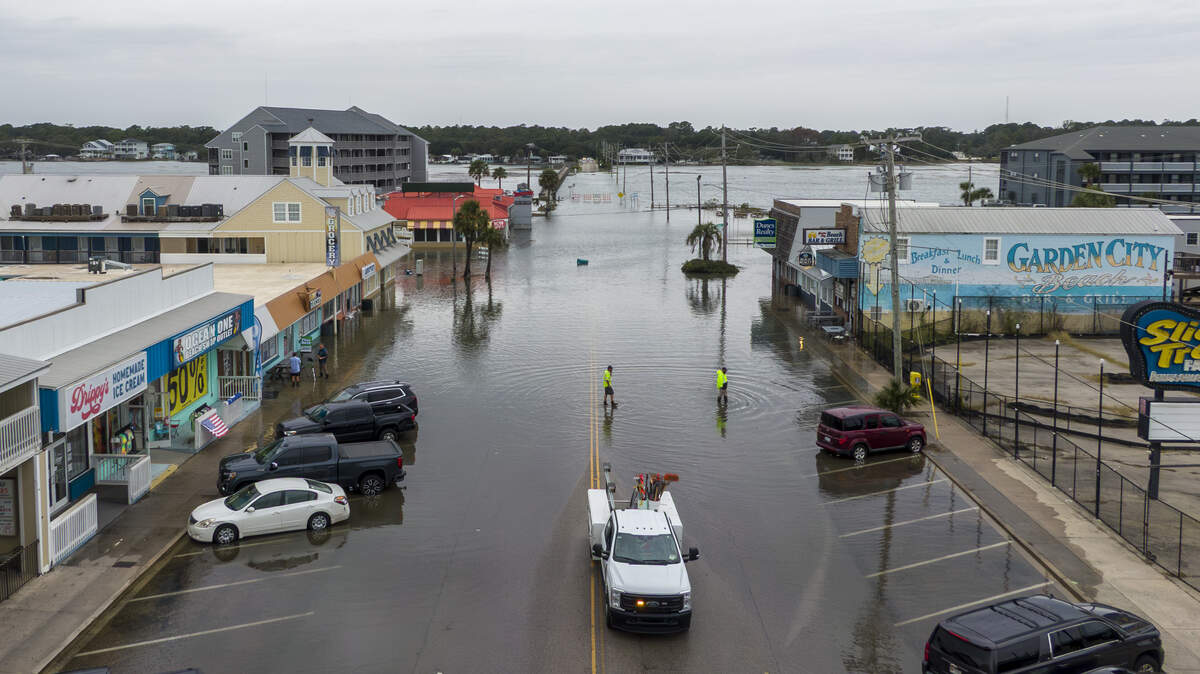
King tides push higher-than-normal water into low-lying Grand Strand neighborhoods several times a year, and their frequency is climbing along the South Carolina coast.
Here’s how the phenomenon works and what Horry County is doing about it.
- King tides — scientifically known as perigean spring tides — occur when the earth, moon and sun align during a new or full moon while the moon is at its closest point to Earth in its orbit.
- Impacts can range from nuisance flooding to damaging floods, with onshore winds and storms pushing high tides above 8 feet compared to a typical peak of about 5 feet.
- In the Myrtle Beach area, these unusually high tides are most common in the fall, when the moon’s orbit makes its closest approach to the earth.
- King tide flooding typically stays short of hurricane-level damage because storm-force winds aren’t piling water onshore the way they do during Atlantic weather systems.
- The National Oceanic and Atmospheric Administration predicts eight to 13 high tide flooding days between 2025 and 2026 at the Springmaid Pier gauge in Myrtle Beach — up from an average of two per year two decades ago.
- Sea level at Springmaid Pier has risen 0.75 feet between 1957 and 2025, with an additional 0.87 feet of rise predicted by 2050.
- Construction on the Garden City Streetscape project begins in September 2026 and will add catch basins, one-way valve outlet pipes, raised road elevations and pervious sidewalks to reduce high-tide flooding along Atlantic Avenue.
Read original story here: Horry coastal cities see rise of king tides | What are king tides? | Higher king tides arrive in Myrtle Beach area
The summary points above were compiled with the help of AI tools and edited by journalists. The source reporting referenced above was written and edited entirely by journalists.