Don’t expect much beach in Myrtle Beach area this week as higher king tides arrive
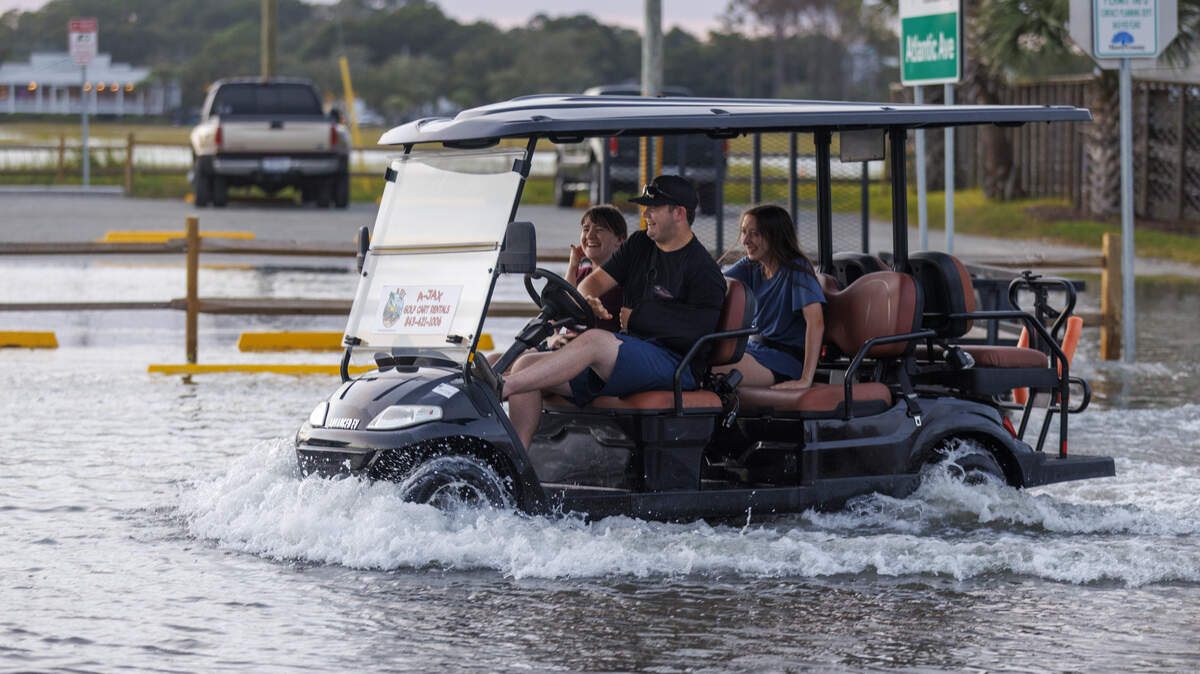
A king tide is bringing coastal flooding risks to the Myrtle Beach area this week as the full moon prepares to rise over the Grand Strand on Monday night.
The king tide, also called a perigean spring tide, occurs when the moon comes closest to the earth during a full or new moon, according to meteorologist Adam Weiner with the National Weather Service in Wilmington, North Carolina.
In the Myrtle Beach area, these unusually high tides are most common in the fall, when the moon’s orbit makes its closest approach to the earth, Weiner explained.
Flooding risks will be highest on Wednesday, when the moon is at its closest point to earth, and on Thursday, according to the National Oceanic and Atmospheric Administration.
In the North Myrtle Beach area, some streets showed early signs of flooding, with water slicking some roads near Garden City over the weekend. Low-lying, coastal areas are at the greatest risk for flooding, but king tide flooding isn’t expected to reach the magnitude of flooding experienced during storm surge from Atlantic weather systems.
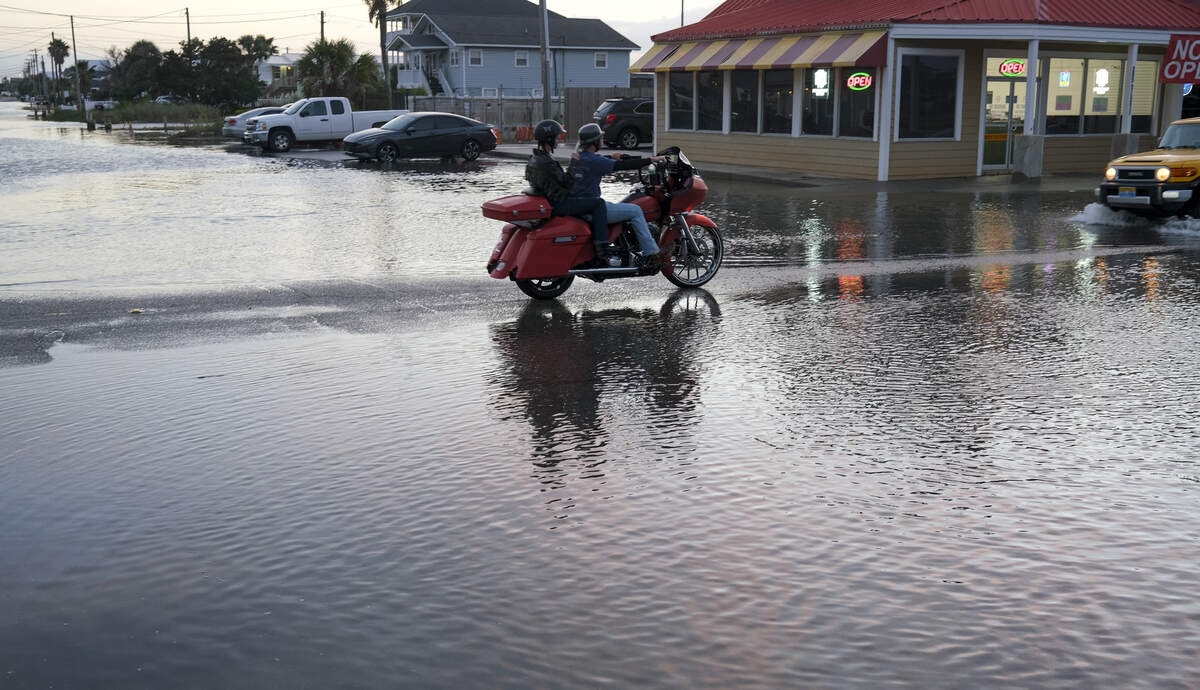
The three forces that cause extreme storm surge flooding during weather events like hurricanes are wind speed, wind duration and tide timing, Weiner explained. During a normal king tide, storm-force winds are not piling water on shore the way they would if a high tide or king tide coincided with a strong storm.
But ocean water could still come a bit too close for comfort in some low-lying areas.
There is no scientific criteria for what makes a high tide a king tide, and “king tide” is not a scientific term, Weiner explained. Rather, they are just tides that are notably higher than usual.
While this week’s king tide means the ocean might be climbing higher on the sand, the NWS doesn’t anticipate the higher waters tearing through the dunes or causing extensive damage. Flooding is likely to range from a small “coating” of water to several inches, Weiner said.

Following the king tide, the Grand Strand can expect a more subdued tide cycle called a neap tide. Neap tides occur seven days after a spring tide, when the sun and moon are at right angles to one another and cause a period of “moderate tides,” according to NOAA. This means that high tides will be slightly lower than usual, and low tides will be slightly higher than usual.
Neap tides occur during first and third quarter moons, when the moon looks “half full.”
This story was originally published October 7, 2025 at 6:00 AM.