
Rapid development worsening drought impacts, costing Horry residents more for water
Grand Strand Water and Sewer Authority, Horry County’s main water utility supply, implemented its first drought management plan in the company’s history during severe drought conditions.
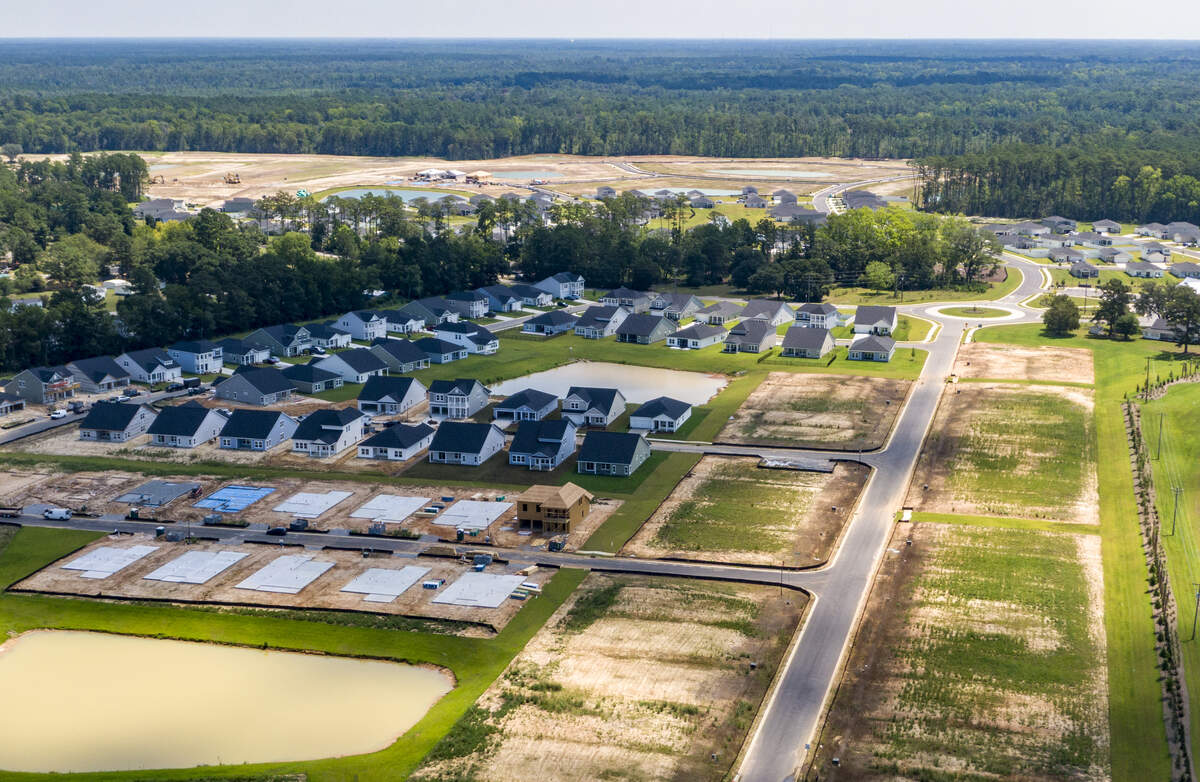
But the drought is not the only reason the plan was implemented. Increasing housing developments have put a strain on irrigation demand, and Horry County residents could see a higher water bill while the drought management plan is in place.
“As communities have been developed, there are irrigation systems installed, so now you have a large population that’s irrigating,” Grand Strand Water CEO Christy Holder said. “Irrigation is a very heavy demand on the system, with an instantaneous demand.”
According to Horry County’s Imagine 2040 land use plan, the county’s population is projected to reach 580,000 by 2040. Additional residential subdivisions are rapidly being built to meet projected growth demands.
The implementation of the drought management plan on July 1 means GSWSA customers will begin paying an excess water usage charge after the first 6,000 gallons used instead of the normal 8,000 gallon threshold. Holder said if drought conditions continue to worsen, the threshold could be lowered to 5,000 gallons.
Customers will pay $1.59 per 1,000 gallons for the first 6,000 gallons of use, The Sun News previously reported. After that, the next 1,000 gallons, up to 7,000, will incur a rate of $1.75 and $1.92 usage rate for up to 8,000 gallons. Prices will continue to increase with greater water usage.
This year’s drought is not the first time residents have experienced severe conditions. Horry County experienced its worst drought periods in 2002, 2007 and 2012 since the utility’s founding in the early 1970s, according to federal drought data.
“No locations in South Carolina have reached extreme drought status since February 2009. However, there are concerns parts of South Carolina may reach the extreme drought status this summer with the persistent pattern of below-normal rainfall and extreme heat,” a release from the South Carolina Department of Natural Resources said.
The National Weather Service Climate Prediction Center’s seasonal drought outlook predicts the area’s drought will remain but improve through September.
Is the drought management plan working?
A week after implementation of the plan, Holder said Grand Strand Water has seen a reduction in usage during peak irrigation hours, but only minor. The biggest reduction occurred Wednesday, a day after heavy rainfall in parts of the county. However, Holder said it's typical to see a reduction in usage after rainfall anyway.
Grand Strand Water continues to encourage customers to practice its Smart Irrigation Program as drought conditions continue.
- Skip irrigating on Mondays to help reduce peak system demand and allow the water system to recover after the weekend.
- Water based on your house number. Odd numbers should limit irrigation to Tuesday, Thursday and Saturday. Even numbers should limit irrigation to Wednesday, Friday and Sunday.
- Avoid watering between 6 and 9 a.m. Watering during these hours places additional demand on the water system when customers are using water for showers, cooking and other daily activities.
Residents living in Myrtle Beach city limits will not be affected by the drought management plan since the city is a wholesale customer of Grand Strand Water, but it’s still encouraged to limit non-essential water usage. The City of North Myrtle Beach asked residents to voluntarily reduce water usage beginning in June.