These 5 insects expected to bug Myrtle Beach area earlier, longer this summer
As the warmer weather has ramped up a bit earlier this year in Horry County, so have summer’s bloodsuckers: mosquitoes.
And with Myrtle Beach ranked as one of the worst cities in the country for the insects, officials are already warning residents to be prepared for a buggy season.
Horry County government announced on its Facebook page that it will begin spraying Monday for mosquitoes at all county parks, recreation centers and boat landings. Other municipalities also plan for spraying to control the insects in the upcoming months.
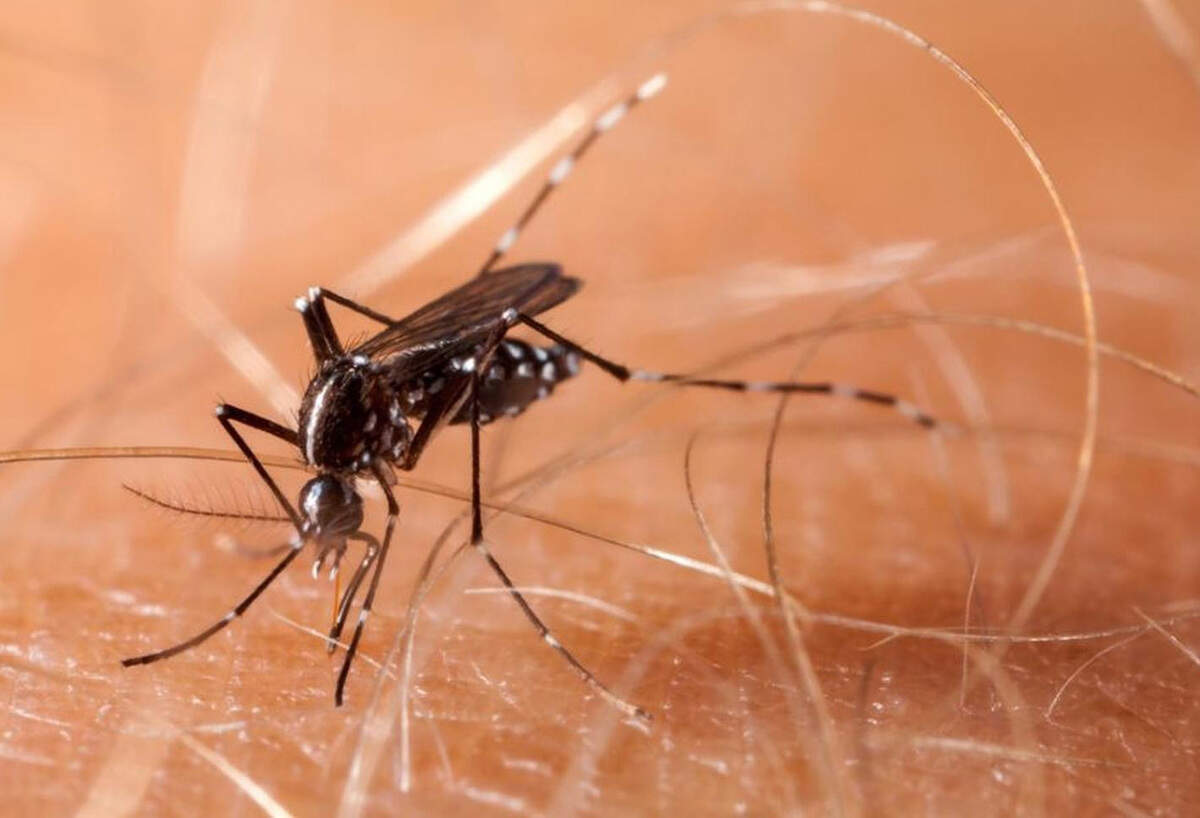
Mosquito season usually happens from late spring through early fall, with peak activity during July and August. However, this year’s season is expected to start earlier and last longer than previous years, according to the South Carolina Department of Public Health.
In addition, the National Weather Service has predicted above-average temperatures this spring for South Carolina, including Horry County, in its Seasonal Temperature Outlook.
The area saw a winter marked by plunging temperatures and unusual precipitation patterns, which will create conditions for an active pest season, according to the National Pest Management Association. The organization’s forecast predicts pests could emerge sooner and in greater numbers across the country.
So, if you haven’t already, now is a good time to stock up on bug repellent if you’re planning to spend time outdoors.
Myrtle Beach among worst cities for mosquitoes
Myrtle Beach was ranked among Orkin’s Top 50 Mosquito Cities, making it one of the most mosquito-infested areas in the country for 2025. It came in at No. 48.
But it’s not only mosquitoes that the Myrtle Beach area has to worry about.
Because of the warmer weather and the potential for a wet spring, activity will increase in the southeast U.S., which includes South Carolina, North Carolina, Georgia, Alabama and Florida, for termites and ants earlier than prior years, according to the National Pest Management’s Bug Barometer.
Summer also will increase flies and cockroaches, the report said.
How to avoid pests at home
Mosquitoes bite during the day and night. State officials suggest wearing protective clothing and repellent whenever you are outdoors.
The state Department of Health and National Pest Management Association offered these tips to reduce the risk of pests and mosquito bites:
- Seal entry points. Inspect your home’s exterior for cracks and gaps around windows, doors, pipes and foundations and seal with caulk or weatherstripping.
- Eliminate standing water. Regularly empty birdbaths, gutters, toys, kiddie pools, flower pots and other containers around your property.
- Maintain property. Clean out debris from ditches, drains and gutters. Keep grass cut low and trimmed, or remove overgrown plants where pests can hide.
- Spray property. Treat items that can’t be drained or emptied with appropriate mosquito control products.