
These 8 bugs are out in force around Myrtle Beach, SC: Expert tips to protect your home
With warm temperatures and sunny days, Grand Strand locals and spring visitors alike are taking advantage of beautiful weather in the Myrtle Beach area.
But with the change in weather comes an unfortunate influx of six and eight-legged pests that bite, sting and might make themselves at home in your house or yard.
“Everything is active right now,” Todd Metz, owner of Critter Control in Myrtle Beach said of Grand Strand bugs.
For expert tips, The Sun News spoke to Metz about what to watch out for and how to protect your family, pets and property. Here’s what you should know.
Mosquitoes
Among the smallest and most dreaded South Carolina wildlife, mosquitoes rarely create serious issues but can drive you nuts with their itchy bites.
“One of the major things is to eliminate water sources around your property,” Metz said. “Turn over flower pots, buckets, kids’ toys, anything that has standing water, mosquitoes can lay their larvae. That’s just gonna give them more areas to hatch from.”
Metz also recommends cutting back undergrowth around your yard, which makes for appealing roosting ground for mosquitoes.
If the problem persists, you can hire a professional to chemically “fog” your property periodically, or try over-the-counter products to kill mosquitoes.
“They’re not going to be 100% effective, but anything you can do to keep the population in check is going to help,” Metz said.

Fruit flies
Whether they enter your home on fruit you’ve bought or come in to find fruit already in your kitchen, if these little bugs invade your kitchen, they quickly multiply. Luckily, Metz recommends a cheap and easy trick to eliminate fruit flies.
“They can get really pesky, but you can make a simple trap with a soda bottle by cutting the top off of it, making a funnel and then putting apple cider vinegar in the bottom of it, and that will attract them,” Metz said.
Ensure that the hole in the center of your paper funnel is big enough for the fruit flies to get in, but not so large that it makes a convenient exit.
Parasites
The warm season brings an unfortunate spike in blood-sucking fleas and ticks. Fleas are primarily an issue for pets and their owners, but ticks latch on to just about any blood source.
“This time of the year, we start to see an influx of those as well, and they’re usually brought in by other animals visiting your property, like rats and possums under your crawl space,” Metz said.
According to Metz, pest control professionals can help chemically protect your home and yard from fleas and ticks.
Tick and flea treatments are essential for pets that go outdoors, and the Centers for Disease Control recommends checking them for ticks daily.
To avoid ticks, the United States Forest Service recommends avoiding areas with high grass and leaf litter, treating clothes and gear with products containing permethrin and using repellent with at least 20% DEET, picaridin or IR3535 on skin.
Once you get home, the Forest Service advises checking yourself and children for ticks, showering as soon as possible and tumble-drying clothes on high heat for 10 minutes.
Spiders
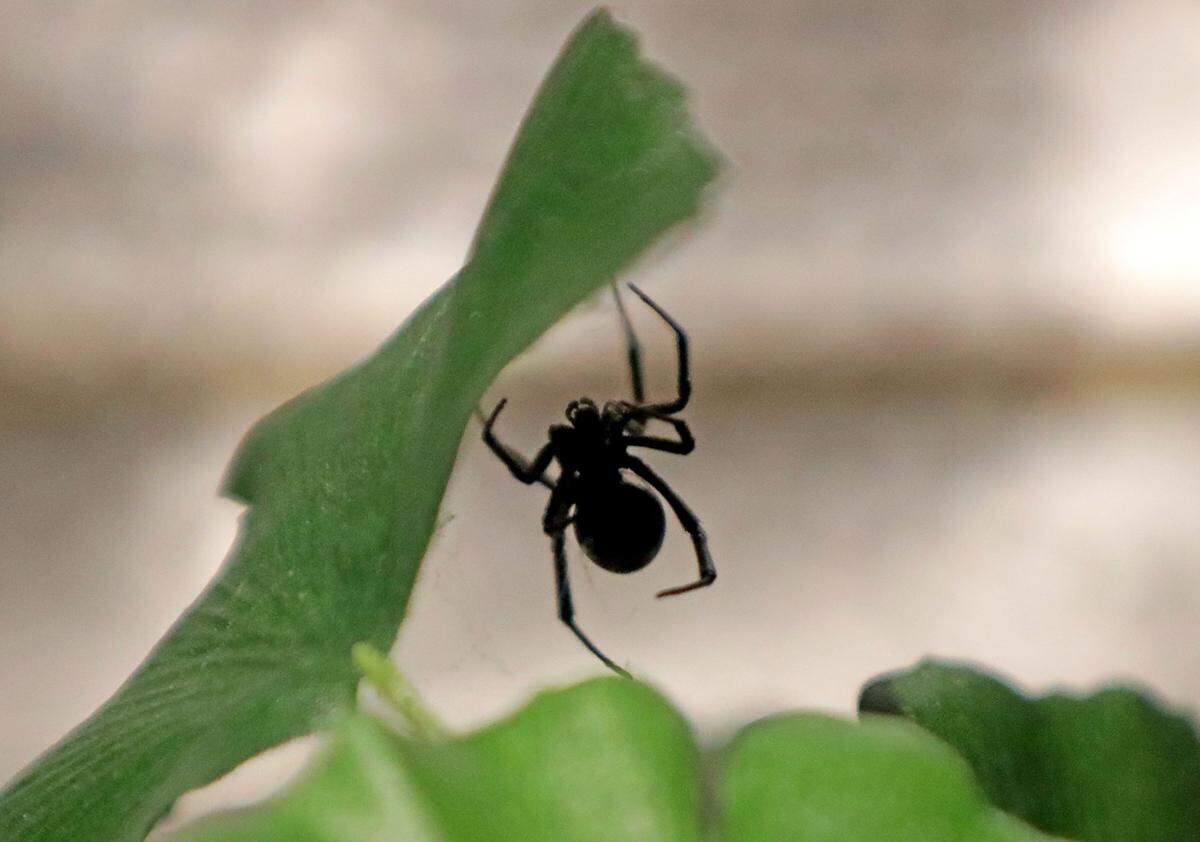
Newly-hatched spiderlings and an abundance of other insects to eat means folks start to see more spiders this time of year in the Grand Strand, according to Metz.
Ensuring your home is well-sealed, including cracks around your home’s foundation, holes in screens and gaps in doors and windows, can help keep the crawling creatures out. To eliminate food sources enticing to spiders, Metz recommends treating your home to keep other insects away.
Outdoors, it’s a good idea to keep an eye out for black widows. While the venomous spiders aren’t frequent house guests, Metz says they settle into dark outdoor spots like piles of rubble, cinder blocks and firewood.
Fire ants
These little insects pack a pretty painful bite that can be a nasty surprise if you’re not watching where you’re walking.
“You’ll start to see more fire ant mounds now,” Metz said. “People have to be very aware of those when they’re out gardening or just doing whatever in their yard.”
He recommends spot-treating fire ant mounds with over-the-counter products or, if mounds are popping up all over your lawn, seeking professional help to spray the entire yard.
Wasps
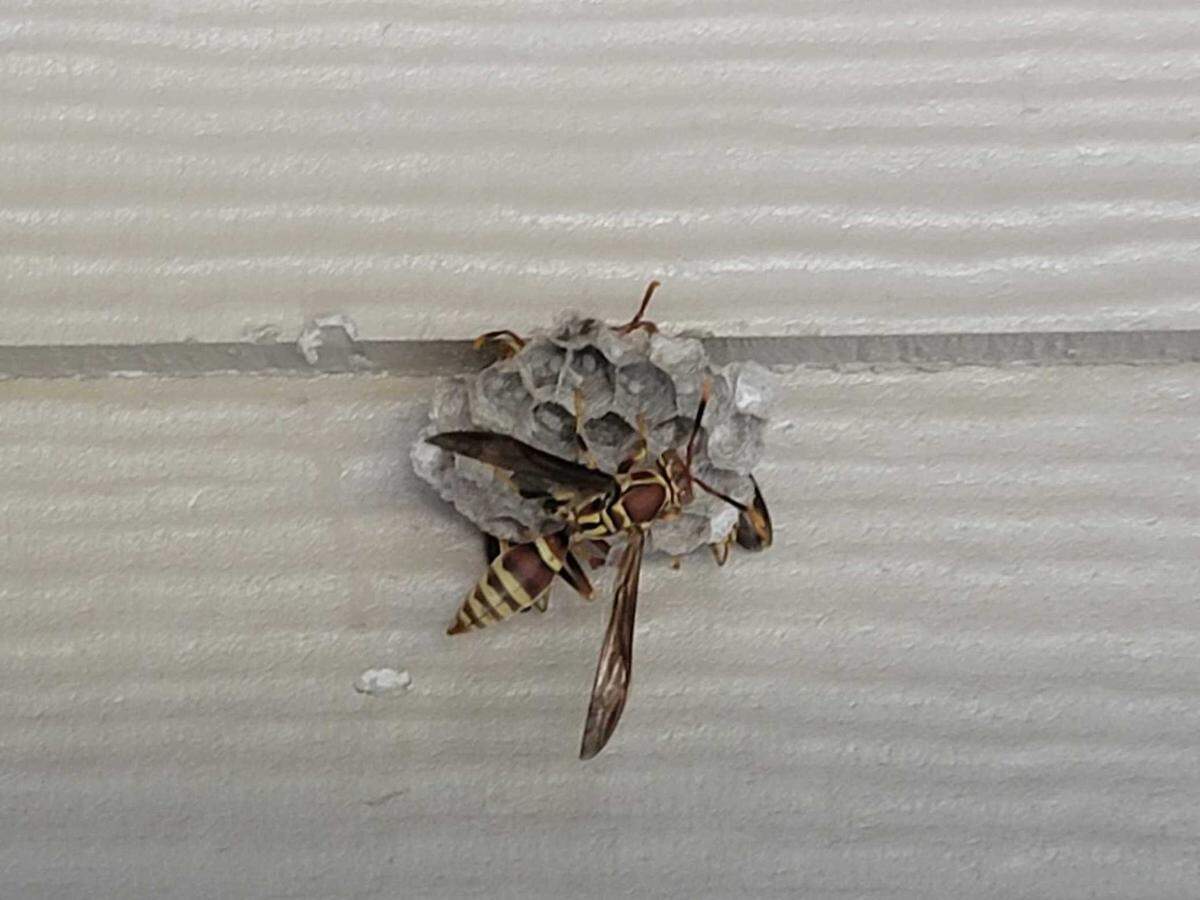
Whether you’re in a house or a complex, there’s a good chance stinging insects are out around your Grand Strand home in the warm season. According to Metz, carpenter bees, honey bees and wasps are all out around South Carolina.
If you notice a wasp nest around your home, Metz recommends spraying the nest with an insecticide to kill the insects. After you’ve treated the nest, you can use a broom or similar tool to knock it down.
Carpenter bees
Carpenter bees are effective pollinators and, while the females can sting, they’re rarely aggressive. However, if the insects are burrowing into your home, there are some steps you can take.
Painting or staining wood can help protect it from carpenter bees, as they prefer untreated wood. You can also try hanging a log in a tree with the flat side down to offer an appealing nesting alternative to your house.
If you’re absolutely set on getting rid of carpenter bees, Metz advises dusting the holes they bore with insecticide and plugging them up, or using commercially available traps.
Honey bees
Honey bees are also out this time of year. As hives grow, they sometimes split off in search of a new hive. Folks sometimes temporarily see these “swarms” in their yards while the insects search for a new home.
You can call a local chapter of the South Carolina Beekeepers’ Association to remove the swarm from your property, but the swarm will probably move soon anyway.
“Obviously, we want to protect those,” said Metz. “I usually tell the folks, ‘Give it a day. They’ll be gone tomorrow.’”
This story was originally published May 10, 2025 at 6:00 AM.