‘All hell broke out’: 911 call details Scott Spivey shooting by ‘guys in white truck’
A 911 call from a witness who saw the shooting of a North Carolina man, along with an officer’s body cam footage showing the body of Scott Spivey in his truck along a Horry County road, brought tears from the victim’s family as they listened.
Weldon Boyd, the owner of Buoys on the Boulevard in North Myrtle Beach, and his friend, Kenneth “Bradley” Williams, appeared Wednesday in a Horry County courtroom for the second day of a hearing to determine whether they will once again be granted immunity under South Carolina’s Stand Your Ground law for shooting and killing Scott Spivey nearly three years ago.
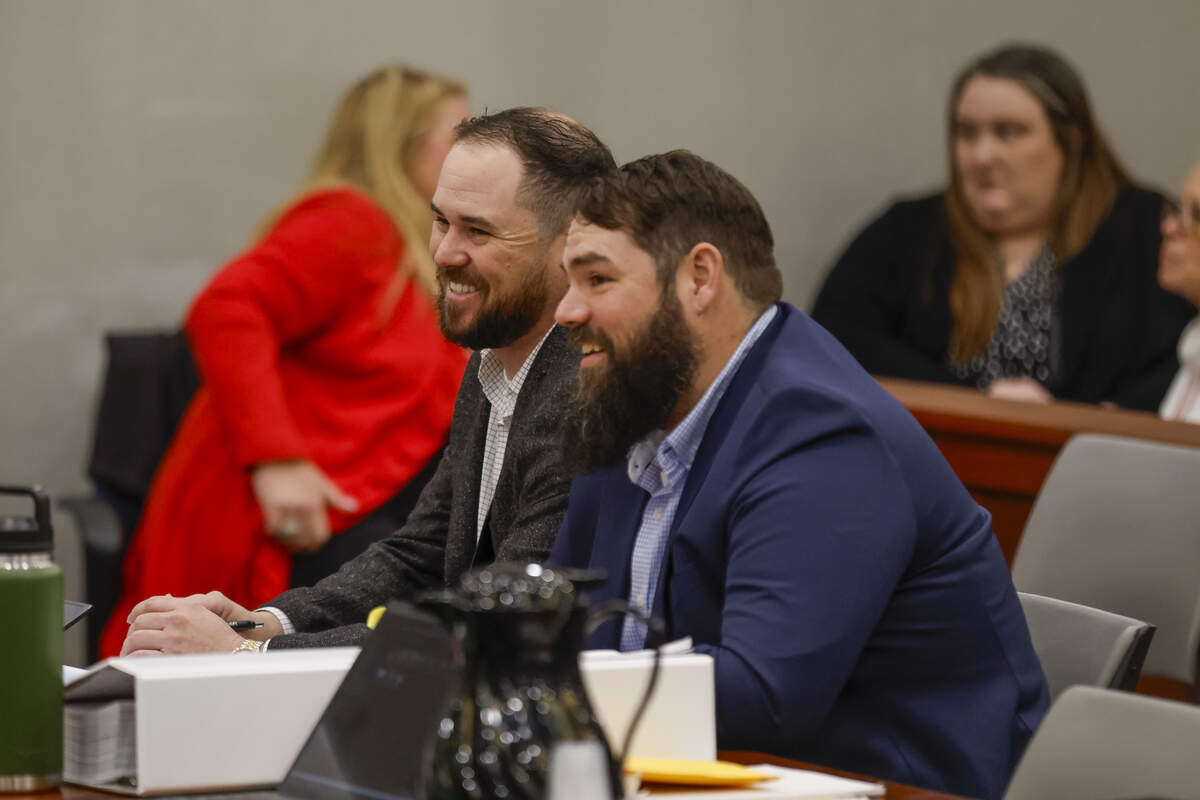
Frank McMurrough, who was driving from Virginia to Myrtle Beach, has become a crucial witness for both sides as they try present evidence to Judge Eugene Griffith Jr. during the hearing.
McMurrough told dispatchers and police that he was passing by a black truck that had stopped in the road and saw the driver get out with a gun and yell at the white truck, “You better stop following me, boy.”
The driver of the black truck then moved his arm and “they unloaded on the truck,” McMurrough said in the 911 call.
McMurrough’s testimony was followed by body cam footage from Horry County Police Officer Kerry Higgs, who was first on the scene of the shooting, showing Spivey dead in his truck, his body slumped over the console.
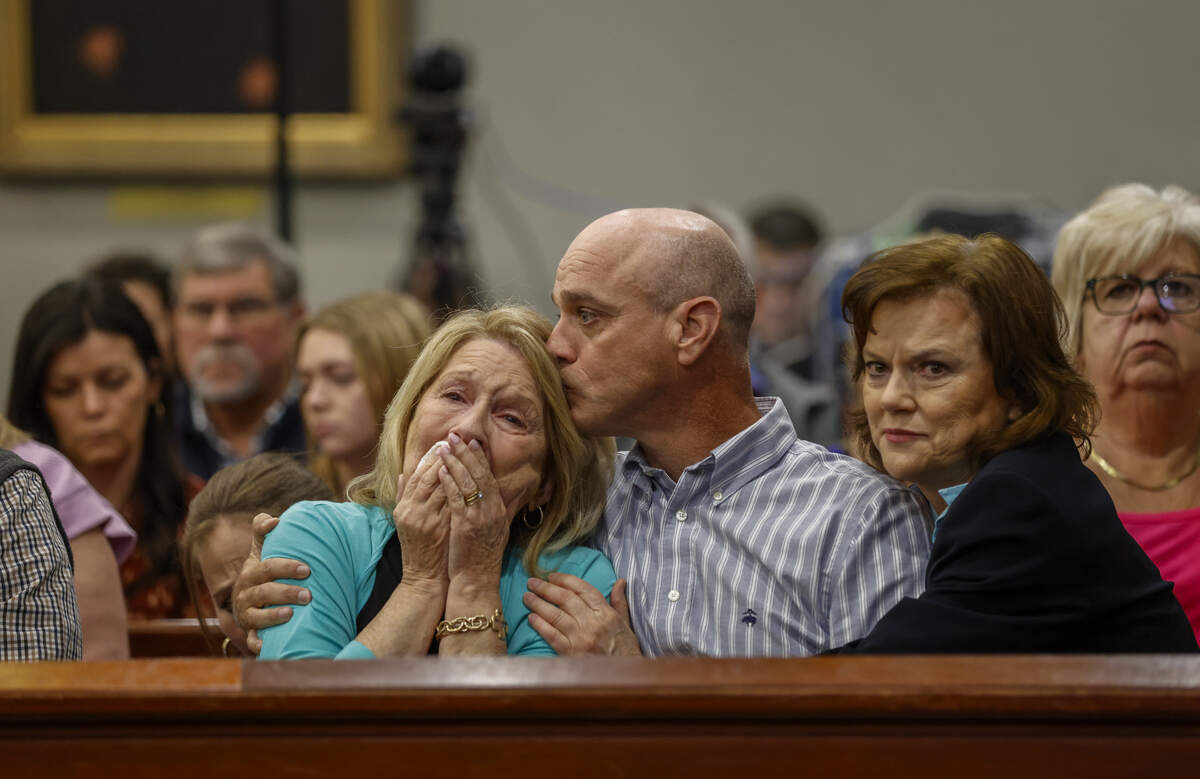
Jennifer Foley, Spivey’s sister and her mother, Deborah Spivey, cried as the evidence was presented.
McMurrough himself began to cry during a videotaped deposition on Dec. 1, 2025, as he told attorneys what he saw that day on Sept. 9, 2023.
“I’ve tried to block this out as much as I can,” McMurrough said during the taped deposition. McMurrough did not appear in person to testify.
Boyd and Williams are facing a wrongful death lawsuit filed by the family of Spivey. The suit claims that the men pursued Spivey for nine miles before fatally wounding him in a hail of gunfire along the side of Camp Swamp Road in the Longs area.
The two men have not been charged criminally after the state Attorney General’s Office determined their actions were self-defense under South Carolina’s Stand Your Ground law.
The hearing that began Tuesday in front of Judge Eugene Griffith Jr. will decide whether the civil case can move forward or whether the two men will be immune civilly for the fatal shooting of the 33-year-old Tabor City, North Carolina, man.
Witness says ‘all hell broke out’
During his taped deposition, McMurrough said his police statement was not consistent with what he remembered about that day. He said he didn’t see Spivey point his weapon at the white truck, but did see Spivey with a gun by his side, and “all hell broke out.” McMurrough said he doesn’t know who shot first, adding later that Spivey wasn’t “intimidating” or “overly aggressive.”
Several witnesses travelling along Highway 9 where Spivey and Boyd first encountered one another testified Tuesday that they saw Spivey driving erratically, waving his gun outside his truck window before the shooting occurred. Williams has told police that Spivey also pointed his gun at him.
The two men followed Spivey until he pulled off onto Camp Swamp Road, where Boyd and Williams claim he got out of his truck and shot at them before they returned fire. Spivey was found dead from a gunshot wound in his vehicle.
McMurrough testified that as he passed the white truck, he saw the driver, later identified as Boyd, with his gun drawn, pointing it at the black truck. “When I got past them, I hear gun shots,” McMurrough said.
From his side mirror, Spivey looked as if he was getting hit by “paintballs,” said McMurrough, who then began to make jerking motions to demonstrate how Spivey was moving.
“I didn’t get nervous until I saw the gun in the white truck,” McMurrough said.
McMurrough has been reluctant to meet with attorneys and provide his deposition. When asked if he would testify in the trial, McMurrough replied, “I’d like to do everything in my power to not have to be involved in this after this day.”
When asked why, McMurrough said he didn’t like that the police were involved, and, “When you guys explained to me how (Boyd) was just a good guy driving nine miles trying to make 911 calls, and I got more information and more narratives from Weldon Boyd’s team, and it didn’t make me feel okay, and I didn’t like it.”
McMurrough said he felt like he was being “coached” and that he was told that Weldon “was just trying to be a good citizen.”
“Why does that matter,” McMurrough said.
Police policies questioned
The defense called Higgs, who was the first officer on the scene, and showed video footage taken from his body cam.
After Higgs arrives, Boyd excitedly runs up to the officer and begins to tell Higgs that Spivey ran him off the road and shot at them first. “I tried to back up and get away,” Boyd said. “This is self-defense, man.”
Higgs was questioned about securing the scene and taking photos of evidence, including inside Spivey’s truck.
Foley and her mother began to openly weep as the video showed Higgs poking Spivey to make sure he was dead and taking photos of his body.
Mark Tinsley, attorney for the Spivey family, questioned Higgs about HCPD policy violations that occurred on scene and the failure to separate Boyd and Williams from each other and other witnesses for about an hour after the shooting.
HCPD have been accused of mishandling evidence during the investigation into Spivey’s shooting.
Did medication cause Spivey, Boyd to act irrationally?
Ken Moss, attorney for Weldon Boyd, called a professor of pharmacology and toxicology to discuss the possible usage of steroids by Spivey despite the fact none were found in his system.
Ken Soderstrom, who teaches at the Brody School of Medicine at East Carolina University, said witness statements of Spivey’s actions along Highway 9 “jumped out at me.” The “road rage” of Spivey – driving aggressively and behavior inhibition – is consistent with alcohol and long-term use of anabolic steroids. Spivey’s abuse of the substances “significantly contributed to the events that ultimately led to his death,” according to Soderstrom’s report.
The autopsy of Spivey found coronary artery blockage from cardiac plaque and mild liver toxicity, which also is consistent with anabolic steroid use, Soderstrom said. It’s also unusual for a “young man,” he said.
However, the report said that no anabolic steroids were found in Spivey’s system.
HCPD found a plastic bag of 26 blue pills in Spivey’s truck that were later determined after testing to be abused anabolic steroids called methandienone.
Spivey’s family does have a history of cardiac issues, which Soderstrom said could also contribute to what was found in the autopsy.
Natasha Hanna, attorney for the Spivey family, questioned Soderstrom’s analysis, pointing out that the professor looked at “little evidence” and was being paid by Moss for his testimony. Soderstrom confirmed that he never treated a patient or conducted a forensic test.
Soderstrom admitted that he assumed the pills found in Spivey’s truck belonged to him. However, Hanna said that Boyd went up to Spivey’s truck unsupervised two times before police arrived.
It was revealed that Boyd is taking medication for anxiety, and he later identified in text messages that he was getting blood work for a prescription for lithium, which is used to treat and prevent episodes of mania in people with bipolar disorder.
Through questioning by Hanna, Soderstrom said the medication Boyd is taking could cause emotional issues similar to those of Spivey.
This story was originally published February 18, 2026 at 1:58 PM.