
Live Updates: Stand Your Ground hearing in Scott Spivey shooting death continues
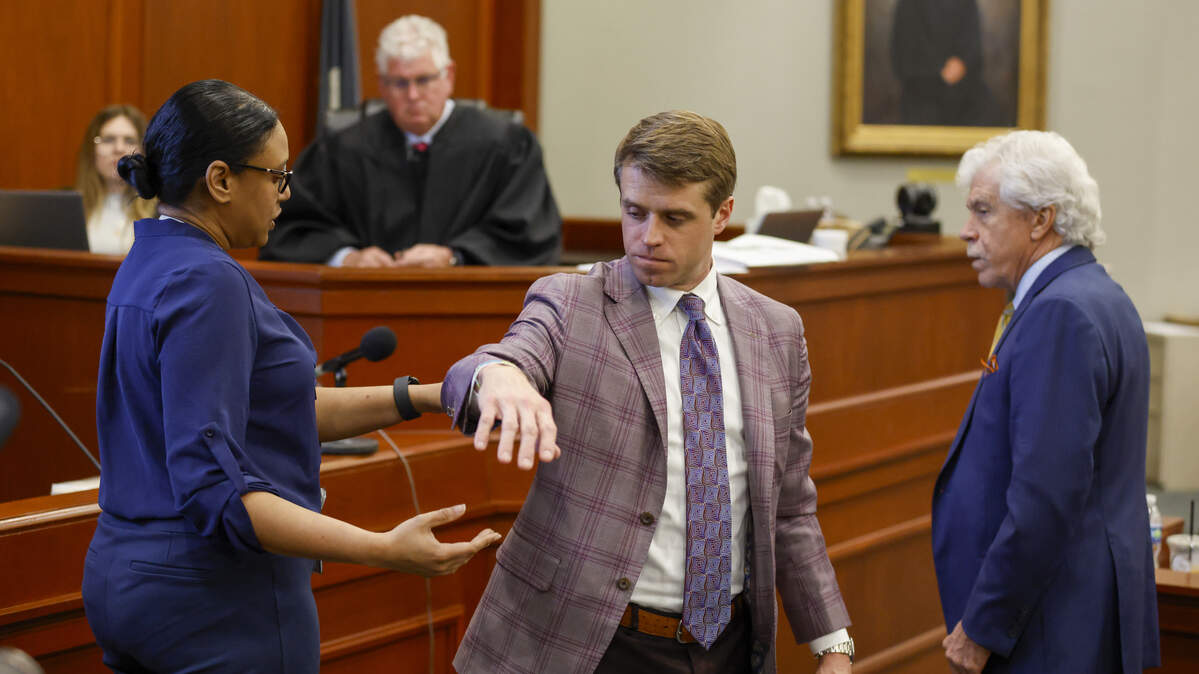
A highly anticipated court hearing that will determine whether a North Myrtle Beach businessman and his friend receive immunity for their role in a fatal 2023 shooting is in its second day
The Stand Your Ground hearing, which began Tuesday in Horry County, is expected to conclude by Friday with Judge Eugene Griffith Jr. responsible for determining whether either or both of the men qualify under South Carolina’s self-defense law.
Day one focused primarily on whether Weldon Boyd, owner of Buoys on the Boulevard, and Bradley Williams “chased” Scott Spivey for several miles before fatally shooting the North Carolina man in a road rage incident.
The hearing is part of a civil case filed by Spivey’s family alleging wrongful death, but if Judge Griffith determines Boyd’s and Williams’ actions qualify under Stand Your Ground, they will be immune from both civil and criminal responsibility. Law enforcement has already declined to prosecute the men under the belief they acted in self-defense.
Blue pills found in Spivey’s truck, Boyd also on medication
(Updated 5:24 p.m.)
Ken Moss, attorney for Weldon Boyd, called a professor of pharmacology and toxicology to discuss the possible usage of steroids by Spivey despite the fact none were found in his system.
Ken Soderstrom, who teaches in the Brody School of Medicine at East Carolina University, said witness statements of Spivey’s actions along Highway 9 “jumped out at me.” The “road rage” of Spivey – driving aggressively and behavior inhibition – is consistent with alcohol and long-term use of anabolic steroids.
The autopsy of Spivey found coronary artery blockage from cardiac plaque and mild liver toxicity, which also is consistent with anabolic steroid use, Soderstrom said. It’s also unusual for a “young man,” he said.
HCPD found a plastic bag of 26 blue pills in Spivey’s truck that were later to be determined after testing to be abused anabolic steroids called methandienone.
Spivey’s family does have a history of cardiac issues, which Soderstrom said could also contribute to what was found in the autopsy.
Natasha Hanna, attorney for the Spivey family, questioned Soderstrom’s analysis, pointing out that the professor looked at “little evidence” and was being paid by Moss for his testimony.
It was revealed that Boyd is taking medication for anxiety and identified in text messages that he was getting blood work for a prescription for lithium, which is used to treat and prevent episodes of mania in people with bipolar disorder.
Through questioning by Hanna, Soderstrom said that the medication that Boyd is taking could cause emotional issues similar to those of Spivey.
The court adjourned until 9 a.m. Friday.
How did Spivey die?
(Updated 3:19 p.m.)
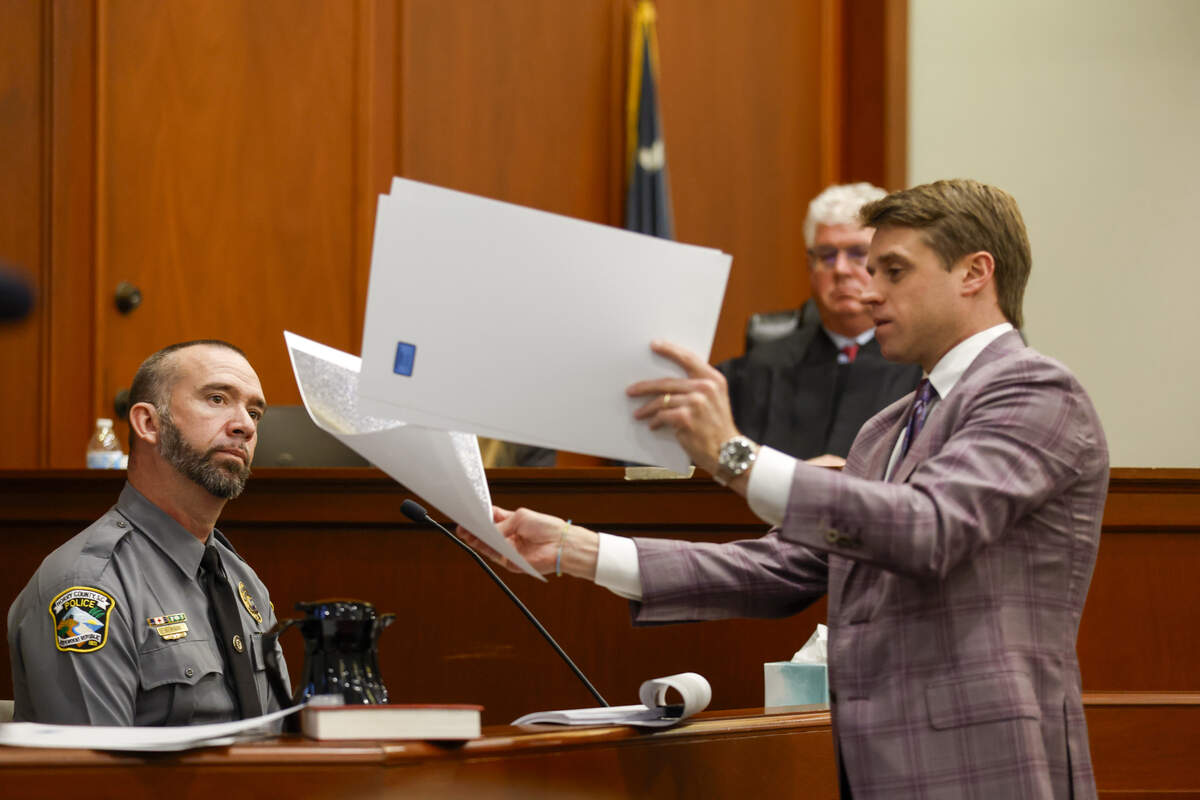
When court resumed Wednesday afternoon, the defense called pathologist Angelina Phillips, of Medical University of South Carolina, who performed an autopsy on Spivey. She determined his cause of death as a gunshot wound to the right side of his back.
The defense then began showing a video deposition of Justin Bower, a forensic toxicology expert, who performed tests on Spivey’s blood on behalf of MUSC. He said Spivey’s blood showed elevated levels of ethanol, which would be present from alcohol, and testosterone, but no proof of anabolic steroid usage. Judge Griffith called for a brief break during the video deposition because he was feeling overheated in the courtroom.
Body cam footage shows shooting scene
(Updated 12:51 p.m.)
The defense next called Horry County Police Officer Kerry Higgs to testify. Higgs was the first law enforcement officer to arrive at the scene of the shooting on Camp Swamp Road. After a few questions about his initial response to the scene, attorneys began showing Higgs’ body camera footage from the scene.
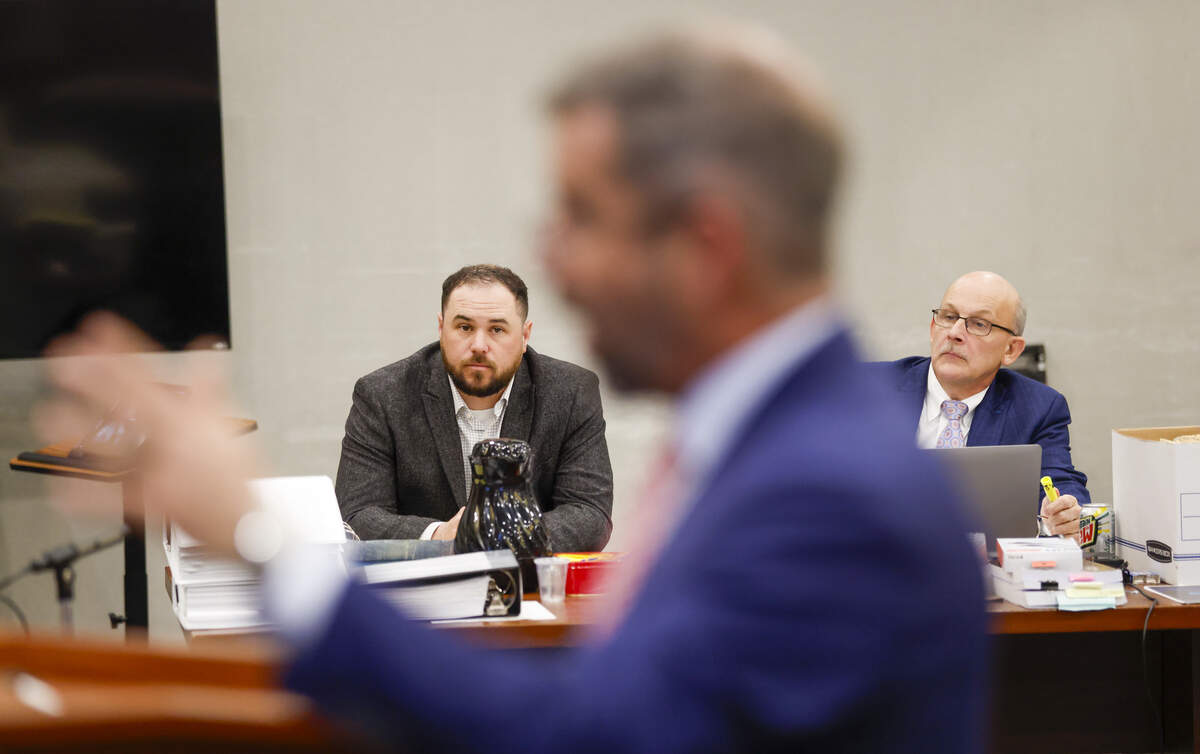
The footage showed a few interactions with Boyd telling Higgs that Spivey shot first, and he was acting in self-defense while Higgs secured the scene and took photos. Tinsley questioned Higgs about HCPD policy violations that occurred on scene, including a failure to separate Boyd and Williams for about an hour, which Higgs confirmed. Two HCPD employees lost their jobs related to the Camp Swamp Road shooting investigation, and the department is under investigation for its actions.
After Higgs was dismissed, the judge called for a break with court set to resume about 2 p.m.
Did Spivey raise his weapon?
(Updated 12:07 p.m.)
The deposition, which occurred December 2025, primarily centered around McMurrough’s description of whether or not Spivey raised his pistol toward Boyd and Williams prior to shots being fired.
McMurrough’s statements to police during the day of the incident varied slightly as to the degree at which Spivey moved his arm holding the pistol, but during the deposition, McMurrough told attorneys his current recollection is that Spivey slightly moved his arm upwards from his side, but he didn’t aim the gun at Boyd’s truck before “all hell broke loose” and shots were fired. Boyd told law enforcement on scene that Spivey fired first.
McMurrough was initially reluctant to answer questions during the deposition, telling Mark Tinsley, the attorney representing Spivey’s family, he didn’t recall in response to each question. McMurrough later said his reluctance to participate in the deposition was due to feeling like Boyd’s attorneys had been trying to influence the narrative surrounding the incident and being contacted by multiple outlets about the shooting.
Witness recounts seeing shooting
(Updated 10:27 a.m.)
The beginning of day two has featured Frank McMurrough, of Richmond, Virginia, a key witness to the shooting who was traveling with his wife along Camp Swamp Road when the shooting occurred
Defense attorneys showed video of McMurrough’s statements to police, who he told he had witnessed Spivey exit his black truck with a pistol and then noticed the driver of the white truck, Boyd, pointing his gun at Spivey through his windshield. McMurrough said he wasn’t sure who shot first, but the shots fired began shortly after Spivey moved his arm with the pistol in hand.
McMurrough later spoke with attorneys for both parties for a deposition that was being played on video before audio on the video malfunctioned for an unknown reason, leading the judge to call for a 15-minute break.
This story was originally published February 18, 2026 at 10:29 AM.