Did Weldon Boyd chase Scott Spivey for nine miles? What evidence shows in hearing
A North Myrtle Beach businessman and his friend faced a judge Tuesday to determine whether they will once again be granted immunity under South Carolina’s Stand Your Ground law for shooting and killing a North Carolina man nearly three years ago.
More than half of the testimony presented on the first day came down to the use of the word “chase” and whether Weldon Boyd, owner of Buoys on the Boulevard, and Kenneth “Bradley” Williams pursued Scott Spivey for nine miles before fatally wounding him in a hail of gunfire along the side of Camp Swamp Road in the Longs area on Sept. 9, 2023.
Boyd and Williams appeared in a Horry County courtroom for a hearing related to a wrongful death lawsuit filed by the family of Scott Spivey.
Boyd, dressed in a navy jacket and a white dress-shirt, tapped his right foot nervously and would occasionally write notes on a yellow legal pad as he listened to testimony. Williams, sitting next to his attorneys, mainly stared straight ahead.
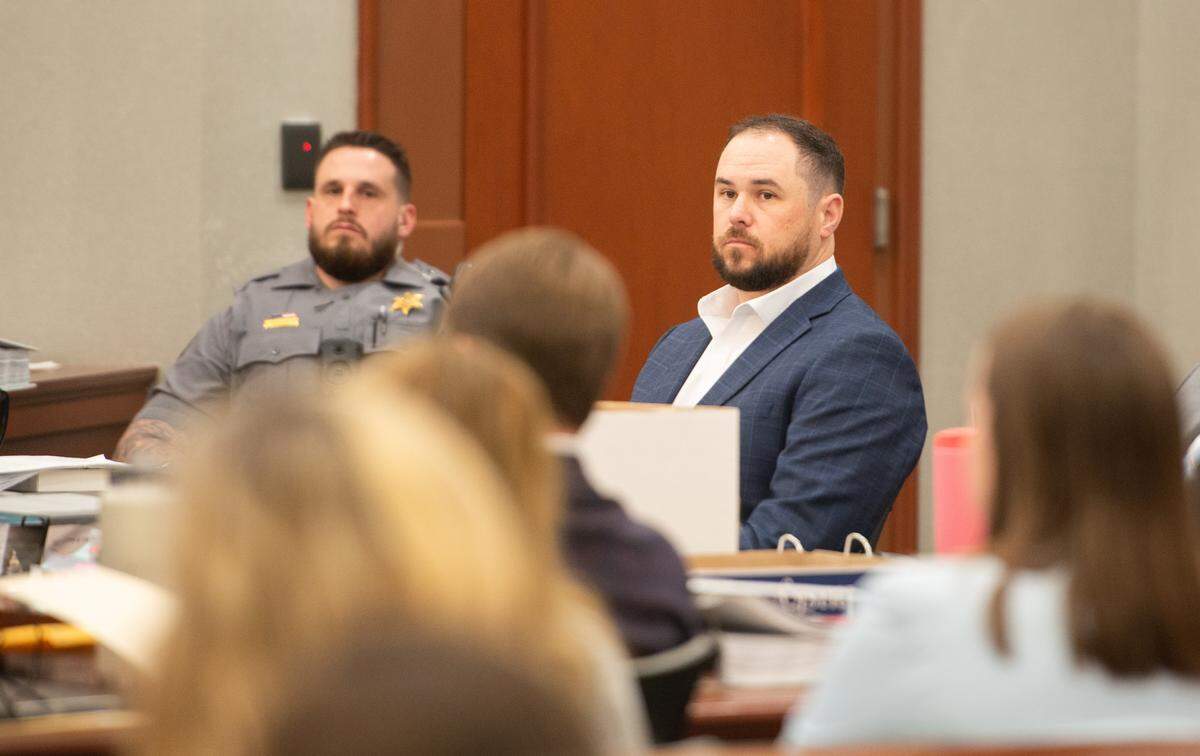
The two men have not been charged criminally after the state Attorney General’s Office determined their actions were self-defense under the state’s Stand Your Ground law.
However, evidence that has been made public in the wrongful death lawsuit has cast doubt on the finding.
The hearing that began Tuesday in front of Judge Eugene Griffith Jr. will decide whether the civil case can move forward or whether the two men will be immune civilly for the fatal shooting of the 33-year-old Tabor City man.
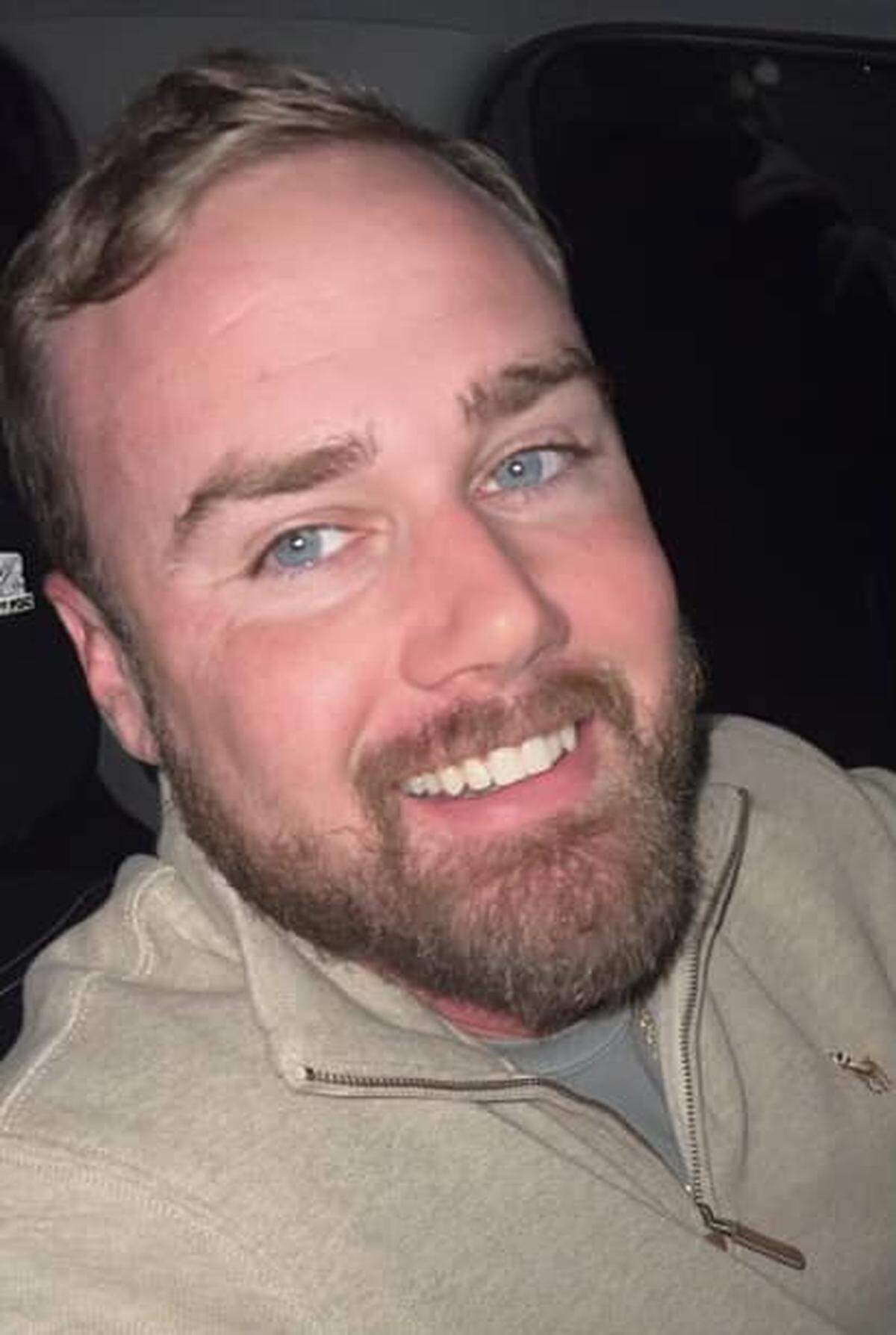
Jennifer Foley and her mother, Deborah Spivey, sat at the front of the courtroom, catty-corner from Boyd, who is accused in the family’s lawsuit as being the aggressor in the shooting after following Spivey for nine miles along Highway 9 and telling 911 dispatchers that “if he keeps this up, I’m going to shoot him.”
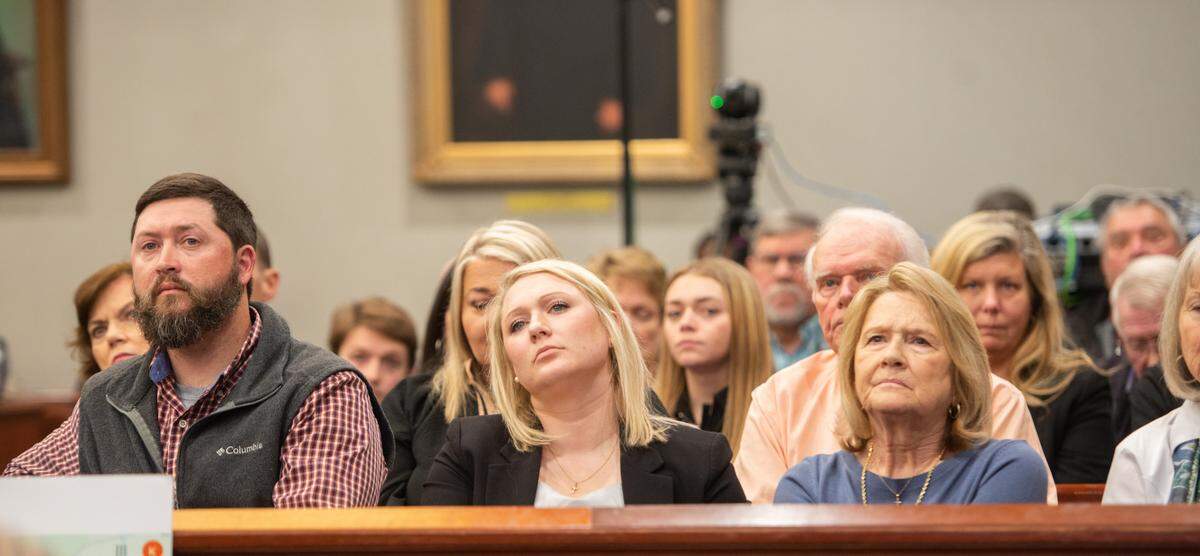
Williams’ attorney Morgan Martin said information that Boyd and Williams chased Spivey for nine miles and then shot him in the back are “illusions.”
Boyd’s encounter with Spivey wasn’t until about four miles from Camp Swamp Road on Highway 9, Martin said. When Boyd and Williams first came into contact with Spivey and how long they followed him became the crux of witness testimony on Tuesday.
The 2023 deadly shooting labeled as a road rage incident by police has received national attention and has put South Carolina’s Stand Your Ground law in the spotlight.
Several witnesses on the road that day testified that they saw Spivey driving erratically, waving his gun outside his truck window. Williams has told police that Spivey also pointed his gun at him.
The two men followed Spivey until he pulled off onto Camp Swamp Road, where Boyd and Williams claim he got out of his truck and shot at them before they returned fire. Spivey was found dead from a gunshot wound in his vehicle.
What evidence was presented
Attorneys for both sides focused on when the three men first encountered each other on Highway 9.
Martin pointed out that while it was nine miles from Tractor Supply, where Boyd and Williams were earlier that day, it wasn’t until about four miles later that Spivey came into the picture, and Boyd only followed Spivey two miles before turning onto Camp Swamp Road.
It was then that Spivey, who Martin said was already “road raging,” traveled at speeds between 85 mph to 113 mph.
It has not been determined who shot first. One shell casing was found outside Spivey’s vehicle and several more inside his vehicle. It is believed after Spivey was shot, he got back into his vehicle.
Spivey was actually shot under his arm and the bullet then entered his back, Martin explained. From that bullet trajectory, Martin said it would make sense that Spivey had his arm in a raised position.
In his request for the case to be dismissed against Williams, Martin pointed out that Williams was not driving the vehicle and made no decision about the speed or turning onto Camp Swamp Road that day.
What did witnesses see
Several witnesses on Highway 9 that saw the interaction between Spivey and Boyd provided testimony for the hearing.
Blaize Ward, a North Carolina woman whose video statement to police was played in court, said that Spivey was driving “crazy,” weaving in and out of traffic and in front of Boyd’s truck. At one time, Spivey pointed his gun at her. She saw Spivey run Boyd off of the roadway and called 911 to report the incident.
She followed both vehicles onto Camp Swamp Road where she saw Spivey’s black truck parked in the middle of the road. She then heard shooting and described seeing glass flying off the windshield.
However, Ward said she did not see Spivey out of his truck or him shooting at Boyd’s truck.
Parts of her statement came into question as evidence presented by the plaintiff showed that details, such as where the road rage incident began, did not match up with camera footage gathered from businesses along Highway 9.
Terry Wright testified that he was traveling with his wife behind Boyd for several miles before Spivey sped past their vehicles and then got in front of Boyd’s truck. Spivey then put on his brakes, Wright said.
“When he got around me, that’s when everything started,” Wright said.
Wright saw Spivey with a gun, who had his hand out his driver’s side window, he said. After Wright stopped at a traffic light, both vehicles eventually pulled away from Wright, and he didn’t see them again until he passed by Camp Swamp Road, Wright testified.
Wright said he saw the vehicles on the roadway, deciding to turn around because he had a feeling that something had happened. He said he must have arrived just a few minutes after the shooting ended. Wright didn’t see Spivey, but his truck door was opened. Boyd and Williams got out of their truck after Wright arrived, he said.
Why is word ‘chase’ key
“It’s not about whether Scott Spivey did something wrong,” said Mark Tinsley, attorney for the Spivey family. “You can’t be without fault if you chase someone. That’s why they don’t want you to use the word ‘chase.’”
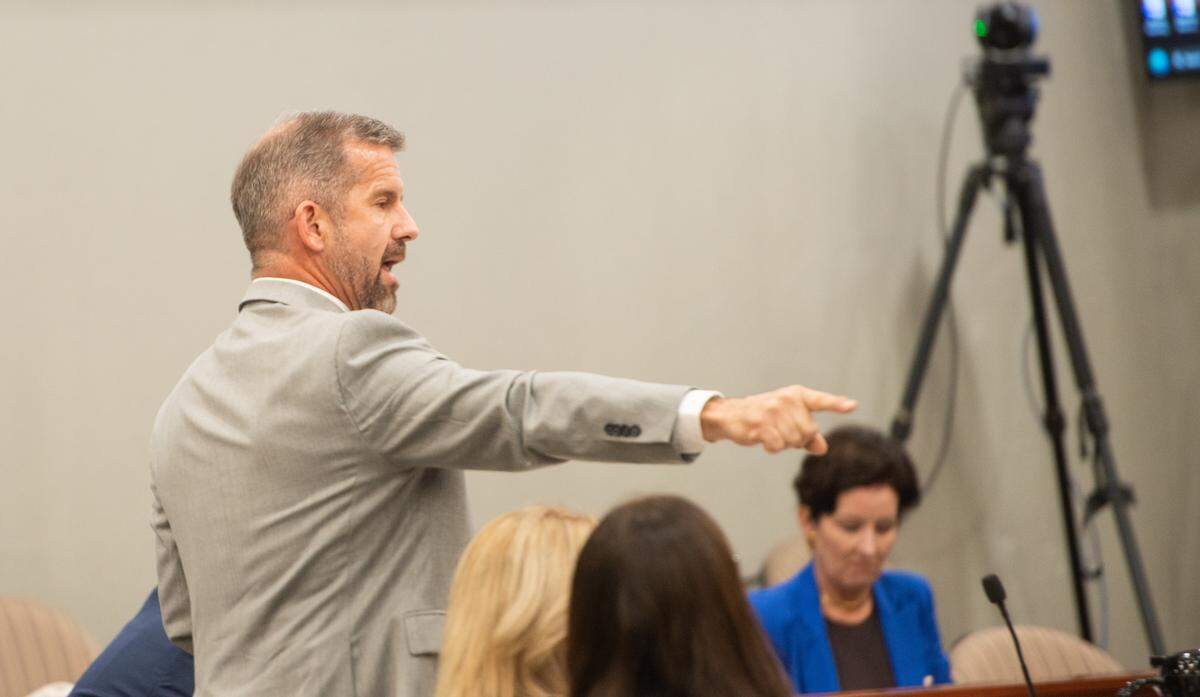
Tinsley cited a call that Boyd made to his mother on Sept. 11 – two days after the deadly shooting. His mother asked if Spivey knew Boyd was following him. Boyd replies, “he knew I was following him. … he knew he had f***** up and I chased him and I was on his ass.”
The phone call came from hundreds of text messages and 90 audio recordings taken from Boyd’s phone and uncovered during the civil lawsuit.
“(Chase) is Weldon Boyd’s word,” Tinsley said. “It is not a Stand Your Ground when you’re chasing someone else.”
This story was originally published February 17, 2026 at 5:47 PM.