Homeowners insurance in Myrtle Beach is one of the most expensive in SC. Here’s why
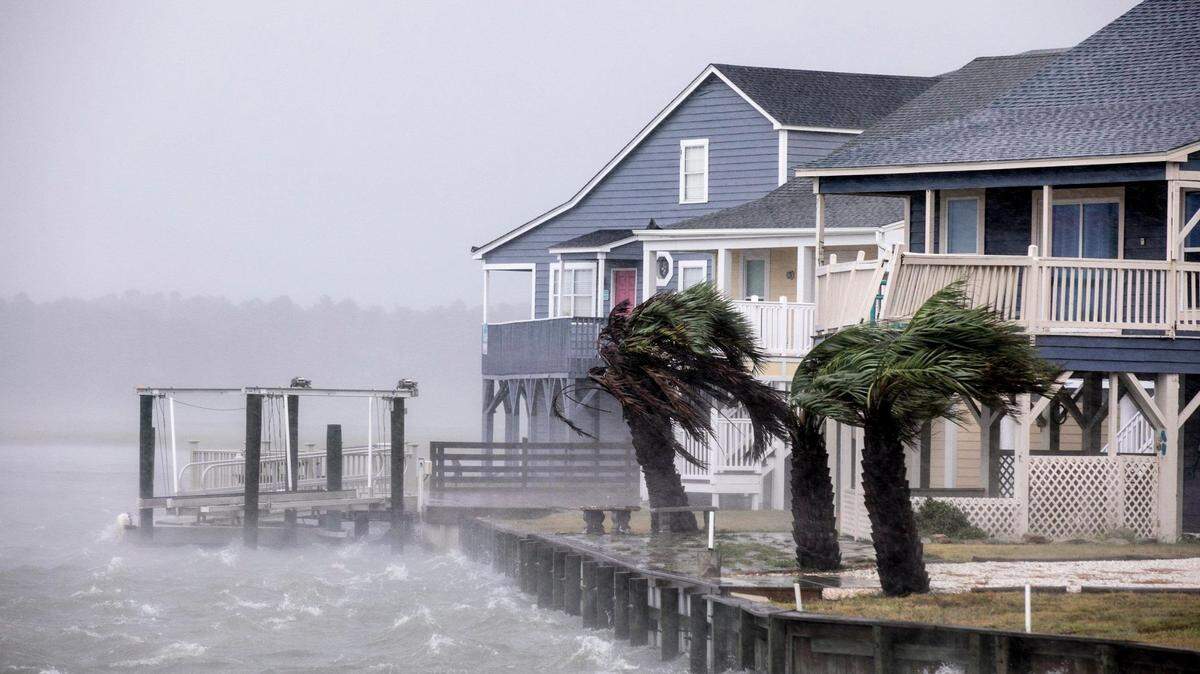
The trend of high insurance affects many along the Grand Strand. The Myrtle Beach area has some of the highest homeowners insurance premiums in South Carolina and the nation.
In March 2024, the firm Nerdwallet released a report comparing the price of home insurance in some of the Palmetto State. The report found that the average annual premium was $2,250. However, Nerdwallet’s report also found that of the cities listed, Myrtle Beach has the highest per-year insurance at an average of $4,820, a higher average than 48 of the 50 United States. Nerdwallet’s findings also said that Conway homeowners insurance costs an average of $3,780 annually.
While the exact average Myrtle Beach area homeowners are paying for their insurance, there is agreement that the number is high. Value Penguin, a subsidiary of the online lending marketplace LendingTree, stated that Myrtle Beach homeowners paid an average annual rate of $4,033, 75 percent higher than the national average.
Value Penguin’s ranking of cities with the highest premiums listed Pawleys Island as the most expensive, paying an average of $4,728 a year.
April Jordan is the principal managing partner at Carolina Property Insurance, based in Murrells Inlet. Jordan has sold policies in the area since 1999 and claimed to insure 1,300 households last year alone and 650 this year. Jordan added that homeowners could anticipate rates being 20 percent higher this year than the previous one. She also said several factors are impacting the market across South Carolina.
Jordan said rates jumped substantially in 2021 while some big insurance providers exited the Palmetto State entirely. She added that some companies also changed their underwriting guidelines to only provide services to homes with roofs 10 years old or younger.
Some agencies also factor credit into their underwriting practices, meaning having a lower credit score could impact your rate. Jordan also said that a history of issuing claims and damage to the home are also factors. At the same time, some insurers won’t sell new policies in certain zip codes due to having too many customers in a specific area.
“It’s all about density and them being exposed in a certain area. So if they spread their risk, then they can balance out,” Jordan said. “Because if a tornado comes through that one specific area, they’re going to get really, really hit.”
However, she added that ongoing development throughout the Grand Strand could be contributing. She recounted a conversation with a friend, a surveyor who provides elevation certificates for flood insurance, about the dangers of overdevelopment.
“They told me one time, ‘God had everything planned. He knew where water was supposed to be and where dirt was supposed to be,’” Jordan added. “’ With all this development, we’re putting land where water is supposed to be, and the water has nowhere to go, so it’s going to affect our area.’ He said that to me a long time ago, and it makes a lot of sense.”
While flooding itself won’t impact homeowners insurance, as the policies are separate, filing more claims and a history of damage could indirectly affect the homeowners insurance rate, she said. Indeed, South Carolina also expects the Grand Strand’s growth to potentially worsen the flooding problem.
In 2019, the state’s Floodwater Commission released a report detailing flooding history and vulnerability, outlining risks that could potentially exacerbate flooding along coastal areas. The commission also specifically pointed to urbanization as a driving factor in coastal areas’ loss of resiliency to flooding, which could only get worse as areas like the Grand Strand continue to urbanize.
“Expanding urban areas increase the pressure to develop in floodplains and wetlands, which eliminates the natural sponges that absorb and slow down floodwaters,” the report stated. “Floodplain development puts people and investments directly in the path of floodwaters.”
The Floodwater Commission also listed the Myrtle Beach, Conway and North Myrtle Beach location as the fastest-growing metropolitan area in the Palmetto State. Potential severe weather events in 2024 could also exacerbate the problem.
The National Oceanic and Atmospheric Administration predicted the most named storms for a hurricane season ever in May 2024. Meteorologist-in-Charge Steven Pfaff at the National Weather Service’s Wilmington Office said in a July 2024 interview that the ocean temperature is also unexpectedly high this time of year, a key fuel source for hurricanes.
Pfaff added that the Grand Strand is also statistically due for a Hurricane Hugo-type storm, although he did not forecast or predict one would take place in 2024.
However, while these factors play a role, these trends also impact areas like Charleston and Hilton Head Island. South Carolina’s 2019 Floodwater Commission also named the Hilton Head Island and Charleston areas as quickly urbanizing along with Myrtle Beach, making them more susceptible to flooding.
Despite this, Nerdwallet and Value Penguin’s reports showed that Hilton Head Island and Charleston residents pay less per year on average than Grand Stranders. Even the credit scoring some insurance companies use Jordan referred to doesn’t provide a concrete explanation.
According to Experian data, Charleston had a better average credit score than Myrtle Beach in 2011. Based on more recent data, it’s unclear if this trend still holds. Operation HOPE is a non-profit organization that maps average credit scores in different cities across the United States via its Financial Wellness Index, which uses data from Experian as recent as 2022.
According to Operation HOPE’s Financial Wellness Index, Myrtle Beach’s average credit score was higher than Charleston’s.
Here’s the average credit score for notable coastline areas in South Carolina:
- Myrtle Beach: 699
- North Myrtle Beach: 725
- Little River: 714
- Murrells Inlet: 731
- Pawleys Island: 737
- Charleston: 689
- Mount Pleasant: 733
- Isle of Palms: 753
- Hilton Head Island: 734
Jordan said she hadn’t seen any data suggesting that Myrtle Beach residents pay more for homeowners insurance than residents of other coastal areas in South Carolina. However, she added that insurance coverage differs for every buyer, making it hard to answer why the disparity exists.
“It’s your history. It’s how long you’ve had insurance,” she said. “How long have you had any claims? So there’s a lot that goes into that insurance scoring.”