Will it rain or shine tomorrow? Here’s how accurate Myrtle Beach weather forecasts are
While as mundane a task as tying a shoe, checking the weather is, for most, a routine part of one’s day.
From helping decide what to wear to providing advice on whether you need an umbrella for the day, checking the forecast on a weather app or local television broadcast ensures people stay cool and avoid getting soaked.
In a vacation destination like Myrtle Beach, looking at the weather could determine what you do for one of your days on holiday, especially as no one wants to lug their beach-going necessities to the ocean only for it to start raining minutes after you sit down to relax.
The question becomes how accurate that forecast is on your trusted weather app or local news broadcast. It turns out pretty accurate. The Washington Post recently published a data analysis of weather forecasts across the United States to determine the accuracy of predictions.
The Post’s report showed that coastal area forecasts in the southeast United States were accurate, usually five days to a week before, due partly to the ocean’s moderating influence. According to the Washington Post’s report, temperature predictions for places like North Myrtle Beach, Myrtle Beach, and Pawleys Island were accurate up to six days out.
The Washington Post looked at temperature forecasts provided by the National Weather Service from April 2023 to March 2024 to determine which regions in the United States had the most accurate forecasts. Indeed, considerable data collection goes into making correct predictions.
Steven Pfaff is the meteorologist-in-charge at the National Weather Service’s Wilmington Office, which provides forecasts and emergency weather updates for Horry County, Georgetown County, and much of southeast North Carolina. Pfaff said NWS uses radar, satellites, buoys, lifeguards, weather observations at North Myrtle Beach and Myrtle Beach airports, spotters and amateur radio operators to establish as accurate a picture as possible for future forecasts.
He added that this data and historical markers are necessary to ensure the verification and accuracy of weather modeling and forecasts.
“It’s like a neural network of data and observations,” Pfaff said.
Why Myrtle Beach, SC’s 2024 hurricane season could be worse than in previous years
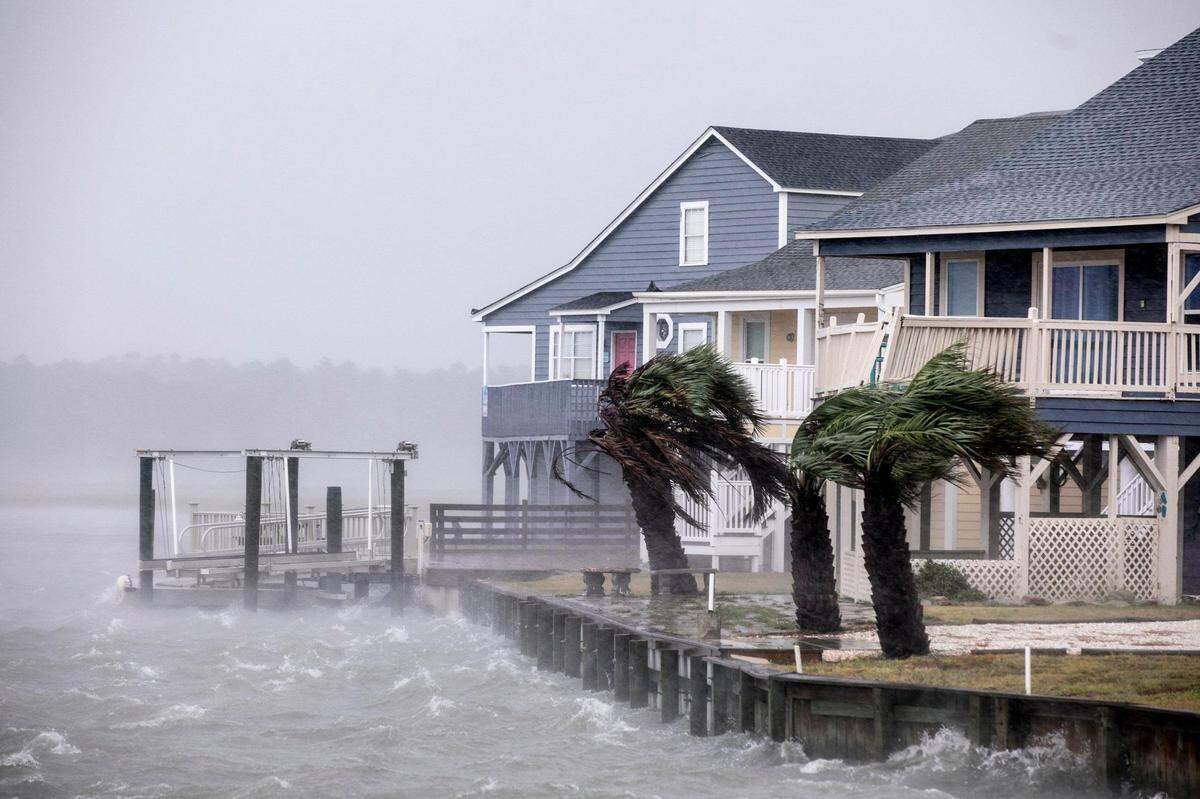
That neural network will be important as hurricane season nears. In May 2024, the National Oceanic and Atmospheric Administration released its outlook for the 2024 Atlantic hurricane season and predicted 17 to 25 total named storms, with between 8 and 13 turning into hurricanes.
The number of storms was the most ever predicted for hurricane season. Pfaff said the conditions are rife for a tumultuous period, citing ongoing Hurricane Beryl as one of the earliest major hurricanes during storm season.
“It’s just unprecedented,” Pfaff added.
Pfaff added that the ocean temperature is uncharacteristically high at this time of year, a particularly worrying indicator of a rough hurricane season.
“The ocean heat content is through the roof, especially in the main development region, where (Hurricane) Beryl had formed. Hurricanes need to thrive off that fuel from a deep and warm ocean,” Pfaff said. “The fuel is already out there. In fact, the fuel is what we typically see around September 1. So here we are, not even halfway through July, and we’re seeing ocean heat conditions that we typically don’t see on average until September. So that’s that’s quite frightening.”
Hurricanes are nothing new to the Grand Strand, as several notable ones have passed through the area in recent years—including Hurricane Florence and Matthew. While 1989’s Hurricane Hugo is seen by many as the worst storm to crash into the Grand Strand area, 1954’s Hurricane Hazel is considered the benchmark storm for the region.
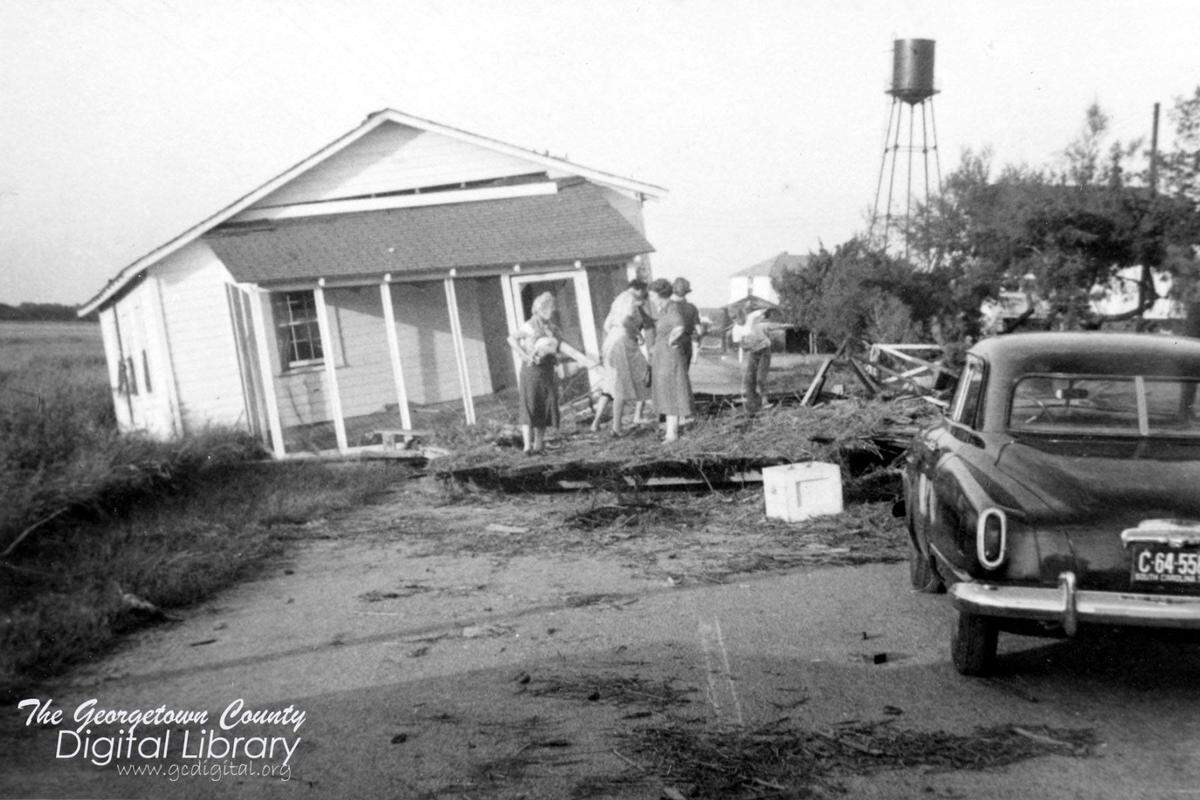
It’s a Hurricane Hugo type of category three, four, or five storms passing by the Grand Strand that Pfaff said he was worried about. Pfaff did not forecast or predict a Hurricane Hugo-like storm would occur in 2024 or the future. However, he added that statistically, a similar storm to Hugo occurs about every 23 years.
He added that the area’s population growth and new residents not used to serious storms could make the impact of any severe storm worse than in previous years.
“This is what frightens me. We haven’t had the wind monster storm since you, Hugo,” Pfaff said. “We’re way overdue for a wind monster storm ... This is going to be an extremely eye-opening experience. I hate to sound like an alarmist, but it’s hard to dispute the law of averages.”