‘A red-flag day’: Devastating 2009 blaze set stage for fighting wildfires in Horry
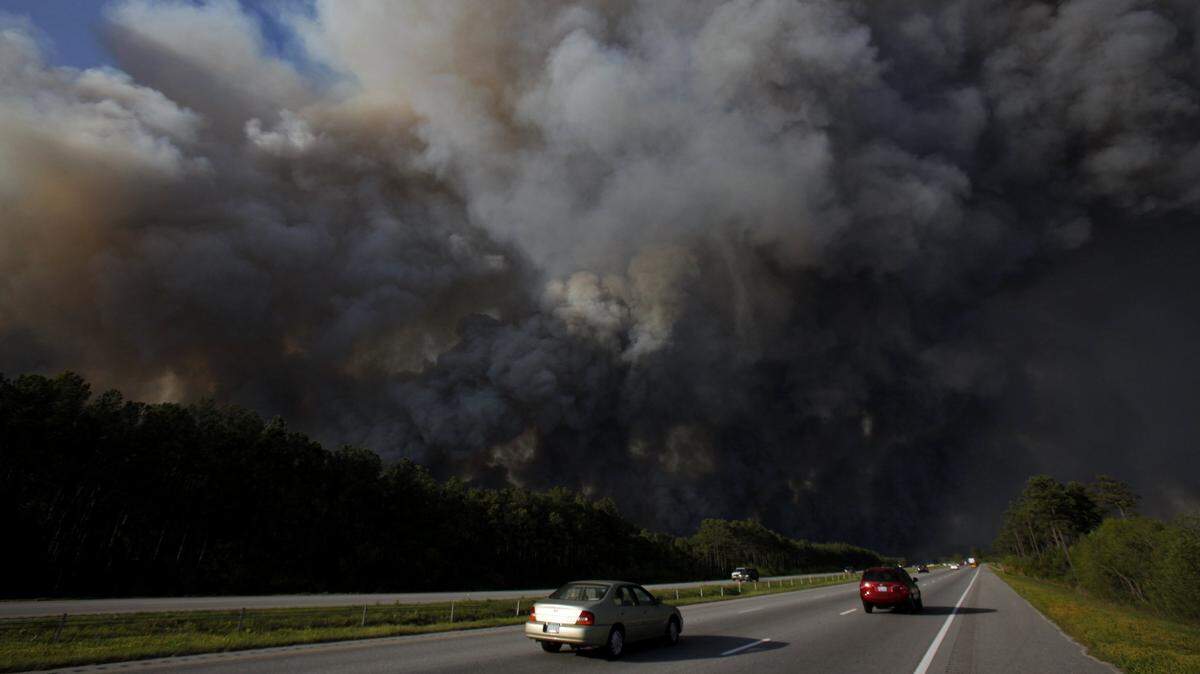
Capt. Tim Rainbolt hasn’t forgotten what happened 14 years ago when a wildfire burned more than 19,000 acres and destroyed more than 70 homes around S.C. 31 in Horry County.
Rainbolt was one of the hundreds of firefighters who battled the fire that started on April 22, 2009.
It was one of the biggest and costliest wildfires ever in South Carolina with an estimated $25 million in property damage and $17 million in agricultural damage.
In the 14 years since that fire, Rainbolt, who was named the wildfire coordinator for Horry County Fire Rescue in September, said the department has come a long way in how they now fight brush fires. But it’s always in the back of his mind that something similar could happen again.
Two days ago, the fire department responded to a 5-acre fire in Conway. The fire started when a man was outside burning. At one point, the fire got close to vegetation and that made Rainbolt nervous.
“Absolutely it’s in your mind,” Rainbolt said about the 2009 fire. “You’re already thinking what will this fire do and what direction will it go.”
‘It was a red-flag day’
Firefighters who battled the 2009 fire still talk about it, said Tony Casey, spokesman for the Horry County Fire Rescue.
The fire began with a small debris fire on Woodlawn Drive off S.C. 90 near International Drive and then later spread after jumping S.C. 22 and heading to North Myrtle Beach’s Barefoot Resort off of Highway 31.
Hundreds of people were evacuated from their homes as firefighters battled the fire for days.
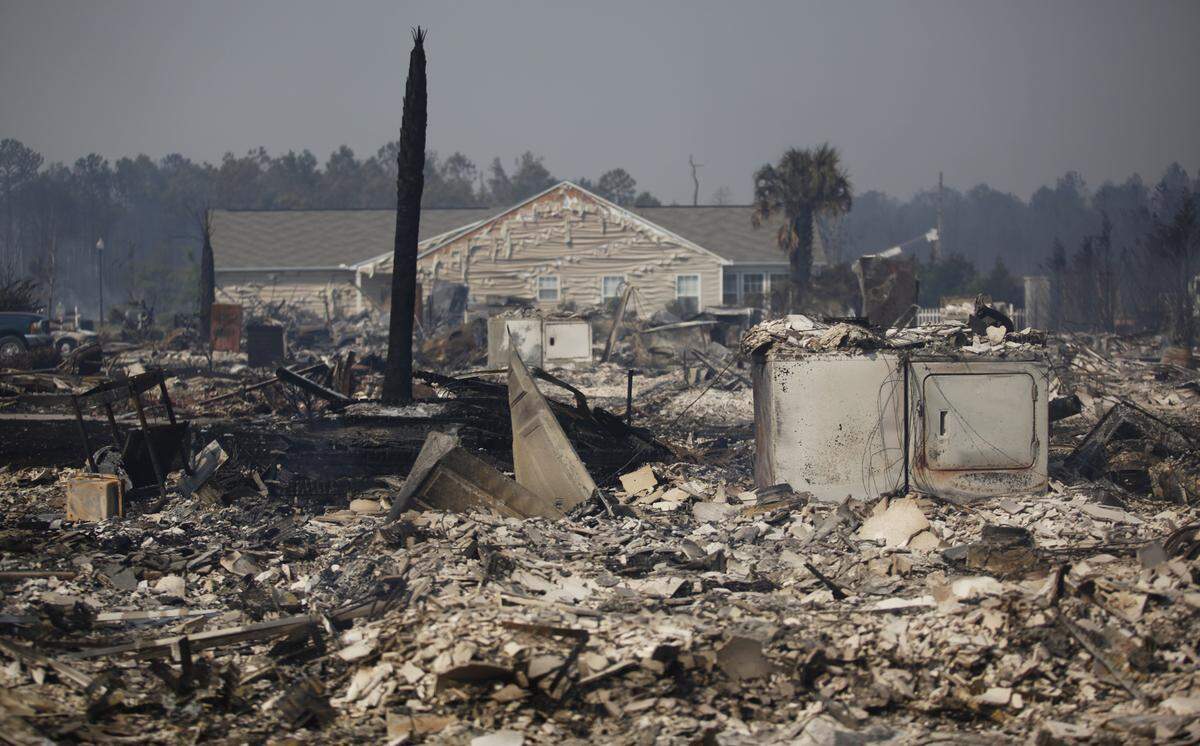
The 53-year-old Rainbolt recalls “how crazy the weather was that day.” Wind gusts contributed to the flames, which reached 300 feet at times, he said. “It was a red-flag day.”
“(It shows you) what weather can do and the curveballs she can throw at you,” Rainbolt said.
Advances in technology help battle fires
Adding a wildfire coordinator is one of the ways Horry County has moved forward in its efforts to prevent wildfires, Casey said.
Rainbolt, who has been with the department for 25 years, has helped to lead the department’s wildfire team for years.
The department continues to look for ways to prevent wildfires, including tapping into such technology as Google Earth to determine where a fire could go and examining weather patterns.
In addition, new fire recruits receive training on how to fight wildfires.
“We’ve upped our game and we’ve trained more, learned more, and reevaluated,” Casey said.
The department works closely with the South Carolina Forestry Commission.
This year the department received a high-water/wildfire response vehicle to use in responding to flood and wildfire-related calls, Casey said. The vehicle came from a grant and was originally used by the state forestry commission.
Wildfire season not finished yet
Wildfire season is nearing its end in Horry County, Casey said, but the department is still responding to anywhere from six to 10 brush fires a day.
South Carolina’s wildfire season usually occurs from late winter to early spring.
All of them have been able to be contained, but that doesn’t mean that a small incident won’t turn into a large incident, he said.
Horry County is vast, and a lot of people clear their property by burning, Casey said. He cautions people to be careful when doing so, paying attention to weather conditions.
If conditions are dry, or winds are strong, Casey said, people should avoid outside burning.
Such steps are important, especially with the increase in population the county is seeing, Rainbolt said. There are a lot more homes and neighborhoods — many of them close to forests or vegetation, he said.
This story was originally published April 22, 2023 at 9:10 AM.