Family of woman who drowned in Horry County sheriff’s van files a new lawsuit
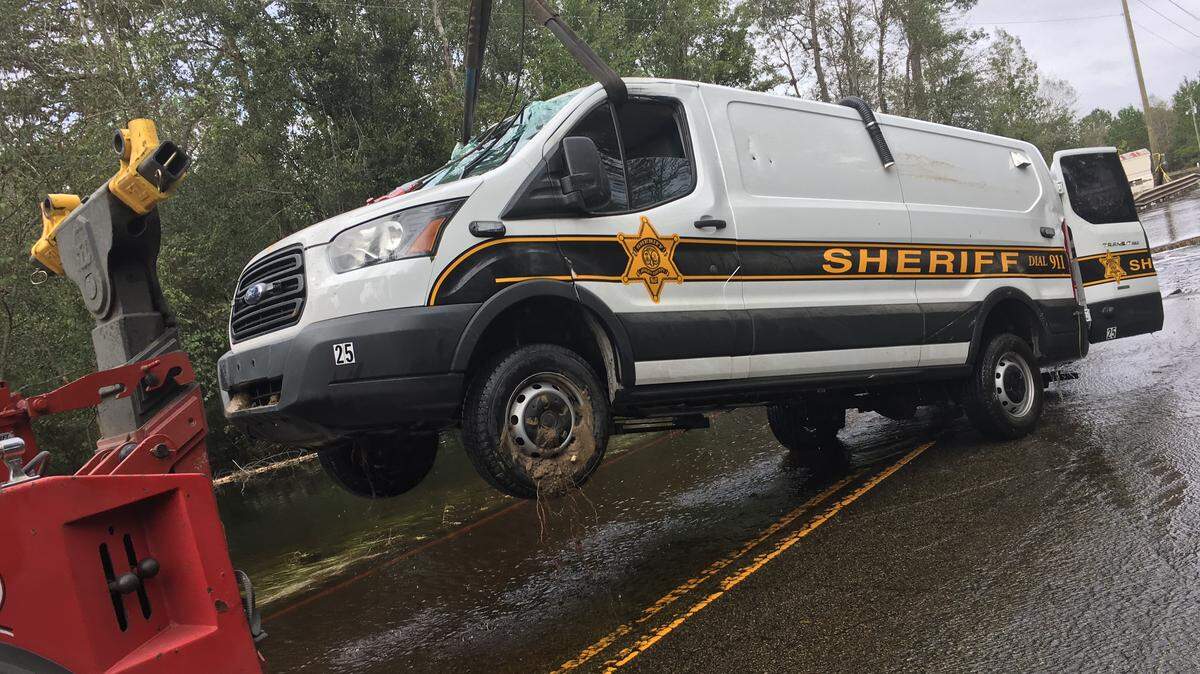
The family of a woman who drowned in the back of an Horry County sheriff’s van is filing a new lawsuit against a law enforcement consulting company.
The company, Moseley Architects, provides consulting services to law enforcement and detention administration, including the development and review of policies and procedures for law enforcement and detention centers, according to the lawsuit.
The lawsuit, filed in Horry County court this week, comes after a Sun News investigation into the Horry County sheriff policies on transporting prisoners.
Moseley reviewed, revised and updated the sheriff’s policies, including transportation policies, on February 7, 2012, May 30, 2015, and January 25, 2016, the lawsuit states.
The drowning
The two women, Nicolette Green and Wendy Newton, were being transported from a Conway hospital to health facilities in Marion County.
They drowned while locked in a caged compartment in the back of a sheriff’s van — a security system in place to prevent an escape or officer injury — after deputies drove the vehicle through Hurricane Florence floodwaters, despite a supervisor’s orders.
Policy changes
New policy changes went into effect in May 2020, but were not acknowledged by the county until July 2021.
At that time, Kelly Moore, a spokesperson for the county, said that procedural changes had “been implemented to better protect the safety of mental health patients in Horry County,” but she did not expand on those changes when asked by The Sun News.
Records obtained this week by The Sun News from the sheriff’s office outline the changes made by the county.
The big change: No more vans
The biggest change to the transportation policy is that mentally ill patients are no longer transported in sheriff’s vans.
It is common for sheriff’s offices to transport mental health patients who pose a risk to themselves or others, even if they have not committed a crime.
But according to May 2020 policy, the preferred vehicle for conducting therapeutic transports is now an unmarked sedan or SUV-style car with protective caging between the driver and passenger.
The vehicles are equipped with a child-lock system to prevent people in the back seat from opening the doors.
Officers also have access to crowbars, sledgehammers and other extraction equipment in case of an emergency.
This story was originally published September 20, 2021 at 5:00 AM.