Doc Antle’s Myrtle Beach Safari named one of 10 worst zoos for elephants
While much of the recent attention surrounding Myrtle Beach Safari has centered on its tigers and other big cats, one animal rights group is specifically criticizing its treatment of an elephant.
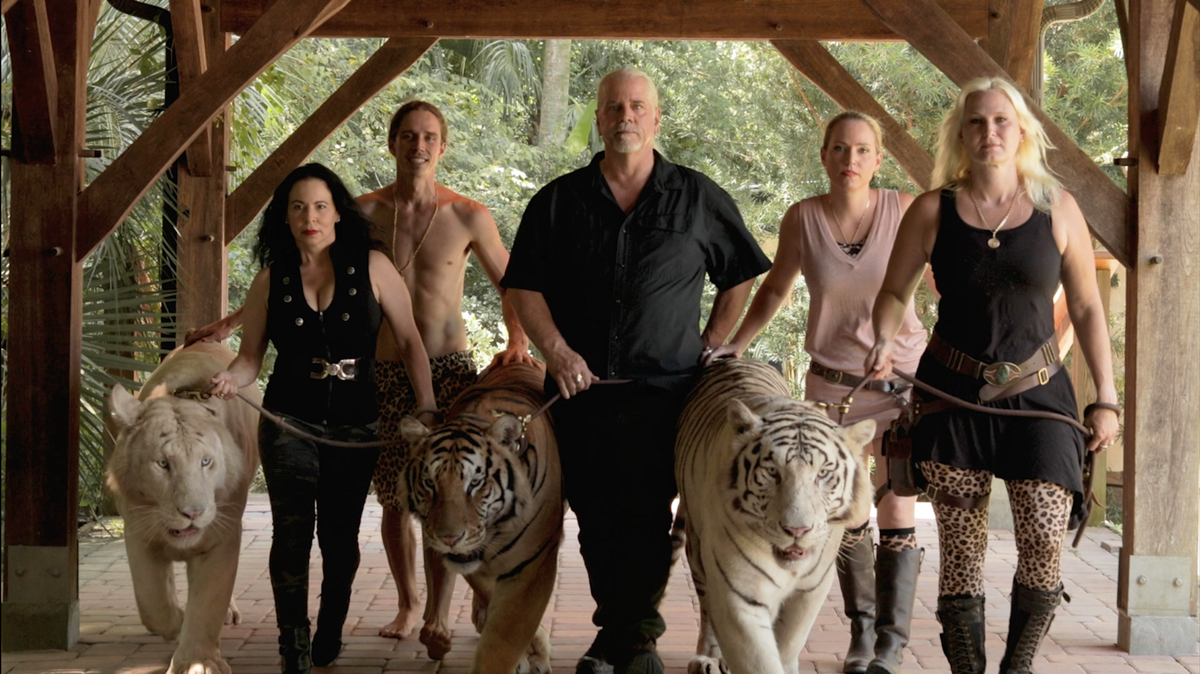
The Socastee-area exotic animal exhibit and its owner Bhagavan “Doc” Antle have garnered worldwide attention since being featured last year in the hit Netflix documentary series “Tiger King: Murder, Mayhem and Madness.”
Even before the series, Antle has been a frequent target of animal rights activists, who accuse him of over-breeding and extorting these animals for profit at the expense of their health and well-being.
In Defense of Animals, a California-based animal protection organization, is the latest to chide the facility, ranking Myrtle Beach Safari No. 6 on its annual list of 10 Worst Zoos for Elephants in North America, according to a news release.
Antle owns just one elephant, Bubbles, a 39-year-old African elephant that’s been with him since the early 1980s, according to Myrtle Beach Safari’s website and previous media reports.
The animal rights group argues that Antle’s ownership has denied Bubbles of her innate need for essential social and physical relationships with other elephants, while forcing her to perform demeaning tricks and allow paying customers to climb on top of her.
“Bubbles deserves to be taken to an accredited sanctuary and leave Antle and his safari far behind,” Will Anderson, the group’s elephant campaign coordinator, said in the release.
A spokesperson for Myrtle Beach Safari did not respond to a request for comment.
Antle and two of his daughters are currently facing multiple felony and misdemeanor charges in Virginia related to illegal wildlife trafficking and animal cruelty. His next hearing is scheduled for April 28, according to online court records.
The charges are related to lion cubs transported from a Virginia facility, Wilson’s Wild Animal Park, to Antle’s facility in Myrtle Beach, also known as The Institute for Greatly Endangered and Rare Species (T.I.G.E.R.S.).