
Born addicted: Horry County leads SC in number of drug-dependent babies
Heartbroken and angry.
That was how Teresa Bell said she felt the first time she encountered a drug-addicted newborn.
“To see a baby who had no control, who had nothing to do with this and the fact that somebody else did that to them, where they were so fretful, crying, so irritable, it was sad,” said Bell, a nurse of 30 years and McLeod Loris’ director of women’s services.
Bell has seen numerous babies born with neonatal abstinence syndrome, often called “NAS babies.” The babies are inconsolable, constantly crying, and may experience seizures.
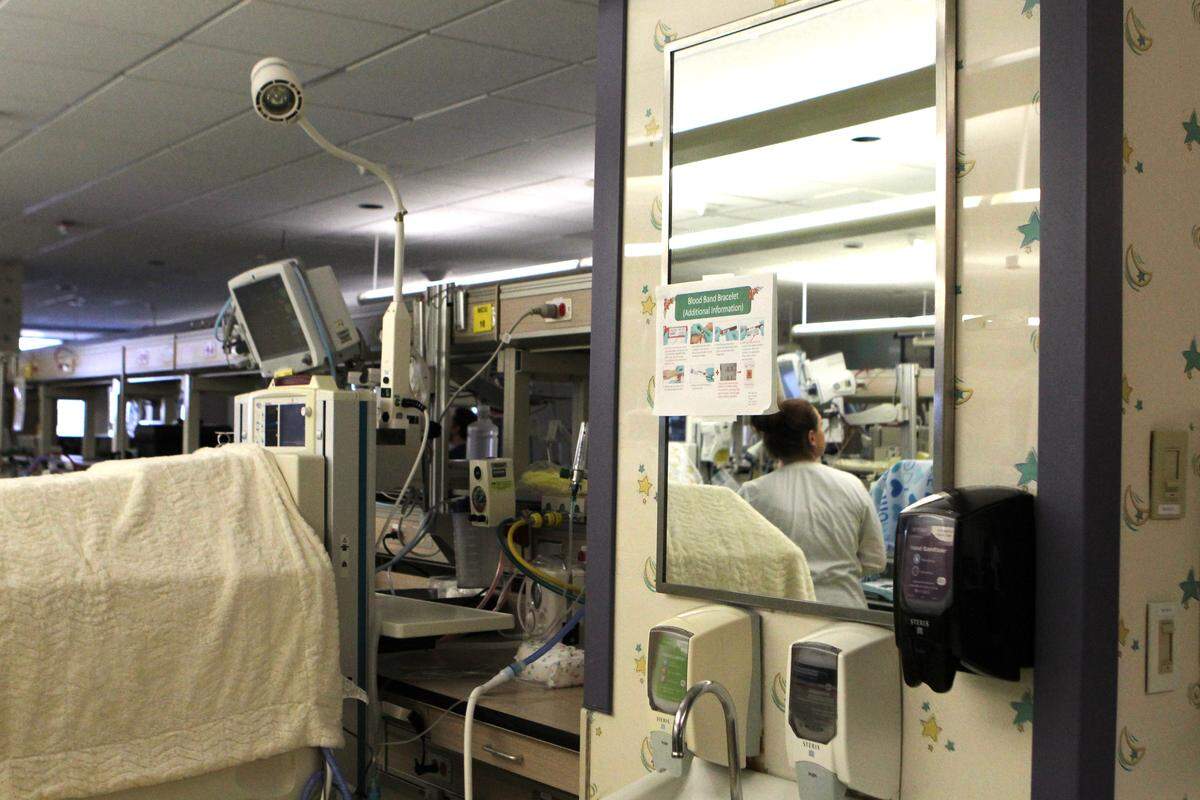
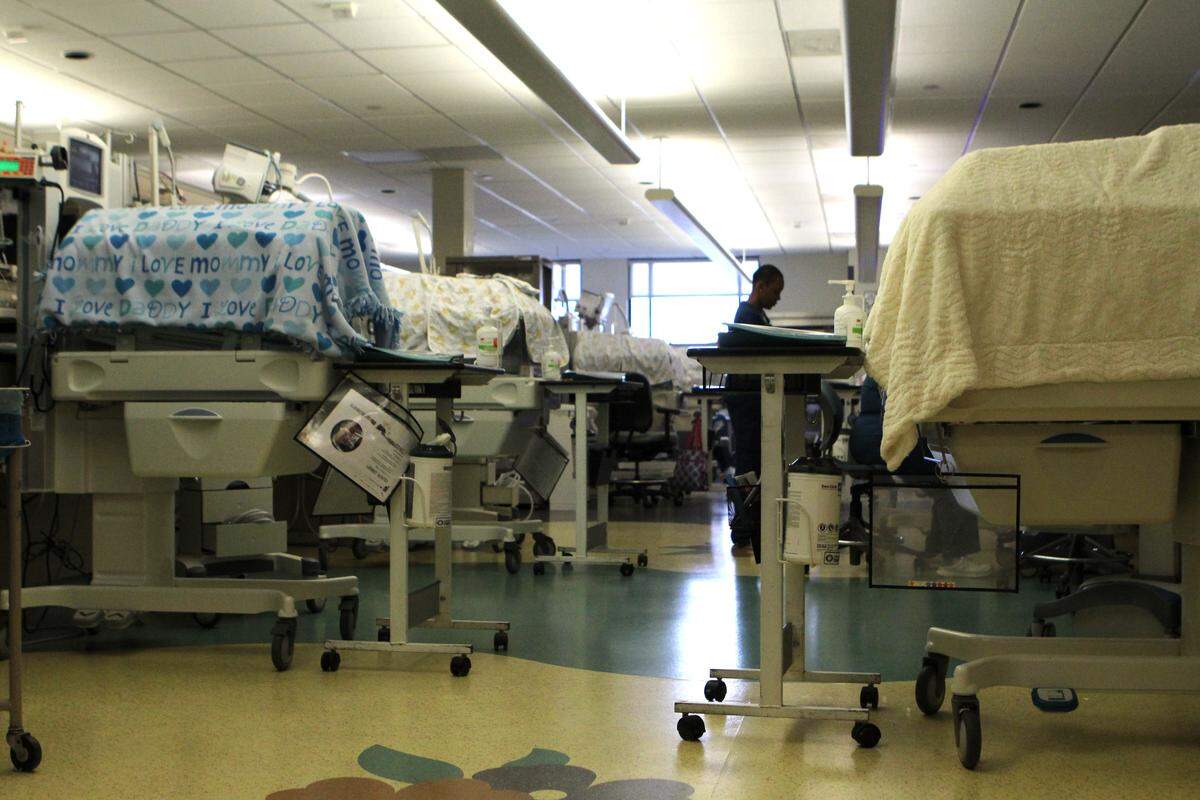
In hospital bassinets, they lie in pain with tremors, jitteriness and shakiness. Compared to a cry of a typical newborn, infants with NAS have high-pitched cries that fill the room as they experience extreme discomfort.
Twenty-four babies were born with a physical dependence on drugs in Horry County in 2017, more than any other county in South Carolina, according to data from the South Carolina Office of Revenue and Fiscal Affairs.
The county has led the state the past three years in total number of babies born with the syndrome at eight babies per 1,000 births. Statewide, the rate is five per 1,000. Doctors say the actual number likely is higher because many NAS babies aren’t recorded in the state’s data because the real numbers are likely under-reported. Per-capita, only three other counties had a higher rate: Greenwood, Oconee and York counties.
Nationally, the rate has been trending upward, according to the Journal of the American Medical Association. In the U.S., the rate of babies born with NAS increased from 3.6 babies per 1,000 births in 2009 to 7.3 in 2013, according to JAMA.
Bell said she wasn’t surprised Horry County leads the state.
“There’s a big population out there of people using drugs now, and I think a lot of these mothers are using them before they realize they're pregnant,” Bell said.
There were more opioid prescriptions than people in Horry County in 2016, at 110 prescriptions per 100 people, according to the Centers for Disease Control and Prevention. A county lawsuit filed against major drug wholesalers in February blames the opioid epidemic on the flow of drugs into the county, including many "suspicious" shipments that the suit says should have been stopped.
“When you see babies like this, there’s a lot of emotions nurses have,” Bell said. “They’re heartbroken for that child. That’s why the staff is so wonderful with the children because they feel like there’s nobody at home that is gonna hold them and take care of them and swaddle them and comfort them."
Bell said McLeod nurses will often hold the babies and try to soothe them while doing paperwork.
"And then they're angry," she added. "They’re angry with the mom for doing the drugs and putting the baby in that position that it’s in. You feel bad for the mom because she’s got a problem, she needs help, but you’re angry at the same time because she’s done this to an innocent child.”
A 'miserable, miserable process'
Infants born with neonatal abstinence syndrome are physically dependent on drugs after being exposed to the illicit substances while still in the womb.
There’s no universal definition and it can be applied to babies born addicted to opiates and other drugs, although opioids are the most common class of drugs that cause NAS in Horry County.
“A baby with NAS is stiff as a board,” said McLeod neonatologist Dr. Douglas Moeckel, with MEDNAX National Medical Group.
NAS babies can experience drug withdrawal symptoms like shaking tremors, seizures, diarrhea, abnormally high-pitched crying, irregular sleeping schedules, sweating and inconsolability.
“The babies can fail to thrive if they’re spending all their energy shaking and crying,” Moeckel added. “They don’t have the energy to grow. They lose weight and waste away. They may have a mom who’s abusing or using drugs, and they neglect to feed the child and he or she could die. Or they could physically harm the child.”
Dr. Anthony Caeton, director of neonatology for Grand Strand Medical Center, said NAS babies are often "frantic" and "jittery," with tremors.
"Sometimes they don’t feed well, sometimes they overfeed," Caeton said. "Sometimes even in spite of eating well they don’t grow. It’s a miserable, miserable process they go through."
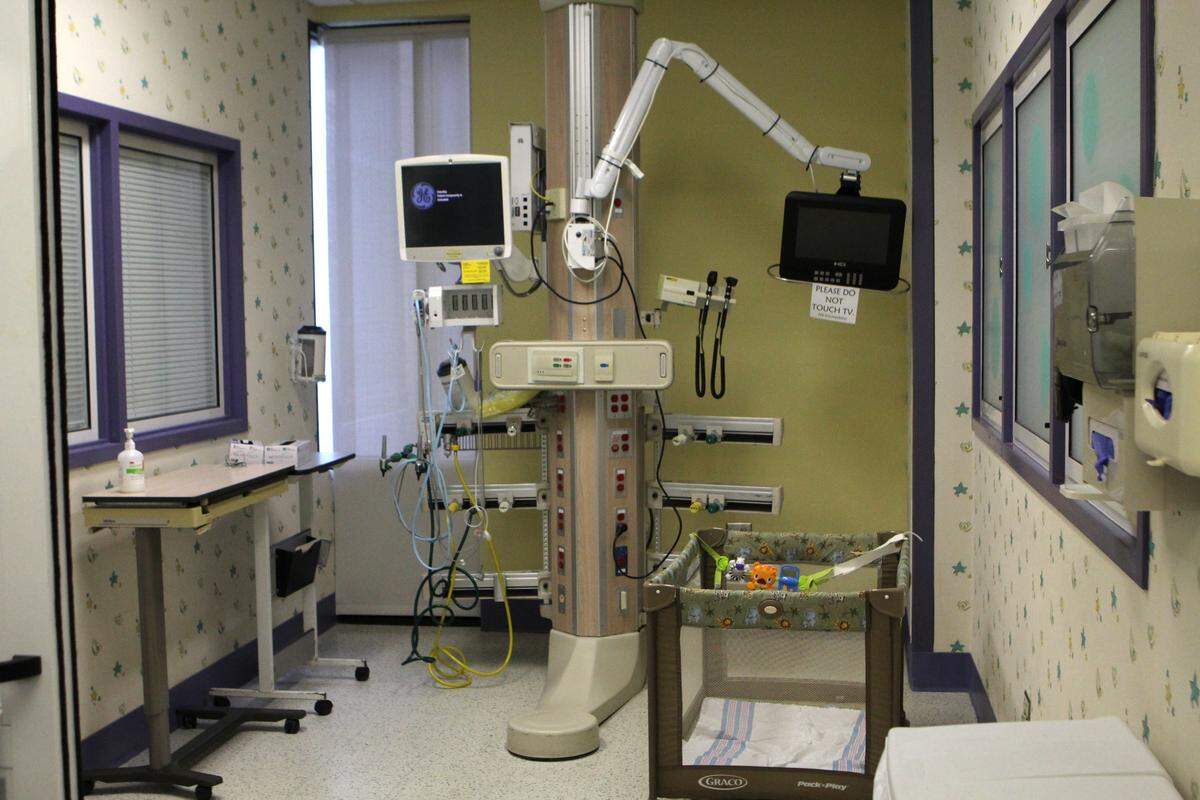
NAS babies require more time in the hospital to recover from their dependence. If withdrawal symptoms are bad enough, doctors may administer another opioid such as morphine or methadone and then wean the baby off.
Long term, those babies are more likely to develop ADHD and behavioral disorders, said Moeckel, but the correlation doesn’t necessarily mean causation, because there may be other external factors that lead to problems.
“It’s nature versus nurture,” Moeckel said. “It’s almost impossible to predict and control for that. We have these associations. We don’t have causation.”
Why many NAS babies 'aren't caught at all'
Eight out of every 1,000 babies born were diagnosed with neonatal abstinence syndrome in Horry County, one of the highest per-capita rates in South Carolina, according to the office of revenue and fiscal affairs.
Statewide, 236 babies, or five out of every 1,000, were born with the condition.
But the actual numbers are likely higher for a number of reasons.
First, some mothers may not show signs of opioid addiction, meaning no cause for a drug test, and there’s no universal drug screening for mothers in South Carolina.
Babies usually stay in the hospital between two and four days after birth, Moeckel said. Mothers who don’t show outward signs of opiate use may leave the hospital before their babies develop withdrawal symptoms.
“There are probably a lot of moms that no one knows are on opiates,” Moeckel said, adding that many moms may switch up the hospital where they were scheduled to deliver so doctors don’t have immediate access to records of prenatal care and possible positive drug tests.
Caeton, who moved to the Grand Strand from Ohio nine months ago, said the hospitals where he worked in the past had implemented universal maternal drug testing.
"Personally, I think universal testing is better, because it’s non-judgmental," Caeton said. "This is how we do this on every mom."
The other issue is that the state only has data on the number of NAS babies that are diagnosed by a physician. And not all infants born with the condition are diagnosed with it.
Some babies may have NAS but aren’t officially diagnosed if the symptoms aren’t severe enough. For example, some babies may not be diagnosed until medication is needed, meaning some NAS babies aren't recorded in the state's data.
“They officially get diagnosed whenever a physician decides to chart it,” Moeckel explained. “It’s possible that if they have a score less than 8, they don’t end up getting diagnosed at all."
An "8" is the level at which symptoms are almost bad enough for medication to be administered.
"I still think there are a lot of babies who aren’t caught at all," Moeckel said.
How SC is addressing addicted babies
In South Carolina, medical professionals are not required to report to the Department of Social Services when an infant is born with NAS, although officials say most cases do get reported.
A bill that was passed in the S.C. House and amended in the state Senate would fix that, requiring reporting when an infant or fetus is exposed to controlled substances or alcohol.
Bill H. 3823 addresses the problem of babies born affected by drugs and alcohol in South Carolina and clarifies the circumstances under which health professionals are to report fetal and infant substance exposure to DSS.
“This bill would require that, should a medical professional see a baby with neonatal abstinence syndrome, that they would also report that so that corrective actions could be taken to protect the child and to possibly rehabilitate the mother,” said S.C. Representative Russell Fry, R-Surfside Beach, a sponsor of the bill.
"That is so critical in getting people off drugs, making sure that mothers and fathers are caring for their children and that they have an opportunity to rehabilitate themselves.”
The bill was introduced in the S.C. House in February 2017 after the U.S. Congress enacted the Comprehensive Addiction and Recovery Act of 2016 that “aims to address the problem of infants born affected by substance use disorder, particularly opioid use disorder.”
CARA requires every state to develop plans of safe care for infants affected by substance abuse, which is why S.C. lawmakers introduced H. 3823.
“As we’ve seen this opioid epidemic kind of grow very quickly in the United States, states are largely grappling with how to address it. This is one component on how to address it,” Fry said. “Because Horry County is the hardest hit in South Carolina, it was really important to me that we find ways to address that problem at home.”
The bill is in a conference committee to which Fry is appointed. Conference committees work to resolve differences in the house and senate versions of bills.
If members of the conference committee agree, their report would be sent to the S.C. House and state Senate for adoption. Once adopted by both bodies, the bill would be ordered enrolled for ratification and its title would be changed to an act before the governor could sign off on it.
“I’m hopeful that we can take it up and work out the differences because this is a good piece of legislation and we need it in this state,” Fry added. “I’m hopeful that we can get it done this year and really do a good service for the children of this state who suffer from this when they are born.”
What happens after the birth? It’s 'complicated'
When an infant is born drug-dependent, or even tests positive for any illegal substances, it generally gets reported to police first.
“Once the notification is made to us, that an infant has tested positive for a narcotic, then DSS is contacted,” said Capt. Joey Crosby with Myrtle Beach police. “DSS is contacted because they’re in charge of devising the safety plan and investigating the proper plan for the welfare of the child or infant. We then open an investigation to determine if there is a sufficient probable cause to file charges against the mother.”
Just last month, an 18-year-old Conway woman was charged after police say her newborn tested positive for opiates, cocaine and marijuana. Newborn drug testing can be performed using urine, blood, first bowel-movement, hair, or umbilical cord tissue samples.
Women who give birth to drug-addicted infants may face a child neglect charge that carries a maximum sentence of 10 years in prison if convicted, according to 15th Circuit Solicitor Jimmy Richardson.
But Richardson said the mothers usually don't receive prison time. Instead, they typically get sentenced to probation with required drug testing.
Other times, a hospital staff member will report it to DSS first.
Once DSS accepts a report, a case manager gets assigned to the case and responds within 24 hours.
“The immediate issue when we respond is going to be the safety of the child,” said Richard Culbertson, Horry County’s DSS director.
Culbertson said in most cases, DSS receives the reports when the infant is still in the hospital.
“That is a safe environment, but of course, the child can’t stay in the hospital forever so we are tasked with trying to figure out if the child needs to go into state custody, into foster care, are there appropriate relatives that can take care of the child,” he added.
Once the safety plan for the baby is decided, DSS evaluates what’s going on with the family in order to provide services or referrals for services to mothers with substance-use disorders.
But Culbertson said these cases can be difficult to resolve as there are generally other family issues along with substance abuse, such as domestic violence and poverty.
“We don’t often work with a family where the only issue is substance abuse,” he explained. “These cases can be extremely complicated. They can be very complex and they can be very challenging to resolve. It is not a single issue.”
The case managers work to try and resolve the issues so the family can be unified after all issues have been successfully addressed and DSS is confident the child will be safe.
“But sometimes that doesn’t happen,” Culbertson said. “Sometimes, despite our efforts, we end up in a position where we don’t think the child would be able to return to the parents for whatever reason. Maybe they can’t address their issues or it’s so substantial we don’t see a prospect that they’re going to successfully be able to address their issues and take care of the child.”
Culbertson said he believes Horry County will continue to see more infants experiencing drug-dependency due to the growing issue of opiate addiction in the county.
“I think we’re going to be struggling with this,” he said. “It’s important for people to realize the response to these issues really needs to be a coordinated response among many different interested people and interested agencies. It’s really a tough, tough situation to deal with and it calls upon all of us to do our best to resolve it.”
Want to foster a child?
If you or anyone you may know is interested in foster care, call 1-888-828-3555 to register for a South Carolina Foster Parent Association orientation or visit www.scfpa.com for more information.
This story was originally published May 17, 2018 at 11:47 AM with the headline "Born addicted: Horry County leads SC in number of drug-dependent babies."