‘Hammer’s getting ready to come down’: Why Horry County anticipates wave of evictions
At the end of the month, tenants across the country will lose federal eviction protection amid a pandemic that continues to ravage the public health and economy of cities across the U.S.
The Grand Strand is no different.
When the Centers for Disease Control and Prevention lifts the eviction moratorium at the end of January, the Aspen Institute estimates 35-52% of families across South Carolina will be at risk of losing their homes and noted that communities of color are hit hardest by the eviction crisis.
Housing advocates are bracing for a wave of evictions in Horry County, which has the highest unsheltered homeless population in the state and housing costs heavily outweigh the average income.
“If there are companies that are holding back because of the moratorium, the hammer’s getting ready to come down,” said David Koch, housing manager at Sea Haven for Youth in Myrtle Beach.
Shelters ‘accustomed to being overwhelmed’
New Directions, a nonprofit that provides shelter and resources to the homeless population in Myrtle Beach, is preparing for an increased demand for their services as the moratorium expires, while also trying to expand its men’s shelter.
Executive Director Kathy Jenkins said the expansion would add 74 beds to the men’s shelter, nearly doubling the capacity, but she’s still working on securing funding, so it’s tough to tell when the expansion will be complete.
The moratorium was initially set to expire at the end of December, but eviction protection was extended through the end of January in the latest coronavirus relief bill. For New Directions, that means a bit more time to secure funding and begin work on the expansion, Jenkins said. The organization has raised most of the $189,000 required for the project, but still needs more funding before construction can begin. After the funding comes through, completion is expected to take about 10 weeks.
“[The moratorium extension] gave us a little more time, so we’re still working on it,” Jenkins said.
She said the demand for housing resources and shelter for the homeless population in Horry County is consistently high, and the staff at the organization is “accustomed to being overwhelmed.” Even so, she’s “never seen anything like it,” because the coronavirus pandemic is simultaneously affecting the whole country.
“We’ve seen economic downturns, we’ve seen people lose their housing because of disasters, floods, hurricanes, we’ve seen all of those things,” Jenkins said. “This is the first time … New Directions has been in a position that there’s no help from the outside.
SC evicts from homes at higher rates
In a year where demand for housing services has come to the forefront of many conversations amid mass job losses, the Eastern Carolina Housing Organization (ECHO) has added 22 members to its staff since January 2020, many of whom work in the eviction protection program. Through the eviction protection program, the organization can pay up to six months of rent for tenants who make below 50% of the area median income.
As of mid-December, the organization had prevented 173 evictions in 2020, according to CEO Joey Smoak.
Though ECHO isn’t a homeless shelter, it provides emergency housing when necessary. Smoak said the group provided more than 17,000 nights of emergency housing last year, a “staggering” number compared to just 400 to 500 in 2019. During the pandemic, the organization reported helping triple the amount of people they normally do, thanks to CARES Act funding.
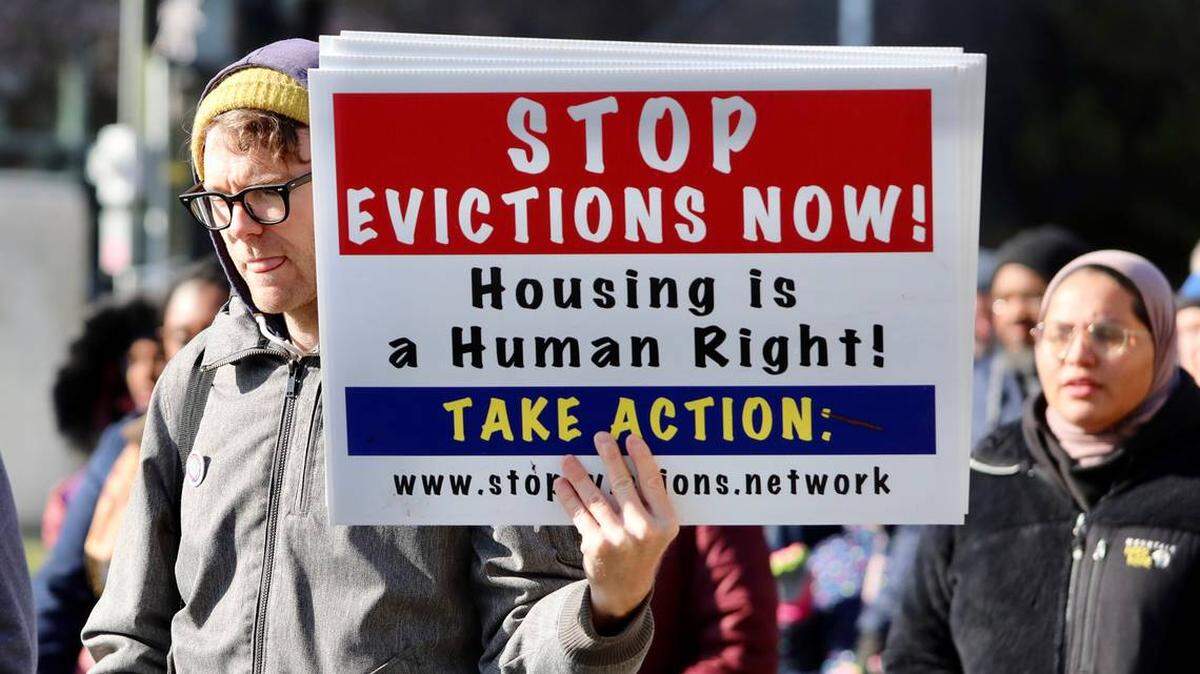
As the moratorium expires, Smoak said he’s unsure what they’ll see at ECHO, especially because of a potential grant from the state to help with eviction prevention.
He pointed out that the CDC’s moratorium requires tenants to give paperwork to their landlords to avoid eviction. That differs from South Carolina’s blanket eviction moratorium, which was in place from mid-March through mid-May.
Because of those differences and the possibility of tenants being confused by the CDC’s moratorium, eviction cases have still been filed in Horry County and across the state since the moratorium took effect in September. According to Horry County’s public index, more than 2,300 eviction cases were filed. Of those, 272 ended in a “writ of ejectment,” meaning the tenants could be removed from their home.
The CDC’s moratorium prevents eviction for nonpayment and a few other reasons, but people can still be evicted for breaking the law and receiving noise complaints, among other things. That moratorium also didn’t stop landlords from evicting thousands of tenants across the state throughout the winter and fall.
“South Carolina [has] always had a higher eviction rate than most states, and I don’t know how many people actually file for the protection,” Smoak said about the CDC’s moratorium.
While states across the country are preparing to deal with an influx of evictions, South Carolina is unique. In 2016, Princeton University’s Eviction Lab found that the state had the highest eviction rate in the country and the relatively cheap eviction filing fee allows landlords to evict tenants en masse when a moratorium isn’t in place. Landlords can file an eviction for as low as $30, while the fee in Alabama is upwards of $200.
Is rental assistance the answer?
Peter Hepburn, a research fellow at the Eviction Lab, said the combination of a court system that allows landlords to file evictions for a low cost and the lack of a state eviction protection, could be detrimental to renters across the state.
He also noted that housing advocates will push for further federal eviction protection once President-elect Joe Biden takes office Wednesday, but noted the composition of the Senate is key if the eviction protection is to go through Congress.
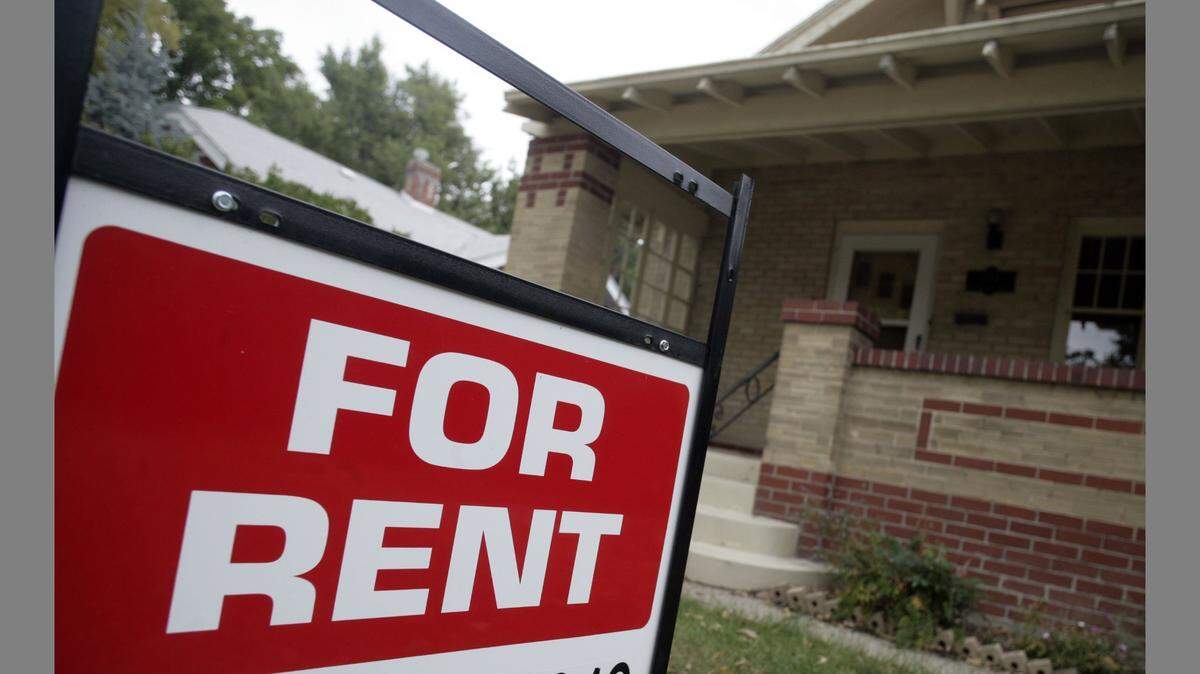
As concerns are raised about the negative impacts of the moratorium on landlords, who still have expenses of their own while tenants may not be able to pay rent, Hepburn said expanding rental assistance programs to help both the tenant and landlord through the continuing pandemic.
“We think of emergency rental assistance being support to renters, to keep them housed,” he said. “Ultimately, it’s a bailout to the landlords and the rental industry generally, this is money that they would otherwise not be able to collect.”
Risk of Myrtle Beach’s tourism-reliant jobs
More locally, Horry County has long grappled with the homelessness rate, with around 85% of all of ECHO’s resources going toward Horry County, though it serves 12 other counties. The county also has the largest unsheltered homeless population in the state, Smoak said.
As the moratorium expires, people could face eviction for the first time, and those who are chronically homeless looking for help will likely increase as well, according to Jenkins, New Directions executive director.
“Someone who is newly homeless or who is homeless for the first time, they need that hand up, they need that short term help, it’s very different than someone who’s been chronically homeless and we’ll see an increase on both sides I think,” Jenkins said.
Both Jenkins and Smoak mentioned much of Horry County’s homeless population is composed of people who move to the area hoping to get a job in hospitality, which are abundant in the summer, but dwindle quickly in the winter months, sometimes leading to homelessness. During the coronavirus pandemic, business closures and a pause on tourism meant a bump in the road for that type of employment.
“With a lot of those businesses closing down, Horry County’s definitely going to get harder … I would say Horry and Charleston, but Charleston’s kinda bulletproof almost,” he said. “Horry County would definitely be hit worse than anybody, I’d say. That’s just my opinion.”

That affects young adults in the area who rely on entertainment venues and restaurants for employment. When that bottoms out, so does their income.
“Entertainment jobs went to zero, they’re in trouble,” Koch said.
The City of Myrtle Beach recently rolled out plans for “workforce housing” in an attempt to better house employees in government and hospitality sectors, but those buildings won’t be ready for move-in until at least 2022.
Ban on evictions ‘a temporary fix’
While an eviction can scar anyone’s record and make landlords hesitant to rent, Koch said young adults are often at a disadvantage. They often don’t understand lease terms and have little resources to help, he said.
“That is a killer for a young adult who has an eviction on their record, it’s already hard enough,” he said. “There are so many people, apartments are in huge demand all along the Grand Strand … Rentals are in big demand and they go fast and only the cream of the crop are the people that get them.”
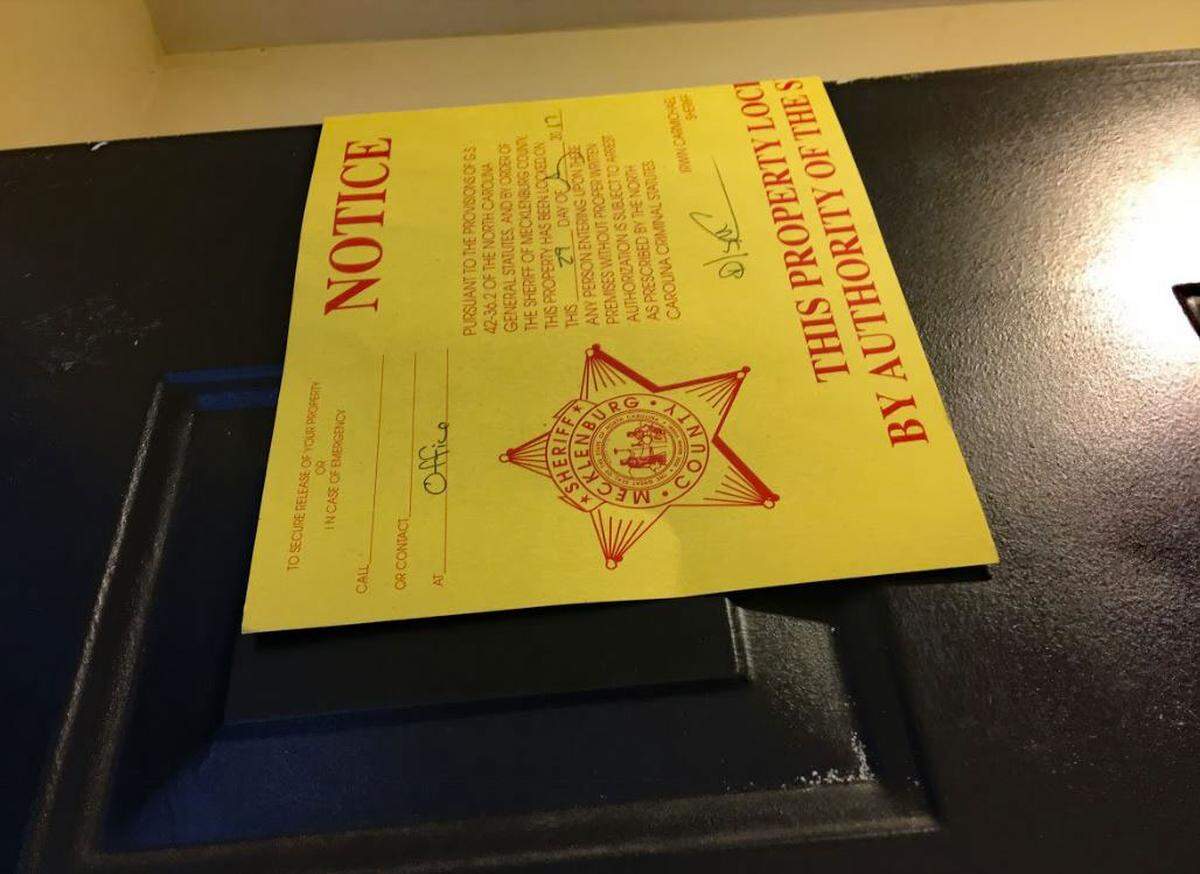
Smoak and Koch pointed to long-term eviction prevention, like an increase of affordable housing and job training, instead of “necessary” temporary solutions like the CDC eviction moratorium. In Horry County, a person would need to make nearly $20 per hour to afford a two-bedroom apartment without being “cost-burdened,” or spending more than 30% of their income on rent. The minimum wage in the county is $7.25 an hour and the median wage is $11 an hour, both a far cry from the necessary wage to afford a two-bedroom apartment.
“I do think that it is a temporary fix, I don’t know if legislation could fix this problem in long term, I’m not a politician,” Koch said. “I do think it was a temporary fix, I think it was a needed temporary fix. I do feel like there needed to be something done, but a more permanent solution is to make sure they have enough money to pay the rent.”
This story was originally published January 19, 2021 at 1:00 PM.