Tenants at ‘mercy’ of SC mega landlord end up paying more than rent — and it’s legal
The day his father died in June, Rodrickus Oakes owed his landlord $230 in additional fees.
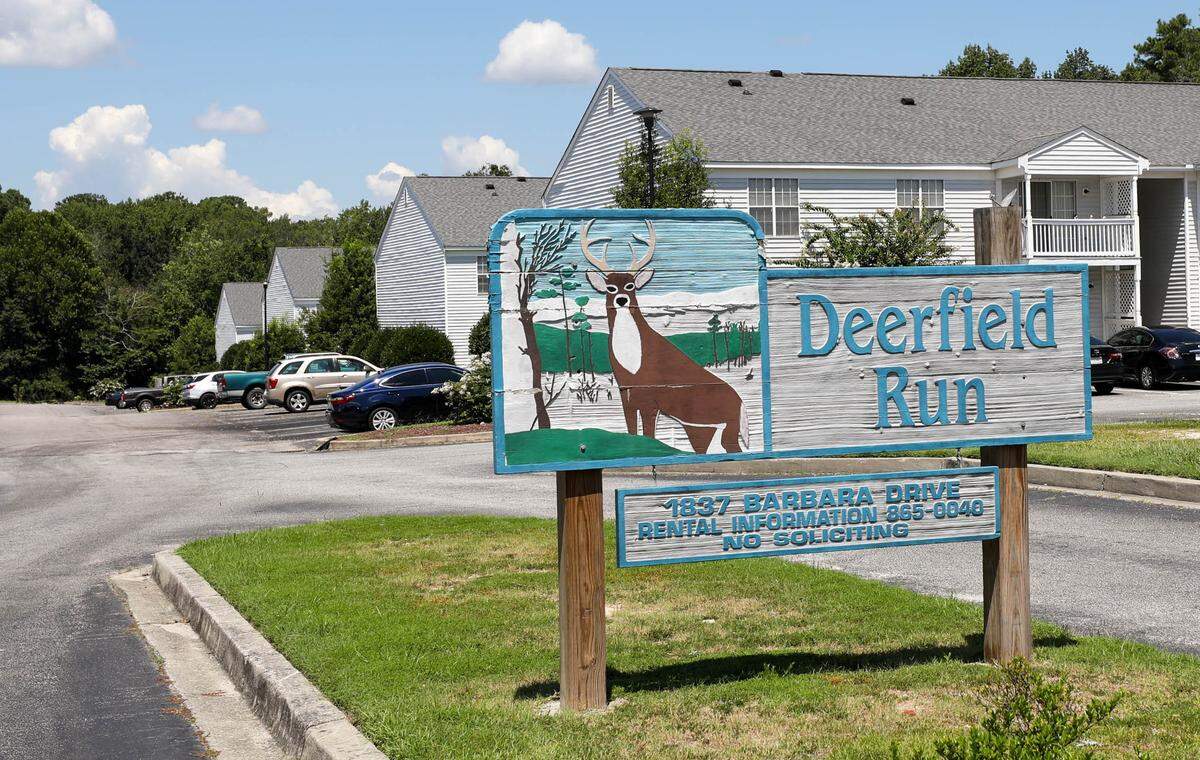
Oakes had paid the rent for his two-bedroom apartment in the Deerfield Run complex near Columbia every month. But many times he was late.
So his landlord, Powers Properties, did what it regularly does to its tenants who are late on rent: filed an eviction notice.
Since the beginning of 2019, Powers has filed to evict tenants across the state more than 6,700 times, court records show — part of what appears to be an aggressive use of the courts against renters who fall behind, regardless of their circumstances, according to an investigation by the Sun News and The Island Packet.
And it’s legal, although critics say the practice violates the true intent of the state’s eviction laws.
Oakes had received two eviction notices already this year, before the pandemic. Each time, he ended up paying his $700 rent, according to an invoice reviewed by the newspapers. But then Powers Properties tacked on more fees: a $10 late fee, a $30 eviction filing fee, a $25 service fee, a $10 “coupon charge” for failing to include a designated coupon provided by the landlord for paying rent.
Oakes tried to make it up in March, when the state halted evictions amid the coronavirus’ spread, paying nearly double his rent in money orders. He thought he was safe in June, but just after burying his father, he got a letter from Powers Properties.
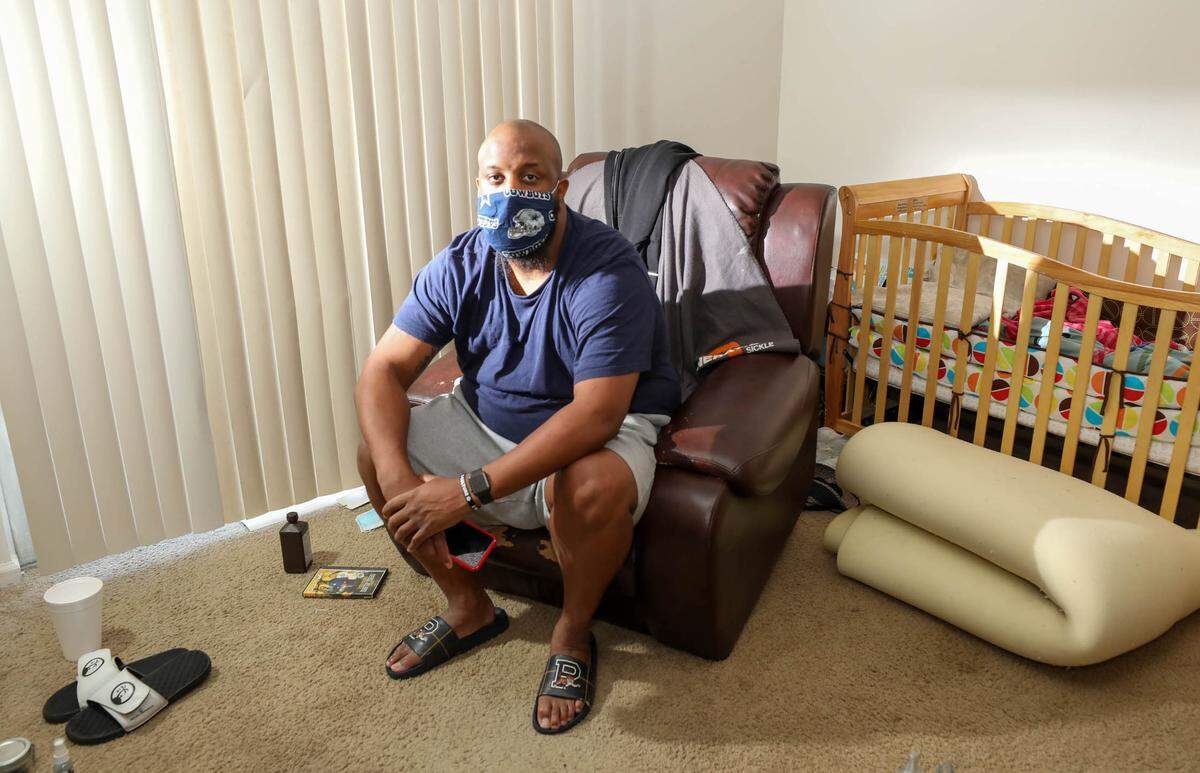
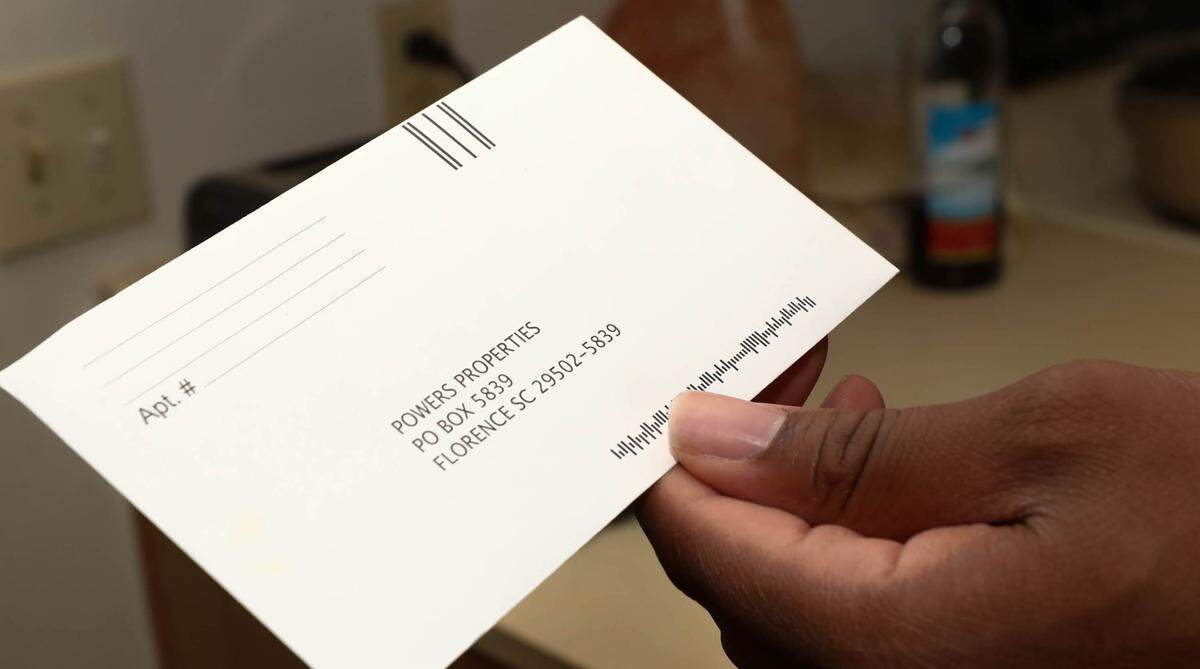
He still owed the $230 in fees, it said. If he didn’t pay that — and his $700 rent for the upcoming month — he would face eviction proceedings. Again. “Please keep this in mind when you make next month’s rent payment,” the letter read.
“I think they take advantage of people,” he said.
Oakes just wants to buy a house, to leave rent behind. But now he has evictions on his record, fees to pay and a landlord that won’t relent.
And he’s not alone.
Florence-based Powers Properties, which manages properties in nine S.C. counties, files thousands of eviction notices per year in the state, though just a small percentage of those result in tenants being forced to move out.
Interviews with more than a dozen current and former tenants, all with multiple eviction filings courtesy of Powers Properties, paint a picture of a landlord that’s slow to respond to service requests but quick to submit paperwork to court.
In their view, it’s done to intimidate them.
“Every time they send me (an eviction) letter, I break down,” said a resident of one of their Florence properties who asked to remain anonymous for fear of retribution. “I don’t want to go to court.”
Mark Fessler, the housing unit head attorney for South Carolina Legal Services, said a landlord with such frequent eviction filings typically shows it is using the process as a way to collect debt. This tactic is fairly common, he said, though not in the spirit of the law, which exists to help property owners regain possession of their property.
“They could file a breach of contract action and seek a judgment of ‘X’ dollars and rent owed, but of course they’re not going to do that because the threat of losing your home is much more onerous than the threat of having a judgment placed against you,” he said.
Earlier this year, a federal coronavirus-related moratorium on evictions was put in place through July, though President Donald Trump recently announced an executive order extending it. When it ends, housing experts expect an avalanche of filings, but Powers Properties, and other property managers like them, have been flooding S.C. magistrate offices for years, thanks, in part, to a system that presents minimal cost or risk to filers.
In South Carolina, an eviction filing costs as low as $30, compared with hundreds of dollars in neighboring states. Powers Properties routinely passes those costs on to tenants, according to invoices provided by tenants.
Experts say this practice, known as serial filing, keeps tenants in a vulnerable position, with additional fees piling up, and can negatively impact their long-term housing opportunities.
Is Powers top eviction filer in state?
At Powers Properties apartments, eviction day comes in the middle of every month.
Oakes and another tenant at the Deerfield Run apartments in Columbia said eviction notices go up like clockwork on the 15th.
Tenants recognize the workers who make the rounds, toting a big stack of papers, instructing tenants to call about overdue rent. On some occasions, the papers blanket the doors of almost every unit in a building, tenants in Richland and Greenville counties said.
Powers Properties has been a S.C. property management company for more than 25 years and currently operates 34 properties in some of the state’s most populated areas, including Columbia, Myrtle Beach and Rock Hill, according to its website.
Powers also has apartments in a rural stretch of Jasper County, near Hilton Head Island, and complexes scattered throughout Florence.
Most of the apartment complexes, assessed at $271 million in total, according to property records, are owned by a slew of companies registered with the S.C. Secretary of State to W.O. Powers.
Wilbur Owens “Billy” Powers, 84, is a long-time real estate developer whose career spans the state and multiple industries, including construction, aviation, storage and property management.
Messages left on a cell number listed for Powers, as well as the company’s corporate office, were not returned. District manager Harold Martin, reached by phone, declined to comment other than to say he’s never heard the term “serial filing.”
“If you don’t pay your rent, you get an eviction filing and it’s based on a month-to-month basis just like making a mortgage payment,” he said.
He asked that questions be emailed to him, but he has not responded to a list of detailed questions sent to him July 30.
Powers himself has been showered with accolades, including an honorary degree from Clemson University, and the state’s highest civilian honor, the Order of the Palmetto, as well as other awards honoring a history of community service.
But Powers Properties distinguishes itself by its aggressive use of the evictions process, the newspapers found.
With a total of 6,730 eviction filings since 2019, Powers appears to be the top filer in Anderson, Florence, Horry, Jasper, Richland and Sumter counties, public court records show. Powers also manages properties in Greenville, Pickens and York counties, though the company doesn’t advertise how many total units it manages.
Because landlord companies can file under different names, it’s difficult to say for sure whether Powers is always the top filer.
For example, an initial analysis of eviction filings in York County showed Powers leading the way with 910. But further research showed other companies filing under different LLCs or using individual apartment names. Once those filings were accounted for, Friedlam Partners and South Wood Realty were found to have each filed more than 1,400 evictions since 2019 in that county.
A Sun News analysis of top filers in the counties where Powers manages properties found South Wood Realty, with about 3,330 since 2019, as Powers’ closest competition.

Data recently received by the S.C. Appleseed Legal Justice Center shows the gap widens further as the years increase.
Adam Protheroe, an attorney with the Justice Center, said a bulk data report compiling eviction filings from the beginning of 2015 through June 2020 showed Powers Properties is far and away the top filer in the state with more than 22,000. Its next closest competitor was the Housing Authority of Charleston, with fewer than 5,000.
Serial filings aren’t unique to South Carolina, according to Protheroe, but the low filing fee — landlords can file for as little as $30 in some counties — is an outlier compared to other states. In Alabama, for example, that fee is more than $250.
“It’s not a lot of money to hang a pretty big consequence over (a tenant),” he said.
Less than 10 percent of Power Properties’ eviction filings since 2019 resulted in a court-ordered “writ of ejectment” — which permits the landlord to use law enforcement to remove a tenant — according to a review of case records. And in many of those instances, Powers Properties filed to evict those same tenants in the following months, indicating they were never actually forced to move.
Impact of multiple eviction notices
Fessler, the Legal Services housing attorney, noted there’s nothing illegal about filing repeat evictions if a tenant is consistently behind on rent, but it does create hurdles for that tenant trying to create a credit-worthy image to their next landlord.
“The downside for a landlord filing an eviction that goes nowhere or is baseless is very low risk,” he said. “Of course, for a tenant, every time your name ends up in the public record, that’s a potential strike against you, even if it gets dismissed.”
And these strikes add up.
Lakeesha Byrd rented from Powers at the Briar Grove Apartments near Columbia because it was close to her job and offered the secure feel of a gated community.
But she got sick and lost her job, falling behind on rent. She called the Dentsville Magistrate court to ask about an eviction notice she received. “Which one?” the clerk asked.
“Oh my God, I have all these case numbers,” Byrd realized. The clerk wasn’t surprised, she said. “They are known in that Richland County office for all these eviction filings,” Byrd said.

Each time she was late on rent, Powers filed another eviction notice. But when Byrd finally paid, they sometimes didn’t file a dismissal, leaving open eviction cases on her record, she said. At the end of her lease, facing another eviction process, her eighth in less than a year, Byrd left.
“They’re not a company that wants to work with tenants,” she said. “There’s no flexibility, none whatsoever.”
Like many former Powers Properties tenants, Sterling Hogan and his fiance, Tijuana Manuel, are still feeling the effects of Hogan’s evictions years later.
Two weeks after moving into Ivystone Apartments in Myrtle Beach in 2016, their unit went up in flames. The cause of the fire is still undetermined, but the unit was deemed “uninhabitable,” they said.
Hogan and Manuel moved into a different Ivystone unit while their landlord told them to “take their time” moving out of the burned apartment, they said.
But when rent came around, Hogan was charged for both units.
An eviction filing came soon after that, records show. A judge ruled in their favor, deciding Hogan only owed rent for one unit, documents show.
“If, during the term of the lease, the premises should be partially destroyed by fire or other casualty that render the premises uninhabitable, then the lease would terminate and the rent would cease to accrue as of the day of destruction,” Hogan’s lease reads.
When it was time to pay rent again, Hogan said he was charged an extra $60 in court fees. But since he won the case, he wasn’t supposed to be responsible for that extra money.
Hogan said the property managers wouldn’t accept the rent payment without the additional $60.
Powers Properties filed another eviction. Stuck between a rock and a hard place, Hogan said he offered to pay rent plus the $60 to avoid being ejected from the apartment, but the company wouldn’t accept it.
“At this point, he’s just at (Powers Properties’) mercy,” Manuel said.
This time, the judge ruled in favor of the landlord. Hogan and Manuel filed an appeal, but decided not to follow through and show up in court. They said the stress, money and time weren’t worth it, and they would rather just find another place. After another eviction, they left Ivystone Apartments.
“In our situation we were really taken advantage of and we were in a predicament where we were in the palm of their hand,” Hogan said.
But finding another place wasn’t an easy fix. With three eviction filings, Hogan’s name was “tarnished” and other landlords were hesitant to lease to him.
Hogan, Manuel and their daughters slept in hotels and bounced back and forth between Myrtle Beach and Hogan’s hometown in Georgia before finding stable housing.
Despite Hogan and Manuel trying to maintain normalcy for their daughters, the instability took a toll, manifesting in low grades and emotional stress.
“We all survived, and I think we’re stronger and better,” Manuel said.
Lease terms spell out aggressive tactics
Leases for the company’s apartment complexes, reviewed by reporters, include advance notice of this process, allowing Powers to expedite the eviction process, according to state law.
“If you do not pay your rent within ten days of the due date, the landlord can start to have you evicted. You will get no other notice as long as you live in this rental unit,” the lease agreements state.
Powers’ aggressive enforcement of this provision leaves little room for extenuating circumstances, according to tenants.
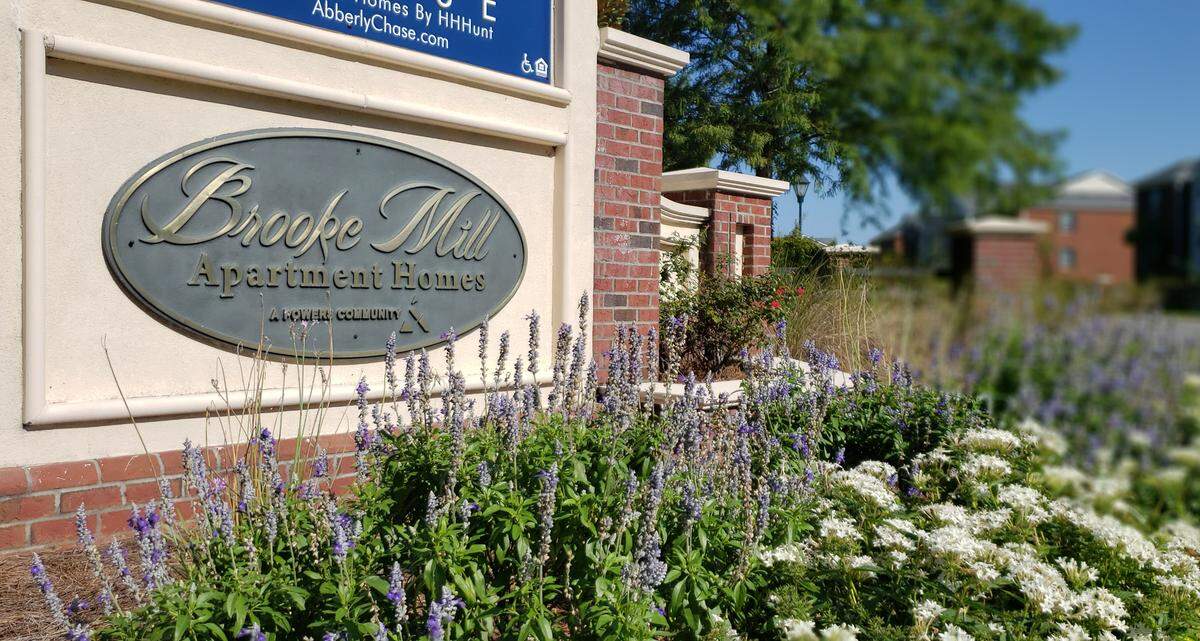
Trevin Brown, a former tenant of the Brooke Mill apartments in Ridgeland, South Carolina, said he’d been badly injured at his job at a cold storage company in Georgia.
He told a Powers representative that he was surviving on worker’s compensation when he fell behind in his rent, Brown said. Powers began seven eviction proceedings against Brown during the year and a half he rented from the company.
“They don’t mess around. They don’t give any break,” he said.
The last filing, in February, resulted in a court-ordered eviction, so Brown left. During the pandemic, he’s been staying in a hotel and looking for work.
Other tenants said paying rent with a credit or debit card incurred a fee, and many hesitated to enroll in automated bank transfers to make rent payments. Instead, they chose to mail checks or money orders, which came with its own set of problems, tenants say.
In Columbia, Oakes said his first eviction notice came earlier this year, when a mailed money order was delayed arriving to Powers’ Florence office.
“They sell you on the dream,” he said, referencing a promotion offering a month off rent when a tenant signs a lease. But invoices he sent reporters show fees have eaten away at any savings he might have enjoyed.
Powers Properties leases lay out five different fees tenants could incur when rent is late, they pay incorrectly or lose coupon books distributed by the company. When an eviction is filed, they could see up to three more fees tacked on.
Multiple current tenants also told reporters that their initial lease with Powers Properties has expired. Their leases show that the agreement automatically renews on a month-to-month basis unless written notice of termination is given by either party at least 30 days in advance.
Low-income renters are often forced into these short-term rental agreements in South Carolina, giving the landlord more flexibility, adding to the power dynamic that’s already heavily weighted toward landlords, Fessler said.
Other states include provisions for such arrangements that must have good cause — such as property damage or a desire to stop being a landlord — to terminate or not renew a lease, and Fessler suggested such a provision in South Carolina could go a long way toward protecting short-term renters.
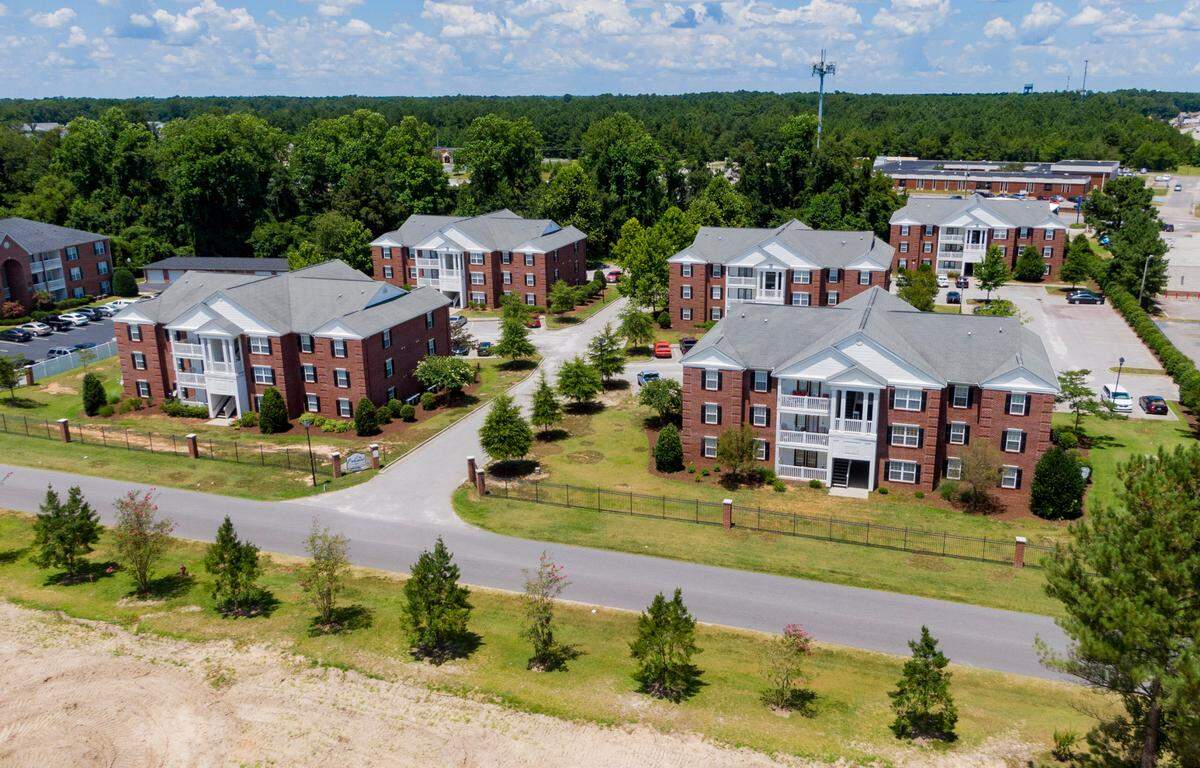
Filings discourage maintenance requests
The constant threat of eviction is a way of intimidating tenants into not asking for needed repairs, renters and housing attorneys say.
Powers Properties has filed to evict Christina McDurko, who lives at Forest Lake in Florence, 30 times, according to public court records.
In an interview, she detailed a laundry list of maintenance issues she’s faced during her five-year stay, including mold, a leaky refrigerator and broken air conditioner.
Each time she requested service, the company took multiple days to respond and ended up just patching it up until it breaks down again, she said, “but if you’re a day late on your rent, they file (to evict you).”
McDurko said she’s thought often about moving, but she wants to remain close to her sister, and Powers Properties, with 12 complexes in Florence, owns nearly every rental property in the area.
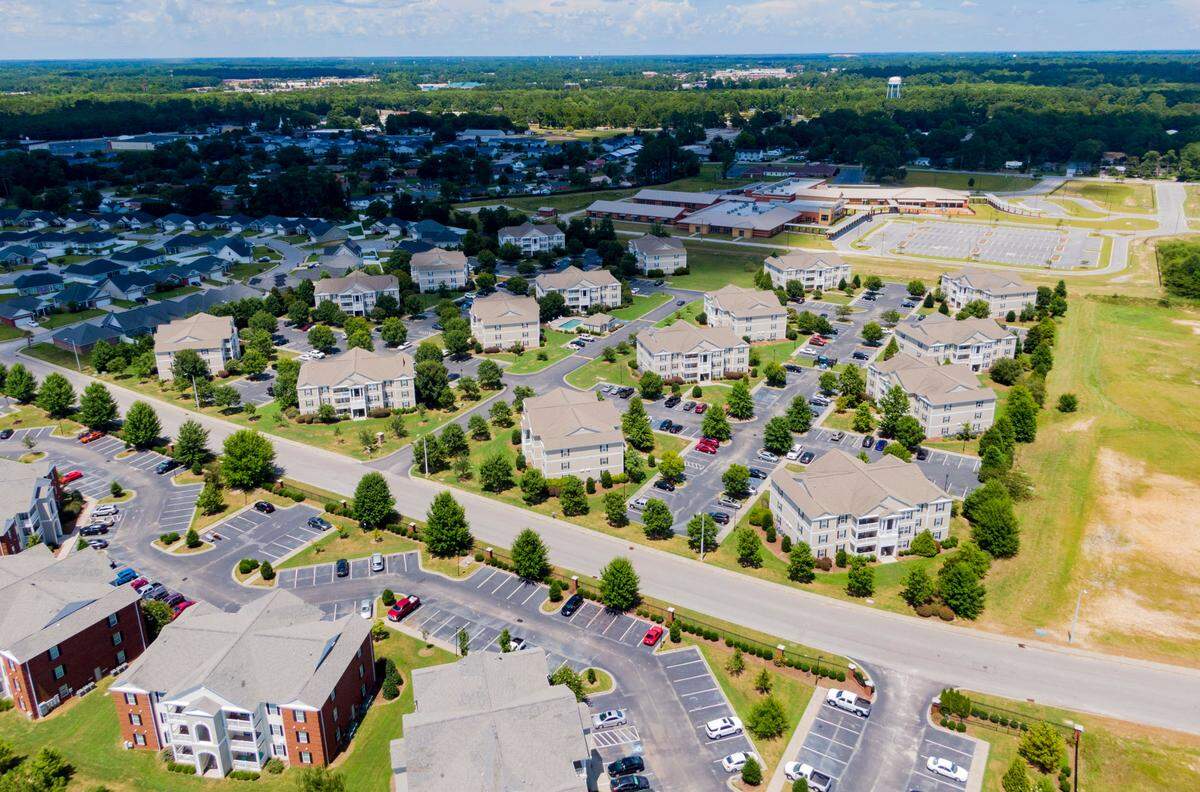
Doris Marie McGill had been living at Ivystone Apartments for about six months in 2016 when she started seeing what appeared to be bed bugs crawling into her room through the ceiling vent.
She quickly alerted the apartment manager, expecting an exterminator to be sent promptly, while Powers Properties provided an alternate room for her and her children.
But two weeks later, her rent was due, no one had come, and the bugs continued to filter into her room, she said.
“I’m sure if it was their family, they would’ve quickly taken care of it,” McGill said.
She told Powers Properties that she wouldn’t pay the rent until they fixed the bed bug issue, and a notice of an eviction filing against her was slipped under her door the next day, she said.
Protheroe, the Justice Center attorney, said it’s a common misconception among S.C. tenants that they can withhold rent if the landlord is not fulfilling its duties, but it usually just ends up putting the tenant in a worse position in a potential court fight.
Eviction cases move quickly without discovery, he noted, and the only question many judges care about is whether tenants have paid what they owe.
The newspapers requested records of residential code violations and complaints at Powers Properties’ addresses across the state. Officials at eight local jurisdictions who responded to the request before publication all said they had none on record.
Still, another tenant at one of Powers’ complexes in Florence who asked that his name not be used for fear of being evicted, said he has several maintenance requests he’d like to make, but because they tend to take so long and he’s often behind on rent, he stopped reporting issues.
Protheroe said he heard many similar stories while working at South Carolina Legal Services about clients being afraid to file complaints against their landlords.
State law prevents landlords from filing a retaliatory eviction, but proving that charge in court can be difficult and costly for tenants, many of whom are low-income.
Fessler likewise noted that there is a legal procedure in South Carolina to force a landlord to make needed repairs, but it grants landlords at least 14 days to make those repairs, and there are often disputes about whether a repair was performed properly, particularly with mold issues.
“How do you prove whether or not the repair was done properly?,” he asked. “Ideally you’d have an environmental engineer go in there and test the air quality, but who can afford that?”
State Rep. Marvin Pendarvis, D-Charleston, said he plans to introduce legislation next session that allows tenants to deduct needed repairs from their rent costs if they pay for it themselves.
He’s ultimately hoping that his bill, which would amend the Residential Landlord and Tenant Act, will prevent eviction filing from being a landlord’s first resort, which is the case with serial filers.
The amendment would clean up language in the act, which hasn’t been significantly altered since it passed in 1986, and create a dedicated landlord-tenant court while giving tenants a right to an attorney.
“We need to get to a point where, absent extreme circumstances, landlords are required to work with tenants before filing an eviction,” Pendarvis said. “We have to encourage more mediation.”
This story was originally published August 12, 2020 at 5:00 AM with the headline "Tenants at ‘mercy’ of SC mega landlord end up paying more than rent — and it’s legal."